A complete guide to the Annapurna Base Camp Trek
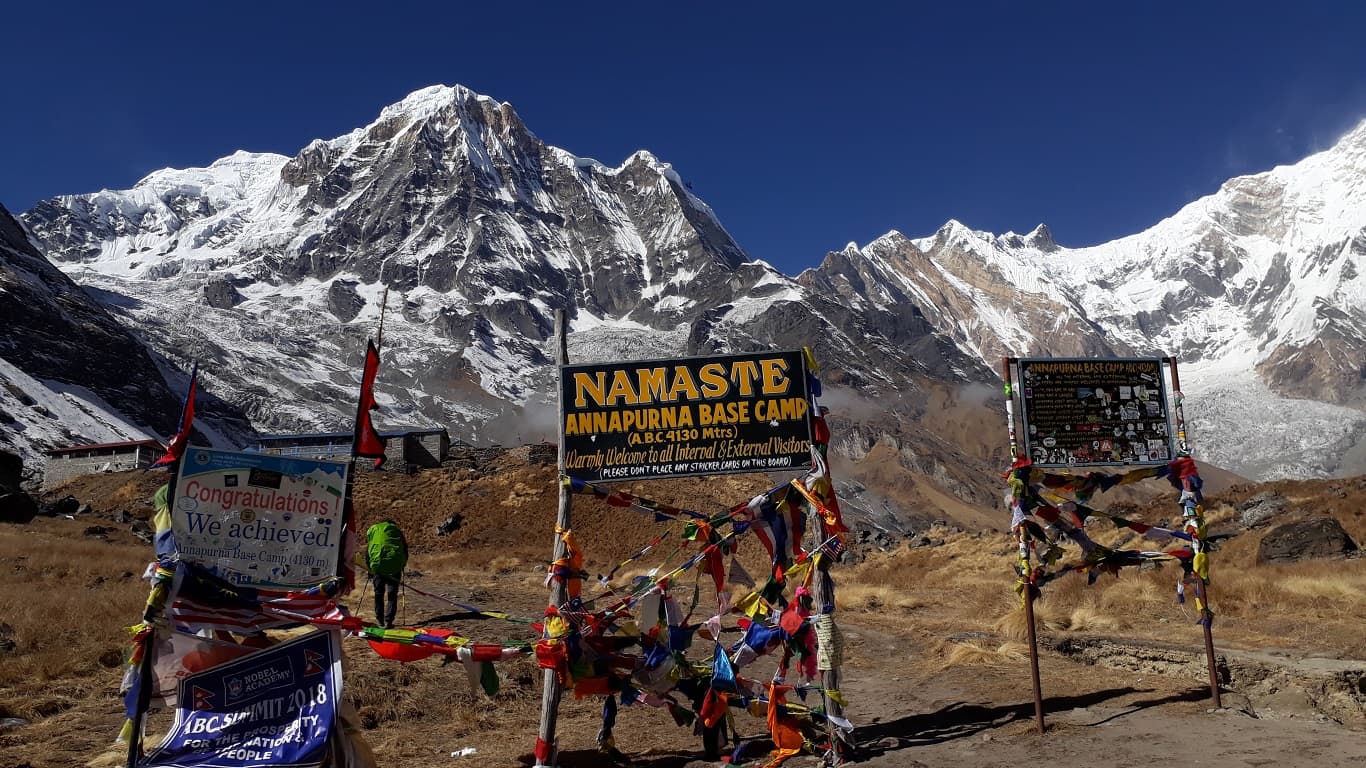
The most popular trekking destination in Nepal is Annapurna Base Camp. This amazing trek will take you to the majestic Annapurna region of Northwest Nepal. Trekkers will witness some of the most spectacular landscapes, offering breathtaking vistas and amazing cultural experiences. Compared to Nepal's other high-altitude treks, the ABC trek is a very simple and quick journey. Notably, this journey is considered successful in attracting tourists from around the world. The vistas of Mt. Machhapuchhre, Hiunchuli, the Annapurna massif, Baraha Sikhar, Nilgiri South, Tukuche, and Dhaulagiri are the main draws of this Trek. You will follow through thick Rhododendron forests, Deep gorges, rivulets, eye-catching valleys, and the diverse cultures and traditions of the Gurung, Magar, and Thakali, whilst encountering picturesque mountain scenery.
The trek can also be extended to include a scenic hike to the village of Poon Hill, known for its stunning views of the Himalayan range, including the spectacular peaks of Annapurna I, II, III, and South. Embark on an exciting journey to Annapurna Base Camp and unveil the mysteries of the Himalayas. Follow this complete guide to enjoy Nepal's beautiful scenery and diverse culture. Discover how a challenging trek can lead you to captivating views of some of the world's most iconic mountains, and how to prepare for this unforgettable adventure.
Annapurna Base Camp Trek Itinerary

There are numerous ways to go to Annapurna Base Camp. Nearly all routes end at Chomrong. It is the only way to go to base camp. After starting the trek, you can deviate to Ghorepani Poon Hill, to Ghandruk upon your will, or both to reach Annapurna Base Camp. You can pause during the ascent and stop at several locations on the way back. A typical 14-day itinerary for the Annapurna Base Camp trek is provided below.
Please insert this itinerary in the table while posting:
|
Day |
Activity |
Distance |
Elevation |
|
1 |
Arrival in Kathmandu |
- |
1400m |
|
2 |
Kathmandu to Pokhara |
- |
950m |
|
3 |
Drive to Nayapul Trek to Tikhedhunga |
15km |
1450m |
|
4 |
Trek to Ghorepani |
10.5km |
2874m |
|
5 |
Morning hike to Poonhill (3210m)to Tadapani |
10km |
2610m |
|
6 |
Tadapani to Sinuwa |
11.5km |
2340m |
|
7 |
Sinuwa to Deurali |
11km |
3230m |
|
8 |
Deurali to ABC |
9km |
4130m |
|
9 |
ABC to Bamboo |
16km |
2050m |
|
10 |
Bamboo to Jhinu Danda |
12km |
1700m |
|
11 |
Jhinu Dada to Nayapul to Pokhara |
13km |
820m |
|
12 |
Drive back to Kathmandu |
|
|
|
13 |
International Departure |
|
|
-
A typical 7-day route includes a trek to ABC for those who don't have enough time to trek for 14 days.
How long is the trek to Annapurna Base Camp?
The Annapurna Base Camp trek takes between 8 and 10 days. Depending on your level of experience, group size, and other various factors, it can take longer. The normal trek distance to Annapurna Base Camp is 110 kilometres. You will need to trek an average of 6 hours each day, covering 10 kilometres. However, there may be days when you must walk a little bit more or a little bit less than usual. This trail will take you through a rural area, which will be a little bit difficult. Hence, for trekkers with limited time, this trek is an excellent option.
Best Time to Do the Annapurna Base Camp Trek
While it can be completed in any season, it's always good to get all the necessary information beforehand. Planning when to go on the Annapurna Base Camp trek is essential, as it is a high-altitude trek. One must be aware of the potential risks of the seasons. In Nepal, there are six seasons: Spring (March-May), Monsoon (June-August), Autumn (September-November), and Winter (December-February). The best time to go on this trek is in spring and autumn. This is the time when you'll get the best view of the majestic snowy peaks while still enjoying moderate weather that won't hinder your journey.
Spring season
Springtime (March to May) is the best time for trekking, as the skies are clear, offering stunning views of the Himalayan peaks. Additionally, this season brings vibrant wildflowers blooming in the landscape and increased mountaineering activities. This season offers a more pleasant, balanced temperature with fairly low precipitation.
Autumn season
Autumn (from late September to mid-November) is the most recommended season to go on this trek, as the Nepalese Himalayas tend to be milder than in other seasons. You will also be able to see the imposing snow-capped peaks spread across the blue sky and the colourful vegetation covering the landscape. The fresh days and crystal-clear mountain views are at their finest during this season.
Monsoon and winter seasons
During the monsoon, the route is frequently muddy and slippery, making travel challenging. The vistas of the mountains and surrounding areas are thus less pleasant than they are in the fall and spring. It will get quite cold and snowy if you choose to travel in the winter, but you can expect clear skies and decent visibility. Trekking in the winter is fun if you enjoy the excitement of traversing snowy trails. Hence, this trek can also be undertaken during the winter and monsoon seasons, but you must have adequate training, be well prepared, and have low expectations for clear mountain views.
Annapurna Base Camp Trek Difficulty
This trek can be graded as easy to moderate, depending on several factors, including the number of trekking days, the highest elevation, the season, and the route. Even though it isn't as physically demanding as other treks in the Himalayas, it's still important to make sure you're reasonably fit for it. It will be one of the most rewarding trekking experiences for those who are properly prepared. The trek entails 6-7 hours of hiking each day, including steep ascents and descents, narrow paths, riverbanks, straight trails, and, occasionally, slick or snowy trails. Regular cardio exercise, running, jogging, and strength workouts for a few weeks before setting off on the trek are great ways to increase your stamina and prepare you for the journey ahead.
Beginner trekkers can easily conquer the Annapurna Base Camp trek as long as they are properly guided and have a solid understanding of mountain environments. Those with hiking experience will have an easier time completing the trek since it won't necessarily require additional climbing or mountaineering techniques. You will climb over 4,000 meters on the Annapurna Base Camp trek. Therefore, taking preventive steps such as drinking enough water, eating a healthy diet, and rising gradually is important for this trek to prevent altitude-related issues like shortness of breath, dizziness, and headaches.
Food and accommodations in the Annapurna Base Camp Trek
The Annapurna region features a variety of tea houses in higher altitudes and hotels/guesthouses of varying quality in the lower parts. These accommodations offer a range of room types, from private twin rooms to dormitory-style rooms that accommodate up to 6 people. You can expect these rooms to cost between Rs 1,500 and Rs 2,000 at these lodges. Despite their size, these lodges are known to be cosy and well-kept. While most lodgings provide shared toilets and restrooms, some offer private bathrooms. Some places offer hot showers, but trekkers can always request a bucket of hot water, which will cost extra.
The meals served on the Annapurna Base Camp Trek are comparable to those on other well-known trekking routes in Nepal. It is the least expensive item on the regular menu and is popular with both locals and visitors. Furthermore, there is an array of food options, including eggs in various styles, tortillas, cereals with milk, sandwiches, and potatoes cooked in various ways.
You can also expect noodles, dumplings, Macaroni, and Pancakes. Also, hot drinks such as tea, coffee, juice, and flavoured drinks are available. It is not advisable to consume alcoholic beverages during the trip, as it can make you more susceptible to acute mountain sickness (AMS).
We advise you to carry food items such as protein bars, cheese, almonds, chocolate, and other snacks. These are calorie-rich and can be eaten while walking, helping maintain energy levels. Water is available in bottles while trekking, but prices increase with altitude. To save on costs and reduce waste, using water filters or purifying tablets is preferable to buying bottled water along the route.
Permits Required for Annapurna Base Camp Trek
Permits are required for trekking to Annapurna Base Camp. Trekkers must obtain permits from the authorities before starting their journey. Tourist visas may also be needed, depending on where you are coming from. There are two permits needed for the Annapurna Base Camp trek.
You will require the TIMS (Trekkers' Information Management System) card and ACAP (Annapurna Conservation Area Permit). To get the TIMS card and ACAP card, you must fill out and submit the TIMS application (Trekker's Information Management) and the ACAP (Annapurna Conservation Area Project) Permit application.
Permit cost for SAARC countries:
Entry Fee for ACAP: Rs 200
TIMS Card Fee: Single trekkers pay $20, whereas group trekkers pay $10.
Permit for Other Internationals:
Entry Fee for ACAP: Rs 3000 (23USD)
TIMS card Fee: Single trekkers pay $20, whereas group trekkers pay $10.
You should have both the ACAP entrance permit and the TIMS card while on the trek, as they are both required for entry into the area. These admission permits are nonrefundable and nontransferable. Both permits are available at the TAAN office in Pokhara, Nepal. Tourism Board office in Kathmandu.
Packing list
Annapurna Base Camp trek is a thrilling and the most satisfying trek in the Himalayas. For more than a week, you will need to trek for about 5 to 6 hours every day while carrying a big load. To make your journey easier, you must think about the Annapurna Base Camp trek packing list before you begin to pack.
The following is a list of necessities to bring in your bag. The list is optional. It may be modified to fit your specific requirements.
Clothing
Consider the season you'll be trekking in while choosing your clothing. Warm clothing is necessary in cold weather. You'll need rain gear during the monsoon. Wearing layers lets you remove the outer layer when you become overheated and start sweating.
Here we have listed some of the clothing:
Headwear
- Suncap
- Neck gaiters
- Sunglasses
- headscarf
- beanie
Body and torso
- Lightweight trekking shirt
- Fleece pullover
- Waterproof jacket
- Down jacket
- Thermal insulation
- Warm gloves
- Hiking pants
- Fleece pants
- Thermal trousers
- Light underwear
- Shorts
Footwear
- Trekking boots
- Gaiters
- Hiking socks
- Sandals
- Synthetic or wool socks
Toiletries and hygiene essentials
Particularly at higher elevations, the teahouses have few or no regular shower or bathing facilities. Therefore, it's crucial to maintain your hygiene while on this trek. Daily personal hygiene is a necessity that cannot be neglected. If you become sick, your journey will be halted. Here are some of the necessary toiletries and hygiene items.
- SPF sunscreen lotion
- Toothpaste and A Toothbrush
- Shampoo
- Hand sanitizer
- Towel
- Toilet Paper
- Lip balm
- deodorants
- Multi-purpose soap
- Hand and face moisturiser
Documents
You will need the TIMS Card and the ACAP permit for the Annapurna Base Camp Trek. Along the way, you must show your trek permits at several checkpoints. As a result, you should carry them with you on the journey.
The following list of papers must be with you at all times while on the trek.
- Passport
- Passport-sized photos
- TIMS card
- Annapurna Conservation Area permit
- Map and Guide Book
- Insurance documents
- Trekking permits
Miscellaneous items and extra gears
It's optional what you put in your backpack. You are the one trekking. Consequently, you might require a few more goods for yourself. Here is a rough list of extra gear and items you might need for your trek to Annapurna Base Camp.
- Umbrella
- glasses
- Power bank
- plug adapter
- tripods
- camera
- headlamp
- Swiss knife
- Trekking poles
- crampons
- binoculars
- oximeters
Annapurna Base Camp Trekking Bag
You will need a decent-sized backpack to fit all your belongings. Anything between 30 and 55 L would be okay. Make sure all of your things fit in before making the purchase. Pick a backpack with comfortable back support and one that is easy to carry.
Travel Insurance
Getting travel insurance is crucial, whether trekking or going to high elevations. Travel insurance should cover all additional costs incurred as a result of health problems, accidents, or injuries. You will want sufficient insurance that covers medical expenses, helicopter rescue, and evacuation at the highest trek heights above 4000m. You will be hiking far from any roadways in very off-the-grid areas. In such cases, a helicopter is the sole means of transportation that can get people to safety. Thus, insurance could be perfect for you if you unfortunately experience any kind of repercussions. We advise all visitors to purchase travel insurance before departing for Nepal for trekking and other adventurous activities, as it can help prevent them from incurring large medical expenses.
Language
The Annapurna Base Camp trek is a popular trekking route in Nepal. The trail passes through several different ethnic settlements, and the main language spoken by the locals is Nepali. However, there are also many local dialects of other languages, such as Magar and Gurung, which vary based on the region that you are in. While knowing some Nepali phrases can be helpful, many locals also understand basic English. Apart from that, Hindi can also be used to communicate with people you meet along your journey.
Electricity, mobile network, and WIFI
Annapurna Base Camp Trek offers trekkers access to internet, electricity, and mobile network coverage. You may use Wi-Fi at the lodges where you'll be staying. However, as you reach higher altitudes, they may charge you between 100 and 200 rupees per hour of use. However, its quick connectivity and availability are uncertain. You may make international calls using a Nepali SIM card. Calling from outside of Nepal might cost a bit extra, but you can still stay in touch with your loved ones while on the trek. Also, be aware that you may not have a strong network connection at every point on this trek.
Electricity is available for most of the trek, though as you ascend higher, some places charge extra rupees to charge your electronic devices. However, it's important to bring extra batteries for your electronic devices. As you ascend higher, you will find that those facilities are becoming hesitant.
What is the cost of the trek to Annapurna Base Camp?
The ABC trek price is determined by the number of days, travel season, guides, porters, mode of transportation, lodging, meal quality, group size, whether solo, and route. On average, the journey lasts 8-10 days, and the cost ranges from 1000 USD to 1500 USD. With a Special discount, we are offering this trek package for you at just 775 USD.
This includes all transportation, permits, meals (full board), a guide, a porter, and accommodations. Finally, if you decide to bring your friends on this trip, you can take advantage of attractive discounts for larger groups. The cost of the journey depends largely on whether you choose a private or group experience. Going with a group means sharing porters, guides, and accommodation throughout the trek, often resulting in a more economical option. You can also customise the itinerary and make changes to the package.
Conclusion
The trek to Annapurna Base Camp will undoubtedly be a memorable experience, full of breathtaking landscapes, fascinating people, and an enchanting, exciting adventure. Anyone with the right mindset and some preparation can finish this trek. By picking the correct time, you must decide on your level of difficulty for the Annapurna Base Camp trek. You may decide which of the many factors will influence what kind of trek you will take. With us, you can be confident that all of your trekking adventures will be exciting, memorable, and safe. You may get in touch with us whenever you need professional advice or help to manage your journey.