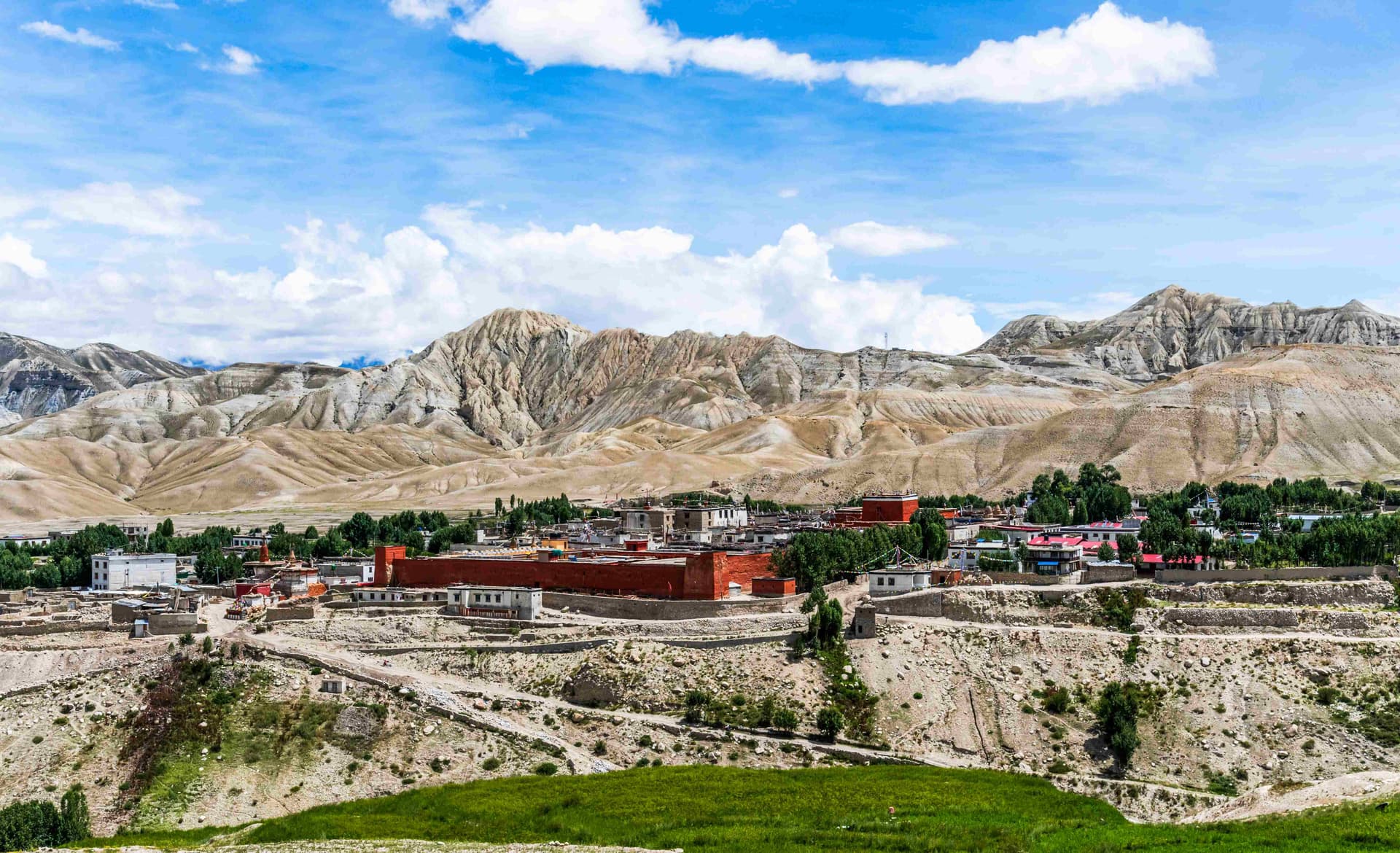
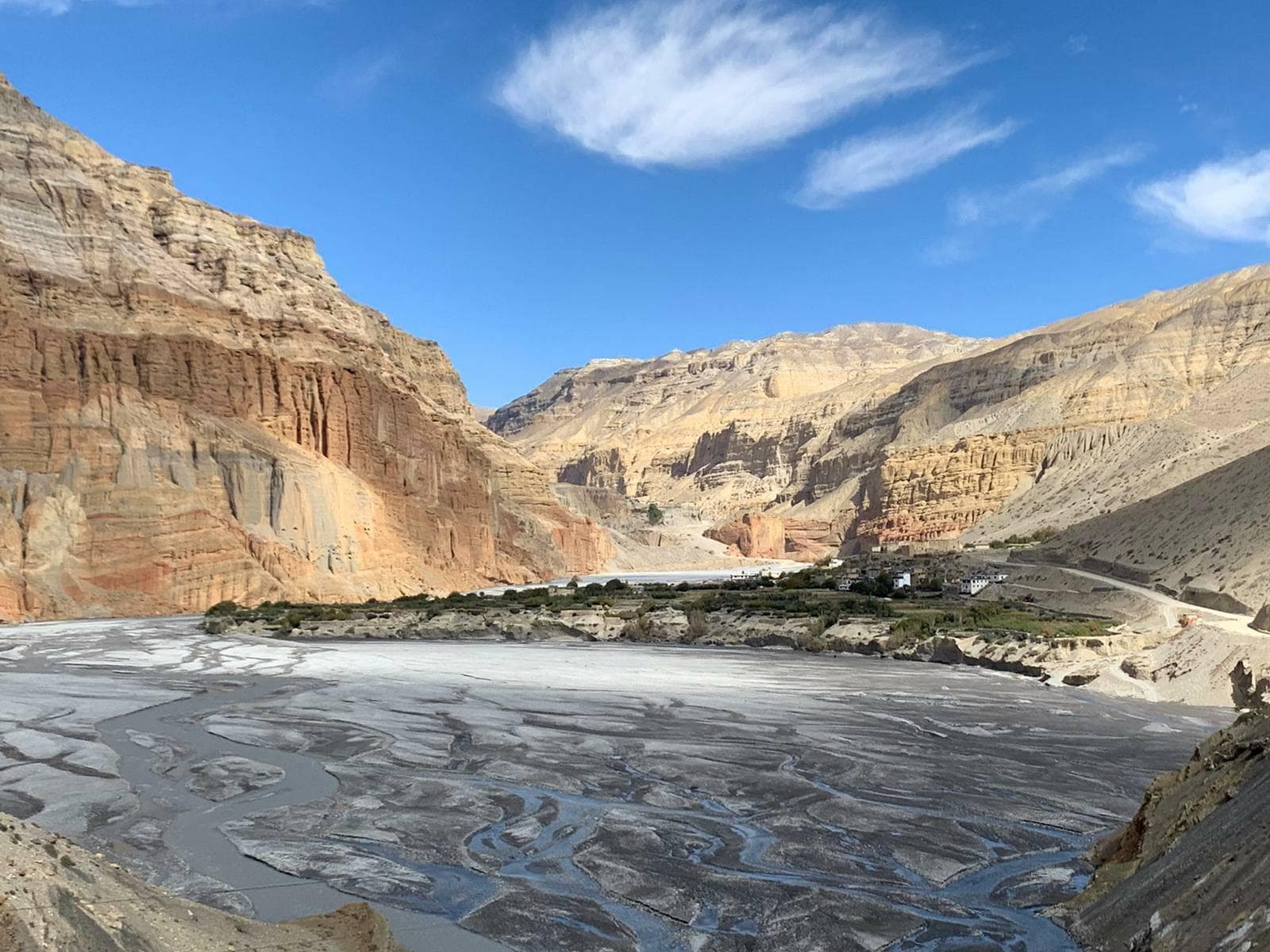
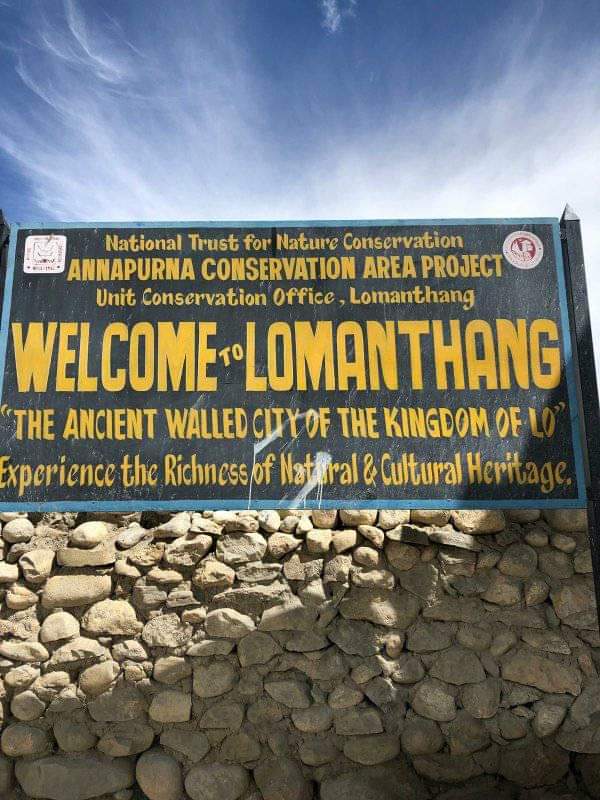
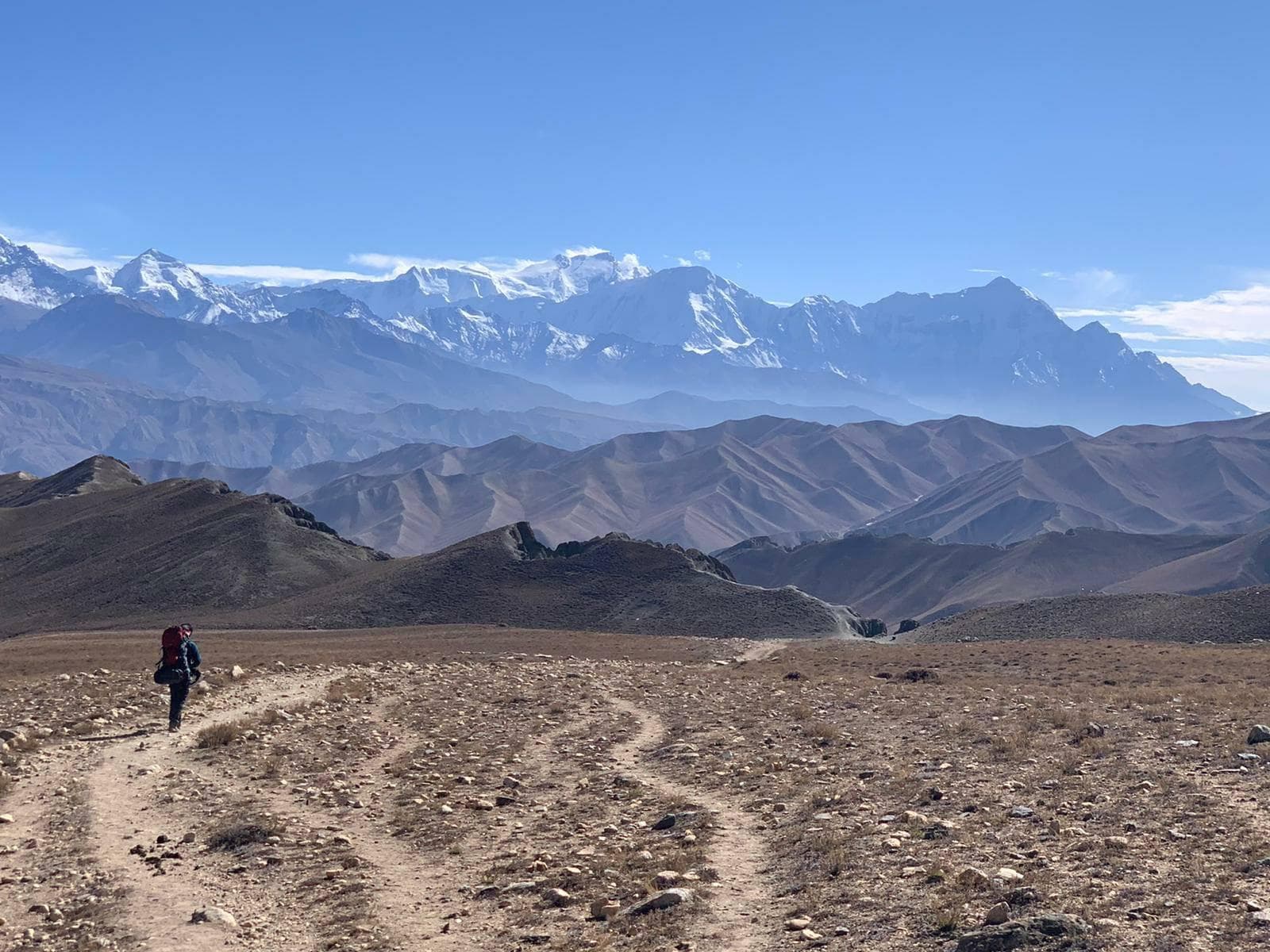
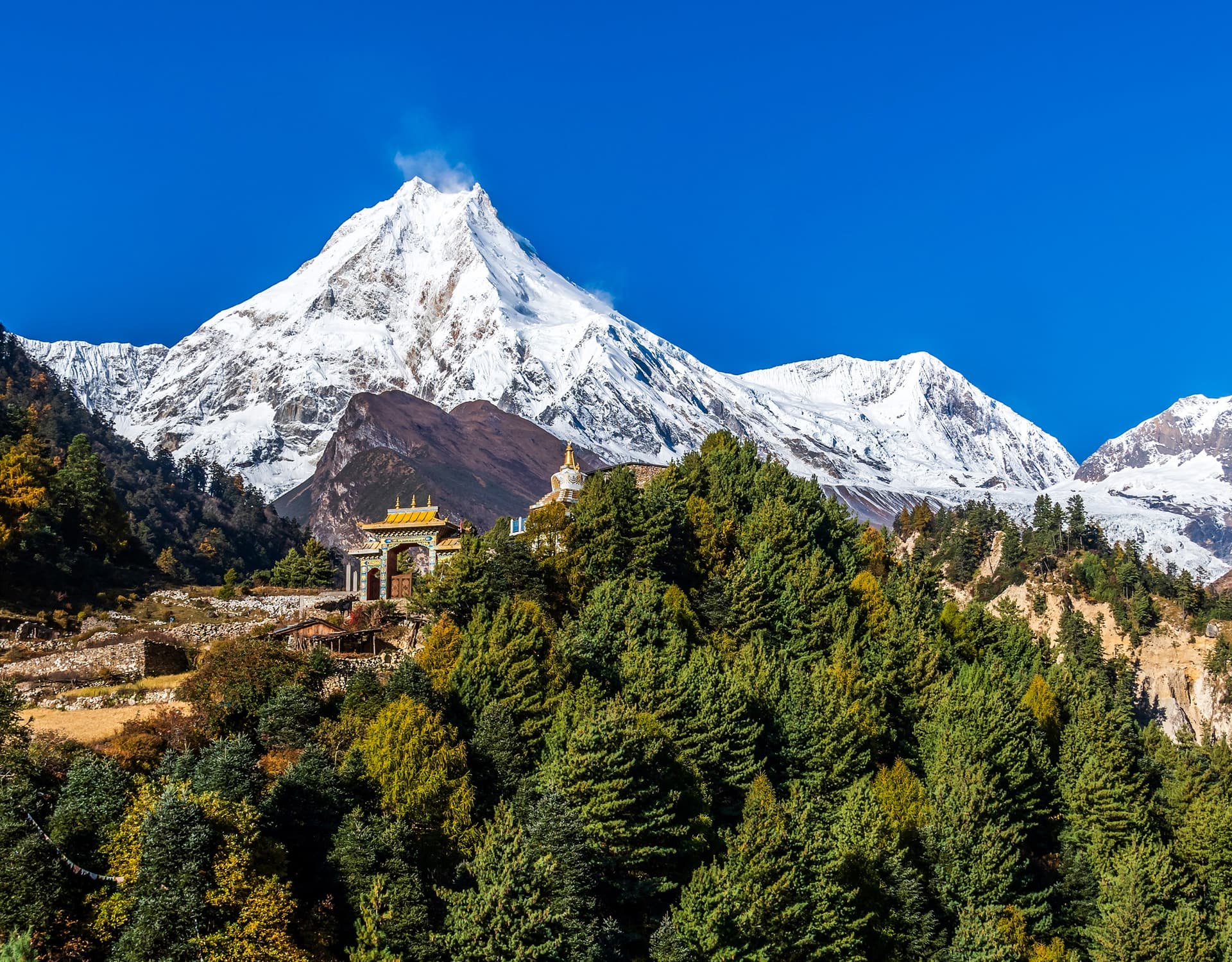
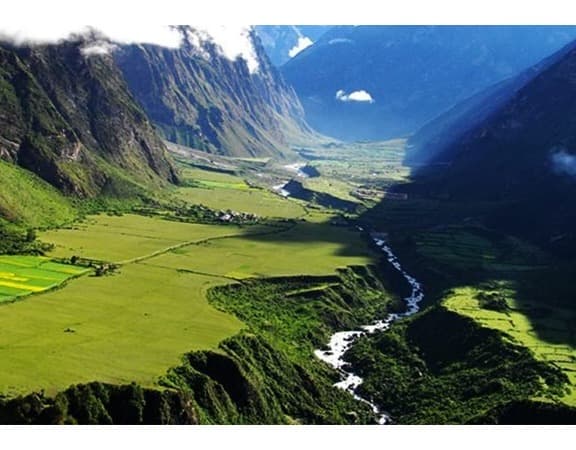
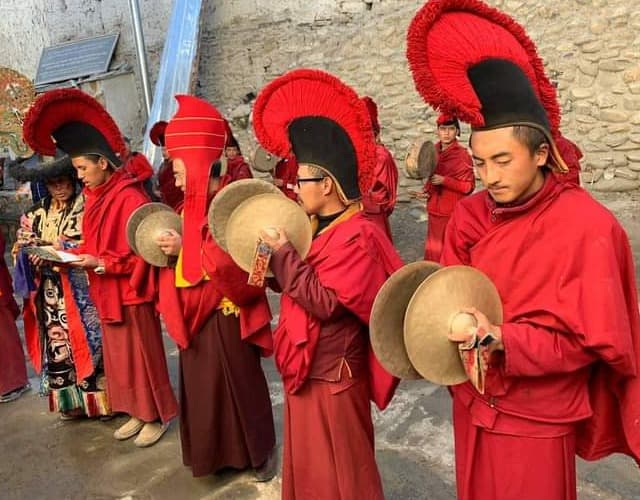
The Upper Mustang Trek is an extremely rare experience. Nestled at the northernmost part of Western Nepal, Mustang can also be referred to as “the land beyond the Himalayas.” The towering peaks of the mighty Himalayas can be seen from the northern side of Mustang, making it a very rare spectacle indeed. The 16-day tour of Upper Mustang will provide you with a rare opportunity to explore the ancient civilisation that exists amid silver peaks. Until the 1950s, Mustang was an independent state of Nepal, and even now, the majestic palace of the last king remains a major tourist attraction. As Mustang lies on the Tibetan Plateau, the tour will feel like a journey through Tibet.
DestinationNepal
Duration16 days
GradeModerate to Adventurous
ActivitiesTrekking
AccommodationTea-House and Lodge
Max. Elevation3700m.
Group SizeMin. 2 Pax
Vehicleprivate vehicles
MealsBreakfast, Lunch, and Dinner during The Trek
Overview
Upper Mustang Trekking is a rare opportunity. Located in the northernmost part of Western Nepal, Mustang is known as the Land beyond the Himalayas. The sky-high mountains lie to the south of Mustang, which in itself is a rare sight to see. The 16-day upper Mustang trek will take you to a beautiful and ancient civilisation in the lap of the silver mountains. Until the 1950s, Mustang was a separate kingdom within Nepal. The last king’s impressive palace remains a major attraction in the region. Since the region lies on the Tibetan Plateau, the trek will feel quite similar to one in Tibet. It is also known as the “Mini Tibet of Nepal”. The Upper Mustang Trek will unlock the doors to the Trans-Himalayan landscape that looks too good to be true. It also offers a unique chance to witness the prosperous ancient civilisation and how it has sustained itself so well. Throughout the trek, we will visit several Buddhist shrines, including Chortens, Stupas, and Prayer walls, as well as centuries-old historic monasteries. We will also interact with locals in their beautiful villages, creating a memorable experience. The journey to Lo Manthang – Mountain Desert – is an incredibly gratifying experience for trekkers who want to explore the wilderness and encounter civilisations at some of the highest elevations, so close to the soaring Himalayas.
The 16-day-long Upper Mustang trek begins with a scenic ride from Kathmandu to Pokhara. From Pokhara, we will catch a plane to Jomsom, the headquarters of Mustang. The trek begins in Jomsom and continues to Kagbeni, the gateway to Upper Mustang. From here, we will trek through iconic settlements like Chele, Geling, and Tsarang for three days to reach the kingdom of Lo Manthang. We have allocated a full day to explore the beautifully walled settlement. We can visit the royal palace and ancient monasteries to further explore the region. On the return trek, we will hike down to Jomsom through old-fashioned villages such as Dhamkar, Ghiling, and Tsugsang. From here, we will trek back to Jomsom and catch a flight to Pokhara. Upon arrival in Kathmandu, we have a heritage sightseeing tour planned for you in the valley.
In addition to the cultural revelation, the Upper Mustang Trek also offers outstanding views of the colossal Nilgiri Mountain range and the Dhaulagiri Massif. The trek also offers pretty amazing views of the Annapurna range. Another main highlight of the trek is trekking through the Kali Gandaki Gorge. Situated between the Annapurna and Dhaulagiri ranges, it is also the deepest-formed gorge in the world. The stunning landmarks, warm and welcoming locals, and natural wonders make the Upper Mustang Trek a truly unforgettable experience.
Trip Highlights
Upper Mustang trekking in the trekker's paradise, the Annapurna region.
Awesome exploration sites in Upper Mustang Valley, a special trekking area of Nepal.
On the extension of the high Tibetan plateau with age-old Tibetan culture/religion.
Once a forbidden kingdom, since the last 30 years opened its doors to the outside world.
A country of fascination with its ancient traditions and the Tibetan way of life.
Dramatic scenery with brown and green valleys and high snow-capped mountains.
Grand views of Dhaulagiri, Damodar, Birkuti Himal & Annapurna mountains.
Upper Mustang lies in the Himalayan rain shadow; thus, it receives little rainfall, making it suitable for trekking even in the rainy season. This extremely gratifying trek contains no notable technical difficulties. Since the highest elevation of the trek is only 3,800 meters, anyone in good physical health can easily complete it. However, it is very cold and windy year-round, making it unwise to trek in winter.
Itinerary of Upper Mustang Trekking - 16 days
Upon your arrival, you will be greeted by our Team Himalaya staff, who will provide a courtesy transfer to your respective hotels in the heart of Kathmandu, specifically in the vibrant Thamel area. Thamel is a fascinating place renowned for its excellent shopping options, offering a diverse range of items to suit every taste. Additionally, Thamel boasts a wide range of world-class restaurants, pubs, and bakeries where you can indulge in delicious meals and treats.
During your stay, our knowledgeable team member will provide you with detailed information about the upcoming trek to Mustang, also known as the "Forbidden Kingdom." This will ensure that you are well-prepared and equipped for this extraordinary adventure.
Max. Elevation:1300 M
After enjoying a delicious breakfast, our knowledgeable city and cultural guide will accompany you on a captivating exploration of Kathmandu and its surrounding areas. This enchanting city is home to numerous places of great historical and cultural significance. The Kathmandu Valley is adorned with an array of World Heritage Sites, including the revered Pashupatinath Temple, the captivating Bouddhanath (also known as Little Tibet), the majestic Swayambhunath (famously known as the Monkey Temple), its mesmerising monasteries, and the ancient royal palaces and courtyards. During this fascinating sightseeing tour, you will have the opportunity to immerse yourself in the rich heritage and vibrant culture of Kathmandu. After a day filled with exploration and discovery, we will return to the hotel, where you can relax and reflect on the wonders you have witnessed.
Max. Elevation:1300 M
After a picturesque 6-hour journey, we will reach the breathtaking city of Pokhara. The drive itself is an exciting experience, as we follow Nepal's main highway along the Trisuli River for a while before heading west. Along the way, we will be treated to stunning views of the majestic Ganesh and Langtang Himal mountain ranges. As we approach Pokhara, the Annapurna and Manaslu ranges will come into view, adding to the awe-inspiring scenery. Pokhara is a haven for tourists, attracting visitors from around the world with its charming blend of mountains and lakes. Upon arrival, we will transfer to a hotel on the shores of beautiful Phewa Lake (also known as Fewa Lake) for a relaxing overnight stay. the world with its charming combination of mountains and lakes. Upon arrival, we will transfer to a hotel on the shores of beautiful Phewa Lake (also known as Fewa Lake) for a relaxing overnight stay.
Max. Elevation:822 M
Duration:6 Hours
In the morning, we will take a short, scenic 22-minute flight to Jomsom, the headquarters of the Mustang district. Jomsom is a bustling town in the Mustang region, renowned for its apple orchards and delicious apple products. This marks the beginning of our incredible journey to the upper Mustang area. Our walk will follow the upstream path of the Kalignadaki River, meandering along the wide riverbed floor and its banks. This picturesque route will lead us to Kagbeni, passing through the charming Ekle Bhatti, which is adorned with 4-5 lodges and shops. Ekle Bhatti serves as a resting point for travellers between Jomsom, Muktinath, and Upper Mustang. Continuing our walk for another hour, we will head northwest, eventually reaching our first overnight stop in Kagbeni village. Situated in the Kali Gandaki River valley, Kagbeni serves as the gateway to Upper Mustang. This village is surrounded by stunning natural beauty and offers a glimpse into the region's rich cultural heritage.
Max. Elevation:2700 M
Duration:30 Mins
Starting from Kagbeni, your morning walk will take you upstream along the Kali Gandaki River. As you make your way through the picturesque terraced fields, you will reach the charming Tirigaon village. Here, you will be treated to breathtaking views of the striking natural landscapes, characterised by a magnificent red-cliff canyon. During your journey to Chele, you may encounter pilgrims who are searching for a special fossil or ammonite called 'Salagram Silas.' These fossils are abundant in the Kali Gandaki River valley and are considered sacred by Hindus. They are worshipped as an iconic representation of the supreme Lord Vishnu, one of the three main Hindu Gods. Continuing your trek, you will walk for a few more hours, passing through the villages of Tangbe and Tsungsang and soaking in the beauty of the surroundings. Finally, you will cross a small bridge and arrive at your overnight stop in Chele. This picturesque village will offer a tranquil setting to rest and rejuvenate after a fulfilling day of exploration.
Max. Elevation:3050 M
Duration:6 Hours
Distance:17.3 KM
After starting your morning walk from Chele, you will gradually ascend to the charming Gyakar village. From there, you will continue your journey through a barren and dry area until you reach Samar, a beautiful town. As you progress towards the upper Mustang, the landscape will become increasingly dry, arid, and barren, with a cold, dry climate. This change in vegetation will be quite dramatic as you ascend to higher ground. Moving forward, you will reach Bhena, a small village, and then begin a climb up to Yamda La Pass, situated at an elevation of 3,860 meters. From this vantage point, you will be treated to a breathtaking panorama of the majestic mountains of Mustang and the Dhaulagiri region. After enjoying this awe-inspiring moment, you will continue walking for a few more hours until you reach your overnight stop at Geling village, passing through Syangboche along the way.
Max. Elevation:3450 M
Duration:5 Hours
Following a delicious breakfast, we will begin our day by visiting the enchanting Geling monastery. Here, you can marvel at the mesmerising prayer wheels that spin effortlessly with the help of water propellers. After immersing ourselves in the monastery's serene atmosphere, we will embark on a morning walk to the village of Ghami. As we make our way through the picturesque landscapes, we will cross the Ghaymi Khola and continue on a trail adorned with the longest and most awe-inspiring series of Mani walls. These sacred prayer stone walls have been contributed to by Buddhist pilgrims and local villagers, adding a spiritual touch to our journey. Eventually, we will reach Dhakmar village, where we can take a well-deserved break before continuing our walk to our overnight stop in Tsarang. Tsarang village is renowned for its stunning buckwheat fields and is home to an ancient monastery of great historical and cultural significance.
Max. Elevation:3560 m
Duration:6 Hours
Distance:23 KM
As we begin our morning walk, we will cross a steel suspension bridge. After crossing the bridge, we will make our way toward the charming Marang village. From there, we will embark on a gradual uphill climb, eventually reaching a small ridge. Along the way, we will come across numerous chortens, adding a touch of spirituality to our journey between Tsarang and Lo Manthang. Today's walk will offer us captivating views of the majestic Nilgiri, Tilicho, Annapurna, and Bhrikuti peaks, creating a truly marvellous scenery. As we soak in the breathtaking vistas, we will slowly advance towards the magnificent Lo La pass, situated at an elevation of 3,950 meters. From this vantage point, we will be treated to our first stunning view of Lo Manthang, enclosed within high surrounding walls that act as a fortress. As we gaze northward, we will catch glimpses of the distant hills near the Tibetan border, adding a sense of mystery to our adventure. After cherishing this unforgettable moment, we will begin our descent along the downhill path, eventually reaching our destination and spending the night at the enchanting Lo Manthang.
Max. Elevation:3700 M
Duration:4 Hours
Lo Manthang is the perfect destination for a relaxing rest day, where you can enjoy leisurely walks and acclimatise to the altitude. Take the opportunity to explore the fascinating historical and cultural centre of Lo Manthang, which is filled with intriguing sights. One of the highlights is the presence of four major monasteries or Gompas in the area. These include Namgyal Gompa, Champa Lakhang (also known as the God House), the red Thubchen Gompa, Chyodi Gompa, and the impressive Entrance Hall. These monasteries are the main attractions in Lo Manthang and charge an entry fee. Don't miss the chance to immerse yourself in the rich heritage and spiritual atmosphere of these ancient sites.
Max. Elevation:3700 M
After savouring a delightful day in Lo-Manthang, you will begin your morning walk by retracing your steps along the same route for a few hours. The walk will be gradual as you make your way up to Marang village. From there, you will turn right towards the west, following an old path that will lead you to your overnight stop at Dhakmar village. It is essential to note that afternoons in this area can be quite windy, with dust swirling. Therefore, it is highly recommended to start your walk early in the morning to avoid these conditions.
Max. Elevation:3810 M
Duration:6 Hours
Distance:14 M
After bidding farewell to Dhakmar, continue your journey along a trail that will take you past the longest and most awe-inspiring series of Mani walls. These sacred prayer stone walls, created by devoted Buddhist followers and pilgrims, add a spiritual touch to your path. As you make your way, you will come across a suspension bridge that spans over the Ghami Khola. Cross this bridge to reach the charming village of Ghami. After a couple of hours of walking, head south to reach the village of Ghiling, where you will spend the night. Don't miss the opportunity to visit the Geling monastery and marvel at its unique water-driven prayer wheel, a fascinating sight to behold.
Max. Elevation:3806 M
Duration:6 Hours
Distance:14.3 KM
Embark on a serene morning walk that begins with a gradual climb to the picturesque Syangboche village. As you continue walking for a couple of hours, you will be treated to breathtaking views of the majestic snow-capped peaks and the stunning landscapes of the Mustang region from the small pass of Yamda La, situated at an elevation of 3,860 meters. Prepare to be mesmerised by the grand panorama that unfolds before your eyes.
From here, the path descends gently through the charming villages of Bhena and Samar. As you follow a tranquil stream, you will be led to Tsugsang village, where you will spend the night. Along the way, you will also pass through the quaint villages of Gyakar and Chele, adding to the charm of your journey.
Max. Elevation:2980 M
Duration:6 Hours
Distance:26.6 M
After Tsusang, the remainder of your journey will be more manageable, with moderate walks throughout. You will descend approximately 1,200 meters to the Kaligandaki River valley, enjoying a pleasant walk along the way. Along the way, you will have a small break at Ekale Bhatti. As you continue, please note that the afternoons can get quite windy in this area. From Ekale Bhatti, it will take a few hours of walking to reach Jomsom, the headquarters of the Mustang region. Jomsom is situated above the Kaligandaki River and serves as a central junction for the Annapurna and Dhaulagiri circuits, the Upper Mustang region, and the holy Muktinath route. In the afternoon, you will have ample time to explore the charming town of Jomsom and its surroundings.
Max. Elevation:2715 M
Duration:6 hours
Distance:30.6 KM
Start your morning by heading to Jomsom Airport, where you will board a short, picturesque flight to the stunning city of Pokhara. Located in a valley, Pokhara is considered one of the most breathtaking places on Earth, thanks to its awe-inspiring mountain vistas and serene natural surroundings. One of the highlights of this trip is the opportunity to visit serene Phewa Lake, which enhances the city's charm and beauty. Get ready to be mesmerised by the stunning views and tranquil atmosphere that Pokhara offers.
Max. Elevation:822 M
Duration:30 Mins
Distance:69 KM
After an unforgettable and picturesque journey through the high mountains of the Annapurna area, you will start your day with a scenic drive back to Kathmandu. Upon arrival in Kathmandu, you will be transferred to your respective hotel. The rest of the afternoon is yours to enjoy at your leisure, giving you the perfect opportunity to relax and reflect on the wonderful memories you've made during your trip.
Max. Elevation:1300 M
Duration:6 Hours
On your last day in Nepal, after experiencing a truly unforgettable and cherished time trekking through the majestic Himalayas to Mustang, the Forbidden Kingdom, with the esteemed Team Himalaya, it is time to bid farewell. You will be transferred to the airport for your return flight back home or to your respective destination. Take this opportunity to reflect on the incredible memories you have made during your Himalayan adventure.
Max. Elevation:1300 M
If the provided schedule isn't suitable for you, we can create personalized travel arrangements.
A "standard package" for the Upper Mustang Trek is designed to provide a comprehensive trekking experience with essential services and amenities, typically lasting between 12 to 18 days. The cost for such a package is notably higher than other popular treks in Nepal due to the mandatory restricted area permit.
Book your own private small group trip
**Discounts are determined exclusively by the size of your group. We do not add additional members to your group.
June 2026
Su
Mo
Tu
We
Th
Fr
Sa
31
1
2
3
4
5
6
7
8
9
10
11
12
13
14
15
16
17
18
19
20
21
22
23
24
25
26
27
28
29
30
1
2
3
4
Sold out dates
US $0US $0 per person (based on 1 people)
Cost Includes
Pickups and drops from hotels and airports.
3-star category hotel in Kathmandu and Pokhara, and tea houses during the trek.
Breakfast in Kathmandu and Pokhara, and all meals during the trek. (BREAKFAST, LUNCH, AND DINNER).
Kathmandu – Pokhara and Pokhara – Kathmandu by Tourist bus.
Domestic airfare ticket from Pokhara to Jomsom and Jomsom to Pokhara with departure taxes.
Kathmandu Valley sightseeing by private vehicle.
Kathmandu Valley sightseeing with a Tour guide.
Farewell dinner in Kathmandu at an authentic Nepalese restaurant with cultural programs.
All necessary paperwork and permits (ACAP, TIMS), Upper Mustang special permit.
All our government taxes, VAT, and tourist service charges.
An experienced, knowledgeable, helpful, friendly, and English-speaking guide and porter to carry luggage. (2 trekkers 1 porter)
Food, drinks, accommodation, insurance, salary, equipment, transportation, and medicine are all things.
Twins sharing comfortable and clean private rooms on the trek.
Down jacket and sleeping bag by the team Himalaya (which need to be returned after the trek).
Provide a pulse oximeter for monitoring blood oxygen saturation at high altitudes.
Group medical supplies (a first aid kit will be available).
Trip achievement appreciation certificate and Team Himalaya complimentary T-shirts.
Water purification tablets for safe drinking water.
Fresh fruit is seasonal during the trip.
Upper Mustang Trekking map.
Official expense.
Travel and rescue arrangements
Cost Excludes
Lunch and dinner in Kathmandu and Pokhara.
Personal expenses (phone calls, laundry, bar bills, battery recharge, extra porter, bottle or boiled water, shower, etc.)
International airfare to and from Kathmandu.
Kathmandu Valley Sightseeing Tour Entrance Fees.
Travel and rescue insurance.
Excess baggage charge.
Extra night accommodation in Kathmandu because of early, late, or early return from the mountain (due to any reason) than the scheduled.
Tips for trekking staff and driver (tipping is expected)
Route Map
Loading map...
Know Before you Go
Heritage and Origins of Upper Mustang
Upper Mustang is a region steeped in history, culture, and mystery. Its story is a mix of legends, ancient traditions, and historical facts. In the 13th century, the area was influenced by powerful Tibetan kingdoms, including Ngari, Khasa, and Gungthang, which shaped local culture, religion, and trade practices.
By the 15th century, Mustang had become an independent kingdom, with Lo Manthang as its walled capital. The city was not only a political centre but also a hub for trade between Tibet and Nepal, making it an important stop on trans-Himalayan trade routes. The kingdom also became a stronghold of Tibetan Buddhism, with monasteries, prayer walls, and chortens that reflect centuries-old traditions still visible today.
During Nepal’s unification in the 18th century, Mustang was incorporated into the country along with Jumla. Despite political changes, the region retained its unique Tibetan culture. Today, Upper Mustang continues to preserve its ancient way of life, monasteries, festivals, and traditional architecture, offering visitors a glimpse into a world that has changed very little over centuries. Meanwhile, Lower Mustang has developed more modern facilities and easier access for travellers, while still reflecting the region's culture.
Visiting Upper Mustang is like stepping back in time. The ancient walled city of Lo Manthang, local villages, and cultural rituals give travellers an authentic experience of the Himalayas’ forgotten kingdom.
Best Time to Go
Upper Mustang can be visited year-round, but the most rewarding trekking seasons are spring (March to May) and autumn (September to November). During these months, the weather is stable, the skies are clear, and walking conditions are pleasant. Spring brings warmer temperatures and colourful landscapes, while autumn offers excellent visibility of the mountains and golden fields. Unlike many trekking regions in Nepal, Upper Mustang is also suitable for summer (June to August), as it lies in the Himalayan rainshadow and receives very little rainfall. Winter, however, is harsh with extreme cold and snow-covered trails, making it less favourable for trekking.
Upper Mustang Trek Difficulty
The Upper Mustang trek is considered moderately difficult. The trails are not technically challenging, but the high altitude and long walking days require good stamina and endurance. On average, trekkers walk for five to seven hours each day across dusty paths, barren hills, and windy plateaus. The highest point of the trek, Marang La Pass at 4,230 meters, requires careful pacing. Previous trekking experience is helpful but not mandatory; good physical fitness and preparation are more important.
Upper Mustang Trek Accommodation and Food
Accommodation in Upper Mustang is provided by teahouses and family-run lodges. Rooms are simple, usually with two single beds, shared bathrooms, and limited facilities. Hot showers are sometimes available for an extra fee, but heating is rare, so a warm sleeping bag is necessary. Meals are basic but filling, with options such as dal bhat (rice, lentils, and vegetables), Tibetan bread, noodles, soups, and potatoes. Hot tea and coffee are available, though menus are generally limited due to the region's remoteness.
Upper Mustang Trekking Permits
As Upper Mustang is a restricted area, trekking requires special permits issued only through registered trekking agencies. The Restricted Area Permit (RAP) costs 500 US dollars per person for the first 10 days, and 50 US dollars per additional day. In addition, the Annapurna Conservation Area Permit (ACAP) is required, which costs 3,000 Nepali rupees per person. Solo trekking is not allowed. A licensed guide is mandatory, and permits are issued only for groups of at least 2 trekkers.
Cultural and History / Monasteries
Upper Mustang is often called the Last Forbidden Kingdom because it remained isolated from outsiders until 1992. The region was once part of the Kingdom of Lo, with its capital at Lo Manthang, a walled city established in the 15th century. Tibetan Buddhist traditions are still deeply preserved, with monasteries, chortens, prayer wheels, and ancient cave dwellings scattered throughout the barren landscape. Important monasteries include Jampa Lhakhang, Thubchen Gompa, and Chhoede Monastery, all of which house rare scriptures, paintings, and statues. The famous Tiji Festival, celebrated in Lo Manthang, showcases vibrant dances and rituals that depict the victory of good over evil.
Acclimatisation / Altitude Sickness
The Upper Mustang trek reaches altitudes above 3,800 meters, so there is a risk of altitude-related sickness. While the region is not as high as some other trekking routes in Nepal, the reduced oxygen levels can still affect trekkers. To minimise risks, it is important to walk at a steady pace, stay hydrated, avoid alcohol, and allow the body time to adapt. Symptoms such as headaches, dizziness, or nausea should not be ignored. Consulting a doctor before the trek and carrying basic altitude medication, such as Diamox (if recommended by a physician), is advisable.
Upper Mustang Trek Packing List
Packing properly is essential, as facilities in Upper Mustang are limited. Warm clothing, including thermal layers, fleece, and a down jacket, is needed, along with gloves, hats, and moisture-wicking shirts. A good pair of trekking boots and sandals for evenings is recommended. Trekkers should also carry a sleeping bag suitable for temperatures as low as minus ten degrees, along with trekking poles, sunglasses, sunscreen, water purification tablets, and a personal first-aid kit. Electronics such as headlamps, power banks, and charging cables are useful, as electricity is not always available. A lightweight backpack and refillable water bottles should also be included.
Travel Insurance
Travel insurance is essential for anyone trekking in Upper Mustang. It should cover high-altitude trekking up to 4,500 meters, helicopter evacuation in case of emergencies, and medical treatment and hospitalisation costs. It is also recommended to choose insurance that covers trip delays, cancellations, or loss of personal belongings. Having comprehensive insurance ensures peace of mind and financial protection in unexpected situations.
Transportation
The journey to Upper Mustang begins with either a drive or a short flight to Pokhara, followed by a scenic flight to Jomsom. From Jomsom, the trek starts with a walk to Kagbeni, the gateway to Upper Mustang. Some sections of the route can also be covered by jeep for those who want a shorter or easier trip, though trekking on foot offers a more authentic experience. Returning to Kathmandu is usually done by retracing the route back to Jomsom, then flying or driving to Pokhara before heading onward.
Electricity and Communication
Electricity is available in most villages, usually generated by solar or small hydro power plants. Charging facilities are often provided at teahouses for a small fee. Mobile networks such as Nepal Telecom operate in parts of Upper Mustang, but coverage is unreliable, and internet connections are very slow. Carrying a power bank or a solar charger is highly recommended to keep devices functional.
Drinking Water
Drinking water in Upper Mustang is not safe without treatment. Teahouses sell boiled water for a fee, which is the most common option. Trekkers are encouraged to carry water purification tablets, filters, or portable purifiers such as a Lifestraw to reduce reliance on bottled water and minimise plastic waste. Having at least two refillable bottles makes it easier to stay hydrated during the trek.
Guide and Porter
A licensed guide is mandatory for Upper Mustang, as the region requires restricted permits and is culturally sensitive. Guides help with navigation, cultural interpretation, and communication with locals, while also ensuring safety in case of emergencies. Porters are optional but recommended, especially when carrying heavy loads, as they help trekkers walk more comfortably. Hiring local guides and porters not only makes the trek easier but also supports the local economy.
We had a very successful EBC trek in October 2024 because of Team Himalaya! Our guide, Raj, was very knowledgeable in all things Everest. He set us up in the best lodges where we had great service all along. He provided us with a superb porter, who also went above and beyond in taking care of us. Raj was very patient with us and was always looking out for our best interests. We would highly recommend Team Himalaya for any trek!
AAlec S1st Apr, 2024
Everest Base Camp Team Himalaya March 2024
We have just returned from a 14 day, 11 day hike with Raj and Durga from Team Himalaya to Everest Base Camp. From the minute we landed to our departure we were properly looked after and cared for by Team Himalaya. The trek to and from Everest Base Camp was wonderful, our guides and porters really looked after us and were incredibly knowledgeable. In Nepal things can go wrong especially with flights to and from Lukla but Team responded magnificently and found alternative solutions. If this is on your bucket list as ours and you are looking for a company to organise this with I would 100% recommend Raj.
JJourney379926937861st Apr, 2024
Reaching Everest Base Camp with TEAM HIMALAYA
If you are looking for an adventure of a lifetime, don’t hesitate! Choose TEAM HIMALAYA for your Everest Base Camp trek! We completed the EBC trek early November 2023 . My husband and I chose to do a private trek with Team Himalaya. Everything went smoothly with our guide Raj. His team and organization is outstanding! We could not have done it without him. Raj took care of everything throughout the trek and made sure we were well at all times, even providing us fresh fruits every night after dinner! We felt safe at all times , his experience and knowledge of the Himalayas helped us achieve our goal in reaching the EBC! His professionalism went beyond our expectations from our first contact with him for information until the very end. We will forever remember this expedition and gained a friend in our guide Raj!
eevanhH6577DL13th May, 2023
Incredible Experience by evan
It was an incredible experience being surrounded by the towering Annapurna Himalayas. This memorable trek through Nepal offered the best scenic views and stunning landscapes. Despite being surprised at how quickly the trek ended, the daily walks were filled with dramatic views that left a lasting impression.
I highly recommend this adventure, as it is one of the best base camp treks in the Himalayas with minimal risk of altitude sickness. Although there were steep ups and downs that were tiring on some days, the breathtaking views made it all worth it. This was easily the most exciting trek I have ever experienced.
I want to thank Team Himalayas and Raj for providing exceptional service with their expert guide and staff.
Frequently Asked Questions About the Upper Mustang Trekking
How long is the Upper Mustang Trek?
The classic Upper Mustang trek takes around 14 to 16 days, depending on your pace and itinerary. This includes travel from Kathmandu to Pokhara, a short flight to Jomsom, trekking through scenic villages, exploring Lo Manthang, and returning to Kathmandu. Some itineraries also include cultural sightseeing in Kathmandu and Pokhara to enrich the experience.
How difficult is the Upper Mustang Trek?
The trek is considered moderate in difficulty. There are no technical climbs, but trekkers walk 5–7 hours daily on uneven trails, sometimes in windy or dry conditions. Good fitness, stamina, and mental preparation are important for completing the trek comfortably and safely.
What is the highest altitude reached on this trek?
The highest point is near Lo Manthang at approximately 3,800 meters (12,467 feet). While it is not extremely high compared to other Himalayan treks, altitude effects can still occur. Trekkers should take rest days and acclimatise properly to enjoy the trek safely.
When is the best time to trek Upper Mustang?
The ideal seasons for trekking in Upper Mustang are spring (March to May) and autumn (September to November), when the skies are clear, temperatures are pleasant, and the mountain landscapes are at their most breathtaking. Thanks to its location in the Himalayan rain shadow, Upper Mustang receives very little rainfall, so trekking is also possible in June and July, without the heavy monsoon rains typical of other regions. Summer offers warmer days and unique lighting for photography, while winter can be extremely cold and windy, making it less popular for most trekkers.
Is a guide required for Upper Mustang?
Yes, a licensed guide is mandatory because Upper Mustang is a restricted area. Guides manage all permits, ensure trail safety, and provide cultural, historical, and local insights that significantly enhance the trekking experience.
What is the average group size?
Most trekking groups range from 2 to 10 people, which ensures a personalised experience. Small groups are easier to manage, allow better interaction with guides, and provide a more comfortable and safe journey through the remote trails of Upper Mustang.
Can beginners attempt this trek?
Yes, beginners can undertake the trek if they are physically fit and mentally prepared. While previous trekking experience can be helpful, it is not mandatory. Proper guidance, rest days, and gradual ascent make the trek achievable for most healthy individuals.
What permits are required for the Upper Mustang Trek?
Travellers need a Restricted Area Permit (RAP) and an Annapurna Conservation Area Permit (ACAP). These permits can only be arranged through licensed trekking agencies. Independent trekking is not allowed, making a guide and proper documentation essential.
What type of accommodation is available?
Accommodation consists of tea houses and lodges run by local families. Rooms are simple but clean, with beds and shared bathrooms. Most lodges provide home-cooked meals, and staying in them allows trekkers to experience the warmth and hospitality of local culture.
What kind of food can I expect on the trek?
Meals typically include Nepali and Tibetan dishes such as dal bhat, noodles, soups, and momos. Some lodges also serve simple Western dishes, such as pasta or omelettes. Vegetarian options are widely available, and the freshly prepared meals add to the cultural experience.
Can solo travellers do the trek?
Yes, but independent trekking is prohibited. Solo travellers must join a licensed guide or a trekking group. This ensures compliance with local regulations, safety in remote areas, and cultural guidance, making the journey both safe and enriching.
Is altitude sickness a concern?
Although the highest point is 3,800 meters, mild altitude sickness can still occur. Trekkers should ascend gradually, take rest days, stay hydrated, and follow the guide’s instructions. Recognising early symptoms and pacing the trek helps prevent serious issues.
Are children and elderly travellers allowed?
Yes, the trek is possible for children and older adults in good health. However, daily walking can be demanding, and the altitude may pose challenges. Medical consultation before the trek is advised to ensure safety and comfort throughout the journey.
Where are the best photography spots?
Mustang offers incredible photography opportunities. Highlights include Lo Manthang’s walled city, Kali Gandaki Gorge, cliff caves of Chosar, monasteries, and panoramic views of Dhaulagiri, Nilgiri, and Annapurna ranges. Even small villages and trails provide stunning backdrops for photos.
What essential equipment should I carry?
Trekkers need sturdy trekking boots, layered clothing, a warm down jacket, gloves, a sleeping bag, trekking poles, a backpack, and water bottles. Sun protection, a headlamp, and a basic first-aid kit are also important. Gear for cold and windy conditions is essential throughout the trek.