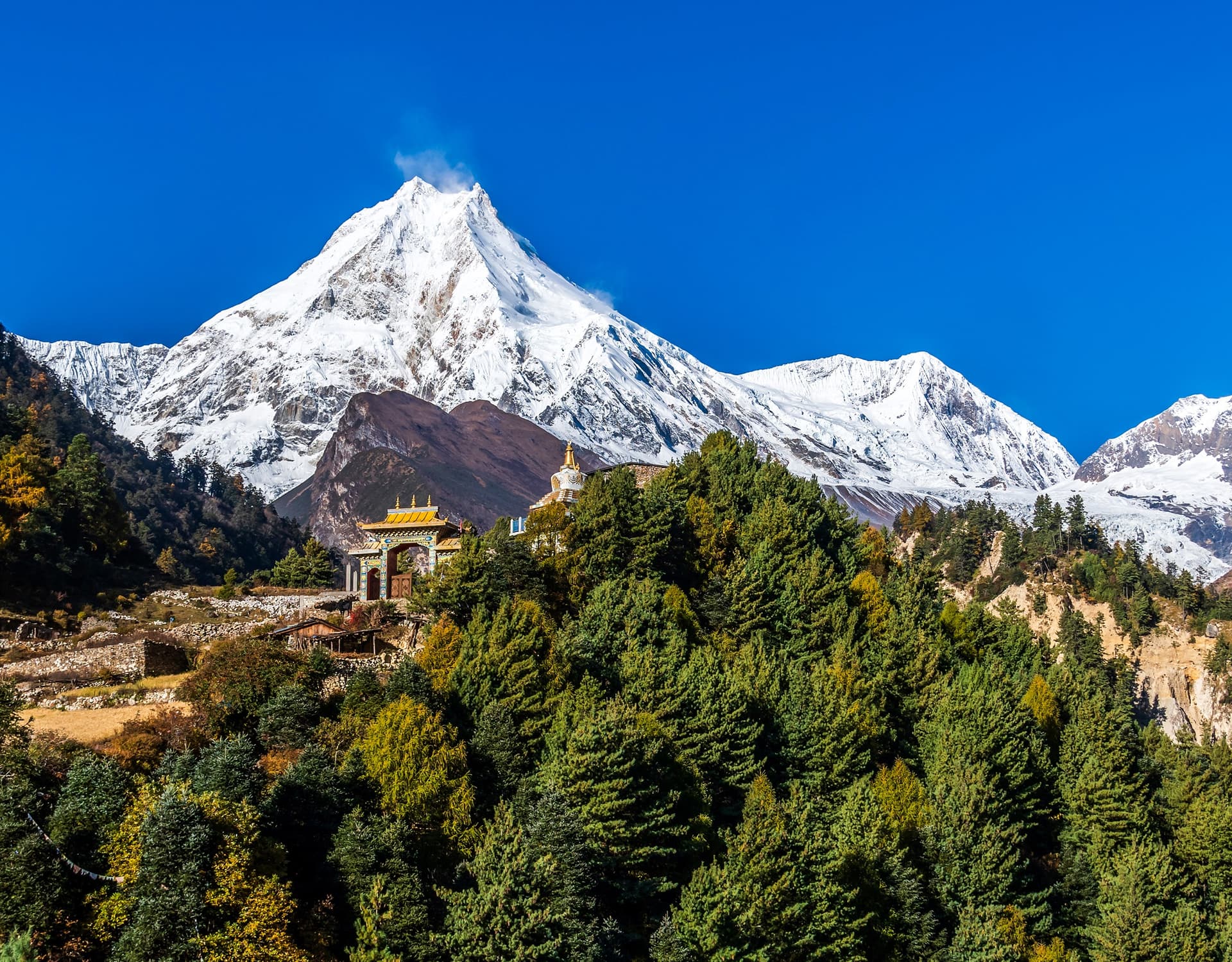
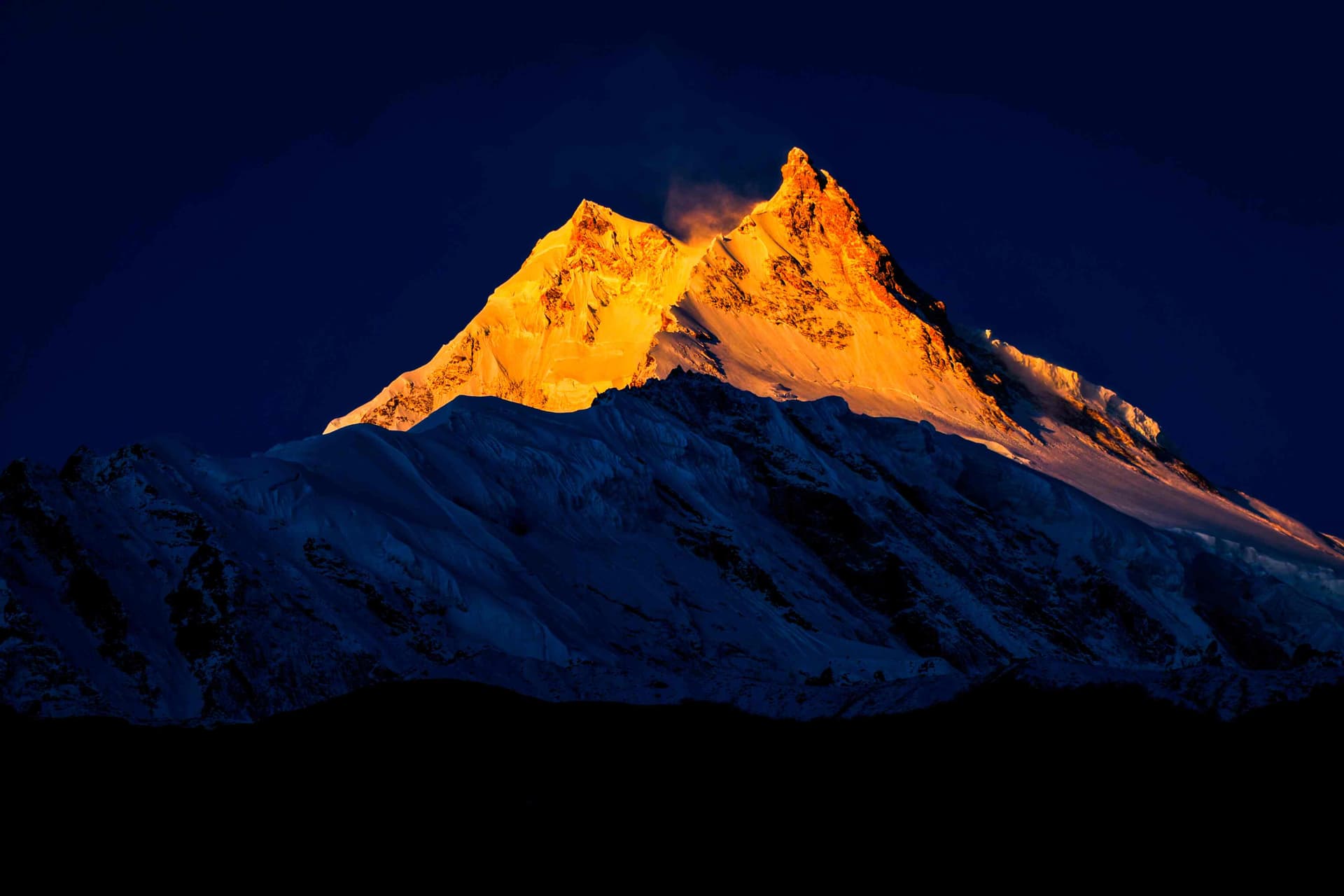
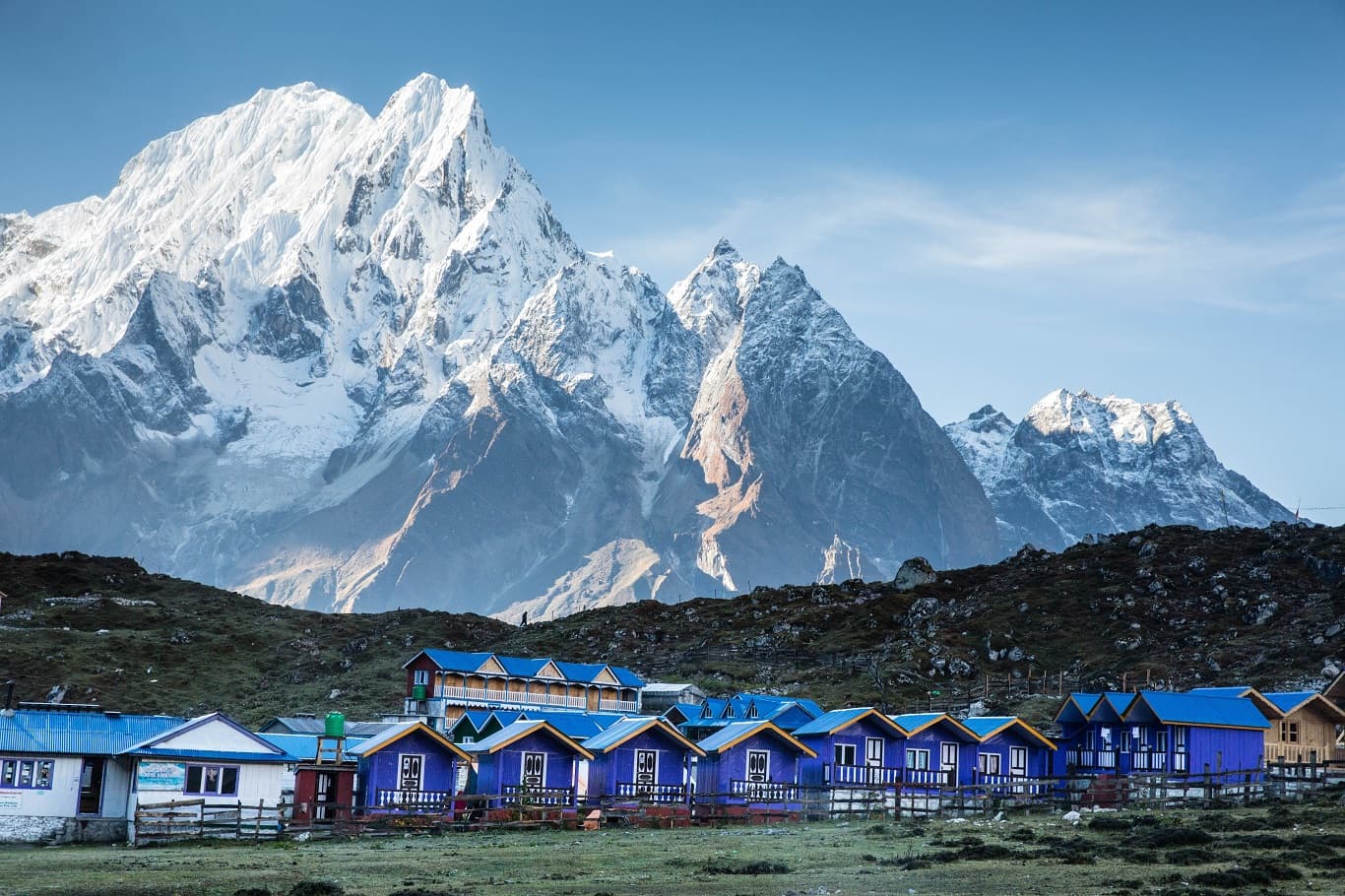
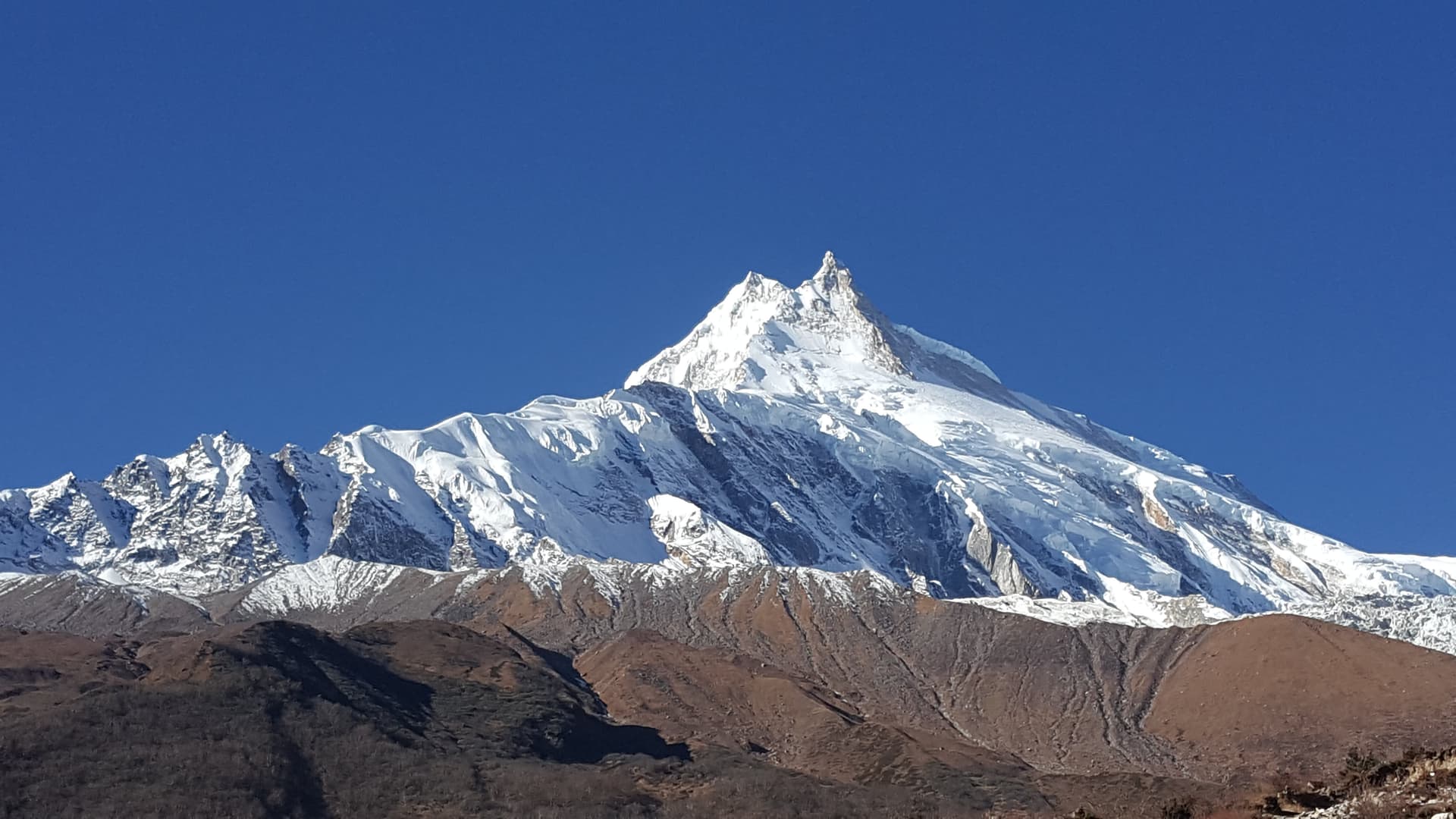
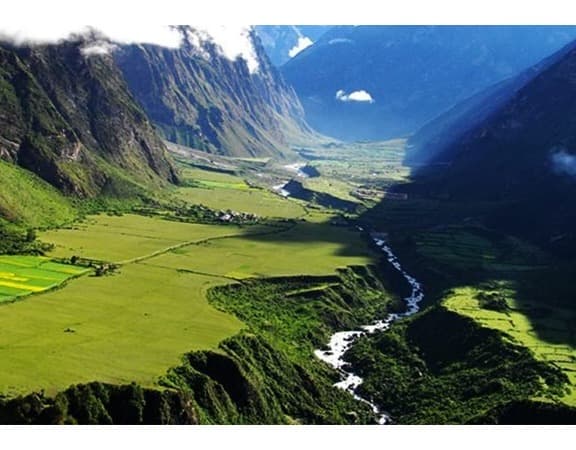
Manaslu Circuit Trek is the most beautiful trek in northwest Nepal. The team of Himalaya’s Manaslu Circuit Trekking takes you on the trek route that offers you enchanting mountain views, lush subtropical forests, mountain deserts, traditional villages, and an exciting Larke Pass crossing at 5,213m, which will lead you to the foot of Mt. Manaslu, which is the 8th highest mountain in the world at 8,163m. Larke Pass, the highest point on the trek route, is famous for its most spectacular pass crossing in the Himalayas. Manaslu Circuit Trekking opened to trekkers only in 1992. Manaslu is quite different from other trekking hotspots such as Everest and Annapurna. Even today, there are not many visitors in this region, and it offers adventurous trekkers unexplored paths.
DestinationNepal
Duration17 days
GradeModerate to Adventurous
ActivitiesTrekking
AccommodationTea-House and Lodge
Max. Elevation5200m.
Group SizeMin. 2 Pax
Vehicleprivate vehicles
MealsBreakfast, Lunch, and Dinner during The Trek
Overview
Manaslu Circuit Trek is one of the most beautiful treks in northwestern Nepal. Team Himalaya’s Manaslu Circuit Trekking will take you to the rarely trekked region that combines mesmerising mountain views, rich sub-tropical vegetation, mountain deserts, ancient villages, and crossing the enthralling Larke Pass at a height of 5,213m to reach the foothills of Mt. Manaslu, the 8th tallest peak in the world at an elevation of 8,163m. The Larke Pass, the highest elevation point of the trek, is renowned for offering the most dramatic pass-crossing experience in the Himalayas. Manaslu Circuit Trekking was opened to trekkers only in 1992. The Manaslu region stands in stark contrast to popular trekking destinations like the Everest and Annapurna regions. To this day, the region sees very few visitors, offering daring trekkers less-travelled, remote, and virgin trails to explore. A significant portion of the trek involves hiking on a mountain trail and is therefore within the capacity of anyone in good health. However, the trekkers need to understand that trekking at elevations above 3000m is challenging. However, the Manaslu Circuit trek is an ideal choice for individuals who want to explore the wilderness and remoteness of the Himalayas, far from the crowded trekking routes.
The 17-day-long Manaslu circuit trek begins with a 7-hour drive from Kathmandu to Arughat, Gorkha. We will gradually trek northwards through hilly villages, including Soti Khola, Machha Khol, and Jagat, to reach the famous sub-alpine villages of Ghap and Lho. The path follows the ancient salt trading route to Tibet along the banks of the Budi Gandaki River. After trekking for a few more days through Samagaon, Dharamshala, and Samdo, we will cross the Larke Pass. On our return journey, we will trek down the Annapurna Circuit to reach Besi Shahar in Lamjung district, from where we will drive back to Kathmandu.
Trip Highlights
An adventure around the world’s 8th-highest Mt. Manaslu with Larkya-la pass.
A lifetime experience between ice and glaciers of Mt. Manaslu Himalaya.
Mind-blowing views of high mountains, including the world’s 10th highest Annapurna, trekking from the low tropics to
Alpine terrain and Arctic zone country.
Visiting impressive villages with old Tibetan Buddhist culture and traditions.
Into enchanting woodland with views of Annapurna-Manaslu and Ganesh Himal.
During the Manaslu circuit trek, we will be rewarded with stunning views of Mt. Manaslu. Satellite peaks on the Nepal-Tibet border, above elevations of 6,500m and 7,000m, will be visible at very close range. The views of these mountains are even more commendable from the top of the Larkya-la Pass. Another highlight of the trek is travelling through the Manaslu Conservation Area, established to conserve the region as a whole. We may also encounter rare Himalayan species, including the Himalayan Thar, musk deer, snow leopard, and red panda. While trekking, we will have the opportunity to explore and experience the lifestyle and culture of the local Gurung people. Since the region is close to Tibet, the people here still practice a very rare form of Tibetan Buddhism. It will be an interesting revelation to see how these settlements have endured and flourished under such trying conditions.
Team Himalaya’s Manaslu Circuit Trekking itinerary has been carefully crafted to ensure sufficient time and opportunities for exploration and acclimatisation. Our team of experienced guides will lead you on an unforgettable journey to the base of Mt. Manaslu and cross the enthralling Larkya La pass for an adventure of a lifetime.
Itinerary of Manaslu Circuit Trekking - 17 days
Upon your arrival, you will be greeted by our friendly TH staff who will provide a complimentary transfer to your hotel located in the vibrant Thamel area of Kathmandu. Thamel is a captivating place known for its bustling markets, where you can enjoy shopping for unique items and indulge in delicious meals at one of the many renowned restaurants, pubs, and bakeries. Our experienced team member from Team Himalaya will also brief you on the exciting trek around the world's eighth-highest peak, Mt. Manaslu, and the breathtaking Larkya La Pass. After a fulfilling day, you can relax and unwind at your hotel, which offers comfortable accommodations and a scrumptious breakfast to start your day off right.
Max. Elevation:1300 M
After enjoying a delicious breakfast at your hotel, take the morning to explore the fascinating Kathmandu Valley. Immerse yourself in the rich culture and history of this enchanting city by visiting its iconic landmarks and soaking up its vibrant atmosphere.
Major attractions to be visited will include Kathmandu Durbar Square (a historic and culturally rich UNESCO World Heritage Site in the heart of Kathmandu, Nepal, showcasing ancient palaces, temples, and intricate architecture reflecting the city's royal past).Soyambhunath(Swayambhunath, also known as the Monkey Temple, is an ancient and sacred Buddhist stupa perched atop a hill in Kathmandu, Nepal, offering panoramic views of the city and a serene atmosphere for spiritual reflection.), Pashupatinath(Pashupatinath is a revered Hindu temple complex in Kathmandu, Nepal, dedicated to Lord Shiva, and it is a significant pilgrimage site known for its rich religious and cultural heritage.), and Boudhanath (Boudhanath is one of the largest and most iconic stupas in Nepal, a UNESCO World Heritage Site, and an important center of Tibetan Buddhism, attracting visitors from all over the world.). Don't miss the opportunity to indulge in some shopping, pick up souvenirs, and trekking essentials for your upcoming Manaslu Circuit Trek. We will be using this time to make any necessary preparations and ensure you have everything you need for a memorable adventure.
Max. Elevation:1300 M
Embark on an early-morning, captivating journey as you leave the enchanting Kathmandu Valley behind. The scenic drive takes you along the bustling Prithvi Highway, offering breathtaking views along the way. As you continue, you'll pass through the charming town of Malekhu, nestled near the Trisuli River. We eventually arrive at Khanigaon, a quaint farm village. After a few hours of walking, we reached a bridge over Machha Khola. Crossing the suspension bridge, we embark on a short ascent to our overnight stop at Machha Khola village. This small settlement is named after the Fish River, which offers a serene spot for catching smaller fish. This less-crowded destination offers a peaceful atmosphere, allowing trekkers to connect intimately with nature while experiencing the genuine hospitality of the locals, making it a delightful and memorable part of the trek.
Max. Elevation:930 M
Duration:6 Hours
Distance:72.8 KM
After departing from Macha Khola, our morning trek takes us along the scenic Budi Gandaki River as we venture upstream. Along the way, we pass through the charming village of Khorla Beshi before continuing on a gentle and meandering path. Eventually, we arrive at a tranquil spot known as Tatopani, where a natural hot spring awaits amidst lush, forested surroundings. Here, we can take a well-deserved break and soak in the rejuvenating waters. Continuing our journey, we pass through the villages of Dovan and Yaruphant, following the Budi Gandaki River. We then cross a short suspension bridge to our overnight stop in Jagat village. Jagat, a charming town located on the Manaslu Circuit Trek in Nepal, boasts several delightful features that make it a memorable highlight of the journey. This village offers a pleasant stay, with a reasonable size and amenities such as shops, small guest houses, and lodges.
Max. Elevation:1410 M
Duration:6 Hours
Distance:22 km
After a pleasant overnight stay in Jagat village, start your morning with a refreshing walk along the river. As you continue your journey, you'll pass through a series of charming farm villages, each offering a glimpse into the local way of life. One such village is Sidibas Bazaar, a quaint settlement with a few shops and stores. From here, the trail leads you on a short climb followed by a descent, bringing you to a small suspension bridge known as Nagjet. Cross this bridge to reach another delightful farm village called Philim. This village holds special significance as it has a primary school supported by the people of Japan, who have a strong affinity for this region due to the first Japanese ascent of Mt. Manaslu. From Philim, continue your walk through picturesque golden fields and terraced wheat and barley fields. As you ascend a rocky ridge and make your way through enchanting bamboo forests, you'll embark on a one-hour climb that will lead you to your overnight stop in the charming village of Deng. Before continuing their journey across the untamed and spectacular landscapes of the Manaslu region, trekkers can recuperate and take a breather in the town of Deng. Terraced farms, lush forests, and majestic mountains, including glimpses of Mt. Manaslu, all contribute to an unforgettable and picturesque environment. Deng is a charming jewel on the Manaslu Circuit Trek, offering a unique combination of cultural immersion, scenic splendor, and the sincere friendliness of the locals.
Max. Elevation:1800 M
Duration:6 Hours
Distance:20 KM
As you continue your trek, you'll start to notice the captivating influence of Tibetan culture and way of life. Leaving Deng, you'll embark on a gentle downhill descent before following the riverbank and crossing a roaring river. This will lead you to the charming settlement of Bihi Bazaar, where you'll find small shops and tea stalls. Beyond this delightful farm village, you'll find yourself nearing the Tibetan frontier area.
Enjoy a pleasant few hours of walking before reaching your overnight stop at Ghap village. The people of Ghap are renowned for their friendliness and hospitality, welcoming trekkers and sharing their unique cultural traditions. A remarkable and enlightening aspect of the trekking experience is the chance for visitors to engage with the locals and learn about their daily activities and customs. From here onward, you'll be immersed in the rich Tibetan Buddhist culture and religion, which will accompany you to Larkya La and eventually to Dharapani village.
Max. Elevation:2160 M
Duration:4 Hours
Distance:11.5 KM
Start your morning with a delightful walk to the picturesque Budhi Gandaki River. After crossing the river, the path meanders through a series of scattered small farm huts and charming villages, surrounded by terraced fields of millets, wheat, and barley. (Rice is mainly grown in warmer areas below 2,000 meters.) Along the way, you'll pass by the enchanting Numrung village, offering breathtaking views of the majestic North Face of Mt. Manaslu and other snow-capped peaks. As you continue your journey, the beautiful scenery unfolds, taking you through several small villages such as Banjham and Lhi, until you reach the quaint town of Sho. From here, you'll trek for a few more hours, passing through the small settlement of Shrip, before finally arriving at Lho Bazaar. This charming village will serve as your overnight stop, offering a perfect end to the day's walk.
Lho provides trekkers with the ideal location to connect with nature and admire the pure beauty of the Himalayas, surrounded by lush forests, terraced meadows, and snow-capped peaks. Lho is an unforgettable and treasured stop on the Manaslu Circuit Trek, thanks to its unique blend of cultural immersion, breathtaking scenery, and peaceful atmosphere.
Max. Elevation:3180 M
Duration:6 Hours
Distance:16.3 KM
As the sun rises over the majestic Mt. Manaslu, Lho village offers a breathtaking view that will leave you in awe. Take your time to admire the mesmerizing landscapes and towering mountains before embarking on today's walk. This scenic trek will lead you to one of the largest villages in the upper Manaslu area, Samagaon. As you continue on your journey, you'll pass through a dense forest adorned with vibrant rhododendrons, junipers, firs, and pine trees. After a few hours of walking, you'll leave the treeline behind and ascend the uphill slopes, witnessing a dramatic change in vegetation and landscapes as the altitude increases. The path will then take you over the remnants of the Phungen Glacier for a couple more hours, eventually bringing you to your overnight stop in Sama village. Take some time to explore this fascinating Highlander village, where you can enjoy a short walk and immerse yourself in the local culture and way of life.
Surrounded by breathtaking alpine landscapes, glacial rivers, and dense forests, Samagaon is an ideal spot for trekkers to immerse themselves in nature's grandeur. The stunning scenery, spiritual ambiance, and warm hospitality of the locals make Samagaon a cherished and unforgettable destination on the Manaslu Circuit Trek.
Max. Elevation:3553 M
Duration:6 Hours
Distance:10.1 KM
Acclimatization allows the body to gradually adapt to high altitudes, reducing the risk of altitude-related illnesses and improving overall trekking performance. It enhances oxygen uptake, helps prevent altitude sickness, and ensures a safer and more enjoyable trekking experience.
After an exhilarating journey to Larkya-la and higher elevations, it is essential to take a well-deserved rest day to acclimatize. This day allows your body to adjust to the altitude, ensuring a safe and enjoyable trek ahead. Utilize this free day to immerse yourself in the vibrant culture and traditions of this charming village, which is deeply influenced by Tibetan customs. Explore the local attractions, interact with the friendly villagers, and gain a deeper understanding of their unique way of life.
Max. Elevation:3180 M
Duration:4 Hours
Distance:4 KM
After a delightful stay in Samagaon, where you were treated to breathtaking views of the snow-capped peaks and Mt. Manaslu, you'll begin your morning walk along an exposed valley. As you ascend higher, the tree line gradually disappears, leaving behind a landscape adorned with a few rhododendrons and juniper bushes. The trail will take you over the majestic Manaslu Glacier, offering a mesmerizing view of Birendra Lake, also known as Samagaon Lake. This route will lead you to the village of Samdo, situated much closer to the Tibetan border. Along the way, you may encounter traders from Tibet and witness yaks carrying Chinese and Tibetan goods. The journey continues as you follow a stream and eventually cross it, bringing you to Samdo village, where you'll spend the night. It is worth noting that Samdo is the last village before reaching Dharapani, which lies on the other side of Larkya La.
Samdo offers trekkers the opportunity to experience the majestic natural beauty of the Himalayas in all its splendor. Surrounding it are rocky terrain, glacial rivers, and alpine meadows. Samdo is a unique and treasured stop on the Manaslu Circuit Trek, offering a blend of cultural attractions, breathtaking scenery, and high-altitude experiences.
Max. Elevation:3860 M
Duration:5 KM
Distance:7.2 KM
Today, you'll embark on a short walk to the bottom and base of Larkya La pass. As you start your morning walk, you'll follow the glacier-fed icy river and then cross a stream that originates from Gya La. At this point, you'll notice a trail on the right side that leads to the Tibetan border. However, your route will divert onto the path to Larkya Bazaar, also known as Dharamsala, which means guest house in Nepali.
Before the late 1960s, there was a thriving trade between Tibet and Nepal at this location. That is why it is still referred to as Larkya Bazaar today. After passing through Larkya Bazaar, you'll continue on a gentle walk for a few hours until you reach Dharamsala, your overnight stop located at the bottom of Larkya La pass. This will be a perfect opportunity to rest and enjoy a short walk while taking in the magnificent surrounding scenery.
Dharmasala offers trekkers a memorable, exciting experience, surrounded by pristine alpine scenery, stunning glaciers, and towering peaks. It is an important turning point on the Manaslu Circuit Trek, as it prepares hikers for the thrilling, spectacular journey through the magnificent Larkya La Pass.
Max. Elevation:4460 M
Duration:4 Hours
Distance:11.7 KM
Today is a big day! Get an early start and follow the path that leads to a steep uphill climb after leaving Dharmashala. Along the way, you'll come across four frozen ponds before making your way up to the top ridge of Larkya La Pass, which stands at an impressive altitude of 5,200 meters (17,060 feet).
Once you reach the top, prepare to be amazed by the breathtaking views that surround you. Take in the awe-inspiring sights of Mt. Manaslu, Larkya Peak, Himlung Himal, and Ganesh Himal on the eastern horizon. Keep in mind that the high altitude and snowy conditions on the pass may present some obstacles as you traverse the glacier moraines. However, the memorable moments and incredible scenery make it all worthwhile.
Trekkers can see stunning panoramic views of snow-covered mountains, including Mt. Manaslu, the eighth-highest summit in the world, as they cross the pass. The pass is renowned for its rocky, glaciated terrain, which makes the ascent and descent difficult yet breathtakingly beautiful. As Larkya La Pass offers a memorable and adventurous experience on the Manaslu Circuit, trekkers must be well-acclimatized and ready for high-altitude conditions.
After soaking in the beauty of the past, the path will lead you on a long downhill journey. Eventually, you'll reach your overnight stop at Bhimthang, a picturesque green valley adorned with grassy meadows. The valley is lined with majestic coniferous pines and rhododendrons, adding to its natural charm and tranquility. Enjoy the peaceful surroundings and rest up for the next leg of your adventure.
Max. Elevation:5200 M
Duration:6 to 8 Hours
Distance:7 KM
After completing the challenging trek of the previous day, today's journey offers a much more relaxed and enjoyable experience. You'll embark on a gentle and downhill path that winds through enchanting and untouched forests filled with rhododendron, oak, and pine trees. As you stroll along, you'll be treated to breathtaking views of the surrounding landscapes, characterized by rolling hills and majestic snow-capped mountains. After a pleasant walk of approximately five hours, you'll arrive at the small temporary settlement of Gho, where you'll spend the night. Take your time to unwind and appreciate the tranquility of this charming location.
Gho provides a perfect spot for trekkers to rest and rejuvenate before continuing their journey through the breathtaking landscapes of the Manaslu region. The village offers basic teahouses and lodges that provide comfortable accommodations and nourishing meals for tired trekkers.
Max. Elevation:2360 M
Duration:5 Hours
Distance:14 KM
Today, you'll continue your journey on a gradual and pleasant trail toward Dharapani and beyond. As you begin your morning walk, you'll find yourself surrounded by dense forests and summer pasture areas, dotted with a few shepherd's huts and shade. This picturesque walk will lead you to the charming village of Tiliche, located on the banks of the Marsyangdi River, just below Dharapani. After passing through Tiliche, you'll embark on a steep walk for about an hour, crossing a bridge over the roaring Marsyangdi River. This will bring you to Dharapani village, where you'll spend the night in the comfort of a cozy lodge. Dharapani is a popular stop on the Annapurna Circuit trek route to Manang, and as such, it offers a variety of lodges and guesthouses to cater to trekkers' needs.
Dharapani offers trekkers a sense of peace and immersion in the Himalayan landscape, surrounded by breathtaking natural splendor. Dharapani is a remarkable and crucial stop on the Manaslu Circuit Trek, thanks to the warm hospitality of the villagers, who contribute to the welcoming atmosphere.
Max. Elevation:1910 M
Duration:5 Hours
Distance:7.8 KM
After an incredible and memorable time in the breathtaking mountain wilderness, our trekking adventure concludes today at Beshishar, our final overnight stop in the mid-hills. We will pass through the scenic village of Jagat before driving back to Kathmandu.
Our morning walk will take us through several charming villages, including Tal Besi, Tal Karte, and Sattale. After a few hours of pleasant hiking along a winding trail, we will come to a suspension bridge offering superb views of the majestic Annapurna Mountain range to the west. We will then continue through a lovely forest along the banks of the Marshyangdi River, gradually descending to Jagat, where we will spend the night.
Trekkers are welcomed with breathtaking views of the area's scenery, which is characterized by terraced farms, lush vegetation, and the rushing waters of the Budhi Gandaki River, as they make their way toward Jagat. The village itself is a lovely community with traditional stone homes and elaborate sculptures that showcase the region's rich cultural heritage.
Upon reaching Jagat Village, we will embark on an interesting drive along a dirt jeep track, following the Marsyangdi River below and passing by the picturesque Syange Village. From there, our drive will be smooth as we pass through the villages of Ngadi, Bulbule, and Khude, and finally arrive in the bustling town of Beshisahar, where we will spend our last night.
Max. Elevation:1290 M
Duration:5 to 7 Hours
Distance:15 KM
After enjoying our final breakfast in the breathtaking North Mid-West Himalayas, we will embark on an exciting drive along a dirt jeep track road that runs parallel to the Marsyangdi River, passing through the charming village of Syange. From there, we will continue our journey on a smooth drive, passing through the picturesque villages of Ngadi, Bulbule, and Khude, before reaching the bustling town of Beshisahar.
From Beshisahar, we will head east towards Kathmandu on a busy and captivating highway that takes us through a multitude of interesting towns and villages. As we approach the Kathmandu Valley, we will be mesmerized by the beauty of the surrounding landscapes.
Upon reaching Kathmandu, we will transfer you to your hotel. This marks the end of an incredible adventure in the high Himalayas, made even more memorable by the exceptional service provided by Team Himalaya
Max. Elevation:1300 M
Duration:6 Hours
Distance:175 KM
On your last day in Nepal, you will reflect on the incredible, unforgettable experience of trekking around the world's 8th-highest mountain, Mt. Manaslu, under the exceptional guidance of Team Himalaya. As you bid farewell to the majestic Himalayas, you will head to the airport for your flight back home or to your respective destination. Cherish the memories of this remarkable journey and carry them with you as you embark on your next adventure.
Max. Elevation:1300 M
If the provided schedule isn't suitable for you, we can create personalized travel arrangements.
A "standard package" for the Manaslu Circuit Trek is a popular choice for adventurers seeking a challenging trek with a comprehensive set of essential services. The trek typically lasts 12-16 days, and the cost is higher than other treks due to the mandatory restricted area permits.
Book your own private small group trip
**Discounts are determined exclusively by the size of your group. We do not add additional members to your group.
June 2026
Su
Mo
Tu
We
Th
Fr
Sa
31
1
2
3
4
5
6
7
8
9
10
11
12
13
14
15
16
17
18
19
20
21
22
23
24
25
26
27
28
29
30
1
2
3
4
Sold out dates
US $0US $0 per person (based on 1 people)
Cost Includes
All arrival and departure transportation from the airport /hotel /the hotel.
3-night twin-sharing accommodation in Kathmandu at 3-star standard hotels on a bed/ breakfast basis.
Ground transportation from Kathmandu to Soti Khola via Arughat by a comfortable, private four-wheel jeep and from Jagat to Besisahar by private Jeep.
Transportation from Besisahar to Kathmandu by tourist bus.
Full board trek on a lodge basis includes Dinner. on comfortable twin-sharing accommodation during the trip.
Applicable TIMS (Trekking Information Management Systems).
Annapurna Conservation Areas Project (ACAP), Manaslu Conservation Area Project (MCAP), and Special Areas Permits.
Service of an experienced trekking guide and his /her daily medical insurance, meals, accommodation, equipment, salary, and transportation allowance.
Service of a strong and helpful porter, and their daily medical insurance, meals, accommodation, equipment, salary, and transportation allowance.
Welcome dinner in Kathmandu at an authentic Nepalese restaurant with cultural programs.
Down jackets, sleeping bags, duffel bags by Team Himalaya (to be returned after the trek), and comprehensive medical kits.
Trip briefing with full information and reconfirmation of your international air tickets.
Trip achievement appreciation certificate and Team Himalaya complimentary T-shirts.
Fresh fruit is seasonal during the trip.
Manaslu Circuit Trek Map.
Rescue arrangement.
Cost Excludes
Nepal Visa-International airfare-personal travel / medical insurance.
Expenses of a personal nature and meals in Kathmandu, gratuity (tips), hard/soft drinks, including tea-coffee, etc., throughout the trip.
Personal trekking gear and medical kit.
Emergency evacuation by any means of transportation, including Heli services and a personal medical kit.
Early return from the trip due to a personal/medical problem. In this case, clients should bear their expenses on return from the trek and in Kathmandu, including expenses of accompanying guide/porters.
Kathmandu Valley Sightseeing tour with entrance fees, if required.
Route Map
Loading map...
Know Before you Go
Best Time to Visit
The Manaslu Circuit Trek is best undertaken during the spring (March to May) and autumn (September to November) seasons. These periods offer stable weather, clear skies, and spectacular mountain visibility. Spring adds vibrant hues with blooming rhododendrons, while autumn presents crisp air and golden landscapes. Summer (June to August) brings monsoon rains to lower regions, though higher elevations remain relatively dry. Winter (December to February) introduces heavy snow and extreme cold, making crossings like the Larke Pass (5,213 m) challenging. However, for experienced adventurers seeking solitude, winter can provide a serene and rewarding experience. Additional tip: Early mornings are usually the clearest for photography, and trekking during festive periods, such as Dashain (September–October), allows a glimpse of local celebrations in villages along the trail.
Trekking Difficulty
The Manaslu Circuit is classified as moderate to adventurous. Trekkers typically walk 5 to 7 hours daily on uneven, rocky, and often steep trails. The most strenuous section is the Larke Pass, where altitude, cold temperatures, and unpredictable weather make it particularly demanding. Although no technical climbing skills are required, trekkers should be physically fit, have stamina, and be mentally prepared to complete the journey safely and comfortably. Additional tip: Planning shorter walking days before and after the Larke Pass allows better adjustment and reduces fatigue, especially on consecutive steep climbs.
Packing Essentials
A successful trek requires thoughtful packing. Essential items include:
Thermal base layers and moisture-wicking shirts
Warm fleece or down jacket
Trekking trousers and comfortable clothing for evenings
Gloves, a woolen hat, and socks
Sturdy trekking boots (well broken-in) and sandals for relaxation
Sleeping bag rated to –10°C
Trekking poles for support
Sunglasses, sunscreen, and lip balm
Headlamp with spare batteries
First-aid kit and personal medicines
Water purification tablets or portable filters
Two refillable water bottles
Lightweight towel and toiletries
Power bank or solar charger
Energy snacks to keep up stamina
Additional tip: Bringing a small dry bag helps keep electronics and clothing safe from rain or accidental water exposure.
Mandatory Permits
The Manaslu region is a restricted trekking area, and entry requires special permits. Trekkers need a Restricted Area Permit (RAP), the Manaslu Conservation Area Permit (MCAP), and the Annapurna Conservation Area Permit (ACAP), as the trail exits into the Annapurna region. All permits must be arranged through a registered trekking agency, and hiring a licensed guide is compulsory. Independent or solo trekking is not allowed in this region. Additional tip: Permits are checked frequently at checkpoints; keeping copies of all documents and your passport is recommended.
Culture, History, and Monasteries
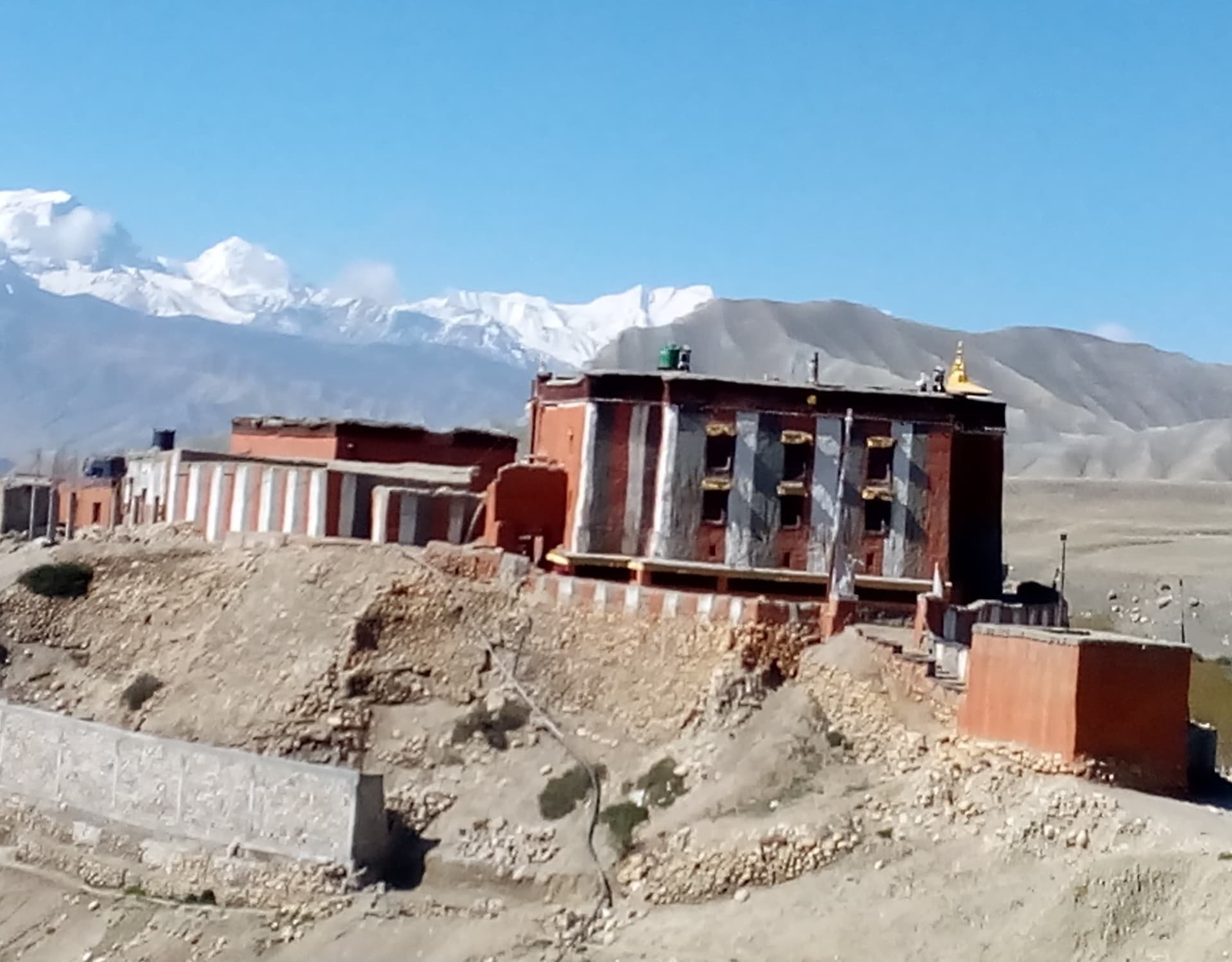
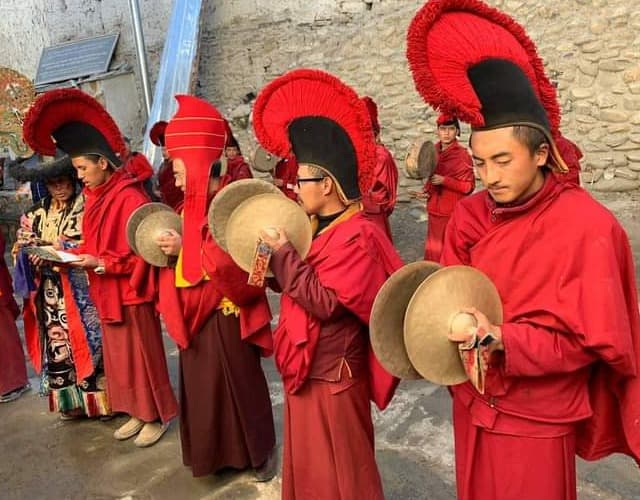
The lower Manaslu valley is primarily inhabited by Gurung communities, while the upper areas are heavily influenced by Tibetan Buddhism. Villages such as Lho, Samagaon, and Samdo showcase centuries-old traditions, including prayer flags, mani walls, and local customs. Significant monasteries include Ribung Gompa in Lho, offering spectacular views of Mt. Manaslu, and Pungyen Gompa near Samagaon, known for its spiritual importance. Trekking here provides not only breathtaking natural scenery but also an authentic cultural experience, allowing visitors to witness Tibetan heritage thriving in this remote region. Additional tip: Participating respectfully in local ceremonies or observing prayer rituals at monasteries offers deeper cultural insight.
Transportation
The trek starts with an overland journey from Kathmandu to Machha Khola, often via Arughat. The drive offers picturesque views of the countryside, terraced hillsides, and glimpses of traditional village life. From Machha Khola, trekkers follow the Budhi Gandaki valley, gradually transitioning from subtropical forests to alpine landscapes. After crossing the high-altitude Larke Pass, the trail enters the Annapurna region and concludes in Besisahar, from where travelers return to Kathmandu by road, completing the circuit. Additional tip: Roads in rural areas can be rough and slow. Travelers should plan extra time and be prepared for early starts to maximize daylight trekking hours.
Acclimatization and Altitude Sickness
Since the trek reaches altitudes above 5,000 meters, proper acclimatization is essential. Rest days in Samagaon and Samdo provide crucial time for the body to adjust before attempting the Larke Pass. Altitude sickness can present as headaches, dizziness, nausea, or fatigue, and should never be ignored. To minimize risk, trekkers should ascend gradually, stay hydrated, avoid alcohol, maintain a steady pace, and consider carrying prescribed medication such as Diamox. Recognizing symptoms early and allowing time to rest can be life-saving. Additional tip: Light exercise and short walks during rest days help the body acclimatize more efficiently.
Electricity and Communication
Electricity is available in most villages, often through solar panels or small hydropower stations, though supply may be unreliable. Teahouses generally charge a small fee, making power banks or solar chargers very useful. Mobile coverage is present in lower areas via Nepal Telecom and Ncell, but signals weaken at higher altitudes. Internet access is limited, slow, or sometimes unavailable, providing trekkers an opportunity to disconnect and fully immerse in the natural and cultural environment. Additional tip: Informing family or friends of trekking plans before departure is advisable, as communication options may be limited in remote stretches.
Drinking Water
Water sources are plentiful along the trail, but are unsafe to drink without treatment. Trekkers can purchase boiled water at teahouses or use purification tablets, portable filters, or devices like Lifestraw. Carrying two refillable bottles or a hydration bladder ensures consistent hydration during long trekking days and helps reduce plastic waste, which is important for preserving the fragile mountain ecosystem. Additional tip: Avoid drinking untreated water from streams, even if it looks clean, as it may contain bacteria or parasites.
Guide and Porter
Hiring a licensed guide is mandatory in the Manaslu region. Guides handle permits, logistics, and safety, while sharing valuable insights about local culture and traditions. Porters are optional but highly recommended for carrying heavy backpacks, allowing trekkers to walk more comfortably and enjoy the journey. Employing guides and porters also benefits the local economy by supporting families who rely on tourism as their primary source of income. Additional tip: Discuss tips and expectations with guides and porters beforehand to ensure smooth teamwork and mutual respect.
Trips Booking & Payment:
Dear Guests and Travelers to Nepal and other Himalayan destinations, please make sure you have understood our Terms and Conditions after carefully reviewing the mutual contract and legal process, as this will help maintain our long-term relationship.
After selecting the trip of your choice from our varied programs and itineraries, the first step in the booking procedure is to fill out our booking form and send it upon completion, with a 20% deposit for entire Nepal Trips and a 40% non-refundable deposit for Tibet & Bhutan trips.
Along with the completed form, you are required to email your passport copy and flight Ticket with all details to us in the Kathmandu office at Team Himalaya ([email protected]).
Upon receiving your passport copy and details, along with your completed booking form and non-refundable deposit, we will send you a final confirmation receipt and acknowledgment.
All deposits are required for selected and chosen trips on a personal basis. We will email you with details about the direct deposit procedure.
As per the booking and Trip money transfer, service charges of the respective banks may apply and should be paid at the time of deposit.
We will email you the details on making payments through your credit card once you have filled out the Booking form.
We accept Visa or MasterCard only, with a 4% processing fee added to credit card transactions. Wire transfers are charged by the Banks as a service.
The Condition for clearing the remaining balance as per the trip booked is as follows:
The remaining due balance for all Nepal Trips should be paid and cleared upon arrival.
The remaining balance for other Himalayan countries, such as Bhutan and Tibet, as well as for all multi-country tours, must be cleared within 35 days of your trip departure date.
Team Himalaya Treks & Expeditions (P) Ltd reserves the right to cancel your trip if the full amount is not paid on time.
In certain circumstances, we will accept your last-minute booking at least a week before the tour departure date for all trips; in this case, full payment is required.
02: How to pay your selected trip deposit:
Credit Card (Visa & Mastercard):
Please call us at 00977-9841824281 to pay over the phone.
Payment:
Please deposit by wire Transfer to Team Himalaya (P) Ltd and post it to the address below:
Company Address: Team Himalaya (P) Ltd
Bank Transfer:
Bank Address: Himalayan Bank Limited.
Bank address: Tridevi Marg, Thamel, Kathmandu
Account No:01908416120019.
Account Type: Foreign Currency (USD)
Bank SWIFT code: HIMANPKA.
03: Refund & Cancellation:
The company will not issue a refund for the 20% deposit amount in the event of cancellation of your trip for any reason.
After paying the full amount for any selected trip, you are entitled to a refund if you cancel your trip by notifying us as soon as possible, provided the charge is reasonable under the company's rules and regulations.
Still, the cancellation charge is invoiced to you. Written notification of your cancellation should be made to cancel any trip. Nevertheless, you have imposed a cancellation charge as advised below:-
60 days or more deposit retained 45 – 50 days before departure 50% 30 – 40 days before departure, 75% 20 days before departure, 100%
04: Extra Supplement Charge:
Team Himalaya Treks & Expeditions (P) Ltd tour/trek packages, rooms, or tents are provided on a twin-sharing basis. Thus, a single-room supplement will be charged for clients who do not have another tour participant to share a room/tent with. It also applies to clients who need a single supplement in hotel or lodge tents/rooms.
05: Early return from any Tours or Treks:
No refunds will be issued to clients who return early from our trips for personal, domestic/medical, or other personal reasons, regardless of any portions of the itinerary that remain unused.
06: Amendment in Trip Cost:
Team Himalaya Treks & Expeditions (P) Ltd. reserves the right to revise or change the trip costing rate posted on our website, under any circumstances, or on the pressure of various external factors beyond our control, for instance, changes in exchange rate, government action, etc. inflation, however assuring that we will put our effort as much possible to keep the present cost rate as it is.
07: Unforeseen Circumstances:
If the company has to cancel the trip due to unforeseen circumstances such as natural disasters, political conflict, unfavorable weather, or road closures, we will refer you to an alternative trip of a similar type and standard.
Even if this doesn’t suit your preferences and interests, all trip prices you pay to our company will be refunded, with an administration and trip arrangement charge of 15-20%, depending on the trip chosen.
Please note that any other expenses incurred by you as a result of this booking are entirely your responsibility.
08: Travel / Medical Insurance:
We strongly recommend that all booking Clients acquire Travel and Medical Insurance as a compulsory requirement for all our tours, trekking, and climbing trips. It should include adequate protection for tour/trekking/climbing/rafting or any other adventure sports, covering personal injury, death, medical expenses, and repatriation/emergency evacuation expenses by any means of transportation, such as helicopter rescue or air ambulance, as well as adequate baggage cover.
09: Health & Fitness:
All our Treks and Tours require sound health and a level of fitness before signing a booking with us. Clients should always check with their local Doctor or Physician regarding their health and fitness before the trip departs for Himalayan destinations.
It’s solely the client’s responsibility to inform Team Himalaya Treks & Expeditions of any pre-existing medical condition or disability that might reasonably be expected to increase the risk of your required medical attention, which may affect your capability to travel on the trips booked with us.
Children and Elderly people:
An authorized guardian by the parents must accompany all travelers under the age of sixteen.
A person of more than 70 years of age, although in good health, still needs a partner, family member, or friend to accompany he/she.
If you have any queries regarding age and suitability, please contact us for further information.
10: Nepal / Tibet Visas & Passport Conditions:
All clients must have a valid passport with at least six months of validity from the return date of travel.
Nepal visas can be obtained from the Nepal Consulate or Embassy in your country or upon arrival at Kathmandu Tribhuvan International Airport. The costs of Nepalese visas are the sole responsibility of clients. All clients must have a valid passport with at least 6 months of validity from the return date. As you are unable to obtain visas to Tibet, you need to send your passport details to Team Himalaya Treks & Expeditions for visa applications to travel in Tibet. We require this information at least three weeks before departure.
11: Risk and Liabilities:
Team Himalaya's main concern is your safety and satisfaction, as well as our staff's welfare. We carry out all our assignments sincerely & honestly to ensure your holiday is hassle-free and free of problems.
Nevertheless, unless otherwise stated, the trip may be changed due to unforeseen or inherent circumstances, such as landslides, roadblocks, floods, heavy snow, political unrest, flight cancellations, delayed arrivals, sickness, or accidents. Any extra cost incurred there is your responsibility and should be borne on the spot.
Flight Delay/Cancellation:
Possibility of domestic flight delay or postponement due to bad weather in the Himalayan regions, which sometimes happens, in particular around the Everest region, Lukla, Phaplu, Annapurna / Mustang / Manang region, Humde, Jomsom, and on the Far West Dolpa, Simikot, and Jumla region, and on the Far East sector, Tumlingtar, and Taplejung area.
Trekking in remote areas, or as described above, especially during the off-season, you are strongly advised to reserve extra days to account for delays and avoid frustrating consequences.
In case of flight cancellation, pre-tour/post-tour, you need to bear the accommodation and food costs yourself.
12: Our Responsible Adventure Policy:
Our entire tour/trekking guide representing Team Himalaya Treks & Expeditions deserves all authority during tours, trekking/rafting, and climbs.
Team Himalaya Treks & Expeditions will ensure to make every effort comfortable and satisfactory in all our trips, but one must understand that Himalayan or Third World and Developing Countries like Nepal cannot afford much of Western and highly timed facilities sometimes depending upon the area of travel, however, we will try our best to make your travel enjoyable with memorable time while with us.
Weather is another factor that directly affects some trips; hence, patience, enthusiasm, and proper preparation before heading out are a must.
Your personal belongings:
On any account, we’re not responsible for any loss or damage to your baggage/luggage or property, even when it is shouldered by our porters, ponies, or vehicles. Our trip escorts and guides will provide the necessary safety precautions to ensure this does not occur while we are together.
Papers & Documents:
All necessary papers and documents should be presented in sequence, for example, to issue visas, necessary permits, etc. We’re not accountable if any trip formalities aren't completed in time before the trip departs due to the absence of essential papers and documents.
We had a very successful EBC trek in October 2024 because of Team Himalaya! Our guide, Raj, was very knowledgeable in all things Everest. He set us up in the best lodges where we had great service all along. He provided us with a superb porter, who also went above and beyond in taking care of us. Raj was very patient with us and was always looking out for our best interests. We would highly recommend Team Himalaya for any trek!
AAlec S1st Apr, 2024
Everest Base Camp Team Himalaya March 2024
We have just returned from a 14 day, 11 day hike with Raj and Durga from Team Himalaya to Everest Base Camp. From the minute we landed to our departure we were properly looked after and cared for by Team Himalaya. The trek to and from Everest Base Camp was wonderful, our guides and porters really looked after us and were incredibly knowledgeable. In Nepal things can go wrong especially with flights to and from Lukla but Team responded magnificently and found alternative solutions. If this is on your bucket list as ours and you are looking for a company to organise this with I would 100% recommend Raj.
JJourney379926937861st Apr, 2024
Reaching Everest Base Camp with TEAM HIMALAYA
If you are looking for an adventure of a lifetime, don’t hesitate! Choose TEAM HIMALAYA for your Everest Base Camp trek! We completed the EBC trek early November 2023 . My husband and I chose to do a private trek with Team Himalaya. Everything went smoothly with our guide Raj. His team and organization is outstanding! We could not have done it without him. Raj took care of everything throughout the trek and made sure we were well at all times, even providing us fresh fruits every night after dinner! We felt safe at all times , his experience and knowledge of the Himalayas helped us achieve our goal in reaching the EBC! His professionalism went beyond our expectations from our first contact with him for information until the very end. We will forever remember this expedition and gained a friend in our guide Raj!
eevanhH6577DL13th May, 2023
Incredible Experience by evan
It was an incredible experience being surrounded by the towering Annapurna Himalayas. This memorable trek through Nepal offered the best scenic views and stunning landscapes. Despite being surprised at how quickly the trek ended, the daily walks were filled with dramatic views that left a lasting impression.
I highly recommend this adventure, as it is one of the best base camp treks in the Himalayas with minimal risk of altitude sickness. Although there were steep ups and downs that were tiring on some days, the breathtaking views made it all worth it. This was easily the most exciting trek I have ever experienced.
I want to thank Team Himalayas and Raj for providing exceptional service with their expert guide and staff.
Frequently Asked Questions About the Manaslu Circuit Trekking
What is the best time to trek the Manaslu Circuit?
The ideal times are spring (March–May) and autumn (September–November), when clear skies and stable weather prevail. Spring has rhododendron blooms, while autumn offers crisp air and golden landscapes. These seasons also reduce the risk of heavy rainfall or snow.
How difficult is the Manaslu Circuit Trek?
It is moderate to adventurous, with 5–7 hours of walking on uneven, rocky trails daily. Larke Pass (5,213 m) is the most challenging section. Good fitness, stamina, and mental readiness are required.
Do I need a guide or permits for this trek?
Yes, a licensed guide is mandatory. Trekkers must have the Restricted Area Permit (RAP), Manaslu Conservation Area Permit (MCAP), and Annapurna Conservation Area Permit (ACAP). Solo trekking is not allowed, and guides handle logistics and safety.
Is technical Trek experience required?
No technical skills are needed, but trekkers must be fit and prepared for high-altitude walking. Steep climbs and variable weather require endurance and caution.
Is the Manaslu Circuit Trek crowded?
The Manaslu Circuit is less crowded than the Everest or Annapurna treks. Fewer tourists mean a quieter, more remote experience, offering better opportunities to enjoy nature and local culture.
What type of accommodation is available on the trail?
Accommodation is mainly provided by teahouses, offering simple rooms and hot meals. Larger villages offer slightly better facilities. Teahouses also give a chance to interact with locals.
How should I prepare for altitude sickness?
Rest days in Samagaon and Samdo help acclimatisation. Ascend gradually, stay hydrated, avoid alcohol, and carry prescribed medication like Diamox. Always listen to your body.
What type of food is available on the trek?
Teahouses serve Nepali and Tibetan dishes, including dal bhat, momos, thukpa, and various types of noodles. Meals are simple but nutritious, and vegetarian options are usually available. Trying local dishes adds to the cultural experience.
How do I get to the trek's starting point?
The trek, accompanied by a drive from Kathmandu to Machha Khola, typically follows the route via Arughat. The route passes scenic villages and terraced landscapes. Early departure helps maximise daylight trekking.
Can I trek independently without a guide?
No, independent trekking is not allowed. A licensed guide is required for safety, permits, and navigation. Guides also provide cultural insights and support during emergencies.
What is the Larke Pass like?
Larke Pass (5,213 m) is the highest and most challenging point of the trek. The climb is steep, cold, and often windy, with panoramic views of the surrounding peaks. Proper acclimatisation and careful pacing are essential.
How reliable is the electricity and mobile network along the trail?
Electricity is mostly generated from solar or hydroelectric sources, but it can be inconsistent. Mobile coverage exists in lower areas but fades at higher altitudes. The Internet is limited, so carry a power bank.
Is drinking water safe along the trail?
Stream water is unsafe. Drink boiled water from teahouses or use purification tablets or filters. Carry at least two refillable bottles to stay hydrated.
Should I hire a porter?
Yes, Porters are optional but recommended for carrying heavy backpacks. They reduce physical strain, allowing you to enjoy the trek. Hiring porters also supports the local economy.
How many days does the trek take?
The trek typically lasts 14 to 17 days, depending on the pace, acclimatisation, and weather conditions. Extra days provide flexibility and safety at high altitudes. General Faqs