Introduction to Everest Base Camp Trek with kathmandu valley sightseeing
The EBC Trek is an adventure, one that is sure to inspire and shock you. The trek offers an incredible experience and takes you to the base camp of the world's highest peak, Mount Everest.EBC Trek will give you a chance to challenge yourself and discover the beauty of nature. This tour will definitely be unforgettable for you, as it offers the opportunity to enjoy the majestic beauty of the Himalayas and admire the unyielding spirit of humanity. After completing our trip to base camp, we will head down to Lukla to enjoy the beautiful views and the memories associated with Everest Base Camp. After a few minutes of flight, we will land in Kathmandu and immediately start our sightseeing tour with team Himalaya the next day.
DestinationNepal
Duration15 days
GradeModerate to Adventurous
ActivitiesTrekking
AccommodationTea-House and Lodge
Max. Elevation5555m.
Group SizeMin. 1 Pax
Vehicleprivate vehicles
MealsBreakfast, Lunch, and Dinner during The Trek
Overview
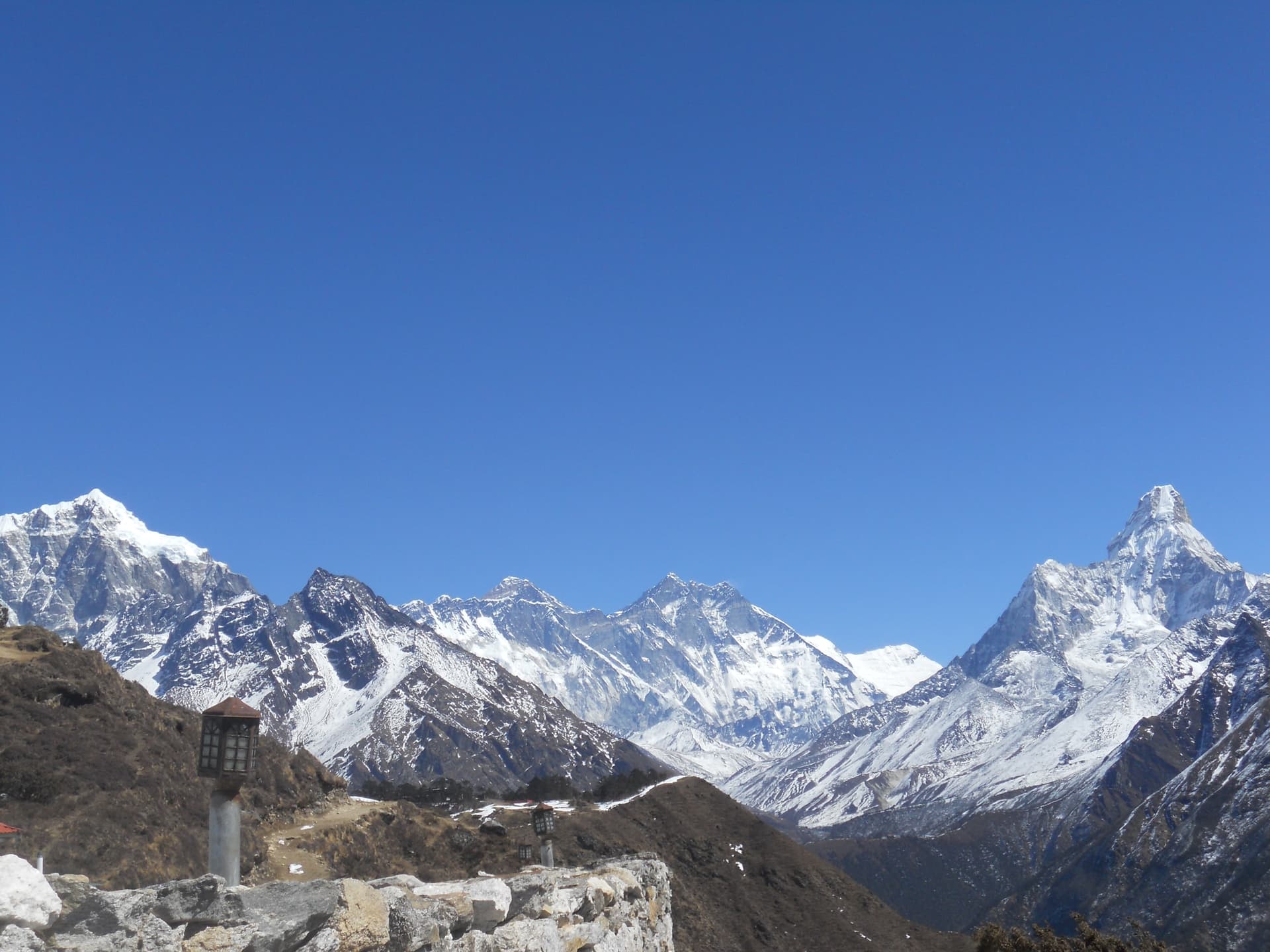
A captivating flight from Kathmandu to Lukla, a little village tucked deep in the Khumbu region, marks the beginning of the journey. From there, you embark on a walk with amazing views of majestic snow-capped peaks like Ama Dablam, Lhotse, and Nuptse as it passes through attractive Sherpa towns, lush forests, and suspension bridges.
Every step brings you closer to Namche Bazaar, the vibrant trading hub of the Everest region. Here, you'll immerse yourself in the Sherpa culture, explore local markets, and connect with fellow trekkers from all corners of the world.
Trip Highlights:
Trekking to the world’s highest, Mt. Everest Base Camp
Amazing scenery of an awesome panorama throughout the trek
Visiting traditional villages enriched with old culture and religion
Home of the highlanders, the Sherpa of Nepal Himalaya
Into the tranquil woodland of beautiful rhododendrons, pines, and birch trees.
Continuing your ascent, you'll reach Tengboche, a place of spiritual serenity and home to the renowned Tengboche Monastery. The monastery not only offers a peaceful retreat but also rewards you with mesmerising panoramas of Everest and its neighbouring peaks. As you journey deeper into the Khumbu region, you'll traverse scenic valleys, cross towering suspension bridges, and witness the raw beauty of the Himalayas. Each step becomes a testament to your determination and resilience.
Finally, the moment arrives when you stand at the Everest Base Camp, a place that embodies the triumph of the human spirit. Surrounded by towering peaks, you'll feel a profound sense of awe and accomplishment.
EBC Trek is a transformative experience that pushes your limits and immerses you in the grandeur of nature. It's an adventure that will be etched in your memory forever, leaving you with a deep appreciation for the magnificence of the Himalayas and the indomitable human spirit. After a successful journey to the base camp, we will descend to Lukla, taking in the views and the memories of Everest, and then take a short flight back to Kathmandu. As soon as you arrive in the capital, you will proceed on the sightseeing trip with the team Himalaya on the next day and finally finish your mesmerising journey.
Itinerary of Everest Base Camp Trek with kathmandu valley sightseeing - 15 days
After you arrive at the airport, a member of Team Himalaya will be there to welcome you and bring you to Thamel, the most enthralling area of Kathmandu. When you have the chance to freshen up, you may have lunch at one of the many prestigious cafes in Thamel. While drifting through the alleyways of Thamel, you can also purchase gear for your trek and handicrafts for your way back home on this first day. After a brief stroll through Thamel's streets and upon reaching the hotel, our guide will give you an overview of the trip and other important details.
Max. Elevation:1350 M
Early in the morning, you'll check out of the hotel and head to the airport. You will be astounded by the spectacular mountain vista when you take the domestic flight to Lukla. As you take in the breathtaking beauty of the Himalayas, the 35-minute trip will seem like just a few seconds. You can have some rest and have breakfast as soon as you get to the airport in Lukla. Once you are fully charged, we will slowly walk through Lukla's shops and markets before heading downwards on gradually curved routes that pass through towns. The overnight halt is in Phakding, adjacent to the Dudh Kosi River, where you'll find Buddhist prayer structures and landscapes of the snow-capped peaks of Kusum Kanguru and Kwangde.
Note: Nepal civil aviation will not allow giving flights from KTM-LUA-KTM, the flight takes off from Ramechap to Lukla and Lukla to Ramechap, an air ticket, and airport transfer.
Max. Elevation:2846 M
Duration:30 to 40 Min
Distance:138 KM
The second day begins with an early-morning quickie walk that mainly follows the Dud Koshi River. You will reach Monjo Village, a scenic location with hotels that have been receiving tourists for a while, by crossing the Dudh Koshi River on the Suspension Bridge. The view of the Thamserku Peak and the Khumbu-la Mountains is genuinely breathtaking. Sagarmatha National Park's main entrance is located in Monjo. After getting the necessary authorizations and paying the accompanying fees, you can make a stop at the park entrance before heading to Jorsalle village for lunch. This is the only village for the next two to three hours, all the way to Namche. From here, you can hike alongside the river for a while before ascending through a tall alpine forest full of rhododendrons and pine trees next to the stunning Himalayas (Kwangde and Kusum Kanguru). If the weather is clear, you might even have the chance to see Mount Everest and Mount Lhotse. You will soon be guided to Namche Bazar by the sight of Everest. Namche Bazar, the Khumbu region's sherpa capital.
Max. Elevation:3440 M
Duration:5 Hours
Distance:10.5 KM
A day of rest is necessary for every trekker, as we are at such an altitude, and acute mountain sickness (AMS) can be a significant issue if acclimatization isn't planned for in the trekking itinerary. Such adventures require extra caution, like drinking plenty of water and avoiding drinking alcohol entirely, as it will dehydrate you in a great way.
This day ought to be spent sightseeing and exploring the markets alongside acclimatization. You may walk through the 3,880-meter-tall Everest View Hotel, widely known as the highest hotel in the world. From here, you can get a close-up view of Everest, Lhotse, Twache, Tarmasarku, Kwangda, and AmaAblam if you hike for a few hours to the top of the village. Another destination you can visit while adjusting to altitude is Namche's museum, which is filled with information about the Khumbu region. As dusk falls, you may see your fellow hikers exploring the shops, and you may have a chat with them as well.
Max. Elevation:3880 M
Duration:4 Hours
Distance:5.4 KM
When you wake up in Namche Bazar, you quickly ascend beyond Namche and trek for half a day beside a stunning vista of the Himalayas. When you descend to Phungi-tenga for lunch, you are met by a vast landscape of alpine woodland and the Imja Tse river. We will travel for a few hours uphill through lovely dotted trees with rhododendrons and pines, along with the enormous view of the various peaks, as we arrive at Tengboche Monastery for the night. The spot likewise offers an incredible panorama of numerous peaks, but as the afternoon draws nearer, lamas and monks began to chant prayers in the nearby gumba, drawing everyone's attention there. We can participate in their prayers with them and stand next to them before the main hall's statue of Sakyamuni Buddha and the thanka paintings that cover the walls and ceilings. If we select, we may additionally visit the nearby little museum.
Max. Elevation:3867 M
Duration:5 Hours
Distance:9.6 KM
After a great night at Tengboche, the morning will again lead us to a descent through a lovely forest and a bridge over the Imja Tse River. We must ascend for a while before descending to get to Pangboche village, the final permanent community along the EBC route. We will once more ascend for a bit to the Shomare village for dinner, as this spot is highly known on the EBC route for its lunch. As we refuel, we gradually climb through the vast landscapes and rivers until we reach Dingboche, where we will spend the night. We will spend the night beneath the spectacular Ama Dablam North Face, majestic Mt. Lhotse, and the island peak in the east.
Max. Elevation:4410 M
Duration:5 Hours
Distance:9.1 KM
The second day of acclimatization for the trek is scheduled for day 7. Today, in addition to getting some rest, you'll also get to take advantage of Dingboche's natural beauty. You may hike a short distance to a viewpoint from here that overlooks the vast Imja Tse valley or Nagarjuna hill, as well as the neighboring Himalayan backdrop of the fifth-tallest peak in the world, Mt. Makalu, in the east. You retire to the hotel after this brief hike to get some rest and prep for the next day. Even if you do not want to leave Dingboche, you will have a good night's sleep
Max. Elevation:5000 M
Duration:5 Hours
Distance:5 Km
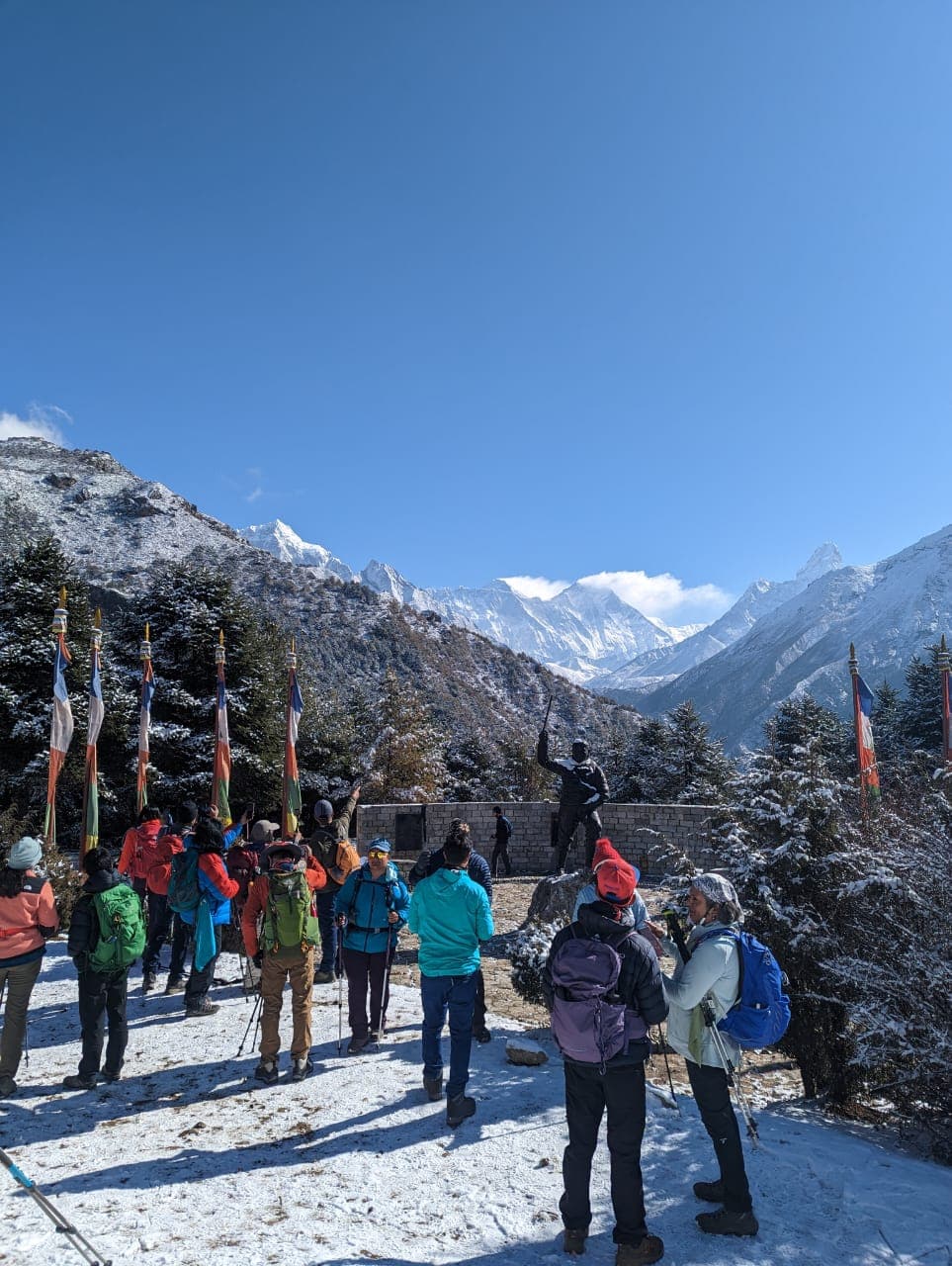
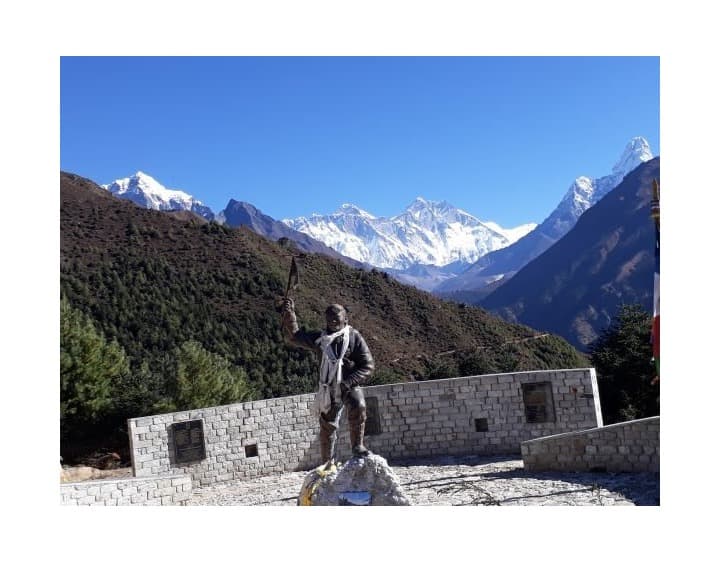
We start our stroll as soon as we get out of bed, next to the prayer flags and gumbas, next to Imja Tse Valley, Ama Dablam, Island Peak, and Mt. Makalu. Mt. Cholatse also seems to be approaching from this direction. We'll guide you to a small eatery in Thukla as we go on from here for lunch. We can see the Khumbu glacier melting into the neighboring river where the Gokyo via Tshola and Pheriche trails converge. We must ascend for an hour to reach the summit of Thukla Pass after recharging with some delectable regional cuisine. The mountaineers who lost their lives are honored here by numerous monuments. As we pass for an hour from the mountaineers' grave, we will go to Lobuche to spend the night. The Lobuche Peaks will serve as our sleeping environment tonight.
Max. Elevation:4930 M
Duration:5 Hours
Distance:8.5 KM
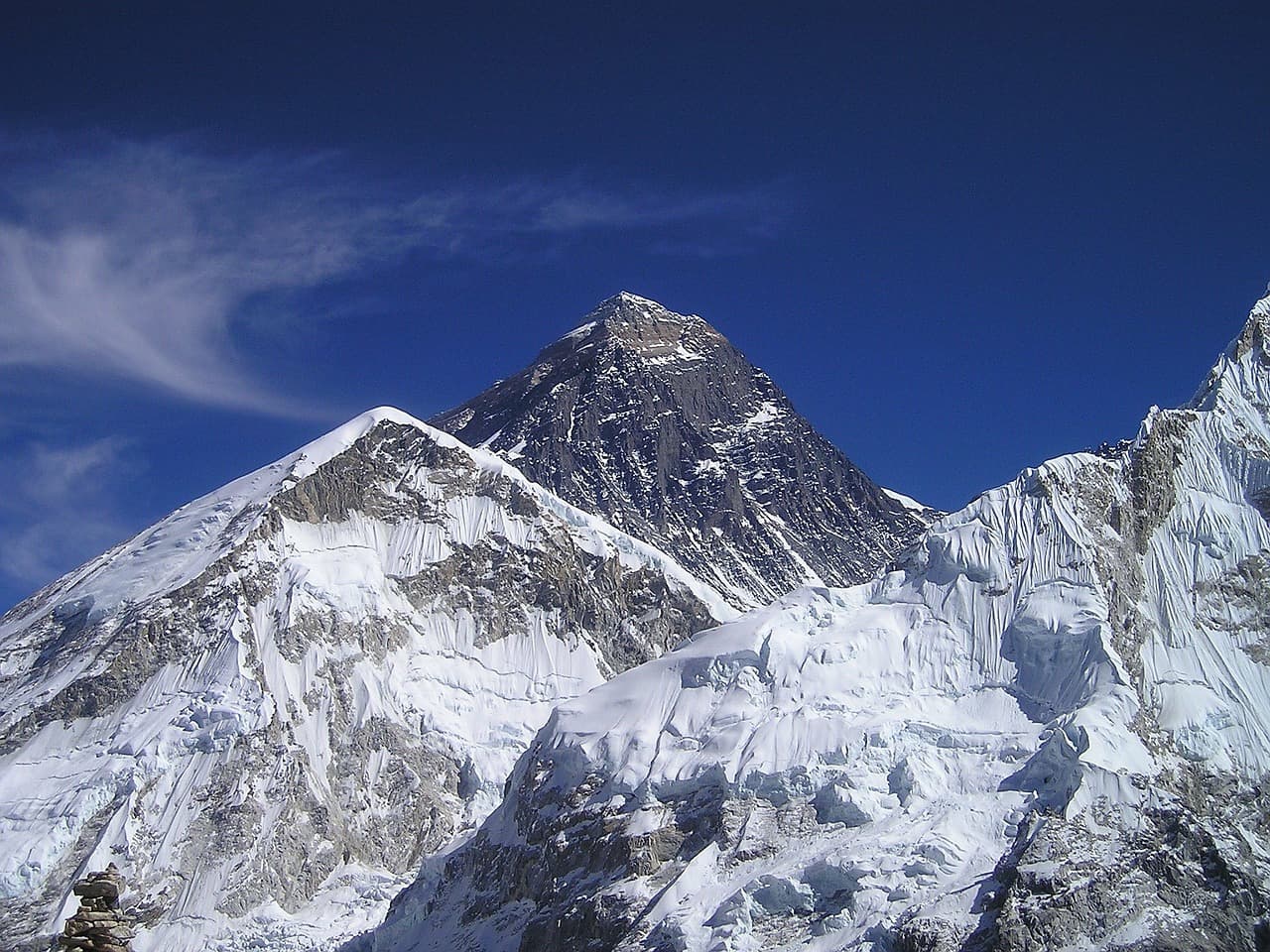
The culmination of this magnificent journey is today. We will pass by the glass pyramid observatories on the nearby glaciers that Italian and Nepalese scientists have been investigating as we drive for a few hours. As we continue past the stations, we pass by the spectacular Mounts Pumori, Nuptse, and Everest as we traverse a steep ridge and ice just below the Khumbu Glacier. When we move down the Everest Base Camp Moraine, Mt. Pumori will tower over us when we reach Gorak Shep and then ascend to Kalapathar. After a brief respite to take in the breathtaking vista of Nuptse, Lho-la, Changtse, and the Great Everest with its dreaded Khumbu icefall, we will continue hiking for two to three hours. The vista of all of their astonishing peaks appears unfathomable as something out of this world, making you want to keep gazing and savoring their magnificence. During the Expedition season, which runs from April to May, this area becomes crowded with all the different groups from around the world. Spend some time taking it all in, document it on video, and then head back to Gorakshep to spend the night. Be proud of your choice to go on the EBC trip as you bid farewell to the nine nonstop days of hiking.
Max. Elevation:5164 M
Duration:2 to 3 Hours
Distance:4.5 Km
The beautiful panorama of Mount Pumori, the rocky summits of Kalapathar, and, of course, Everest can be viewed at Kalapathar, which happens to be the highest point of this journey at 5545 meters. You can enjoy the breathtaking view from the top of your ascent as you reach the Kalapathar. After breakfast, you'll start to descend toward Gorakshep before continuing past Lobuche and Thukla to the recently opened Pheriche trail. From Pheriche, we will climb downwards to Somare and the town of Pangboche, where we will spend the night.
Max. Elevation:5644 M
Duration:2 to 4 Hours
Distance:1.5 KM
As soon as you leave Pangboche, you will begin trekking in the direction of Namche Bazaar. In the beginning, the trail descends through lovely woodlands, providing glimpses of the breathtaking mountain panorama. As you continue to descend, you will cross the Dudh Koshi River on suspension bridges. After there, the route ascends steadily as it passes through a few little Sherpa communities and terraced farms. Finally, we will descend past Tengboche Monastery along the Imja Tsa River to reach the beautiful Namche Bazaar trail, where we will spend the night. Here you can enjoy the bustling ambiance, explore the neighborhood market, and take in the breathtaking views of Everest and the surrounding mountains.
Max. Elevation:3440 M
Duration:6 Hours
Distance:9.1 KM
The final day of this magnificent trek will see us traverse the Dudh Koshi Valley a few times before arriving at the settlement of Monjo after a few hours of walking and after using the same route to reach Phakding, Benkar, Ghat, and Choplung. From here, we will travel for 45 minutes to reach Lukla. We can explore the local markets once we get to Lukla and rest up for the journey tomorrow.
Max. Elevation:2846 M
Duration:7 Hours
Distance:13.5 KM
We will proceed to the Tenzing/Hillary airport in Lukla this morning to board the flight for the 35-minute journey back to Kathmandu. Here you will enjoy the scenic views for one last time as you fly over the majestic mountains. Upon arrival in Kathmandu, you'll be transferred to your respective hotel. Spend the day relaxing, thinking back on the trip, and taking your time exploring Kathmandu.
Max. Elevation:1350 M
Duration:30 to 40 Mins
Distance:138 KM
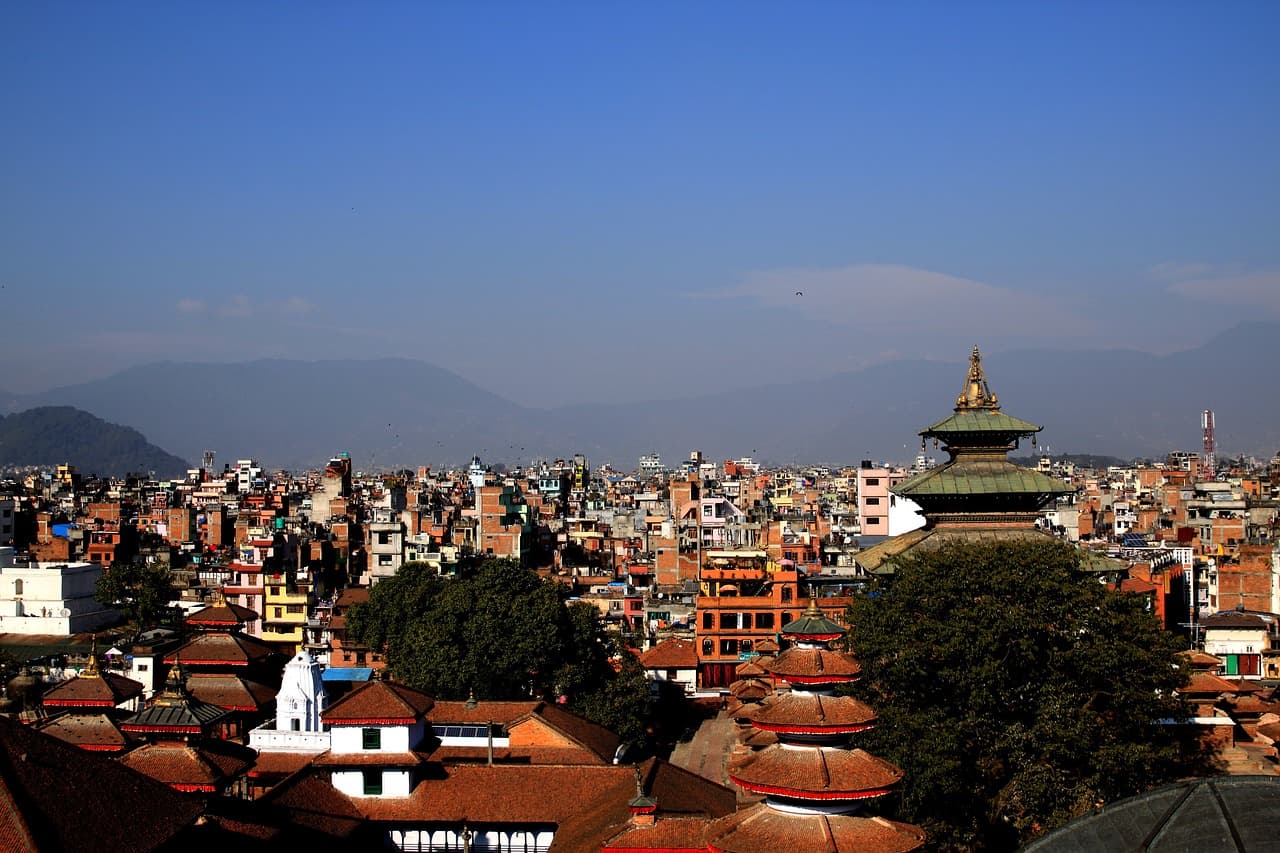
After conquering the Everest Base Camp Trek, you will reward yourself with a day of heritage exploration in Kathmandu today. Your morning will start in Kathmandu Durbar Square, a UNESCO World Heritage Site that has historic palaces, beautifully carved temples, and courtyards that symbolize Nepal's rich cultural and artistic legacy. From there, you will go to the holy Hindu site of Pashupatinath Temple, which is located on the banks of the Bagmati River. Here, you may see religious ceremonies and take in the temple's spiritual atmosphere. After Pashupatinath, you will visit Boudhanath Stupa, which is one of the key Tibetan Buddhist centers and one of the biggest stupas in the world. Admire its stunning design and go around the stupa with the people in the other direction, spinning prayer wheels and taking in the serene ambiance. Finally, you'll visit the hilltop Swayambhunath Stupa to round up the day. Take in the magnificent vistas of Kathmandu, see interesting monkeys, and explore the vibrant shrines and prayer flags. While absorbed in the colorful city of Kathmandu, this extensive sightseeing trip will give you a greater insight into Nepal's cultural and religious legacy, allowing you to reflect on your incredible Everest Base Camp journey.
Max. Elevation:1350 M
Today is the departure day of your beautiful Everest base camp trek journey. As usual, you will begin your morning with a leisurely breakfast at your hotel in Kathmandu. Cherish the memories you've created in the Himalayas and take the moment to think back on the amazing experience you've just completed. Soon after, check out of the hotel after breakfast, making sure you have packed everything. Take some time when you check out of the hotel to say goodbye to the lively city of Kathmandu and the kind hospitality you've received while there. Even though your trip is coming to an end, the memories, as well as the observations you got from the Everest Base Camp Trek, will obviously last for a lifetime.
Max. Elevation:1350
If the provided schedule isn't suitable for you, we can create personalized travel arrangements.
**Discounts are determined exclusively by the size of your group. We do not add additional members to your group.
July 2026
Su
Mo
Tu
We
Th
Fr
Sa
28
29
30
1
2
3
4
5
6
7
8
9
10
11
12
13
14
15
16
17
18
19
20
21
22
23
24
25
26
27
28
29
30
31
1
Sold out dates
US $0US $0 per person (based on 1 people)
Cost Includes
All arrival and departure transportation airport to/hotel/airport by private vehicle.
Kathmandu Valley sightseeing fee with a private vehicle.
Twin-sharing accommodation in Kathmandu at 2-night 3-star hotels on a bed/breakfast basis.
Full board trek on lodge basis includes (Breakfast-Lunch-Dinner) on twin sharing accommodation.
Applicable TIMS (Trekking Information Management Systems) and National Park, including permits and Local government entrance fees.
Service of experience, English-speaking trekking guides and their equipment, daily wages, medical insurance, meals, accommodation, and transportation allowance, etc.
Service of trekking strong and intelligent porters and their daily wage, medical insurance, meals, accommodations, and transportation allowance.
Farewell dinner in Kathmandu at an authentic Nepalese restaurant with cultural programs.
Down jackets-sleeping bags (with inner liner) (which need to be returned after finishing the trek), and comprehensive group medical kits are available.
Domestic airfare as per the itinerary Kathmandu / Lukla / Kathmandu with departure taxes (allowed to carry a maximum of 15 kg luggage altogether with a backpack and day pack) and trip briefing with full information and reconfirmation of your international air tickets.
Trip achievement, appreciation certificate.
Fresh fruit is seasonal during the trip, after every night's dinner.
All our government taxes and tourist VAT, along with official service charges.
Everest base camp trek map and a Company t-shirt provided by the company.
Travel rescue arrangement facility, if an emergency is required.
Cost Excludes
Nepal Visa-International airfare-personal travel / medical insurance.
Expenses of a personal nature and meals in Kathmandu, gratitude (tips) hard/soft drinks throughout the trip.
Personal trekking gear and climbing equipment.
Emergency evacuation by any means of transportation including Heli services and personal medical kit.
Early return from the trip due to a personal/medical problem, in this case, clients should bear his / her own expenses on return from the trek and in Kathmandu including expenses of accompanying guide/porters.
Route Map
Loading map...
Know Before you Go
Best Time to Go
The most favorable months for the Everest Base Camp Trek are spring (March to May) and autumn (September to November). These seasons bring stable weather, clear skies, and comfortable temperatures. Spring offers vibrant rhododendron blooms and lush greenery, while autumn provides clear visibility with cool, dry air. Trekking in winter is possible but involves freezing conditions and snow-covered trails. The monsoon season brings heavy rain, muddy paths, and clouded mountain views, making it less ideal. If you prefer fewer crowds, late November or early March can be a great time to visit. Local festivals often fall during these prime trekking months, adding an opportunity to experience Sherpa culture more closely. Trekking at these times ensures not only safety but also the most rewarding Himalayan scenery. Tip: Reserve flights and accommodations in advance during peak months, as they fill up quickly.
Difficulty
The Everest Base Camp Trek is considered moderately difficult but manageable with preparation. Trekkers usually walk 5 to 7 hours daily over varied terrain that includes steep climbs, descents, and rocky paths. The high point at Kala Patthar (5,545 m) makes altitude one of the main challenges. Good physical fitness, endurance, and mental determination are important to complete the trek successfully. Unlike technical climbing, the trek mainly involves steady walking, but the thin air at higher altitudes requires slow pacing and proper acclimatization. Both first-time trekkers and seasoned hikers can achieve this journey with the right mindset and training. Tip: Train by doing long hikes with a backpack before your trip to build stamina and strength.
Accommodation and Food
During the trek, accommodation is provided in traditional mountain lodges or teahouses. Rooms are basic with simple wooden beds, blankets, and shared toilets. In bigger villages like Namche Bazaar, some lodges also offer private bathrooms and limited Wi-Fi. Meals are nutritious but simple, ranging from Nepali dal bhat (rice and lentils) to soups, noodles, eggs, pancakes, and momos. In larger settlements, trekkers can also find some Western food choices such as pizza, burgers, and sizzlers, though availability becomes limited at higher altitudes. As you go higher, food costs increase because everything has to be carried by porters or yaks. Bringing small snacks like energy bars, nuts, and chocolate is useful for extra energy. Though facilities are simple, the warmth of Sherpa hospitality makes the stay enjoyable. Choosing local food also supports the communities along the trail. Tip: Ordering the same meal for your group reduces cooking time and ensures faster service in teahouses.
Permits
Two permits are required for the Everest Base Camp Trek: The Sagarmatha National Park Entry Permit and the Khumbu Pasang Lhamu Rural Municipality Permit. These can be arranged either in Kathmandu or at entry checkpoints like Monjo and Lukla. The fees contribute to conservation and local development. Trekkers must keep these documents with them at all times, as officials check them at several points along the trail. All necessary permits will be fully managed by our company members, ensuring a hassle-free experience for trekkers and saving them valuable time and effort. Tip: Keep permits in a waterproof pouch or laminated sheet to prevent damage from rain or snow.
Cultural and History / Monasteries
The Everest region is deeply connected with Sherpa culture and Tibetan Buddhism. Along the trail, trekkers encounter prayer flags, spinning wheels, and stone-carved mani walls that symbolize peace and blessings. A highlight of the cultural journey is the Tengboche Monastery, the largest monastery in the Khumbu region, where visitors can witness monks chanting prayers against the backdrop of Everest and Ama Dablam. Respecting local traditions, such as walking clockwise around religious monuments, adds to the spiritual experience. This cultural richness makes the trek more than just a physical challenge, offering a chance to learn about centuries-old traditions tied to the Himalayas. Tip: Always seek permission before photographing monks, religious ceremonies, or monastery interiors.
Acclimatization / Altitude Sickness
One of the major challenges of the Everest Base Camp Trek is adjusting to the high altitude. Symptoms of altitude sickness include headaches, nausea, dizziness, and shortness of breath. To prevent this, the itinerary includes acclimatization stops at Namche Bazaar and Dingboche. Trekkers are advised to drink plenty of water, avoid alcohol, and walk at a steady pace. If symptoms worsen, the best solution is to descend to a lower altitude immediately. Short acclimatization hikes to higher viewpoints before returning to sleep at lower elevations also help the body adapt gradually. Tip: Follow the golden rule “climb high, sleep low” to reduce the risk of altitude sickness.
Packing List for Everest Base Camp Trek
Sturdy trekking boots (broken-in and waterproof)
Down jacket and thermal base layers
Fleece jacket and light windproof jacket
Sleeping bag (rated -10°C to -15°C)
Gloves (thin inner + insulated outer)
Warm hat, buff, and sun hat
Quick-dry trekking pants and shirts
Sunglasses with UV protection
Sunscreen and lip balm (SPF 30+)
Headlamp with spare batteries
Water bottles and hydration bladders
Water purification tablets or a filter
Trekking poles
Personal first-aid kit and medicines
Energy snacks (nuts, chocolate, protein bars)
Toiletries, wet wipes, and sanitizer
Power bank or solar charger
Gaiters or micro spikes (for winter trekking)
Lightweight sandals for evenings
Important documents (passport, permits, insurance copies)
Tip: Keep your daypack light with only essentials and leave heavier gear for the porter.
Insurance
Comprehensive travel insurance is essential for this trek. It must cover high-altitude trekking up to 5,600 m, medical treatment, helicopter evacuation, and trip cancellation. Many standard travel insurance policies do not include trekking at high altitudes, so it is crucial to check before purchase. Having proper insurance ensures peace of mind and quick emergency support. Keeping a digital and physical copy of your policy is recommended so your guide can access it quickly in case of emergencies. Tip: Choose an insurance provider with a 24/7 emergency assistance line.
Transportation
The trek usually begins with a domestic flight to Lukla. During busy seasons, flights may be redirected from Manthali Airport in Ramechhap, which requires a 4-5 hour drive from Kathmandu. Helicopter flights are also available as an alternative, though they are more expensive. Within Kathmandu, travel is typically arranged by private car or tourist bus, depending on the itinerary with group size. Because flights to Lukla are highly dependent on weather, trekkers are advised to keep at least one or two buffer days in their schedule. Road conditions can sometimes affect travel time, so flexibility is important. Tip: Carry your boots and essentials in your hand luggage during Lukla flights in case your checked baggage is delayed.
Electricity and Communication
Most teahouses provide electricity, either through direct connection or solar panels, and charging electronic devices usually comes with an additional fee. Wi-Fi is available in Namche Bazaar, Dingboche, and a few other villages, but the signal can be slow and unreliable. A Nepali SIM card with data can be useful, though reception may weaken at higher elevations. Carrying a large power bank or solar charger is the most reliable way to keep devices charged throughout the trek. Tip: Switch devices to airplane mode when not in use to conserve battery during long trekking days.
Drinking Water
Clean drinking water is essential for a safe trek. Bottled water is available in teahouses, but becomes increasingly expensive with altitude. A more eco-friendly choice is refilling bottles with boiled or filtered water provided at lodges. Carrying purification tablets or a portable filter ensures safe water at all times. Avoid drinking untreated tap or stream water, as it can cause illness. Adequate hydration also helps prevent altitude sickness, so trekkers should aim to drink at least 3 to 4 liters daily. Tip: Use an insulated water bottle to prevent freezing at higher altitudes.
Guide and Porter
Hiring a licensed guide and porter greatly enhances safety and comfort during the trek. Guides assist with navigation, cultural interpretation, and emergencies, while porters carry heavy loads, allowing trekkers to walk more comfortably. Their presence not only supports the trekker but also provides valuable income for local communities. It is customary to offer a tip at the end of the trek as appreciation for their hard work. A knowledgeable guide can also share fascinating stories and legends about the Himalayas, enriching the journey beyond the physical adventure. Tip: Carry essentials like water, snacks, and personal items in your own daypack and leave the heavy gear to the porter.
Flight from Kathmandu or Manthali Option
The Lukla flight is the standard start of the trek and one of the most memorable experiences of the journey. During peak seasons, airlines may shift flights to Manthali Airport in Ramechhap, which requires an early morning drive from Kathmandu. Weather-related delays and schedule changes by the airlines are common, so having extra buffer days at the end of the trek is strongly recommended. The short but thrilling flight offers spectacular views of the Himalayan peaks, making it an unforgettable beginning to the adventure. Tip: Arrive at the airport early, keep your luggage ready, and be mentally prepared for possible flight delays or changes due to weather.
Health and Fitness Preparation
Preparing your body before the Everest Base Camp Trek is just as important as packing the right gear. Regular cardio exercises such as jogging, cycling, or swimming improve stamina, while strength training builds endurance for carrying a backpack over steep terrain. Hiking on hills or stairs with a weighted bag helps simulate trekking conditions. Flexibility exercises and yoga can also reduce the risk of muscle strain during long walking days. Good preparation not only makes the trek more enjoyable but also lowers the chance of injuries and fatigue. Aim to start your training at least 8 to 10 weeks before departure. Tip: Train with the same boots and backpack you’ll use on the trek to break them in and avoid blisters.
Responsible Trekking and Sustainability
The Everest region is a fragile ecosystem, and trekking responsibly helps preserve its natural beauty for future generations. Avoid single-use plastics by carrying a refillable water bottle and using purification methods instead of buying bottled water. Dispose of waste properly, never leaving trash on trails or in villages. Respect wildlife by observing from a distance and avoiding loud noises. Supporting local teahouses, guides, and porters also sustainably contributes to the local economy. Responsible trekking also means respecting local culture, traditions, and religious sites while minimizing your environmental footprint. Every small action helps protect the Himalayas. Tip: Carry reusable items such as a steel water bottle, a cloth bag, and bamboo utensils to reduce plastic waste on the trek.
We had a very successful EBC trek in October 2024 because of Team Himalaya! Our guide, Raj, was very knowledgeable in all things Everest. He set us up in the best lodges where we had great service all along. He provided us with a superb porter, who also went above and beyond in taking care of us. Raj was very patient with us and was always looking out for our best interests. We would highly recommend Team Himalaya for any trek!
AAlec S1st Apr, 2024
Everest Base Camp Team Himalaya March 2024
We have just returned from a 14 day, 11 day hike with Raj and Durga from Team Himalaya to Everest Base Camp. From the minute we landed to our departure we were properly looked after and cared for by Team Himalaya. The trek to and from Everest Base Camp was wonderful, our guides and porters really looked after us and were incredibly knowledgeable. In Nepal things can go wrong especially with flights to and from Lukla but Team responded magnificently and found alternative solutions. If this is on your bucket list as ours and you are looking for a company to organise this with I would 100% recommend Raj.
JJourney379926937861st Apr, 2024
Reaching Everest Base Camp with TEAM HIMALAYA
If you are looking for an adventure of a lifetime, don’t hesitate! Choose TEAM HIMALAYA for your Everest Base Camp trek! We completed the EBC trek early November 2023 . My husband and I chose to do a private trek with Team Himalaya. Everything went smoothly with our guide Raj. His team and organization is outstanding! We could not have done it without him. Raj took care of everything throughout the trek and made sure we were well at all times, even providing us fresh fruits every night after dinner! We felt safe at all times , his experience and knowledge of the Himalayas helped us achieve our goal in reaching the EBC! His professionalism went beyond our expectations from our first contact with him for information until the very end. We will forever remember this expedition and gained a friend in our guide Raj!
eevanhH6577DL13th May, 2023
Incredible Experience by evan
It was an incredible experience being surrounded by the towering Annapurna Himalayas. This memorable trek through Nepal offered the best scenic views and stunning landscapes. Despite being surprised at how quickly the trek ended, the daily walks were filled with dramatic views that left a lasting impression.
I highly recommend this adventure, as it is one of the best base camp treks in the Himalayas with minimal risk of altitude sickness. Although there were steep ups and downs that were tiring on some days, the breathtaking views made it all worth it. This was easily the most exciting trek I have ever experienced.
I want to thank Team Himalayas and Raj for providing exceptional service with their expert guide and staff.
Frequently Asked Questions About the Everest Base Camp Trek with kathmandu valley sightseeing
What is the Everest Base Camp Trek with Kathmandu Sightseeing?
The Everest Base Camp Trek with Kathmandu sightseeing is a combination of high-altitude trekking in the Khumbu region and cultural exploration in the Kathmandu Valley. It allows trekkers to experience the grandeur of Everest, Lhotse, Ama Dablam, and surrounding peaks while also discovering the cultural richness of Nepal through visits to heritage sites such as Swayambhunath, Boudhanath, Pashupatinath, and Kathmandu Durbar Square.
How long does the trek take?
The trip generally takes between fourteen to sixteen days. This period includes cultural sightseeing in Kathmandu, trekking days to Everest Base Camp and Kala Patthar, rest days for acclimatization, and at least one or two buffer days to manage possible delays on the Lukla flight.
What is the highest altitude reached?
The highest altitude on the trek is Kala Patthar at 5,545 meters, known for its panoramic sunrise view over Everest and the surrounding Himalayas. Everest Base Camp itself sits at 5,364 meters and offers the iconic view of the Khumbu Icefall and the base of the world’s highest mountain.
How difficult is the trek?
The trek is considered moderately difficult to challenging. It involves walking five to seven hours a day over varied terrain, with steep climbs and descents. While the trails themselves are not technical, the high altitude makes it demanding, requiring good stamina, careful pacing, and mental determination.
Do I need prior trekking experience?
No previous trekking experience is required, but good fitness is essential. Beginners who prepare with regular walking, stair climbing, or cardio exercise can complete the trek successfully. Previous hiking experience is beneficial but not mandatory for enjoying the journey.
When is the best time to go?
The best months to trek are spring, from March to May, and autumn, from September to November. These seasons offer stable weather, clear skies, and excellent visibility of the mountains. Winter brings freezing conditions and snow, while the monsoon season has heavy rains and cloud cover, making it less suitable for trekking.
Can children and older travelers do this trek?
Yes, the trek is possible for children over the age of ten and for active seniors, provided they are healthy and prepared. Older trekkers should consult their doctors in advance, while families with children should plan for flexible pacing and proper acclimatization.
Do I need permits for this trek?
Yes, two permits are mandatory. The Sagarmatha National Park Entry Permit and the Khumbu Pasang Lhamu Rural Municipality Permit are required to enter and trek in the Everest region. These permits are checked at various points and must always be carried. All these permits will be fully managed by our company members.
What type of accommodation is available?
Accommodation along the route is mainly in teahouses and lodges. Rooms are basic with twin beds, blankets, and shared bathrooms. In Namche Bazaar and some larger villages, trekkers may find more comfortable lodges that offer hot showers, attached bathrooms, and Wi-Fi for an additional cost.
What kind of food is available?
Meals during the trek are simple but filling, including traditional Nepali dishes like dal bhat, as well as soups, noodles, pancakes, eggs, and momos. In bigger villages, trekkers can find some Western options such as pizza, pasta, or burgers. Food prices increase with altitude since supplies are carried by porters or yaks.
How do I stay hydrated on the trek?
Hydration is very important for trekking at high altitudes. Trekkers should drink at least three to four liters of water daily. Bottled water is available, but it becomes expensive at higher altitudes. Safer alternatives include boiled water provided at lodges or using purification tablets and portable filters.
Will I have electricity and internet access?
Electricity is available in most teahouses for charging devices, usually for a small fee. Wi-Fi is accessible in Namche Bazaar, Dingboche, and some higher villages, although connections may be slow. Carrying a power bank or solar charger ensures reliable access to power during the trek.
Do I need to worry about altitude sickness?
Altitude sickness is a serious concern above 3,000 meters. Common symptoms include headaches, nausea, and dizziness. The itinerary includes acclimatization days in Namche Bazaar and Dingboche to help the body adjust. Trekkers are advised to walk slowly, stay hydrated, and descend if symptoms worsen.
What should I pack?
Packing essentials include strong trekking boots, a warm down jacket, thermal clothing, gloves, hats, sunglasses, sunscreen, a sleeping bag suitable for minus ten to fifteen degrees, trekking poles, personal medications, and a first-aid kit. A backpack for daily items and a larger duffel bag for porters are also recommended.
Do I need travel insurance?
Yes, comprehensive travel insurance is mandatory for this trek. It should cover high-altitude trekking up to 5,600 meters, medical treatment, emergency helicopter evacuation, and trip cancellations. Carrying both digital and physical copies of the insurance policy is recommended.
How do I get to the starting point?
The trek begins with a flight to Lukla, which takes about thirty to forty minutes from Kathmandu or Ramechhap, depending on the season. If departing from Ramechhap, a drive of four to five hours from Kathmandu is required before the flight.
Can flights to Lukla be delayed?
Yes, flights to Lukla are frequently delayed or rescheduled due to unpredictable mountain weather. Sometimes flights may be shifted between Kathmandu and Ramechhap. Trekkers are advised to keep at least one or two buffer days in their itinerary to manage possible delays.
Do I need a guide and porter?
While it is possible to trek independently, hiring a licensed guide adds safety, cultural insights, and helps with navigation. Porters carry heavy loads, allowing trekkers to walk more comfortably. It is customary to tip guides and porters at the end of the trek as appreciation for their support.
What currency should I carry?
Nepalese Rupees are essential for the trek, as credit cards are not widely accepted outside of Kathmandu. ATMs are available in Lukla and Namche Bazaar, but are unreliable beyond that point. Trekkers should carry enough cash in small denominations for food, accommodation, and personal expenses.
What sightseeing is included in Kathmandu?
The Kathmandu sightseeing portion includes visits to UNESCO World Heritage Sites such as Swayambhunath, also known as the Monkey Temple, the sacred Boudhanath Stupa, the revered Pashupatinath Temple, and Kathmandu Durbar Square with its historic palaces and courtyards. This provides a rich cultural experience before or after the trek into the Everest region.