Introduction to Gokyo and Chola Pass to Everest Base Camp Trek
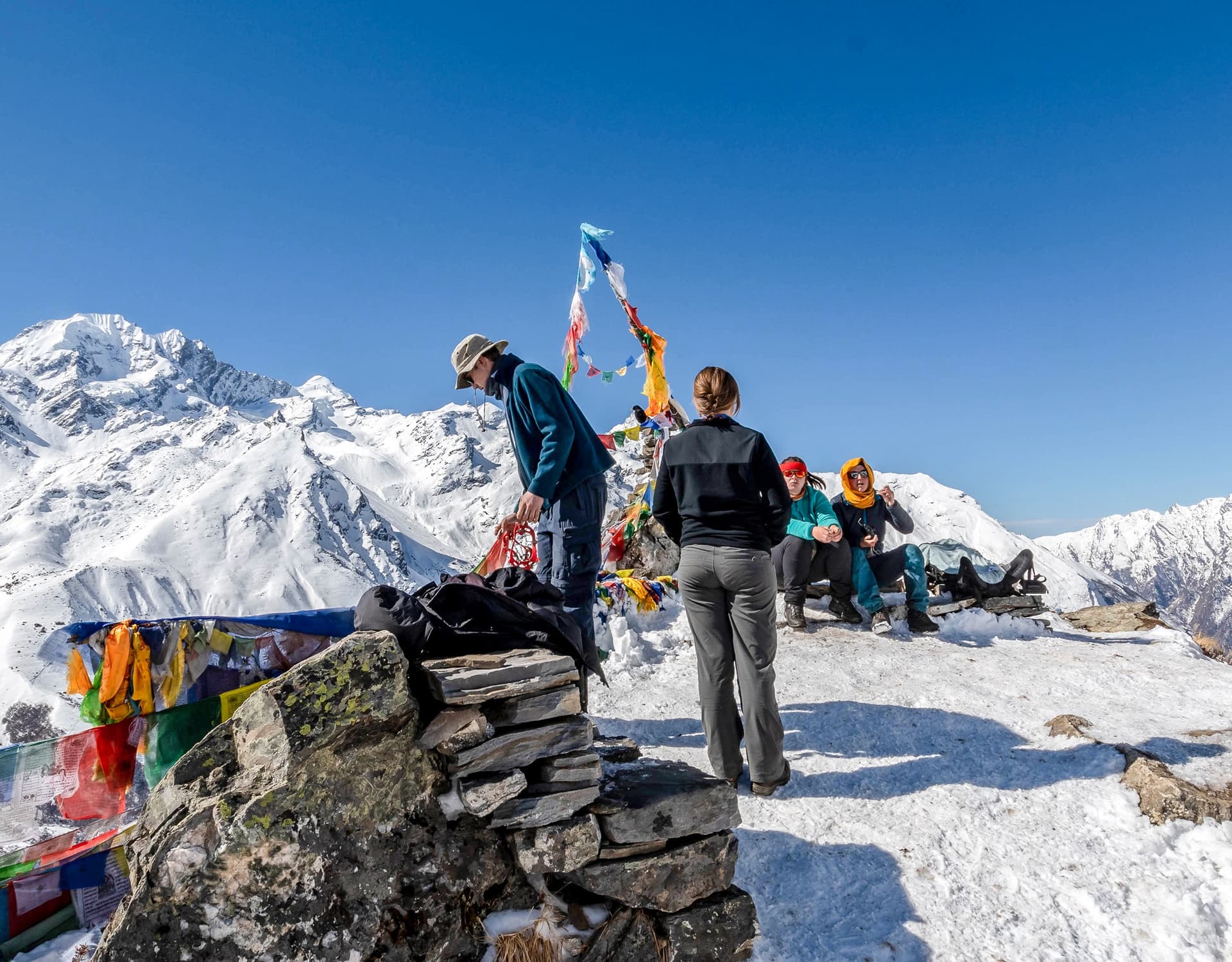
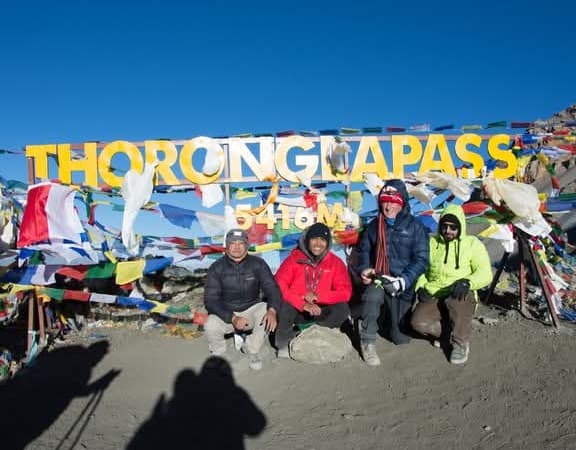
Those travellers who only wish to witness Mt. Everest straightaway prefer to go directly to Everest Base Camp. Still, some travellers who really love the challenge and adventure in the Himalayas choose the Gokyo & Chola Pass route to Everest Base Camp. Chola Pass (5525m) is one of the highest and most technical passes in the Nepal Himalayas, which can be reached on the Everest Base Camp trek.
DestinationNepal
Duration16 days
GradeExtreme and Adventure
ActivitiesTrekking
AccommodationTea-House and Lodge
Max. Elevation5367m.
Group SizeMin. 1 Pax
Vehicleprivate vehicles
MealsBreakfast, Lunch, and Dinner during The Trek
Overview
The Gokyo & Chola Pass to Everest Base Camp Trek, also known as the Chola Pass Trek, is popular among adventurous trekkers in the Everest region. Each traveller who comes to Nepal has a beautiful dream: to go to Gokyo & Chola Pass on the Everest Base Camp trek and witness Mt. Everest, the top of the world, and other giant snowy peaks over 8,000 meters high.
Those travellers who only wish to witness Mt. Everest straightaway prefer to go directly to Everest Base Camp. Still, some travellers who really love the challenge and adventure in the Himalayas choose the Gokyo & Chola Pass route to Everest Base Camp. Chola Pass (5525m) is one of the highest and most technical passes in the Nepal Himalayas, which can be reached on the Everest Base Camp trek.
Travellers love to do the Everest Base Camp trek via the Chola Pass from the Gokyo side, but it can also be done in reverse after a short flight from Kathmandu to Lukla. The Everest Base Camp trek via the Chola Pass commences. Namche Bazaar is the gateway to Everest Base Camp with the Chola Pass trek, where you will have a spare day for acclimatisation. It is a beautiful city in the lap of the Himalayas.
Trip Highlights
Trekking to the world’s highest, Mt. Everest Base Camp, around the Khumbu valley.
Amazing scenery from turquoise Gokyo Lake with Mt. Cho-Oyu.
The crossing of the high Tsho-la passes over to the world’s number one, Mt. Everest.
Visiting traditional villages is enriched with old customs and religion.
Home of the Highlanders, the Sherpa of Nepal Himalaya.
Into the tranquil woodland of beautiful rhododendrons, pines, and birch trees.
Namche Bazaar and Hotel Everest View at the top of the hill offer panoramic views of the mountains in the Everest Region. Trekkers will also have the chance to experience the Himalayan flora and fauna in Sagarmatha National Park. As the trails take you to the ascent, you will get a mesmerising Gokyo Valley with tranquil Gokyo Lake. It is a beautiful valley located in the lap of the Himalayas, entirely encircled by snowy peaks. A climb to Gokyo Ri probably offers the grandest view of the giant peaks in the Everest region, including the top of the world, Mt. Everest. Before you reach Kalapatthar and Everest Base Camp, your victory over Chola Pass will be significant, allowing you to have more adventure on the way.
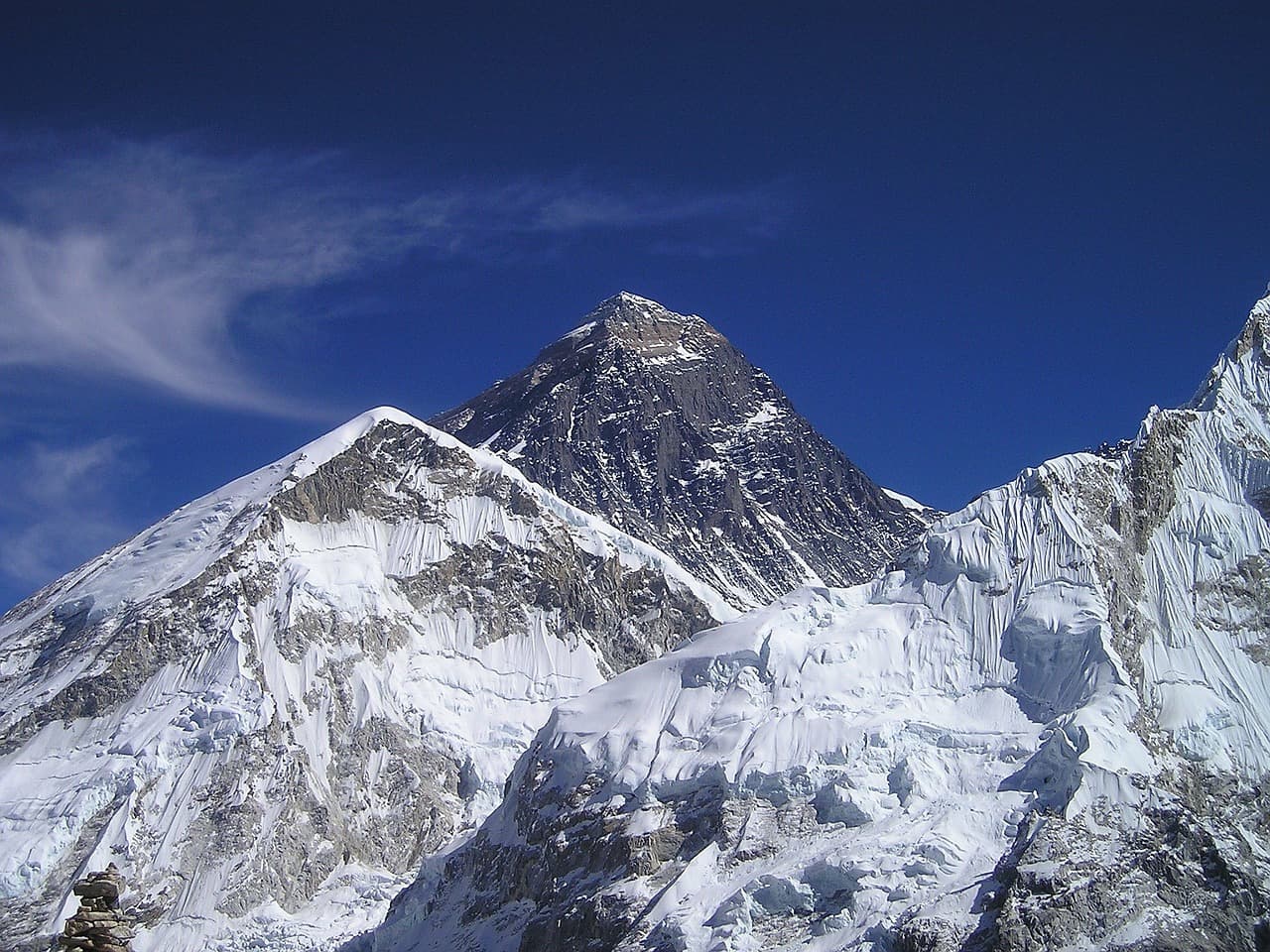
Finally, a climb to Kalapathar and Everest Base Camp offers you the most astonishing view of the top of the world, Mt. Everest, Cho Oyu (above eight thousand 8,201m), Lhotse (8,516m), Pumori, and numerous other famous peaks above 6,000 m. At the moment, you will feel entirely ecstatic that you are deeply in love with the giant peaks.
Itinerary of Gokyo and Chola Pass to Everest Base Camp Trek - 16 days
Hello and Namaste! You will begin your Gokyo and Chola Pass Trek by arriving in Nepal's vibrant capital, Kathmandu. You'll be welcomed by the Majestic landscapes and the lively spirit of the city as soon as you get off the plane. A representative from your trekking agency will be waiting to meet you once you have finished the required immigration and customs formalities. Shortly after, you will be driven from the airport to the hotel in Kathmandu so you may unwind after your trip. The hotel will provide cosy, comfortable surroundings while being in the city. Later in the evening, you'll get the chance to meet your trekking guide and fellow trekkers. Our Trip Planner will provide a thorough pre-trip briefing covering the terrain, weather, and attractions to look forward to along the way. Make sure you are ready for the adventure ahead by asking any queries you may have. After the briefing, you will also prepare your supplies for the trek. Following the preparation, you may walk through Kathmandu's bustling streets and take in the city's rich cultural legacy. Enjoy the bustling atmosphere, savour delectable Nepalese food, and experience Kathmandu's distinctive fusion of age-old customs and modern ideas. Finally, check in at your accommodation and have a good night to get ready for the thrilling trekking journey that lies ahead of you on the Gokyo and Chola Pass paths.
Max. Elevation:1350 M
Duration:30 mins
Distance:6.2 KM
You'll set off on your first day of the journey from Kathmandu early in the morning. A representative from your trekking company will pick you up from the hotel after a full breakfast and accompany you to the domestic terminal at Tribhuvan International Airport. As you board a tiny aeroplane for Lukla, get ready for a thrilling trip. You'll be treated to panoramic views of the magnificent Himalayan mountains and the gorgeous countryside below throughout the brief but beautiful 35-minute journey. As you touch down in Lukla, the gateway to the Everest region, the adventure truly begins. Take a moment to soak in the mountain air and the excitement of starting your trek. Your first phase of the adventure to Everest Base Camp will begin with a beautiful walk from Lukla to Phakding. The trek winds along the glittering Dudh Koshi River and passes through picturesque Sherpa settlements and lush forests. When you get to Phakding, you will have a warm meal and some rest at a lovely tea house or lodge before continuing your trek. As soon as you reach Phakding, you'll check into a welcoming tea house or lodge where you can enjoy a filling meal and some well-earned rest before continuing your trek the following day.
Max. Elevation:2846 M
Duration:30 to 40 Min
Distance:138 KM
Today, we will wake up in Phakding and enjoy a hearty breakfast to energise ourselves for the day ahead. Getting started on the trek from Phakding to Namche Bazaar will take you on an enthralling adventure through beautiful scenery. The route follows the Dudh Koshi River's course, crossing several suspension bridges adorned with vibrant prayer flags that flap in the alpine air. You'll pass through quaint Sherpa settlements, gain sight of distant snow-capped peaks, and travel through lush rhododendrons and pine forests as you climb. The gradual ascent is a nice challenge, and the spectacular sights that open up along the route are the reward. You will arrive at the bustling town of Namche Bazaar, surrounded by mighty mountains, after hours of trekking. Settling into your Namche Bazaar lodge will let you unwind and get ready for the days of adventure that lie ahead.
Max. Elevation:3440 M
Duration:5 Hours
Distance:13.5 Km
You'll have a well-earned day of relaxation today in the bustling town of Namche Bazaar. Acclimatisation is crucial on this day so that your body can adjust to the high altitude and falling oxygen levels. You will have the chance to tour Namche Bazaar and take part in an alternative excursion to help you acclimatise more effectively. Explore the colourful stores and teahouses lining the small alleyways, where you can browse for items and interact with the welcoming residents. Don't miss the chance to visit the Sherpa Museum, where you can discover the region's rich cultural legacy and learn about its climbing history. The close Everest View Hotel, which offers breathtaking views of Everest and the other Himalayan giants, is also reachable by a short afternoon stroll. In addition to offering beautiful views, this tour also helps you acclimatise as you steadily climb to higher levels. Return to Namche Bazaar after a day of sightseeing and acclimatisation, so you can rest, relax, and spend an evening in one of the teahouses.
Max. Elevation:3440 m
Today, you will start your day by leaving Namche Bazaar after a filling breakfast and beginning the trek that ascends gently from the busy town. Prepare to feast your eyes on stunning panoramic views of the nearby peaks, including the recognisable Ama Dablam and Thamserku, as you ascend the trail. Travel through quaint Sherpa settlements where you may see residents going about their everyday lives in passing. You'll descend to the Dudh Koshi River and go uphill through lush rhododendron trees after crossing a strong suspension bridge. The day's hike will finally end in Dole, with a stunning view of the Khumbila and Tawache peaks, after passing through the little communities of Tongba (3,950 m) and Gyele (3,960 m).
Max. Elevation:4200 M
Duration:6 Hours
Today, you will ascend through alpine landscapes and witness panoramic views of Himalayan peaks like Cho Oyu. You will pass by Sherpa settlements, cross suspension bridges, and indulge in a delicious lunch at a teahouse. Continuing, traverse glacial streams and rocky terrain before reaching the serene village of Machermo. Check into a cosy tea house, savour the mountain air, and prepare for the next day's adventure toward Gokyo.
Max. Elevation:4410 M
Duration:4 Hours
Distance:9.5 Km
Be enthralled by the spectacular Himalayan peaks that surround you as you make your way up to Gokyo, including the recognisable Cho Oyu and the legendary Mount Everest. Cross suspension bridges that cross over raging glacial torrents as you move across rocky terrain, making your way through the treacherous landscape with each step. Enjoy the sparkling splendour of the DudhPokhari, a chain of pure glacial lakes that mirror the surrounding mountains with breathtaking clarity as you go. Arrive at the peaceful Gokyo village, which is perched next to the revered Gokyo Lake, and allow the serenity of the region to soak over you. Spend some time around the town, taking in the serene atmosphere and enjoying the spectacular vistas. As the day comes to a close, have a full meal while enjoying the aromas of the highlands and preparing for tomorrow's pleasant stroll to Gokyo Ri.
Max. Elevation:4790 M
Duration:4 Hours
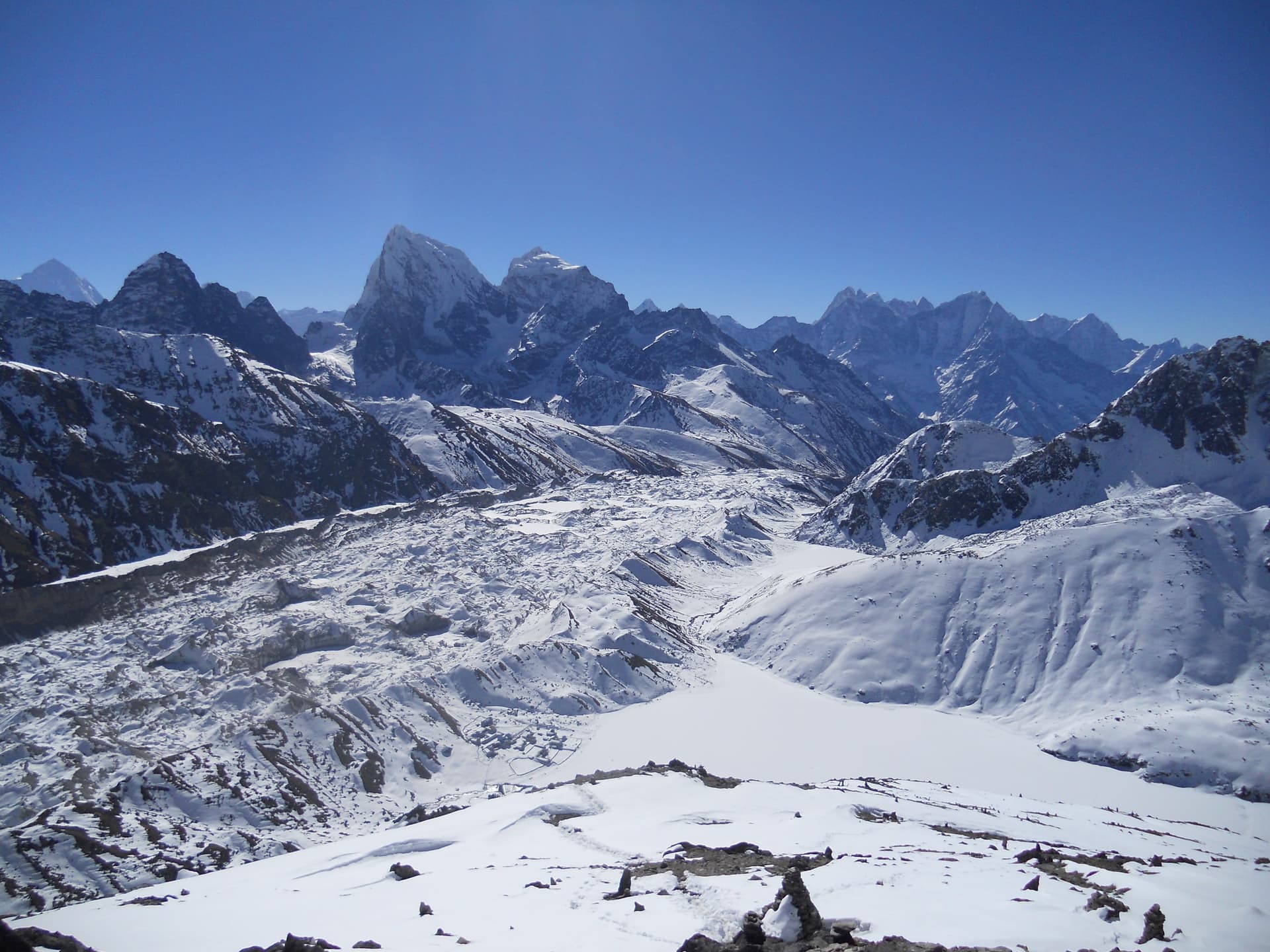
You'll go off on a morning walk to Gokyo Ri today. Ascend the challenging trek to the top and enjoy the breathtaking panoramas of the entire Gokyo Valley and the majestic Himalayan giants, including Everest, Lhotse, and Makalu, as the sun sets over the towering peaks. Additionally, capture the magnificent dawn over the mountains for a memory that will last a lifetime. Refuel for the day ahead with a delicious breakfast in the peaceful town of Gokyo after descending from Gokyo Ri. Continue your journey, navigating the rocky terrain and glacial moraines with the enormous Ngozumpa Glacier at your side. Admire the pure splendour of the magnificent glacier lakes as you go across them. The peace and untamedness of the surroundings overwhelm you as you go farther into the isolated trees. Arrive in Thangnak, a tranquil community tucked away in the highlands, where you will spend the night.
Max. Elevation:4650 M
Duration:4 Hours
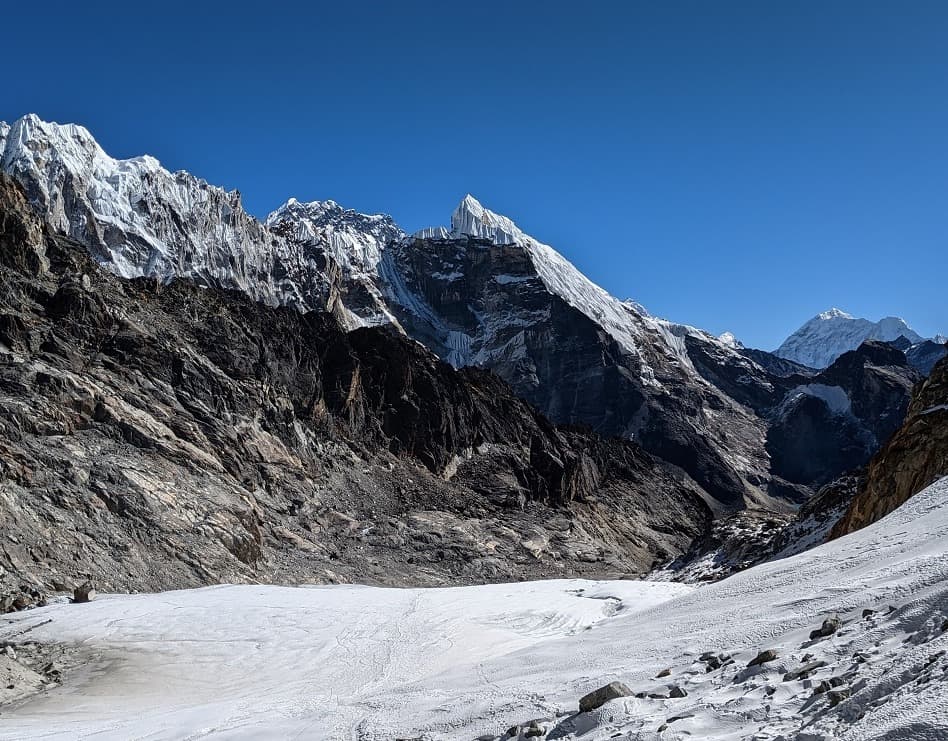
To make the most of the day and set yourself up for a physically and psychologically demanding trip, you'll wake early today. Push yourself to cross the high-altitude landscape and reach the spectacular top of Cho-La Pass, standing proudly at 5,420 meters, by ascending a steep, difficult path. You will be rewarded for completing the pass with breathtaking panoramic views of the nearby Himalayan peaks, including the recognisable Ama Dablam and Cholatse. Further, before beginning the descent to Dzongla, pause to take in the spectacular grandeur of the alpine surroundings. You will descend through magnificent valleys and rugged terrain, offering a sense of peace and calm. Enjoy the feeling of success as you arrive in the scenic mountain town of Dzongla for an overnight stay.
Max. Elevation:4850 M
Duration:7 hours
Today, you'll start the day with a filling breakfast as you get ready for the picturesque experience ahead. As you go closer to Lobuche, you will traverse rocky terrain, glacier streams, and uphills. While moving forward, you will also climb over the terminal debris of Khumbu Glacier and continue the walk up to the Lobuche village. The journey offers unmatched views of Ama Dablam, Nuptse, Lhotse, Pumori, and Lobuche peaks. Especially from Lobuche, you will get fascinating sunset views and stay here overnight.
Max. Elevation:4850 M
You'll wake up early today in GorakShep, eat a hearty breakfast, and get ready for a day of trekking you won't soon forget. Starting your trek across rugged terrain and glacier moraines, you will reach Everest Base Camp. You'll be surrounded by stunning vistas of snow-capped mountains and the Khumbu Icefall as you climb. Spend some time admiring the magnificence of the surroundings and letting your body adjust to the high altitude. You will arrive at Everest Base Camp, a historic location that embodies the spirit of human tenacity and climbing triumph, after a strenuous yet rewarding journey. Take some time to explore the region, snap some pictures, and take in the magnificent sight of the gigantic Everest. Retrace your steps to Gorakshep for an overnight stay, where you can take a well-earned break, exchange experiences with other trekkers, and reflect on the remarkable accomplishment you have made.
Max. Elevation:5364 M
Duration:7 Hours
Today is another fascinating day of your trek, as you will reach the highlight of the whole journey. This is gonna be a tough climb for you as you will head up to Kalapatthar from Gorakshep and come down to Pheriche village. After a challenging ascent and several twists for a couple of hours, you arrive at Kala Patthar. From there, it is another 50 meters of steep, rocky ascent before reaching the top of Main Kala Pattar (5545m). The sunrise on Mount Everest, Lhotse, Nuptse, AmaDablam, Thamserku, Kangtega, KusumKanguru, Changtse, Everest base camp, and Khumbu Icefall, with many other peaks, is out of this world. You could touch Mount Pumori and get a close-up view of Mount Everest from this perspective. The dream is finally realised: after breakfast in Gorakshep, the descent will begin. You'll walk back to Pheriche for an overnight stay after going through Lobuche once again. As you say goodbye to the high altitudes and make your way back to the little town, the journey offers you a new perspective on the surroundings.
Max. Elevation:4000 M
Duration:7 Hours
As you start your descent today, the road takes you through a beautiful landscape and past small Sherpa settlements such as Somare and Pangboche. Once you've reached Pangboche, keep going up until you reach Debuche, where the trail is almost level. From there, you'll drop into the river and travel through a lovely forest. After a short rise from here, you will arrive at Tengboche (3867 m), a renowned Buddhist monastery with a breathtaking view of the surrounding mountains, including Mt. Everest. Finally, drop to PhunkiThangka, cross the river, and then start the challenging ascent to Namche Bazaar, which will take you about an hour. Overnight at the lodge in Namche Bazaar.
Max. Elevation:3440 M
Duration:6 Hours
Your return to DudhKoshi Valley will be today's destination for the final stroll of your fantastic experience. After crossing the same river, you will arrive at the entrance/exit gate of the national park, and then, after a few hours of walking, you will continue to Monjo village. Therefore, you will complete the last ascent of this journey for 45 minutes to Lukla by returning on the same path and via the towns of Phakding, Benkar, Ghat, and Cheplung. After travelling for roughly 6 hours, you will arrive in Lukla around lunchtime. After that, you'll have plenty of time for a trip through the Lukla market. Overnight at the lodge in Lukla.
Max. Elevation:2846 M
Duration:6 Hours
After a delicious breakfast this morning, you will travel to the Tenzing-Hillary Airport in Lukla. You will board a small aircraft, like a Dornier or Twin Otter, when the flight time arrives for the 35-minute scenic trip that will take you to Kathmandu. You will eventually enter Kathmandu's domestic airport after taking in the vistas. After this, you will be driven to your lodgings, where you can relax and shop for souvenirs in the afternoon. Overnight at the hotel in Kathmandu.
Max. Elevation:1300 M
Duration:30 Mins
Distance:138 KM
Last day in Nepal, after a most memorable and overwhelming time in the high Himalayas with the excellent service of TeamHimalaya guides and staff, transfer to Kathmandu International Airport terminal for your flight to your respective destination countries.
Max. Elevation:1350 M
If the provided schedule isn't suitable for you, we can create personalized travel arrangements.
A "standard package" for the Gokyo and Cho La Pass to Everest Base Camp Trek is a comprehensive and all-inclusive option for experienced trekkers who want to complete this challenging circuit. This package is designed to provide all the essential services for a safe and memorable journey without the added luxuries of a premium package.
Book your own private small group trip
**Discounts are determined exclusively by the size of your group. We do not add additional members to your group.
July 2026
Su
Mo
Tu
We
Th
Fr
Sa
28
29
30
1
2
3
4
5
6
7
8
9
10
11
12
13
14
15
16
17
18
19
20
21
22
23
24
25
26
27
28
29
30
31
1
Sold out dates
US $0US $0 per person (based on 1 people)
Cost Includes
All Arrival and departure transportation: Airport/ Hotel/Airport.
All ground transportation is by private vehicle.
Twin-sharing accommodation in Kathmandu at a 3-star hotel on a Bed and Breakfast basis.
Full board meals on lodge/tea house basis include (Breakfast – Lunch – Dinner) during the trek.
All twins share accommodation on a lodge- or tea house-based basis during the trek.
Applicable TIMS Card (Trekker’s Information Management System), National Park permits, and local entrance fees.
Service of an experienced English-speaking Trekking guide and his accommodation, meals, salary, daily wages, medical insurance, equipment, transportation, allowance, etc., during the trek.
Service of strong porter and their accommodation, food, salary, daily wages, medical insurance, equipment, transportation, allowance, during the trek.
A down-jacket sleeping bag provided by the company (if required) must be returned after the trek.
Comprehensive group medical kits are available.
Domestic Airfare as per the itinerary: Kathmandu/Lukla/Kathmandu, including departure taxes (Allowed to carry a minimum of 15 kg luggage altogether, including both a backpack and a day pack), trip briefing with complete trip information, and reconfirmation of your international air ticket.
Farewell dinner in Kathmandu at an authentic Nepalese restaurant with cultural programs.
Free trip Map and seasonal fresh fruit during the trek.
Travel Rescue arrangement.
Cost Excludes
Nepal visa, international airfare, personal travel,/Medical insurance.
Expenses of a Personal nature (phone calls, laundry, bar bills, battery recharge, extra porter, bottle or boiled water, shower, etc.) and meals in Kathmandu, gratuity (Tips), soft/hard drinks throughout the trip.
Emergency Evacuation is any means of transportation, including Heli service and personal medical kits.
Extra night accommodation in Kathmandu because of early, late, or early return from the mountain (due to any reason) than the scheduled.
Route Map
Loading map...
Know Before you Go
Best Time to Go
The ideal months for the Gokyo& Chola Pass to Everest Base Camp Trek are spring (March–May) and autumn (September–November). Spring brings blooming rhododendrons, lush greenery, and moderate temperatures along the trail. At the same time, autumn offers crisp air, clear skies, and panoramic views of Everest, Lhotse, Cho Oyu, Makalu, and other towering peaks. Monsoon months (June–August) are generally not recommended due to heavy rainfall, slippery trails, leeches, and limited visibility. Winter trekking (December–February) is possible but suitable only for highly experienced trekkers because of snow-covered paths and sub-zero temperatures at higher elevations. Tip: Check local weather forecasts in Kathmandu or Lukla before departure, as mountain weather can change rapidly, affecting both flights and trail safety.
Difficulty
This trek is challenging and requires a moderate to high level of fitness. Daily hikes range from 4 to 7 hours and include steep ascents, rocky terrain, glacier crossings, and high passes such as Cho-La Pass (5,367 m). The trek also reaches altitudes above 5,500 m at Kala Patthar, where mild to moderate altitude effects can occur. While prior trekking experience is not mandatory, physically active trekkers with endurance and stamina will find it more comfortable. Mental strength and adaptability are essential for long days of walking and sudden changes in weather. Tip: Train before your trek by climbing stairs, hiking with a weighted backpack, and building cardiovascular endurance. Take regular rest breaks during the trek and use trekking poles for support on steep sections.
Accommodation and Food
Accommodation is provided in lodges along the route. Rooms are generally simple with twin beds and shared bathrooms, but the warm hospitality and scenic views make the stay enjoyable. Meals include Nepali dal-bhat, noodles, soups, rice dishes, pancakes, and simple Western meals, with options decreasing as elevation increases. Prices increase slightly as supplies must be carried to remote villages. Staying well-fed and hydrated is essential for energy and acclimatisation. Tip: Carry high-energy snacks such as nuts, chocolate, or protein bars for long trekking days, and consider bringing a small reusable bowl and cutlery for convenience.
Permits
Trekkers need a Sagarmatha National Park Permit and a TIMS Card (Trekkers’ Information Management System). All permits can be obtained in Kathmandu through our company staff or at the checkpoints near Lukla. Our team will handle this process for you. They support conservation efforts and allow park authorities to manage tourism sustainably. Tip: Keep digital and photocopies of your permits in addition to the originals, as checkpoints may request proof multiple times during the trek.
Culture and History / Monasteries
The Chola Pass Trek through Sherpa villages and culturally significant monasteries like Tengboche. These communities maintain traditional lifestyles and religious practices, with prayer flags, Buddhist shrines, and local ceremonies visible along the trail. Namche Bazaar, the gateway to the region, offers markets, cultural insight, and access to the Sherpa Museum. Interacting respectfully with locals can deepen your understanding of life in the Himalayas. Tip: Learn basic Nepali greetings and phrases, such as “Namaste” and “Dhanyabad,” to create meaningful connections with villagers and monks.
Acclimatisation / Altitude
Altitude sickness can occur above 3,000 m, with common symptoms including headaches, nausea, and dizziness. Rest days at Namche Bazaar and Machermo, along with a gradual ascent, help minimise risks. Staying hydrated, maintaining a slow pace, and avoiding alcohol are key to successful acclimatisation. Tip: Carry oral rehydration salts (ORS) or electrolyte powders to maintain hydration and balance your minerals. If symptoms persist, descend immediately to a lower altitude.
Packing List
1. Sturdy trekking boots and lightweight sandals 2. Waterproof jacket, fleece, and down jacket 3. Thermal base layers, quick-dry trekking pants, and t-shirts 4. Gloves, warm hat, scarf, and UV-protection sunglasses 5. Sleeping bag rated -10°C to -15°C (available for rent in Kathmandu ) 6. Trekking poles, a headlamp, and spare batteries 7. Reusable water bottles and water purification tablets 8. Toiletries, a quick-dry towel, sunscreen, and lip balm 9. Personal first-aid kit including altitude sickness medication 10. Camera, power bank, and extra memory cards 11. Travel documents, permits, and local currency 12. Notebook, pen, and optional travel guidebook 13. Lightweight backpack for day hikes and a larger pack for porters 14. Optional: gaiters, crampons, and walking ropes for icy patches
Tip: Keep your backpack weight under 15 kg. Use layering to adjust to changing temperatures and minimise unnecessary weight. Bring waterproof covers to protect your gear from snow and rain.
Insurance
Travel insurance is essential for the Gokyo & Chola Pass to Everest Base Camp trek, providing coverage for high-altitude trekking, medical emergencies, helicopter evacuations, accidents, and trip cancellations. Himalayan conditions can change rapidly, making insurance a safety net in the event of sudden illness, injury, or other unforeseen events. Ensure your policy explicitly covers trekking above 5,000 meters and helicopter rescues, as standard plans may not. Carry both digital and physical copies of your insurance documents in a waterproof pouch.
Tip: Record your provider’s 24-hour emergency contact number and share it with family or trekking companions. Policies covering lost gear or personal liability are also recommended.
Transportation
The trek typically starts with a scenic flight from Kathmandu to Lukla, though a road option via Manthali is also available. Trekking agencies usually arrange transfers between hotels, airports, and the starting point. Returning trekkers fly back from Lukla to Kathmandu. Morning flights are generally safer, as afternoon flights can be affected by weather-related delays. Light packing simplifies transfers and flights.
Tip: Book flights well in advance and carry snacks, water, and a small daypack for the journey.
Electricity and Communication
Electricity is available at most tea houses for a small fee, though supply can be intermittent. Wi-Fi is limited and slow in higher villages. Mobile networks work in lower areas but weaken as altitude increases. Carrying a power bank, solar charger, or spare batteries is essential. Offline GPS apps or maps help navigate in areas without cellular or Wi-Fi connectivity. Tip: Store offline maps and translation apps before the trek and protect devices with waterproof cases.
Drinking Water
Hydration is critical for high-altitude trekking. Bottled water is available but expensive in remote villages. Refillable bottles, boiled water, or purification tablets are recommended. Drinking small amounts frequently helps prevent dehydration and reduces the risk of altitude sickness. Electrolyte powders help maintain mineral balance, and insulated bottles help prevent freezing in cold climates. Tip: Monitor urine colour to gauge hydration levels and drink consistently throughout the day.
Guide and Porter
Guides provide navigation, safety, and cultural insights. Porters carry luggage, reducing fatigue and supporting local livelihoods. Agreements on weight limits and responsibilities should be made in advance. Tipping guides and porters is customary and appreciated. Guides may also point out wildlife, rare plants, and hidden viewpoints, enriching the trekking experience. Tip: Limit your pack to 15–20 kg and provide waterproof covers for belongings. Discuss daily schedules and rest breaks with your guide.
Money and Payment
Nepalese Rupees (NPR) are essential for purchases along the trail. Credit cards are available only in larger towns. Carry sufficient cash for food, lodging, and emergencies. Small denominations are preferred, as tea houses and shops often cannot provide change for large bills. Tip: Store cash in a waterproof pouch and split it into compartments to reduce the risk of loss.
Health and Safety
Carry a first-aid kit with painkillers, bandages, altitude sickness medication, sunscreen, insect repellent, and sunglasses. Health posts exist in lower villages, but serious emergencies may require evacuation to Lukla or Kathmandu. Hygiene, safe food practices, and purified water minimise the risk of illness. Trekking with a companion adds safety in remote areas. Tip: Consult a doctor before departure and pack extra doses of prescription medications.
Health and Fitness Preparation
Preparing physically and mentally is crucial for a safe and enjoyable trek. Cardiovascular exercises like running, cycling, or brisk walking improve stamina, while strength training for legs, core, and back prepares the body for steep ascents, long walks, and carrying a backpack. Hiking on uneven terrain or stairs with a weighted pack simulates trail conditions and builds endurance. Mental preparation helps manage fatigue, altitude, and unpredictable weather. Moderate-altitude treks before the main expedition help the body adapt to high-altitude environments. Tip: Gradually increase the intensity and duration of hikes, incorporate rest days, and practice with a loaded backpack to prevent injuries.
Responsible Trekking and Sustainability
Minimising environmental impact and respecting local culture are essential. Avoid littering, carry reusable water bottles, and dispose of waste responsibly. Respect local customs, traditions, and wildlife. Supporting local businesses, guides, and porters ensures that tourism benefits communities. Staying on marked trails preserves fragile ecosystems. Eco-friendly toiletries, avoiding single-use plastics, and participating in community clean-up efforts help maintain the Himalayan environment. Tip: Educate yourself about local customs, carry reusable items, and consider contributing to community or conservation projects along the route.
We had a very successful EBC trek in October 2024 because of Team Himalaya! Our guide, Raj, was very knowledgeable in all things Everest. He set us up in the best lodges where we had great service all along. He provided us with a superb porter, who also went above and beyond in taking care of us. Raj was very patient with us and was always looking out for our best interests. We would highly recommend Team Himalaya for any trek!
AAlec S1st Apr, 2024
Everest Base Camp Team Himalaya March 2024
We have just returned from a 14 day, 11 day hike with Raj and Durga from Team Himalaya to Everest Base Camp. From the minute we landed to our departure we were properly looked after and cared for by Team Himalaya. The trek to and from Everest Base Camp was wonderful, our guides and porters really looked after us and were incredibly knowledgeable. In Nepal things can go wrong especially with flights to and from Lukla but Team responded magnificently and found alternative solutions. If this is on your bucket list as ours and you are looking for a company to organise this with I would 100% recommend Raj.
JJourney379926937861st Apr, 2024
Reaching Everest Base Camp with TEAM HIMALAYA
If you are looking for an adventure of a lifetime, don’t hesitate! Choose TEAM HIMALAYA for your Everest Base Camp trek! We completed the EBC trek early November 2023 . My husband and I chose to do a private trek with Team Himalaya. Everything went smoothly with our guide Raj. His team and organization is outstanding! We could not have done it without him. Raj took care of everything throughout the trek and made sure we were well at all times, even providing us fresh fruits every night after dinner! We felt safe at all times , his experience and knowledge of the Himalayas helped us achieve our goal in reaching the EBC! His professionalism went beyond our expectations from our first contact with him for information until the very end. We will forever remember this expedition and gained a friend in our guide Raj!
eevanhH6577DL13th May, 2023
Incredible Experience by evan
It was an incredible experience being surrounded by the towering Annapurna Himalayas. This memorable trek through Nepal offered the best scenic views and stunning landscapes. Despite being surprised at how quickly the trek ended, the daily walks were filled with dramatic views that left a lasting impression.
I highly recommend this adventure, as it is one of the best base camp treks in the Himalayas with minimal risk of altitude sickness. Although there were steep ups and downs that were tiring on some days, the breathtaking views made it all worth it. This was easily the most exciting trek I have ever experienced.
I want to thank Team Himalayas and Raj for providing exceptional service with their expert guide and staff.
Frequently Asked Questions About the Gokyo and Chola Pass to Everest Base Camp Trek
When is the best time to trek?
The best seasons are spring (March–May) and autumn (September–November). Spring offers blooming rhododendrons and warmer temperatures, while autumn provides stable weather and crystal-clear skies. Winter and monsoon are possible but far more challenging due to extreme cold or heavy rains.
How challenging is this trek?
This trek is considered strenuous because it involves steep climbs, glacier crossings, and high passes like Cho-La at 5,367 m. The trip: Daily walking hours range from 5 to 7, often on rugged trails. With good preparation and fitness, it is achievable even for non-professional trekkers.
Do I need prior trekking experience?
The previous trekking experience is not mandatory, but it is highly beneficial. The trail is demanding, and beginners may struggle with altitude and long walking hours. Those who are physically active and mentally prepared can complete the trek with proper acclimatisation.
What kind of accommodation is available?
You will mostly stay in tea houses or small lodges run by local families. Rooms are simple, usually with twin beds, blankets, and shared bathrooms. Higher up, facilities become more basic, but the hospitality of the Sherpa people adds to the cultural experience.
What food is available along the trek?
Meals typically include Nepali dal-bhat, soups, noodles, rice, potatoes, and some Western dishes such as pizza, pasta, or pancakes. As altitude increases, food variety decreases due to supply challenges. Fresh produce becomes limited, but meals are nutritious enough to fuel trekking days.
What permits are required?
Trekkers need two permits: the Sagarmatha National Park entry permit and the TIMS (Trekkers’ Information Management System) card. These are available in Kathmandu or at checkpoints near Lukla. They are essential for both security and conservation purposes.
How high is the trek?
The trek reaches a maximum altitude of about 5,545 m at Kala Patthar. Other key points include Gokyo Ri (5,357 m) and Cho-La Pass (5,367 m). These high elevations demand gradual acclimatisation to avoid altitude-related complications.
What is the risk of altitude sickness?
Altitude sickness is a genuine concern above 3,000 m. Symptoms include headache, nausea, dizziness, and fatigue. Rest days in Namche Bazaar and Machhermo are built into the itinerary to help with the adjustment. If symptoms worsen, descending immediately is vital for safety.
Is travel insurance required?
Yes, insurance is strongly recommended, especially policies covering high-altitude trekking and helicopter evacuation. Medical facilities are limited in the mountains, so evacuation is often the only solution in emergencies. Ensure your insurance explicitly covers trekking above 5,000 m.
How do I reach the starting point?
Most trekkers fly from Kathmandu to Lukla, a 30-minute flight. Alternatively, some travel by road to Manthali and then fly from Ramechhap airport. The weather in Lukla can cause delays, so it's wise to include buffer days in your itinerary.
Is communication available on the trail?
Mobile networks like Ncell and Nepal Telecom work in lower villages but become weaker at higher altitudes. All Tea houses offer Wi-Fi for a fee, though it is often slow. Carrying a power bank and a solar charger helps keep you connected.
How do I get safe drinking water?
Bottled water is available, but it gets more expensive the higher you go. A sustainable option is to carry refillable bottles and treat water with purification tablets, filters, or boiling. Staying well-hydrated is essential for energy and for adjusting to altitude.
Should I hire a guide or porter?
The best option is to hire a guide, as it is highly recommended for navigation, safety, and cultural insight. Porters help by carrying heavy loads, making the trek more manageable. This not only eases your journey but also supports the livelihoods of local communities.
How much cash should I carry?
Carry enough Nepalese Rupees (NPR) for the entire trek, as ATMs are only available in Kathmandu and Namche Bazaar. Tea houses accept only cash, and costs rise with altitude. Small notes are more convenient for daily purchases.
What health precautions should I take?
Bring a personal first-aid kit with altitude medication, painkillers, sunscreen, insect repellent, and water purifiers. Always consult a doctor before the trek. Maintaining hygiene and drinking safe water reduces the risk of illness during the journey.
How should I prepare physically?
Cardio workouts like running, cycling, or swimming build stamina, while strength training prepares your legs and core for long climbs. Hiking with a loaded backpack on uneven terrain is the best preparation. Gradual training several months ahead is ideal.
What should I pack for the trek?
Essentials include layered clothing, a down jacket, waterproof gear, sturdy trekking boots, gloves, hats, and thermal wear. Sleeping bags rated -10°C to -15°C are necessary. Trekking poles, water bottles, and power banks should also be included.
How can I trek responsibly?
Avoid littering, use reusable bottles, and respect local culture and wildlife. Staying on marked trails helps preserve fragile ecosystems. Supporting local guides, porters, and tea houses ensures that tourism benefits Himalayan communities.
Is the trek safe for solo travellers?
Yes, solo travellers can join this trek, but hiring a guide is highly recommended for safety and company. Trails can be confusing, and weather conditions unpredictable. Group treks also provide more security and social interaction.
What cultural experiences can I expect?
The trek passes through Sherpa villages rich in Buddhist traditions. You’ll see monasteries, prayer flags, and stupas along the route. Interacting with locals offers insight into Sherpa hospitality, mountain life, and deeply rooted spiritual practices.