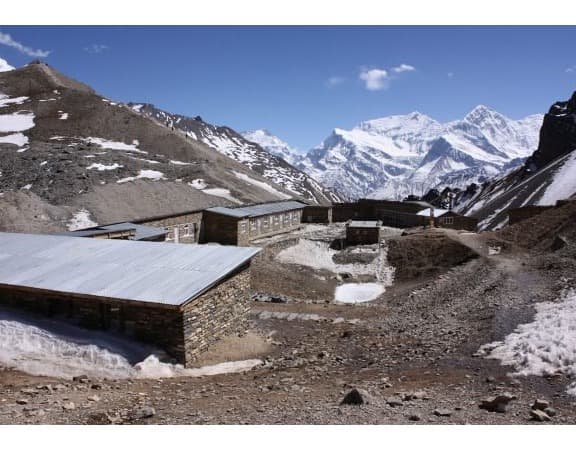
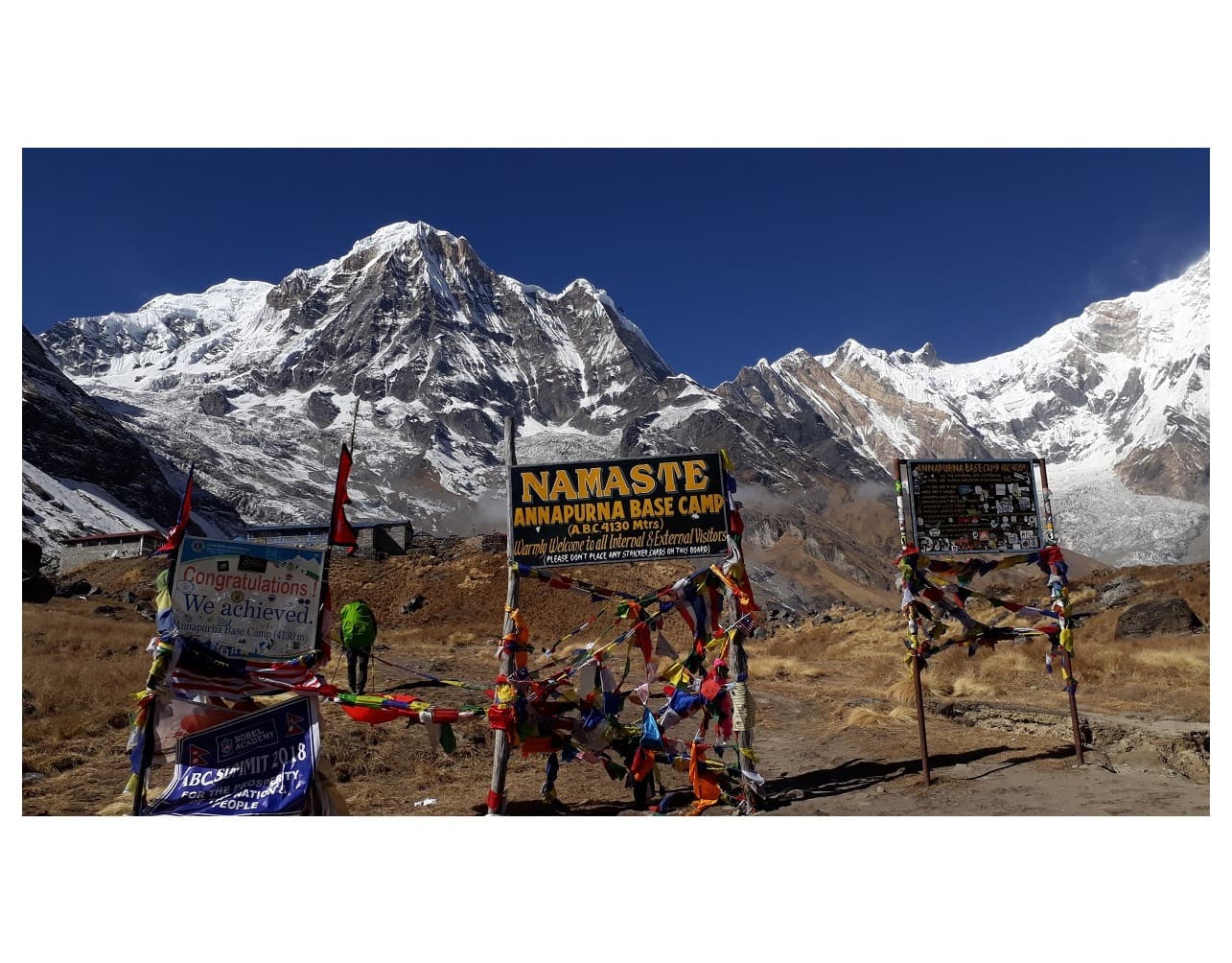
Regarding the Short Everest Base Camp Trek, the same trekking route is followed as in the Everest Base Camp Trek, except that you save two days for acclimatisation. The trek officially starts and ends in Lukla. In the process of trekking, you can expect to come across various Himalayan villages along the way, including Namche Bazar, Tengboche, and Gorak Shep.
The amazing experiences you might have on the trail include taking a short flight to begin your trek, entering Sagarmatha National Park, getting close to Himalayan flora and fauna, interacting with the people, particularly the Sherpas, who are climbers, and trying local cuisine.
DestinationNepal
Duration12 days
GradeModerate to Adventurous
ActivitiesTrekking
AccommodationTea-House and Lodge
Max. Elevation5555m.
Group SizeMin. 1 Pax
Vehicleprivate vehicles
MealsBreakfast, Lunch, and Dinner during The Trek
Overview
The Short Everest Base Camp Trek follows the same trekking trails as the Everest Base Camp Trek. But the only difference is that you save 2 days that would otherwise be spent on acclimatisation. The trek formally commences and ends in Lukla. On the trail, you will pass through distinct Himalaya settlements including Namche Bazar, Tengboche, and Gorak Shep.
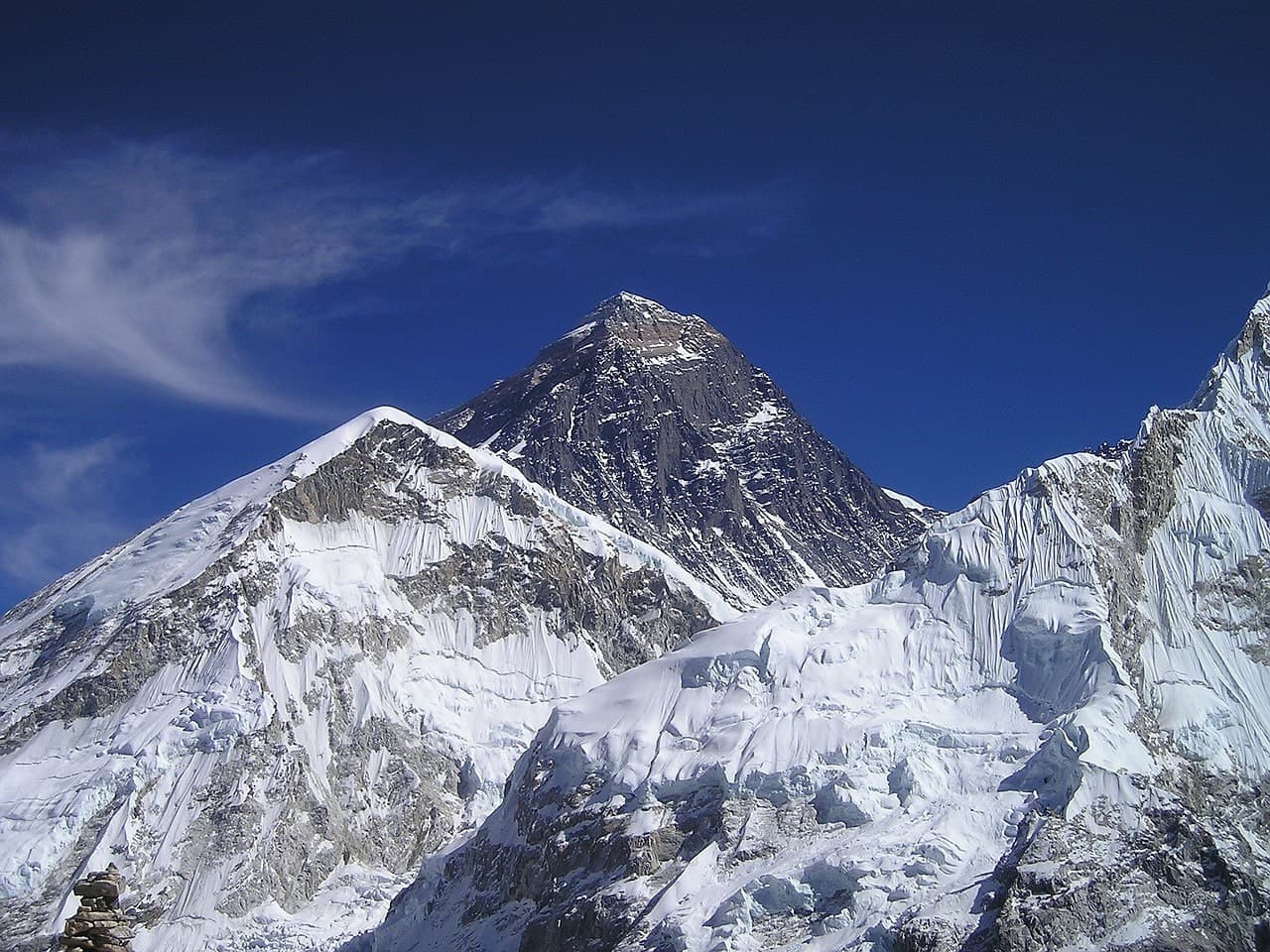
The exceptional activities, such as a short scenic flight, a beautiful walk into Sagarmatha National Park, experiencing Himalayan flora and fauna, becoming familiar with local culture and people, especially the Sherpas (climbers), and enjoying locally made foods, will be mesmerising during the Rapid EBC Trekking. Similarly, the exquisitely blessed Namche Bazar, the gateway to the Everest Region, Tengboche Monastery, Dingboche Village, and Lobuche will delight us as we take us to Kalapathar and Everest Base Camp. The Kalapathar and Everest Base Camp are the most significant highlights of this trek. Ascending to Kalapathar probably offers us the most magnificent view of Mt. Everest and other mighty peaks, and our further walk to Everest Base Camp, the world's highest mountain base camp, will undoubtedly be an achievement and provide moments for a lifetime.
Trip Highlights
Spectacular scenic flights
Enthralling local villages, including Lukla and Namche Bazaar
Sagarmatha National Park, the world's highest-altitude national park, is home to spectacular alpine flora and fauna.
Getting to know the Sherpa people and their distinct age-old civilisation and lifestyle
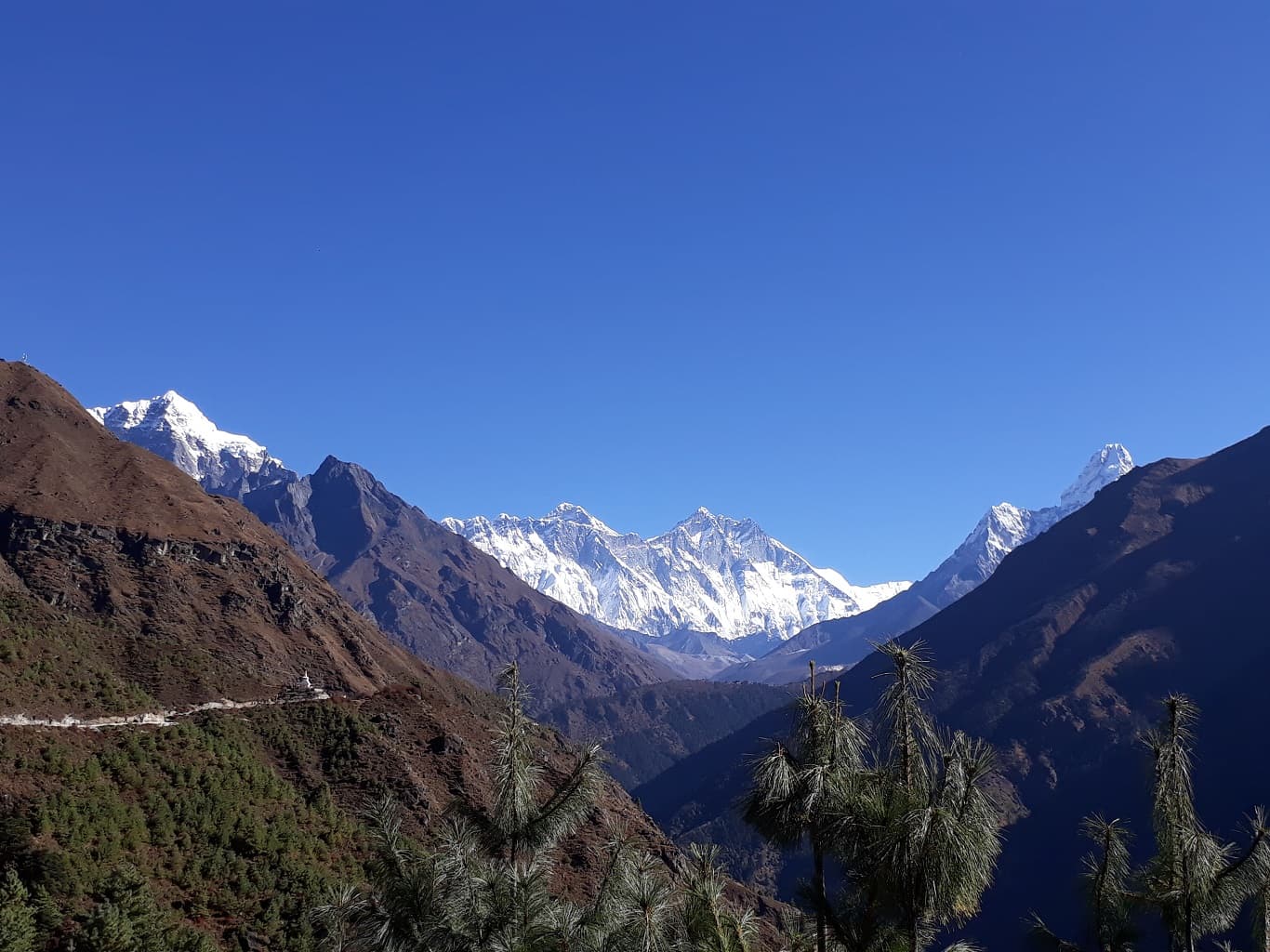
Unparalleled Mountain views, including Mt. Everest, Loa Tse, and Pumori
An adventure walk to Kalapatthar and Everest Base Camp. Although it is a Short Everest Base Camp Trek, trekkers might be concerned about certain risks on the trail. Team Himalaya has designed this itinerary to ensure a wonderful experience without major challenges.
Ensure that a reliable trekking crew accompanies you to make your Short Everest Base Camp Trek an unforgettable experience. Safety will always be our top priority when operating the trip. The Everest Base Camp short Trek can be completed in 12 days.
Itinerary of Short Everest Base Camp Trek - 12 days
Trekkers will arrive at Tribhuvan International Airport; they will be received by our representative and transferred to the hotel, where they will stay overnight. If the trekkers arrive earlier in Kathmandu, they can explore the city, do some shopping, and take in the sights. We will have a short orientation meeting regarding the Short Everest Base Camp Trek and its preparations.
Max. Elevation:1320 M
Duration:30 Mins
Distance:6.2 M
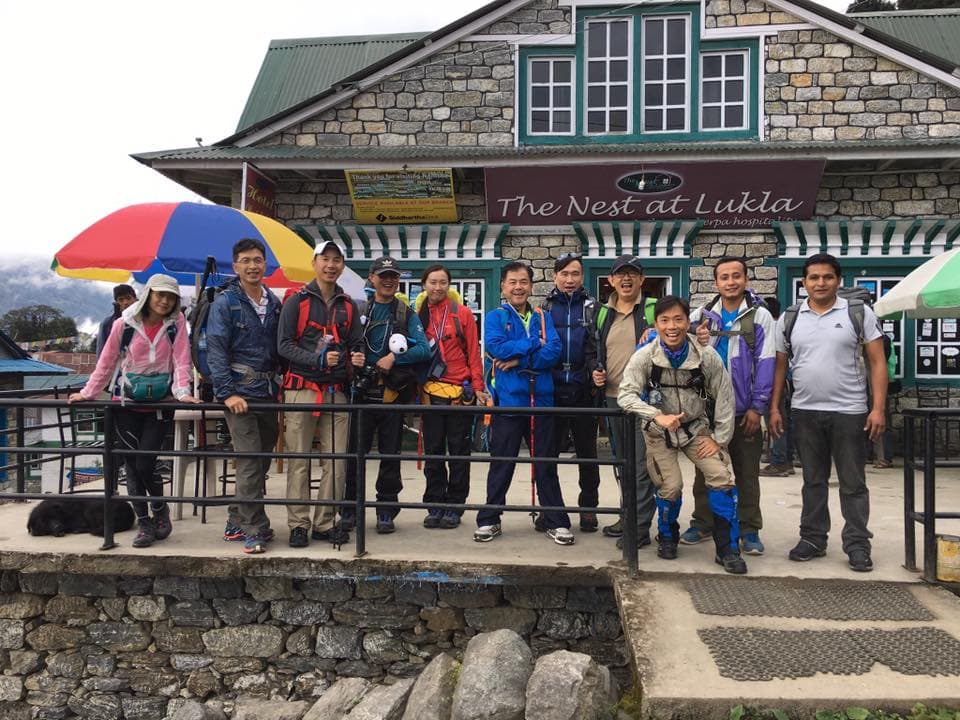
We will go to the Kathmandu airport to catch an early flight to Lukla. The flight will be very scenic and last approximately 35-40 minutes. As you land at Lukla Airport, you head to Phakding at a formal pace. Within 2-3 hours of walking, you will arrive in Phakding, where you will spend the night at a guesthouse/teahouse.
Note: Nepal Civil Aviation will not permit flights from KTM to LUA and back to KTM. The flight takes off from Ramechap to Lukla and back to Ramechap, including an air ticket and airport transfer.
Max. Elevation:2860 M
Duration:30 mins
Distance:138 Km
Today’s a very exciting day because we have a magnificent opportunity to experience the walk in Sagarmatha National Park. Leave Phakding and trek to Monjo. As you pass through pine, fir, rhododendron, and various other plant species, you will ascend to Namche Bazar. Here in Namche Bazar, you will find monuments, a museum, the city, and the daily activities of the people. You will enjoy a range of facilities, including ATMs, Money Exchange, Banking Services, Luxury Hotels and Restaurants, and smart shops.
Max. Elevation:3440 M
Duration:5 Hours
Distance:11.5 KM
Passing through Namche and ascending to the trekking trail will let you experience the magnificent Mt. Amadablam. Moreover, encounters with mules and yaks on the trail will be equally incredible. This pleasant walk finally takes us to the trails, one leading to Gokyo and the other to Tengboche. We catch the trail going to Tengboche and ascend to Tengboche walking through a pine forest. You can roam around the holy Tengboche Monastery and its surroundings in the evening.
Max. Elevation:3880 M
Duration:5 Hours
Distance:6 Km
Trekkers will celebrate today’s trek beautifully. They are delighted as they walk into the most incredible section of Sagarmatha National Park and enjoy the flat trail, which features a diverse array of flora and fauna. The final segment of the trek will lead you to the beautiful Himalayan village of Dingboche. If you arrive at Dingboche earlier, you can walk around the village and explore it.
Max. Elevation:4410 m
Duration:5 Hours
Distance:9.1 km
Today, you will ascend to the top of Dingboche Hill initially. On the way, you will pass by Periche village, which you are not heading to, but you will stay there on your return from Everest Base Camp. You will only experience alpine plants today because you are ascending to 5000m at Lobuche. Before reaching Lobuche, we pass through several local settlements and cremation sites. Mt. Pumori and other peaks are visible throughout the trip today. It is sometimes difficult to find accommodation in Lobche village during the peak trekking season, which is autumn (September-November).
Max. Elevation:4930 M
Duration:5 Hours
Distance:8.5 Km
Alluring Mt. Pumori and other snow-fed mountain peaks are more dominant in today’s trek from Lobuche to Gorekhshep and then to Everest Base Camp. The trail first takes you to the Gorekhshep village, the last settlement area before Everest Base Camp, where we store our luggage, and then heads further to Everest Base Camp. On reaching Everest Base Camp, we will be blessed with majestic mountain views and the tremendous achievement of reaching the world's highest base camp. Finally, we walk back to Gorekhshep and spend the night at a guesthouse.
Max. Elevation:5364 M
Duration:7 Hours
Distance:8 km
You will climb Kalapatthar, located just above Gorekhshep, where you wait for the rising sun. When you happen to see the rising sun and the majestic mountain giants, including Mt. Everest, the summit of the world, you are mesmerised; it makes you feel that heaven is with you then. You find Mt. Pumori just above your head. With beautiful memories and moments, you then walk down to Gorekhshep, have breakfast, and begin retracing your steps. On backtracking, you will follow the same trail as you did previously, but this time you will stay overnight at Periche, not Dingboche.
Max. Elevation:4000M
Duration:6 Hours
Distance:9.6 Km
Leave Periche after your breakfast, walk through the trail Sagarmatha National Park, and you will finally arrive at Tengboche, the same village you used for an overnight stay while heading to Everest Base Camp.
Max. Elevation:3440 M
Duration:6 Hours
Distance:14.3 Km
You will have to pass through the same places, with the same flora and fauna, and cross the same suspension bridges, yet the walk's experience is magnificent. Walk down to the river from Tengboche, up to Namche Bazar, through it, and back to Lukla via Phakding. You will wait for the following day’s flight to Kathmandu here at Lukla.
Max. Elevation:2860 M
Duration:6 Hours
Distance:13.5 KM
You will take an early flight from Lukla to Kathmandu. Sometimes, Lukla flights to Kathmandu may be disrupted by unavoidable weather conditions. Be patient and wait for the flight in case it is delayed.
Max. Elevation:1300 M
Duration:30 mins
Distance:138 Km
Last day in Nepal, after a most memorable and overwhelming time in the high Himalayas with the great service of TeamHimalaya guides and staff, transfer to Kathmandu International Airport terminal for your flight to your respective destination. countries.
If the provided schedule isn't suitable for you, we can create personalized travel arrangements.
A "standard package" for the Short Everest Base Camp Trek is a comprehensive and all-inclusive option designed for travelers who want a balanced experience without a high price tag.
Book your own private small group trip
**Discounts are determined exclusively by the size of your group. We do not add additional members to your group.
July 2026
Su
Mo
Tu
We
Th
Fr
Sa
28
29
30
1
2
3
4
5
6
7
8
9
10
11
12
13
14
15
16
17
18
19
20
21
22
23
24
25
26
27
28
29
30
31
1
Sold out dates
US $0US $0 per person (based on 1 people)
Cost Includes
All arrival and departure transportation from the airport to/hotel/airport by private vehicle.
Twin-sharing accommodation in Kathmandu at 2-night 3-star hotels on a bed/breakfast basis.
Full board trek on lodge basis includes (Breakfast-Lunch-Dinner) on twin sharing accommodation.
Applicable TIMS (Trekking Information Management Systems) and National Park, including permits and Local government entrance fees.
Service of experience, English-speaking trekking guides and their equipment, daily wages, medical insurance, meals, accommodation, and transportation allowance, etc.
Service of trekking strong and intelligent porters and their daily wages, medical insurance, meals, accommodations, and transportation allowance.
Farewell dinner in Kathmandu at an authentic Nepalese restaurant with cultural programs.
Down jackets, sleeping bags (with inner liner) (which need to be returned after finishing the trek), and comprehensive group medical kits are available.
Domestic airfare as per the itinerary Kathmandu / Lukla / Kathmandu with departure taxes (allowed to carry a maximum of 15 kg luggage altogether with a backpack and day pack) and trip briefing with full information and reconfirmation of your international air tickets.
Trip achievement, appreciation certificate.
Fresh fruit is available seasonally during the trip, served after every night's dinner.
All our government taxes, tourist VAT, and official service charges.
The company provides the Everest Base Camp Trek map and a Company T-shirt.
Travel rescue arrangement facility, in case of an emergency.
Cost Excludes
Nepal International airfare, personal travel / medical insurance.
Expenses of a personal nature and meals in Kathmandu, gratuity (tips), and hard/soft drinks throughout the trip.
Personal trekking gear and climbing equipment.
Emergency evacuation by any means of transportation, including helicopter services and a personal medical kit.
In the event of an early return from the trip due to a personal/medical problem, the client will be responsible for their own expenses upon returning from the trek and in Kathmandu, including those of the accompanying guide/porters.
Route Map
Loading map...
Know Before you Go
Best Time to Go
The best seasons to do the Short Everest Base Camp Trek are spring (March to May) and autumn (September to November). During these months, the skies are usually clear, the weather is calm, and the mountain views look absolutely stunning. Rhododendrons bloom in spring, while autumn offers crisp air and festive vibes as major Nepali festivals fall during this season. Although summer (June to August) is the monsoon season in Nepal, the Everest region lies in a partial rain shadow, so trekking is still possible with fewer crowds. Winter (December to February) offers stunning snowy landscapes but comes with freezing temperatures and heavy snow at higher altitudes.
Pro Tip: If you want fewer crowds but still good weather, consider late September or late May for a more peaceful trekking experience.
Difficulty
The Short Everest Base Camp Trek is considered moderate in difficulty. Although the route doesn’t require any technical climbing skills, it does feature some steep uphill sections, rocky terrain, long walking days, and high altitude, which can be physically demanding. Trekkers cover distances of 10-15 kilometers daily, often walking for 5-7 hours. The main challenge is the reduced oxygen levels above 3,000 meters, which make altitude acclimatization essential. With the right preparation, anyone with basic fitness and strong determination can finish this trek, though prior hiking or trekking experience is strongly advised. Pro Tip: Train for at least 6–8 weeks in advance with cardio, stair climbing, and long backpack hikes to improve endurance and stamina.
Accommodation and Food
Accommodation during the trek is in teahouses, which are simple yet comfortable lodges run by local families. Rooms are basic, usually with twin beds and shared bathrooms, and heating is available only in the dining hall with a wood or yak-dung stove. The higher you go, the more basic the facilities become. Meals are provided at teahouses with a variety of options, from Nepali dishes like dal bhat (lentils, rice, and vegetables) to pasta, noodles, and soups. Dal bhat is particularly popular because it is nutritious, filling, and offers unlimited refills.
Pro Tip: Carry some high-energy snacks like nuts, chocolate, or protein bars for extra energy between meals on long trekking days.
Permits
Trekking in the Everest region requires two main permits: the Sagarmatha National Park Entry Permit and the Khumbu Pasang Lhamu Rural Municipality Permit. You can get these either in Kathmandu or at the designated checkpoints along the trekking route. With the national park permit, Visitors can access Sagarmatha National Park, designated a UNESCO World Heritage Site, renowned for its rich and varied wildlife. The local municipality permit helps fund the maintenance of trails, villages, and infrastructure in the Everest region. Without these permits, trekkers cannot legally proceed along the route.
Pro Tip: Carry extra photocopies of your passport and passport-sized photos, as they are often required when obtaining trekking permits.
Culture and Monasteries
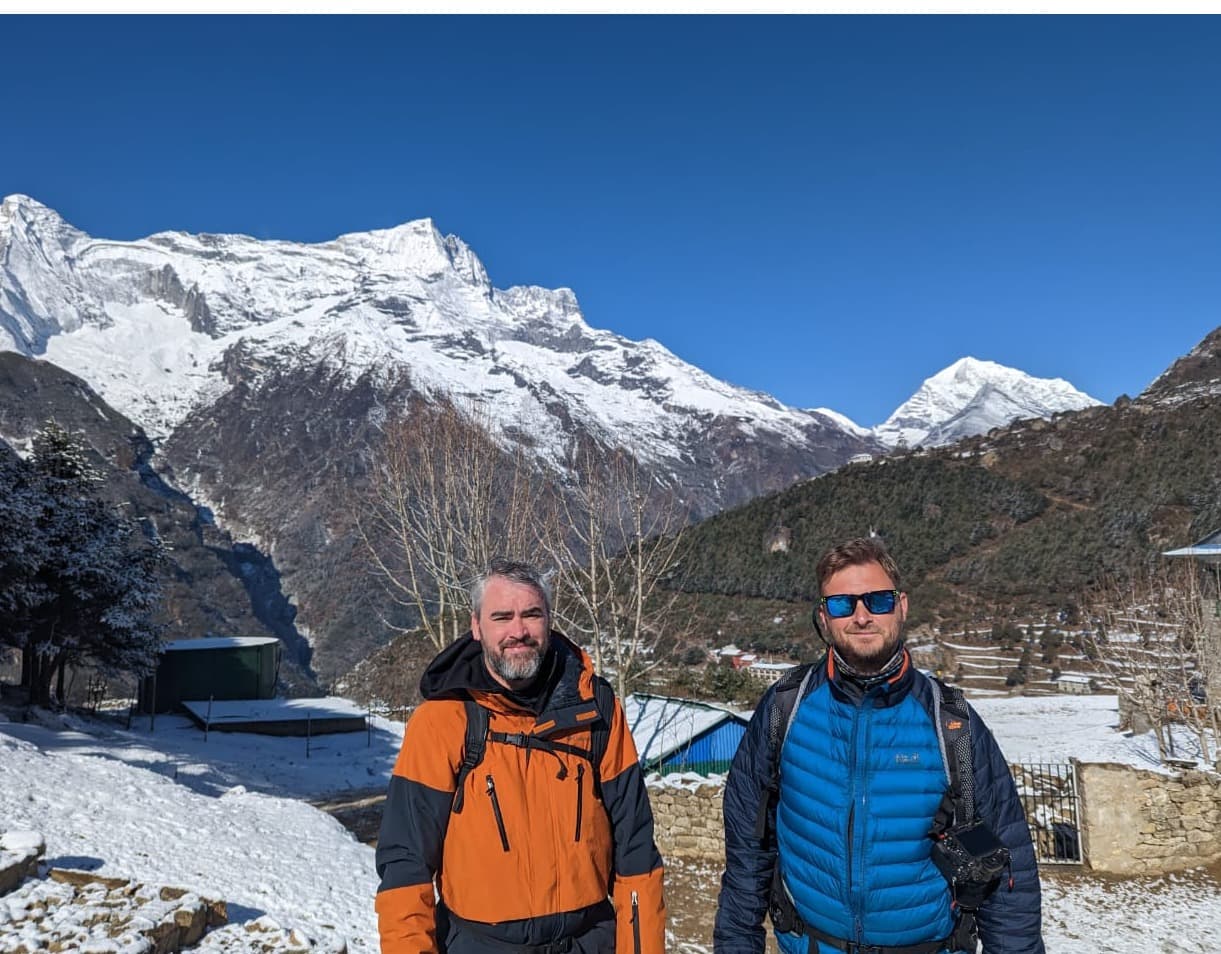
The Short Everest Base Camp Trek offers a deep cultural experience, especially with the Sherpa people, who are world-renowned mountaineers. Villages like Namche Bazaar and Tengboche are cultural highlights, showcasing the traditional Sherpa lifestyle, warm hospitality, and Buddhist practices. Tengboche Monastery is among Nepal’s most renowned monasteries and serves as an important spiritual hub for the Khumbu region, where trekkers can witness daily rituals and enjoy panoramic mountain views. Prayer wheels, mani walls, and fluttering prayer flags along the trail further enrich the cultural journey.
Pro Tip: Always walk clockwise around stupas and mani walls as a sign of respect for local Buddhist traditions.
Acclimatization and Altitude Sickness
Altitude sickness is a major concern during the Short Everest Base Camp Trek. Since this version of the trek is faster and involves fewer acclimatization days, the risk of Acute Mountain Sickness (AMS) is higher. Common symptoms are headache, nausea, reduced appetite, and lightheadedness. Trekkers are advised to walk slowly, stay hydrated, and avoid alcohol or sleeping pills at altitude. Guides are trained to monitor symptoms and will recommend rest or descent if necessary. Some trekkers take Diamox (after medical advice) to help with acclimatization.
Pro Tip: Follow the “climb high, sleep low” principle whenever possible and listen to your body. Never ignore symptoms of altitude sickness.
Packing Essentials
A successful Short Everest Base Camp Trek requires thoughtful packing. Essential items include: •Thermal base layers and moisture-wicking shirts •Warm fleece or down jacket •Trekking trousers and comfortable clothing for evenings •Gloves, woolen hat, and socks •Sturdy trekking boots (well broken-in) and sandals for relaxation •Sleeping bag rated to –10°C •Trekking poles for support •Sunglasses, sunscreen, and lip balm •Headlamp with spare batteries •First-aid kit and personal medicines •Water purification tablets or portable filters •Two refillable water bottles •Lightweight towel and toiletries •Power bank or solar charger •Energy snacks to keep up stamina Pro Tip: Bringing a small dry bag helps keep electronics and clothing safe from rain or accidental water exposure.
Insurance
Travel insurance is absolutely essential for the Short Everest Base Camp Trek. Trekking at high altitude involves risks such as altitude sickness, unpredictable weather, accidents, and limited medical facilities. A reliable policy should cover trekking up to at least 6,000 meters, helicopter evacuation, medical treatment, hospital care, accidents, trip cancellations, and even lost luggage. Without proper coverage, a helicopter rescue alone can cost several thousand dollars, making insurance critical. Make sure to read the policy details carefully to verify that it covers high-altitude trekking in Nepal, and keep both digital and printed copies of your insurance documents with you throughout the trek.
Pro Tip: Choose an insurance company experienced with adventure travel and ensure it includes helicopter evacuation in Nepal specifically.
Transportation
The Short Everest Base Camp Trek starts with a picturesque flight from Kathmandu to Lukla, often considered one of the most unforgettable moments of the trek. This short 30–35-minute flight offers breathtaking views of the Himalayas before landing at the famous Lukla airstrip. During peak trekking seasons, flights may sometimes be rerouted to Manthali Airport in Ramechhap due to air traffic congestion. In such cases, trekkers first drive four to five hours from Kathmandu to Manthali, then take the flight to Lukla. While occasional changes may occur depending on weather and airport conditions, the direct flight from Kathmandu remains the most convenient and preferred option in our itinerary.
Pro Tip: Always schedule one or two buffer days in Kathmandu before and after your trek, as mountain flights can be delayed or canceled due to unpredictable weather.
Electricity and Communication
Electricity is available in most villages along the trail, but the supply can be unreliable and may cost extra. Teahouses charge small fees for charging devices, with prices increasing the higher you go. It’s highly recommended to bring a power bank or solar charger to stay connected. Mobile networks such as NTC and Ncell offer coverage in lower regions, including Lukla and Namche Bazaar. But the signal weakens significantly at higher altitudes. Many lodges offer Wi-Fi through the Everest Link system or their own connections, but it can be slow and expensive, especially in remote areas.
Pro Tip: Download offline maps and entertainment before starting the trek, as internet service becomes unreliable at higher altitudes.
Drinking Water
Staying hydrated is vital on the Short Everest Base Camp Trek, especially at high altitude, where the body dehydrates faster. Trekkers are advised to drink at least three to four liters of water daily. While bottled water is available in nearly every village, the price increases with altitude, and the environmental impact is high. A more sustainable option is to refill bottles with boiled water from teahouses or use purification tablets, UV filters, or portable water purifiers. Bringing reusable bottles or a hydration bladder can save money and significantly reduce plastic waste.
Pro Tip: Start hydrating before your trek each day to prevent altitude sickness and maintain energy levels during long hikes.
Guide and Porter
Although independent trekking is possible, hiring a licensed guide and porter makes the journey safer, easier, and more rewarding. Guides handle logistics such as route planning, accommodation, and permits, while also offering valuable cultural and historical insights. In emergencies, they are trained to recognize altitude sickness and arrange timely evacuation if needed. Porters carry the bulk of the load, usually around 15–20 kilograms, allowing trekkers to enjoy the trail with just a light daypack. Hiring local staff also supports the Sherpa community.
Pro Tip: Travel lighter by packing only essentials, reducing strain on your porter and making your trek more efficient.
Flights from Kathmandu or Manthali
The flight to Lukla is one of the most scenic yet unpredictable flights in the world. During the busy trekking seasons in spring and autumn, flights usually operate from Manthali Airport in Ramechhap to reduce congestion at Kathmandu Airport. In the off-season, some direct flights may still be available from Kathmandu. Weather conditions such as fog, wind, or cloud cover often cause delays and cancellations, so trekkers are strongly advised to keep their itineraries flexible. Having one or two buffer days in Kathmandu before and after the trek helps avoid missing international connections. Despite the uncertainty, the flight itself offers breathtaking views of the Himalayas even before the trek begins.
Pro Tip: Book flights for the earliest time slot of the day, as mornings generally have the clearest weather in the mountains.
We had a very successful EBC trek in October 2024 because of Team Himalaya! Our guide, Raj, was very knowledgeable in all things Everest. He set us up in the best lodges where we had great service all along. He provided us with a superb porter, who also went above and beyond in taking care of us. Raj was very patient with us and was always looking out for our best interests. We would highly recommend Team Himalaya for any trek!
AAlec S1st Apr, 2024
Everest Base Camp Team Himalaya March 2024
We have just returned from a 14 day, 11 day hike with Raj and Durga from Team Himalaya to Everest Base Camp. From the minute we landed to our departure we were properly looked after and cared for by Team Himalaya. The trek to and from Everest Base Camp was wonderful, our guides and porters really looked after us and were incredibly knowledgeable. In Nepal things can go wrong especially with flights to and from Lukla but Team responded magnificently and found alternative solutions. If this is on your bucket list as ours and you are looking for a company to organise this with I would 100% recommend Raj.
JJourney379926937861st Apr, 2024
Reaching Everest Base Camp with TEAM HIMALAYA
If you are looking for an adventure of a lifetime, don’t hesitate! Choose TEAM HIMALAYA for your Everest Base Camp trek! We completed the EBC trek early November 2023 . My husband and I chose to do a private trek with Team Himalaya. Everything went smoothly with our guide Raj. His team and organization is outstanding! We could not have done it without him. Raj took care of everything throughout the trek and made sure we were well at all times, even providing us fresh fruits every night after dinner! We felt safe at all times , his experience and knowledge of the Himalayas helped us achieve our goal in reaching the EBC! His professionalism went beyond our expectations from our first contact with him for information until the very end. We will forever remember this expedition and gained a friend in our guide Raj!
eevanhH6577DL13th May, 2023
Incredible Experience by evan
It was an incredible experience being surrounded by the towering Annapurna Himalayas. This memorable trek through Nepal offered the best scenic views and stunning landscapes. Despite being surprised at how quickly the trek ended, the daily walks were filled with dramatic views that left a lasting impression.
I highly recommend this adventure, as it is one of the best base camp treks in the Himalayas with minimal risk of altitude sickness. Although there were steep ups and downs that were tiring on some days, the breathtaking views made it all worth it. This was easily the most exciting trek I have ever experienced.
I want to thank Team Himalayas and Raj for providing exceptional service with their expert guide and staff.
Frequently Asked Questions About the Short Everest Base Camp Trek
What is the best time for the Short Everest Base Camp Trek?
The ideal seasons are spring (March-May) and autumn (September-November). These months offer clear skies, stable weather, and the best mountain views. Spring brings blooming rhododendrons, while autumn has crisp air and excellent visibility.
How difficult is the Short Everest Base Camp Trek?
The trek is moderate to challenging, with 5-7 hours of walking daily on steep, rocky trails at high altitude. The shorter itinerary skips some acclimatization days. Trekkers need to be physically fit, have good stamina, and be mentally prepared.
Do I need a guide or permits for this trek?
Yes, you must obtain permits, such as the Sagarmatha National Park Entry Permit and the Khumbu Pasang Lhamu Rural Municipality Permit. Although it’s possible to trek independently, hiring a licensed guide is strongly recommended for safety, navigation, and to gain cultural insights.
Is technical climbing experience required?
No technical skills are needed. The trek involves walking and gradual climbing on mountain trails, not mountaineering. However, trekkers must be prepared for high altitude and changing weather.
Is the Short EBC Trek crowded?
Compared to the longer Everest Base Camp trek, this shorter version also follows the classic route and can get busy in peak seasons (spring and autumn). However, you’ll still find quieter trails in some sections, especially around Tengboche and Dingboche.
What type of accommodation is available on the trail?
Accommodation is in teahouses/guesthouses, with simple rooms and basic facilities. Larger villages like Namche Bazaar offer better amenities such as bakeries, internet cafés, and shops. Rooms usually have twin beds with blankets, but carrying a sleeping bag is recommended for colder nights. Luxury lodges are also available in some sections for trekkers seeking extra comfort.
How should I prepare for altitude sickness?
Ascend gradually, drink plenty of water, avoid alcohol, and listen to your body. Although this trek is shorter, acclimatization at Namche Bazaar and Dingboche helps. Carrying medicines like Diamox is advised. Pre-trek fitness training improves endurance, and learning to recognize early symptoms helps ensure better safety at high altitude.
What type of food is available on the trek?
Teahouses serve Nepali and Tibetan dishes, such as dal bhat, noodles, thukpa, and momos. Simple Western foods like pasta, pancakes, and fried rice are also available. Meals are basic but filling. Fresh vegetables are served when possible, and tea or hot soup helps trekkers stay warm and energized on long trekking days.
Do I need travel insurance for this trek?
Yes, travel insurance is highly recommended. It should cover high-altitude trekking, medical emergencies, and helicopter evacuation in case of illness or accidents. Trekking at high elevations involves risks, and having proper insurance ensures peace of mind throughout the journey.
Can I trek independently without a guide?
Yes, it is possible, but not recommended. Trails can be confusing, and altitude risks are serious. A guide ensures safety, arranges accommodation, and provides cultural knowledge. Hiring a guide also makes the trek more enjoyable by reducing logistical stress and supporting the local economy.
What are the main highlights of this trek?
•Scenic Lukla flight •Sagarmatha National Park (UNESCO site) •Namche Bazaar (Sherpa hub) •Tengboche Monastery •Everest Base Camp (5,364 m) •Sunrise view from Kalapatthar (5,550 m) These highlights combine adventure, natural beauty, and cultural immersion, making the trek one of the most memorable experiences in Nepal.
How reliable are electricity and mobile networks on the trail?
Electricity is available in most teahouses, often solar-powered, but charging may cost extra. Mobile networks (NCELL/NTC) work well in most areas, though signal strength may weaken at higher altitudes. Wi-Fi is available in Lukla, Namche, and some other major villages, but it can be limited in remote areas. Carrying a power bank or extra batteries ensures you stay connected and powered up.
Is drinking water safe along the trail?
Direct stream water is unsafe. Teahouses provide boiled water for a small fee, or trekkers can use water purification tablets/filters. Carry at least two refillable bottles. Staying hydrated is vital at high altitude, and warm drinks like tea or soup also help maintain energy levels.
Should I hire a porter?
While hiring a porter is optional, it is strongly advised, particularly for trekkers with heavy backpacks. Porters ease physical strain, allow trekkers to enjoy the journey, and fully support the local economy. Sharing the trek with guides and porters also fosters cultural exchange and enriches the overall Himalayan experience.
How many days does the trek take?
The Short Everest Base Camp Trek takes 12 days from arrival to departure. This includes flights, trekking days, and return to Kathmandu. Some trekkers may extend for extra rest or acclimatization days. The standard itinerary is carefully designed to balance walking hours and altitude gain. However, flexibility is always recommended in case of flight delays or weather changes in Lukla.
What should I pack for the Short Everest Base Camp Trek?
Pack lightweight but essential gear: sturdy trekking boots, warm layered clothing, a down jacket, gloves, a hat, sunglasses, sunscreen, a sleeping bag, water purification tablets, trekking poles, and a headlamp. Carrying a personal first-aid kit is also recommended.
Are there ATMs or money exchange facilities on the trail?
ATMs are available in Lukla and Namche Bazaar, but they are not always reliable. It’s best to carry enough Nepalese rupees in cash from Kathmandu. In higher villages, ATMs are scarce, and credit cards are rarely accepted.
Can I extend the Short Everest Base Camp Trek?
Yes, trekkers often extend their trip by adding days to visit Gokyo Lakes or Chhukung Valley, or by including extra acclimatization days. Extensions provide more scenic views and reduce the chance of altitude sickness, though they require additional time and budget.
What happens if flights to/from Lukla are canceled?
The weather in the Himalayas is unpredictable, and flights may be delayed or canceled. Trekkers are advised to keep 1-2 buffer days in their itinerary. In case of extended delays, helicopter services are available at an additional cost.