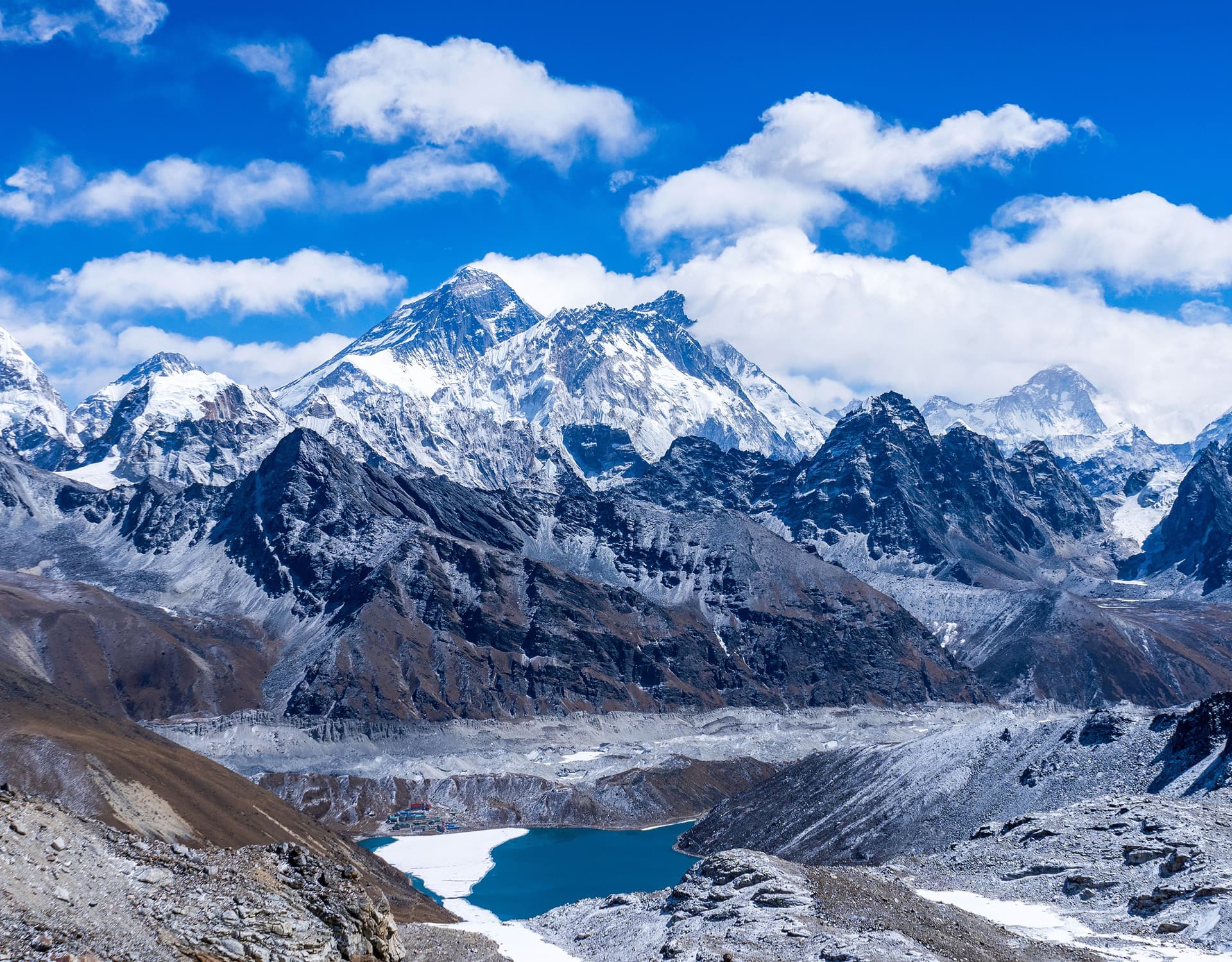
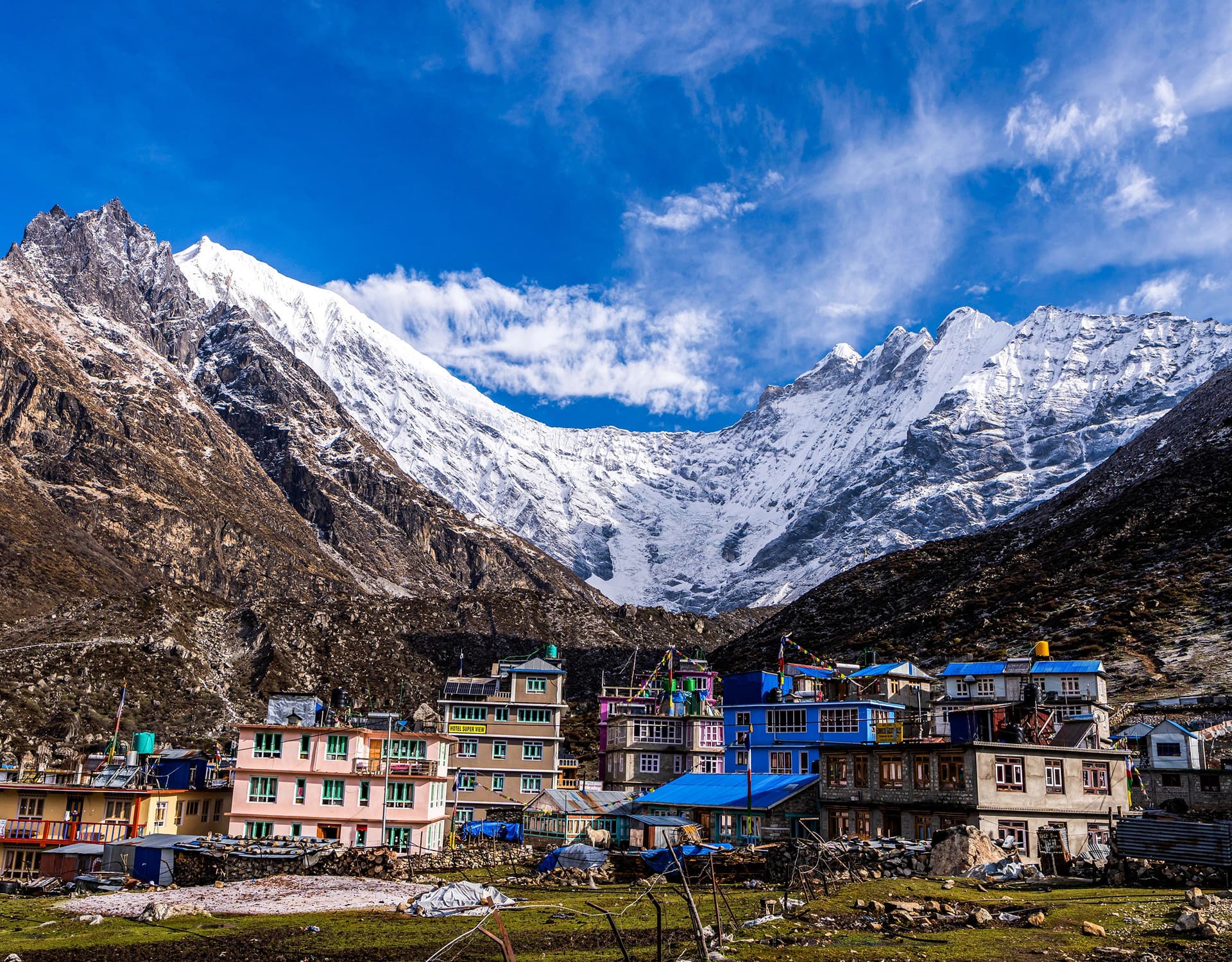
The Annapurna Circuit Short Trek is located in the historic Annapurna region in western Nepal, which is not only the most varied and popular trekking area in Nepal but also home to some of the most interesting trekking routes. Year after year, thousands of trekkers from across the globe are drawn to this region to experience unique treks in Nepal. Whether it is a three-week trek to the exotic Mustang or a short three-day trek to take in the scenic mountain views, there is something to suit every individual's interests. The Annapurna Circuit Short Trek is a trek that promises to help you realise your dreams. It can be aptly described as a complete-package trek, providing you with the perfect mix of everything. As it is a circuit trek, the return route is different.
DestinationNepal
Duration14 days
GradeModerate to Adventurous
ActivitiesTrekking
AccommodationTea-House and Lodge
Max. Elevation5416m.
Group SizeMin. 1 Pax
Vehicleprivate vehicles
MealsBreakfast, Lunch, and Dinner during The Trek
Overview
The short Annapurna Circuit Trek lies in the legendary Annapurna region of western Nepal, the most diverse and popular trekking region in Nepal. Every year, the area attracts thousands of trekkers from halfway around the world for unforgettable Nepal trekking experiences in the western Himalayas. Be it a three-week trek into the majestic Mustang or a short, easy three-day trek for panoramic views of the mountains, there is a trekking itinerary suitable for everyone. The Annapurna Circuit short Trek is one of the most enriching trekking experiences in the region. It can be described as a complete-package trek that offers just the right amount of fun, adventure, exploration, and relaxation. Since it is a circuit trek, we will take a different route on the way back to complete the loop. Trip Highlights:
Trek & traverse Thorong-la at a 5,416-meter / 17,700-feet high pass.
Tremendous, picturesque landscapes with close views of high peaks.
Dramatic change in scenery from sub-tropical, alpine to arctic zone.
Fascinating old Buddhist religion, traditional villages with rich culture.
Enchanting woodlands of tall rhododendrons, pines, and oak trees.
The trekking itinerary has been designed to ensure there is no room for monotony. With the challenging Thorong La Pass hike, the Short Annapurna Circuit trek will be a very adventurous holiday, perfect for trekkers seeking an adrenaline rush. Similarly, the Annapurna semi-circuit trek to the historic and forbidden kingdom of Mustang will give you a surreal Old-World vibe. In this way, the Annapurna Semi Circuit Trek is truly gratifying and a one-of-a-kind trek in Nepal. The 14-day Annapurna Circuit trek begins with an eight-hour drive from Kathmandu to Besisahar in Lamjung District. As we commence our Trek northwards, we will witness a dramatic variation in the region's landscape, from serene terraced fields to rhododendron, pine, oak, and fir forests. Further northward, we will trek through the windswept valleys and terrains as the mountains appear nearer and nearer. On the fourth day, as we trek through the picturesque hamlets of Chame and Pisang, we will reach the village of Manang. Manang itself is a tourist hotspot with its unscathed natural and cultural beauty. Trekking to and crossing the Thorong La Pass is one of the most enthralling and adventurous highlights of the entire Short Annapurna Circuit Trek. Similarly, on the way back, we will trek through the Mustang district. A forbidden kingdom until a decade ago, the region boasts an impeccable history and culture, palpable in its tangible and intangible heritage. The Trek ends in Pokhara, a famous tourist destination in Nepal. In addition to the region's natural beauty, it also boasts rich history, culture, and traditions. The Gurungs, the traditional inhabitants of the area, have impressively preserved and celebrated their ancient culture and civilisation, as evidenced in their lifestyle to this day. During the homestay, trekkers will have the fantastic opportunity to experience their warm hospitality and live a traditional Gurung lifestyle for a few days. In short, the Annapurna Circuit trek is a one-of-a-kind, awe-inspiring journey that combines history, adventure, and serenity. Although it is a moderate-level trek, trekkers should have prior trekking experience, especially since the itinerary involves crossing the Thorong La Pass at a very high elevation.
Itinerary of Short Annapurna circuit Trekking - 14 days
Your airport representative will meet you and welcome you on your first day in this lovely nation. They will then be waiting to pick you up and take you to your hotel. After the meeting, you will be driven to the selected accommodation in Kathmandu's Thamel area. After you check into the hotel, you may rest for a bit. Upon arrival at our office, we will welcome you, introduce you to your guides, and give you a trip briefing. By addressing any concerns you may have, you can ensure you're prepared for the journey ahead. Also, you will prepare your trekking supplies after the briefing. After the preparation is complete, you may hang out at the restaurants or relax in your hotel room. Additionally, you get to experience the vibrant atmosphere and mouthwatering Nepalese cuisine of Kathmandu while learning about its unique blend of ancient traditions and modern practices. Overnight at the hotel in Kathmandu.
Max. Elevation:1300 M
Duration:30 Mins
Distance:6.2 KM
We will travel by private vehicle through Pokhara on our way from Kathmandu to Besisahar this morning. We'll travel in style for eight hours to Jagat Village, passing along Nepal's major highway, which will be fascinating to observe. We will head west and continue to the Trisuli River, which will offer vistas of the Ganesh, Langtang, Annapurna, and Manaslu ranges. Finally enjoying the views, we will arrive in Besisahar, take the jeep route, and make our way to the mid-hills, where the Jagat settlement is located. Overnight at the lodge in Jagat.
Max. Elevation:1290 M
Duration:7 hours
Since we need to gain some altitude today, we'll get started early. We will have breakfast before heading out to Tal. First, we'll begin with a gradual route to Chamje, which passes by the twisting Marsyangdi River before crossing to the east bank and into the forest. The journey provides views of the mountain peaks in the Manaslu and Annapurna ranges. After that, we continue on a broad trail until we reach Tal Besi. After lunch in this charming village in the Marsyangdi Valley, we will continue to Dharapani. Overnight at the lodge in Dharapani.
Max. Elevation:1920 M
Duration:5 Hours
After a pleasant night in Dharapani, we will take a morning walk along a broad route into the peaceful rhododendron- and pine-covered hills, then head to the towns of Bagarchap and Danque. From here, we'll move on to Tamang Village, which offers a stunning view of Mount Manaslu. From Timang, we will head towards Koto with the spectacular views of Lamjung Himal, Annapurna II, and Annapurna IV. Finally, on the route to Chame, we will walk across the small hot springs, where we can dip in and relax our tired muscles. Overnight at the lodge in Chame.
Max. Elevation:2670 M
Duration:5 hours
We will set off from Chame on a trek that will take us through a lovely forest of rhododendrons and pine trees and into the crisp, revitalizing mountain air. After that, a short uphill and downhill trail leads to Bhratang village beside the Marshyangdi River. From this settlement, you will ascend a winding slope through the forest until you reach Dhukure Pokhari. Here you will stop for lunch. This location has a few lodges with views of the Chulu Peaks and Pisang Peak, as well as the Pisang settlement below the Marsyangdi River valley. After finally traversing the valley's steepest sections and most challenging terrain, the valley opens out, and we continue our walk to Lower Pisang to spend the night there.
Max. Elevation:3230 M
Duration:5 hours
Pisang is a windy town with stunning views of the desert regions. You will ascend from here, which will allow you to walk through gorgeous woods. You can ascend to a ridge with breathtaking views of Hongde hamlet in less than an hour from Pisang. Additionally, the small airport here offers stunning views of Pisang Peak, Gangapurna Chulu, Annapurna II, and Annapurna III. After that, you will descend to the Hongde settlement in the flat Marsyangdi River valley. The tree lines vanish as you descend and are eventually replaced by a desolate desert landscape with a chilly, dry climate, leading to the settlement of Braga. You may visit the historic monastery in Baraga Village, which has antique Buddhist artifacts and wall paintings and provides breathtaking views of the Annapurna Himalaya. Finally, you will check into a pleasant, comfortable lodge in Manang village after an hour's hike from here.
Max. Elevation:3540 M
Duration:5 Hours
We will stop in Manang today so our bodies can adjust to the higher altitude. As we adapt to the environment, we'll keep ourselves occupied by taking a little trip to either Gangapurna Lake or Bhojogumba. If there is still time, we will also visit the village of Braga, where we may stop by the Himalayan Rescue Association, which provides information on altitude sickness. Overnight at the lodge in Manang.
Max. Elevation:3700 M
Duration:4 Hours
After a beautiful night's sleep at Manang yesterday, we'll set out this morning on the twisting uphill path to Yak Kharka, which will take us toward Ghunsang village. This trek is remarkably achievable due to its high altitude and stunning mountain vistas. After a little bit of walking, we will arrive at Yak Kharka, a tiny village with few lodges and spectacular views of the Gangapurna, Annapurna III, and Chulu Peaks.
Max. Elevation:4110 M
Duration:5 Hours
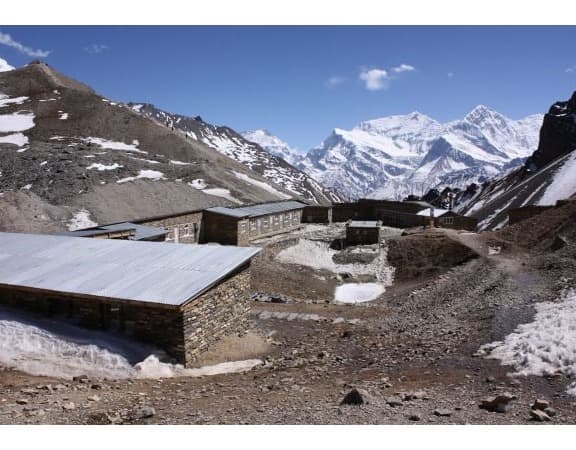
We will get into considerably higher terrain as we move toward Thorang-la from Yak Kharka. But first, we will go towards Thorung Phedi. To go to Thorung Phedi, we must ascend along the Jarjung River's bank and pass a bridge. From here, we must climb steeply for an hour to reach Thorang High Camp, where we will spend the night and prepare to cross Thorung La Pass the next day.
Max. Elevation:4600 M
Duration:4 Hours
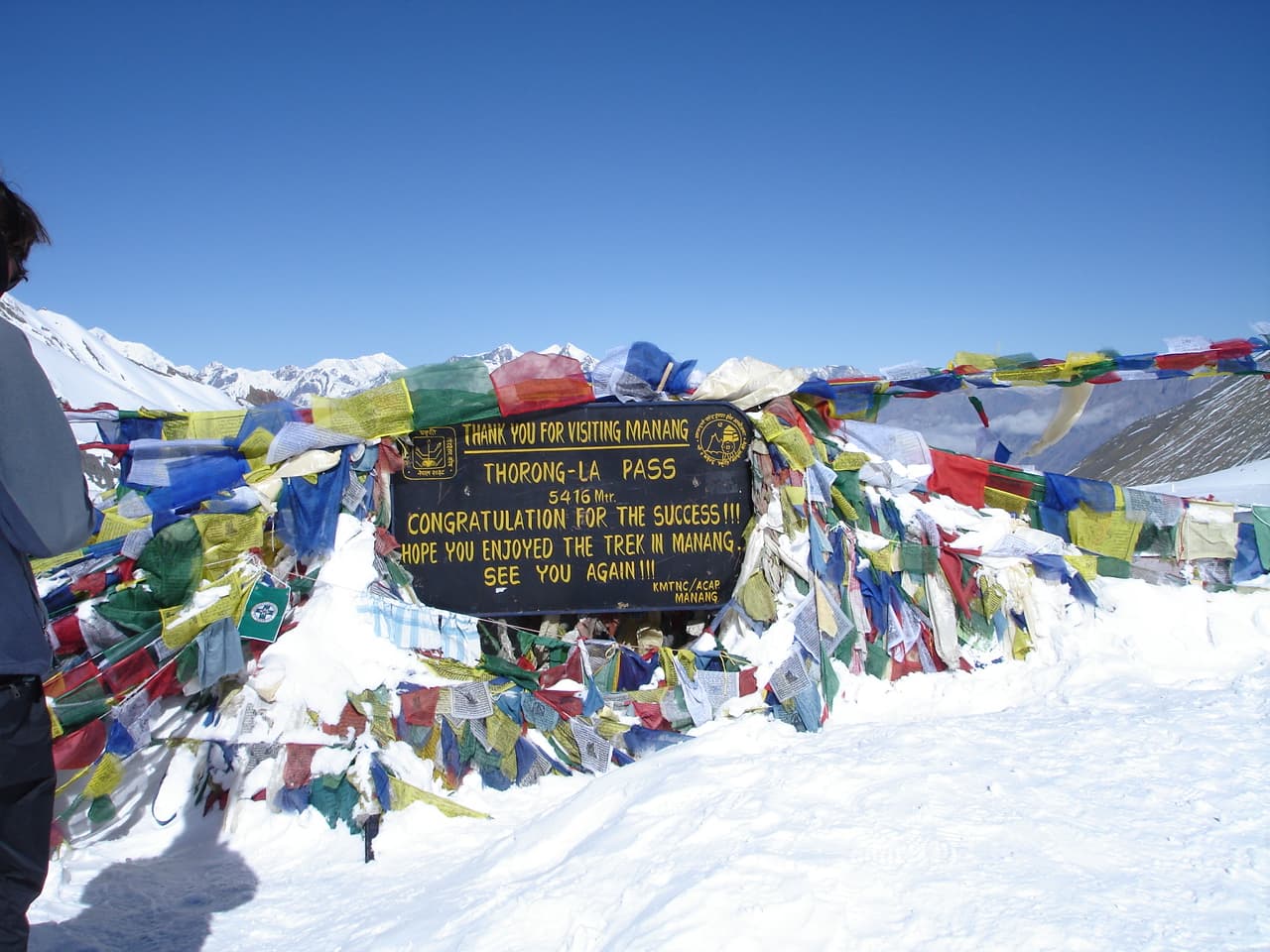
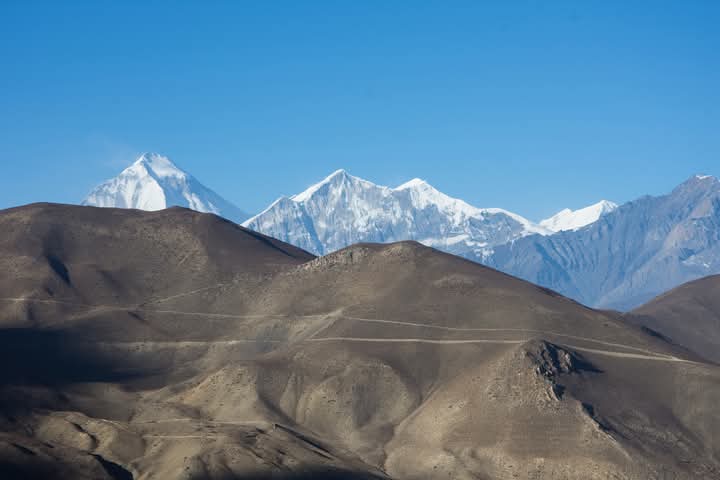
We will cross the Thorong La pass today, a high pass at 5,416 meters (17,769 feet), making it a remarkable day for you. You will be welcomed with breathtaking views of Mt. Dhaulagiri, Tukuche, Mustang Himal, Annapurna II, III, and the Gangapurna mountain range after a strenuous trek at high elevation and in thin air. After breathtaking vistas, we shall descend to Muktinath, located at 3,800 meters. When we get to Muktinath, we'll stop and spend the night there. Muktinath is one of the oldest and holiest temples, revered by both Hindus and Buddhists, and is translated as "the place for Nirvana or Liberation."
Duration:7 Hours
After visiting this holy site, we will head to Jomsom today. In the morning, we descend to the Kaligandaki River valley. You will traverse across the expansive Kaligandaki river valley on this enjoyable stroll, pausing briefly at EkleBhatti. Moving forward, the route becomes windier in the late afternoon as you approach Jomsom. From here, it takes about 2 hours to trek to Jomsom. It is the administrative center of the Mustang region, with an airport located above the Kaligandaki River. We arrive here in the late afternoon and are free to roam the area. Overnight at the lodge in Jomsom.
Max. Elevation:2715 m
Duration:5 Hours
Today, we will catch a short scenic flight from Jomsom to Pokhara. We'll make an effort to board the earliest available flight to Pokhara. After settling in at the Pokhara Hotel, we'll either rest or explore the Lakeside neighborhood. Here you can hang out at the restaurants and bars in the evening and chill. Overnight at the hotel in Pokhara.
Max. Elevation:900 M
Duration:30 Mins
You will take a picturesque journey from Pokhara to Kathmandu after an early-morning meal in Pokhara. Usually, it would take 6 hours to drive back to Kathmandu through beautiful terrain, and 30 minutes to fly back over breathtaking scenery. Whichever you choose, upon arrival in Kathmandu, we will drive you to your hotel so you can relax for a bit before exploring the city later in the day. Overnight at the hotel in Kathmandu.
Max. Elevation:1300 M
Duration:6 Hours
Your last morning in this magnificent country will be spent enjoying a fantastic breakfast. After spending an amazing weekend in the mountains with you, we must say goodbye to you today in a very uncomfortable way. Three hours before takeoff, a courteous representative will escort you to the terminal at Kathmandu International Airport. We hope to run into you again in the future, even if we've gone our separate ways right now.
Max. Elevation:1300 M
If the provided schedule isn't suitable for you, we can create personalized travel arrangements.
A "standard package" for the Short Annapurna Circuit Trek is a comprehensive and all-inclusive option for trekkers with limited time who still want to experience the highlights of the iconic circuit, including crossing the Thorong La Pass. These packages are typically 8 to 14 days long and offer a balanced experience without a high price tag.
Book your own private small group trip
**Discounts are determined exclusively by the size of your group. We do not add additional members to your group.
July 2026
Su
Mo
Tu
We
Th
Fr
Sa
28
29
30
1
2
3
4
5
6
7
8
9
10
11
12
13
14
15
16
17
18
19
20
21
22
23
24
25
26
27
28
29
30
31
1
Sold out dates
US $0US $0 per person (based on 1 people)
Cost Includes
Pickups and drops from hotels and airports.
3-star category hotel in Kathmandu and Pokhara, and teahouses during the trek.
Breakfast in Kathmandu and Pokhara, and all meals during the trek. (BREAKFAST, LUNCH, AND DINNERS).
Kathmandu to Besi Sahar by private transport, Pokhara to Kathmandu by tourist bus, and Besi Sahar to Jagat by local transport.
Domestic flight fare (Jomsom – Pokhara)
All necessary paperwork and permits (ACAP, TIMS)
All our government taxes, VAT, and tourist service charges.
An experienced, knowledgeable, helpful, friendly, and English-speaking guide and porter to carry luggage. (2 trekkers, one porter)
Food, drinks, accommodation, insurance, salary, equipment, transportation, and medicine.
Twins sharing comfortable, clean private rooms during the trek.
Down jacket and sleeping bag by the team Himalaya (which need to be returned after the trek).
Water purification tablets for safe drinking water.
Provide a pulse oximeter to monitor blood oxygen saturation at high altitudes.
Group medical supplies (a first aid kit will be available).
Annapurna Trekking map.
Official expense.
Trip achievement appreciation certificate.
Travel and rescue arrangements.
Local SIM card.
Cost Excludes
Lunch and dinner in Kathmandu and Pokhara.
Personal expenses (phone calls, laundry, Hot and Cold drinks, a porter, a bottle of boiled water, a shower, etc.).
International airfare to and from Kathmandu.
Travel and rescue insurance.
Excess baggage charge.
Extra night accommodation in Kathmandu because of early, late, or early return from the mountain (due to any reason) than the scheduled.
Tips for trekking staff and drivers (tipping is expected).
Route Map
Loading map...
Know Before you Go
Best Time to Go
The best time to do the Short Annapurna Circuit Trek is during spring (March to May) and autumn (September to November). Spring brings colorful rhododendron blooms, lush greenery, and mild temperatures, making the journey vibrant and refreshing. Autumn, on the other hand, is considered the most stable season with crisp air, crystal-clear skies, and spectacular mountain visibility. Winter (December to February) is also possible if you are well-prepared for freezing conditions, as the region becomes quiet with fewer trekkers. The monsoon season (June to August) is not highly recommended due to rain, slippery trails, and leeches, though it offers green landscapes and fewer crowds. Tip: If you want both fewer crowds and good weather, late March and late September are excellent months to trek.
Difficulty
The Short Annapurna Circuit Trek is regarded as a moderate to challenging trek. Trekkers need to walk through diverse landscapes, from terraced farmlands and pine forests to arid high-altitude deserts. The highlight and most difficult section of the trek is crossing the Thorong La Pass at 5,416 m, where the thin air and steep climb demand strong physical endurance and mental determination. Daily trekking hours range from 5 to 7, so previous hiking experience or good physical conditioning is highly recommended. With preparation and proper acclimatization, most trekkers with average fitness levels can complete this trek successfully. Tip: Train for your trip by hiking up hills or stair-climbing while carrying a light backpack to build stamina and leg strength.
Accommodation and Food
Accommodation along the Annapurna Circuit is mostly in tea houses and lodges, which are simple but comfortable. Rooms usually have twin beds with basic bedding, but it is advisable to carry a sleeping bag for extra warmth at higher altitudes. Some villages like Manang and Jomsom also offer more modern guesthouses with better facilities. Food is diverse, with the staple dal bhat (rice, lentil soup, and vegetables) being the most popular option, as it provides good nutrition and energy. Other options include noodles, soups, pancakes, Pizza, pasta, fried rice, and even bakery items in bigger villages. Meals become more expensive as you climb higher due to transportation difficulties, but they are always filling and freshly prepared. Tip: Order meals early in the evening as kitchens in tea houses often close earlier than in cities.
Permits
Two main permits are required for the Short Annapurna Circuit Trek: the Annapurna Conservation Area Permit (ACAP) and the Trekkers’ Information Management System (TIMS) Card. These permits can be obtained easily in Kathmandu or Pokhara before starting your trek. They are mandatory for entry into the conservation area and help ensure safety and proper trekking records. Both are checked at different points along the trail, so make sure to carry them at all times. Tip: Keep digital copies of your permits on your phone in case the originals get misplaced.
Culture and History / Monasteries
The Annapurna region is not only about mountains but also about the rich culture and traditions of the local communities. The trek passes through Gurung, Manangi, and Thakali villages, each with its own unique lifestyle and customs. You will encounter Buddhist monasteries, prayer wheels, and chortens decorated with colorful prayer flags, especially in Manang and Mustang. These monasteries are centuries old and reflect Tibetan Buddhist influence, offering spiritual peace to locals and travelers alike. Experiencing the warm hospitality of these ethnic groups and learning about their traditions adds cultural depth to the trekking adventure. Tip: Always walk clockwise around prayer wheels and chortens to respect local traditions.
Acclimatization and Altitude Sickness
Since the trek goes above 5,000 meters, altitude sickness is a genuine concern. The itinerary includes a vital rest day in Manang to help trekkers adapt to higher elevations. Proper acclimatization involves strolling, staying hydrated, eating light meals, and avoiding alcohol. Early symptoms such as headache, dizziness, loss of appetite, or nausea should not be ignored. The best way to prevent severe altitude sickness is to descend immediately if symptoms worsen. Having an extra day for flexibility in your itinerary can make your trek safer and more enjoyable. Tip: Drink garlic soup or ginger tea available in tea houses, as locals believe they aid acclimatization.
Equipment List
For the Short Annapurna Circuit Trek, a well-organized packing strategy is essential to ensure comfort and safety at varying altitudes. Recommended items include:
Strong trekking boots and layered clothing (base layer, fleece jacket, down jacket, rain jacket)
Warm gloves, hats, and thermal socks
Sleeping bag (rated -10°C or lower for high passes)
Trekking poles for stability on steep and rocky terrain
Reusable water bottle, purification tablets, or filter bottle Sunglasses, sunscreen, lip balm, and toiletries
First-aid kit with personal medicines and altitude pills (consult doctor) Headlamp with extra batteries
Portable charger or solar power bank
Lightweight quick-dry towel
Extra pairs of trekking socks and innerwear
Gaiters for snow or muddy trails
Flip-flops or light sandals for use in tea houses
Lightweight snacks such as energy bars, nuts, or chocolates for long trekking days
Map, notebook, or trekking journal to record your journey
Lightweight rain cover or waterproof backpack cover Carrying these items ensures you are prepared for changing weather conditions, rough terrain, and limited facilities at high altitudes. Packing light but smartly is the key to enjoying the trek without unnecessary burden.
Tip: Pack essentials in waterproof dry bags to protect them from rain or snow.
Travel Insurance
Travel insurance is a must for anyone trekking in the Annapurna region. The policy should cover high-altitude trekking, medical emergencies, accidents, and helicopter evacuation. Since Thorong-La Pass is over 5,000 m, the risks of altitude sickness or sudden weather changes are real. Having insurance ensures that in case of emergencies, evacuation and medical costs are covered without hassle. Always check your policy details before starting the trek, and make sure it includes coverage for trekking above 5,000 m, as some standard policies exclude such adventures. Tip: Carry both a digital and a printed copy of your insurance policy, along with emergency contact numbers.
Transportation
The journey begins with a drive from Kathmandu to Jagat via Besisahar, which takes around 7–8 hours depending on road conditions. From the end of the trek, most trekkers either fly from Jomsom to Pokhara or take a long drive. The drive offers scenic views of terraced hills, rivers, and mountains, while the short flight is thrilling with aerial Himalayan views. In some sections, roads can be bumpy and dusty, so carrying a face mask and motion sickness tablets can make the journey more comfortable. Travelers can choose between comfort and budget options depending on time and preference. Tip: If your schedule allows, spend a night in Pokhara after the trek to relax before returning to Kathmandu.
Electricity and Communication
Electricity is available in almost all tea houses, though charging electronic devices often comes with a small fee, especially at higher altitudes. Solar power is commonly used in remote villages. Mobile networks like NTC and Ncell work well in lower areas, but coverage becomes weaker as you ascend. Wi-Fi is available in some villages, such as Manang and Jomsom, though the connection can be slow. Carrying a power bank or solar charger is highly recommended for reliability. Some trekkers also rent local SIM cards before starting the trek to ensure affordable communication with family and friends. Tip: Switch your phone to airplane mode when not in use to save battery during long trekking days.
Drinking Water
Safe drinking water is essential for the trek. Bottled water is available, but it becomes more expensive the higher you go, and it contributes to plastic waste. A better alternative is to refill bottles with boiled water from tea houses or use purification tablets and water filters. Carrying a reusable bottle not only helps reduce costs but also supports eco-friendly trekking. Staying well-hydrated is one of the best ways to minimize the risk of altitude sickness, so aim to drink 3–4 liters of water daily while trekking. Tip: Add electrolyte powders or hydration salts to your water to replace minerals lost while sweating.
Guide and Porter
Hiring a licensed trekking guide is highly recommended for the Short Annapurna Circuit Trek. Guides provide valuable insights into the culture, ensure safety on challenging routes, and assist in emergencies. Porters are also available to carry heavy bags, allowing trekkers to walk more comfortably and focus on enjoying the scenery. By hiring guides and porters, trekkers also contribute to the local economy, supporting the livelihood of mountain communities. Trekking companies also ensure fair wages and proper gear for porters, making it a responsible way to travel. Tip: Pack your bag smartly, separating essentials into a daypack so the porter carries only what’s needed for the day.
Money and Payment
The official currency of Nepal is the Nepalese Rupee (NPR), and cash is the most reliable method of payment along the Annapurna Circuit. ATMs are available in Kathmandu, Pokhara, and some lower villages, but they are scarce in higher altitudes. Credit cards are rarely accepted in tea houses, so it is best to carry sufficient cash to cover meals, lodging, and personal expenses during the trek. Small denominations are especially useful, as locals often cannot provide change for extensive notes. A budget of $25–50 per day is usually enough for meals, accommodation, and small personal expenses during the trek. Tip: Store your cash in two separate places, such as a money belt and a backpack, for safety.
Health and Safety
Carrying a basic first-aid kit is highly recommended for trekkers. This should include medicines for altitude sickness, headaches, stomach upsets, and minor injuries. Sunscreen, sunglasses, and mosquito repellent are also essential for changing weather conditions. Although there are health posts in some villages like Manang, serious medical emergencies require evacuation to Pokhara or Kathmandu. Maintaining hygiene, eating freshly cooked meals, and drinking purified water can significantly reduce the risk of illness during the trek. Tip: Carry hand sanitizer and wet wipes, as washing facilities may be limited in remote areas.
Trips Booking & Payment:
Dear Guests and Travelers to Nepal and other Himalayan destinations, please make sure you have understood our Terms and Conditions after carefully reading the mutual contract and legal process, as this will undoubtedly help maintain our long-term relationship.
After selecting the trip of your choice from our varied programs and itineraries, the first step in the booking procedure is to fill out our booking form and, upon completion, send it with a 25% deposit for Nepal Trips and a 40% non-refundable deposit for Tibet & Bhutan Trips.
Along with the completed form, you are required to email your passport copy and flight Ticket with all details to us in the Kathmandu office at Team Himalaya ([email protected]).
Upon receiving your passport copy and details, along with your completed booking form and non-refundable deposit, we will send you a final confirmation receipt and acknowledgment.
All deposits are required for selected trips, per person. We will email you with the direct deposit procedure and details.
As per the booking and Trip money transfer, service charges of the respective banks may apply and should be paid at the time of deposit.
We will email you the details for making payments with your credit card once you have filled out the Booking form.
We accept Visa or MasterCard only, with a 4% processing fee applied to credit cards, and wire transfers are charged by the Banks as a service.
The Condition for clearing the remaining balance as per the trip booked is as follows:
The remaining due balance for all Nepal Trips should be paid and cleared upon arrival.
The remaining balance for other Himalayan countries, such as Bhutan and Tibet, as well as for all multi-country tours, must be cleared within 35 days of your trip departure date.
Team Himalaya Treks & Expeditions (P) Ltd reserves the right to cancel your trip if the full amount is not paid on time.
In certain circumstances, we will accept your last-minute booking at least a week before the tour departure date for all trips; in this case, full payment is required.
How to pay your selected trip deposit:
Credit Card (Visa & Mastercard):
Please call us at 00977-9841824281 to pay over the phone.
Payment:
Please deposit by wire Transfer to Team Himalaya (P) Ltd and post it to the address below:
Bank Address: Nepal Investment Mega Bank Nepal Limited.
Bank address: Thamel, Kathmandu
Account No: 13201050052719.
Account Type: local currency (Nepali)
Bank SWIFT code: NIBLNPKT
Or
Company Address: Team Himalaya (P) Ltd
Bank Transfer:
Bank Address: Himalayan Bank Limited.
Bank address: Tridevi Marg, Thamel, Kathmandu
Account No:01908416120019.
Account Type: Foreign Currency (USD)
Bank SWIFT code: HIMANPKA.
Refund & Cancellation:
The company will not issue a refund for the 20% deposit amount in the event of cancellation of your trip for any reason.
After paying the full amount for any selected trip, you are entitled to a refund if you cancel your trip by notifying us as soon as possible, provided the charge is reasonable under the company's rules and regulations.
Still, the cancellation charge is invoiced to you. Written notification of your cancellation should be made to cancel any trip. Nevertheless, you have imposed a cancellation charge as advised below:-
60 days or more deposit retained 45 – 50 days before departure 50% 30 – 40 days before departure, 75% 20 days before departure, 100%
Extra Supplement Charge:
Team Himalaya Treks & Expeditions (P) Ltd tour/trek packages, rooms, or tents are provided on a twin-sharing basis. Thus, a single-room supplement will be charged for clients who do not have another tour participant to share a room/tent with. It also applies to clients who need a single supplement in hotel or lodge tents/rooms.
Early return from any Tours or Treks:
No refunds will be issued to clients who return early from our trips for personal, domestic/medical, or other personal reasons, regardless of any portions of the itinerary that remain unused.
Amendment in Trip Cost:
Team Himalaya Treks & Expeditions (P) Ltd. reserves the right to revise or change the trip costing rate posted on our website, under any circumstances, or on the pressure of various external factors beyond our control, for instance, changes in exchange rate, government action, etc. inflation, however assuring that we will put our effort as much possible to keep the present cost rate as it is.
Unforeseen Circumstances:
If the company has to cancel the trip due to unforeseen circumstances such as natural disasters, political conflict, unfavorable weather, or road closures, we will refer you to an alternative trip of a similar type and standard.
Even if this doesn’t suit your preferences and interests, all trip prices you pay to our company will be refunded, with an administration and trip arrangement charge of 15-20%, depending on the trip chosen.
Please note that any other expenses incurred by you as a result of this booking are entirely your responsibility.
Travel / Medical Insurance:
We strongly recommend that all booking Clients acquire Travel and Medical Insurance as a condition of all our tours, trekking, and climbing trips. It should include adequate protection for tour/trekking/climbing/rafting or any other adventure sports, covering personal injury, death, medical expenses, and repatriation/emergency evacuation expenses by any means of transportation, such as helicopter rescue or air ambulance, as well as adequate baggage cover.
Children and Elderly people:
An authorized guardian by the parents must accompany all travelers under the age of sixteen.
A person of more than 70 years of age, although in good health, still needs a partner, family member, or friend to accompany he/she.
If you have any queries regarding age and suitability, please get in touch with us for further information.
Nepal / Tibet Visas & Passport Conditions:
All clients must have a valid passport with at least six months of validity from the return date of travel.
Nepal visas can be obtained from the Nepal Consulate or Embassy in your country or upon arrival at Kathmandu Tribhuvan International Airport. The costs of Nepalese visas are the sole responsibility of clients. All clients must have a valid passport with at least 6 months of validity from the return date. As you are unable to obtain visas to Tibet, you need to send your passport details to Team Himalaya Treks & Expeditions for visa applications to travel in Tibet. We require this information at least three weeks before departure.
Risk and Liabilities:
Team Himalaya's primary concern is your safety and satisfaction, including our staff's welfare; therefore, we carry out all our assignments sincerely & honestly to ensure your holiday is hassle-free and free of problems.
Nevertheless, unless otherwise stated, the trip may be changed due to unforeseen or inherent circumstances, such as landslides, roadblocks, floods, heavy snow, political unrest, flight cancellations, delayed arrivals, sickness, or accidents. Any extra cost incurred there is your responsibility and should be borne on the spot.
Flight Delay/Cancellation:
Possibility of domestic flight delay or postponement due to bad weather in the Himalayan regions, which sometimes happens, in particular around the Everest region, Lukla, Phaplu, Annapurna / Mustang / Manang region, Humde, Jomsom, and on the Far West Dolpa, Simikot, and Jumla region, and on the Far East sector, Tumlingtar, and Taplejung area.
Trekking in remote areas, or as described above, especially during the off-season, you are strongly advised to reserve extra days to account for delays and avoid frustrating consequences.
In case of flight cancellation, pre-tour/post-tour, you need to bear the accommodation and food costs yourself.
Our Responsible Adventure Policy:
Our entire tour/trekking guide representing Team Himalaya Treks & Expeditions deserves all authority during tours, trekking/rafting, and climbs.
Team Himalaya Treks & Expeditions will make every effort to ensure every trip is comfortable and satisfactory. Still, one must understand that countries in the Himalayas or in the Third World and Developing Countries like Nepal cannot afford many Western and highly developed facilities; however, we will do our best to make your trip enjoyable and memorable while with us.
Weather is another factor that directly affects some trips; hence, patience, enthusiasm, and proper preparation before heading out are a must.
Your personal belongings:
On any account, we’re not responsible for any loss or damage to your baggage/luggage or property, even when it is shouldered by our porters, ponies, or vehicles. Our trip escorts and guides will provide necessary safety precautions so that this does not arise while with us.
Papers & Documents:
All necessary papers and documents should be presented in sequence, for example, to issue visas, required permits, etc. We’re not accountable if any trip formalities aren't completed in time before the trip departs due to the absence of essential papers and documents.
We had a very successful EBC trek in October 2024 because of Team Himalaya! Our guide, Raj, was very knowledgeable in all things Everest. He set us up in the best lodges where we had great service all along. He provided us with a superb porter, who also went above and beyond in taking care of us. Raj was very patient with us and was always looking out for our best interests. We would highly recommend Team Himalaya for any trek!
AAlec S1st Apr, 2024
Everest Base Camp Team Himalaya March 2024
We have just returned from a 14 day, 11 day hike with Raj and Durga from Team Himalaya to Everest Base Camp. From the minute we landed to our departure we were properly looked after and cared for by Team Himalaya. The trek to and from Everest Base Camp was wonderful, our guides and porters really looked after us and were incredibly knowledgeable. In Nepal things can go wrong especially with flights to and from Lukla but Team responded magnificently and found alternative solutions. If this is on your bucket list as ours and you are looking for a company to organise this with I would 100% recommend Raj.
JJourney379926937861st Apr, 2024
Reaching Everest Base Camp with TEAM HIMALAYA
If you are looking for an adventure of a lifetime, don’t hesitate! Choose TEAM HIMALAYA for your Everest Base Camp trek! We completed the EBC trek early November 2023 . My husband and I chose to do a private trek with Team Himalaya. Everything went smoothly with our guide Raj. His team and organization is outstanding! We could not have done it without him. Raj took care of everything throughout the trek and made sure we were well at all times, even providing us fresh fruits every night after dinner! We felt safe at all times , his experience and knowledge of the Himalayas helped us achieve our goal in reaching the EBC! His professionalism went beyond our expectations from our first contact with him for information until the very end. We will forever remember this expedition and gained a friend in our guide Raj!
eevanhH6577DL13th May, 2023
Incredible Experience by evan
It was an incredible experience being surrounded by the towering Annapurna Himalayas. This memorable trek through Nepal offered the best scenic views and stunning landscapes. Despite being surprised at how quickly the trek ended, the daily walks were filled with dramatic views that left a lasting impression.
I highly recommend this adventure, as it is one of the best base camp treks in the Himalayas with minimal risk of altitude sickness. Although there were steep ups and downs that were tiring on some days, the breathtaking views made it all worth it. This was easily the most exciting trek I have ever experienced.
I want to thank Team Himalayas and Raj for providing exceptional service with their expert guide and staff.
Frequently Asked Questions About the Short Annapurna circuit Trekking
How long does the Short Annapurna Circuit Trek take?
The Short Annapurna Circuit Trek usually takes 10 to 14 days, depending on your starting point, pace, and itinerary. Some trekkers extend it with side trips to Tilicho Lake or surrounding villages.
What is the highest point of the trek?
The highest point is Thorong-La Pass at 5,416 meters, which is also the most challenging section of the trek. Proper acclimatization and preparation are necessary for crossing it safely.
Do I need a guide, or can I trek independently?
While independent trekking is possible, hiring a licensed guide is highly recommended for safety, navigation, and cultural insights. Guides also assist with altitude-related issues or emergencies.
Are permits required for this trek?
Yes, two permits are mandatory: the Annapurna Conservation Area Permit (ACAP) and the Trekkers’ Information Management System (TIMS) Card. These can be arranged in Kathmandu or Pokhara.
What level of fitness is required?
A moderate to high level of fitness is required as trekkers walk 5-7 hours daily across varied terrains. Previous hiking experience is helpful, but not mandatory, with proper training.
What type of accommodation is available?
Accommodation is mostly in tea houses and lodges. They are basic but comfortable, featuring twin-sharing rooms and a common dining hall. Some larger villages offer upgraded guesthouses with better facilities.
What kind of food is available on the trek?
Tea houses serve dalbhat (rice, lentil soup, vegetables), noodles, soups, pasta, pancakes, fried rice, and hot drinks. In larger villages like Manang and Jomsom, bakeries and more diverse menus are available.
Is altitude sickness a risk on this trek?
Yes, altitude sickness is possible as the trek reaches over 5,000 meters. Spending extra days in Manang for acclimatization and strolling while well hydrated reduces the risk.
When is the best time to do the trek?
The best time is spring (March to May) and autumn (September to November). Winter is quieter but cold, while the monsoon brings rain and leeches, making it less favorable.
How much does the trek cost on average?
On average, budget $25 50 25-50per day for meals, accommodation, and small expenses. Including permits, transport, and guides, the total cost usually ranges from $800 to $1,200, depending on the duration.
Can I charge my phone and camera during the trek?
Yes, most tea houses provide charging facilities, often for a small fee. Carrying a power bank or solar charger is highly recommended, especially at higher altitudes.
Is drinking water available on the trail?
Yes, bottled water is sold, but it gets expensive as you climb higher. Many trekkers prefer boiled water from tea houses or use purification tablets and filters to save money and reduce plastic waste.
What should I pack for this trek?
Essential items include sturdy trekking boots, layered clothing, a sleeping bag (-10°C rated), trekking poles, water purification, a power bank, a first-aid kit, sunglasses, and snacks. Packing light but smart is key.
Are ATMs available along the trek?
ATMs are available in Kathmandu, Pokhara, and some lower villages like Besisahar, Manang, Muktinath, and Jomsom, but they are scarce or unreliable in higher areas. Carry sufficient cash before starting the trek.
How do I get to the starting point?
Most trekkers take a 7-8 hour drive from Kathmandu to Jagat via Besisahar. At the end, you can either fly from Jomsom to Pokhara or take a scenic drive back.
What is the weather like during the trek?
The weather depends on the season. Spring and autumn offer clear skies and mild temperatures, while winter brings freezing nights. Monsoon has rain and slippery trails, but lush green landscapes.
Is it safe to do the trek alone?
Yes, it’s generally safe as the route is popular and well-marked. However, having a guide or trekking partner is advisable for safety at high passes and during emergencies.
Are there health facilities available on the trek?
Basic health posts are available in villages like Manang, but for serious emergencies, helicopter evacuation to Pokhara or Kathmandu is required. That’s why travel insurance is essential.
Can I buy trekking gear in Nepal?
Yes, Kathmandu and Pokhara have many shops selling or renting trekking gear. Branded and budget-friendly options are available, so you don’t need to bring everything from home.
Do I need travel insurance for this trek?
Yes, travel insurance that covers trekking above 5,000 meters and helicopter evacuation is mandatory. Without it, emergency rescues can be extremely costly.