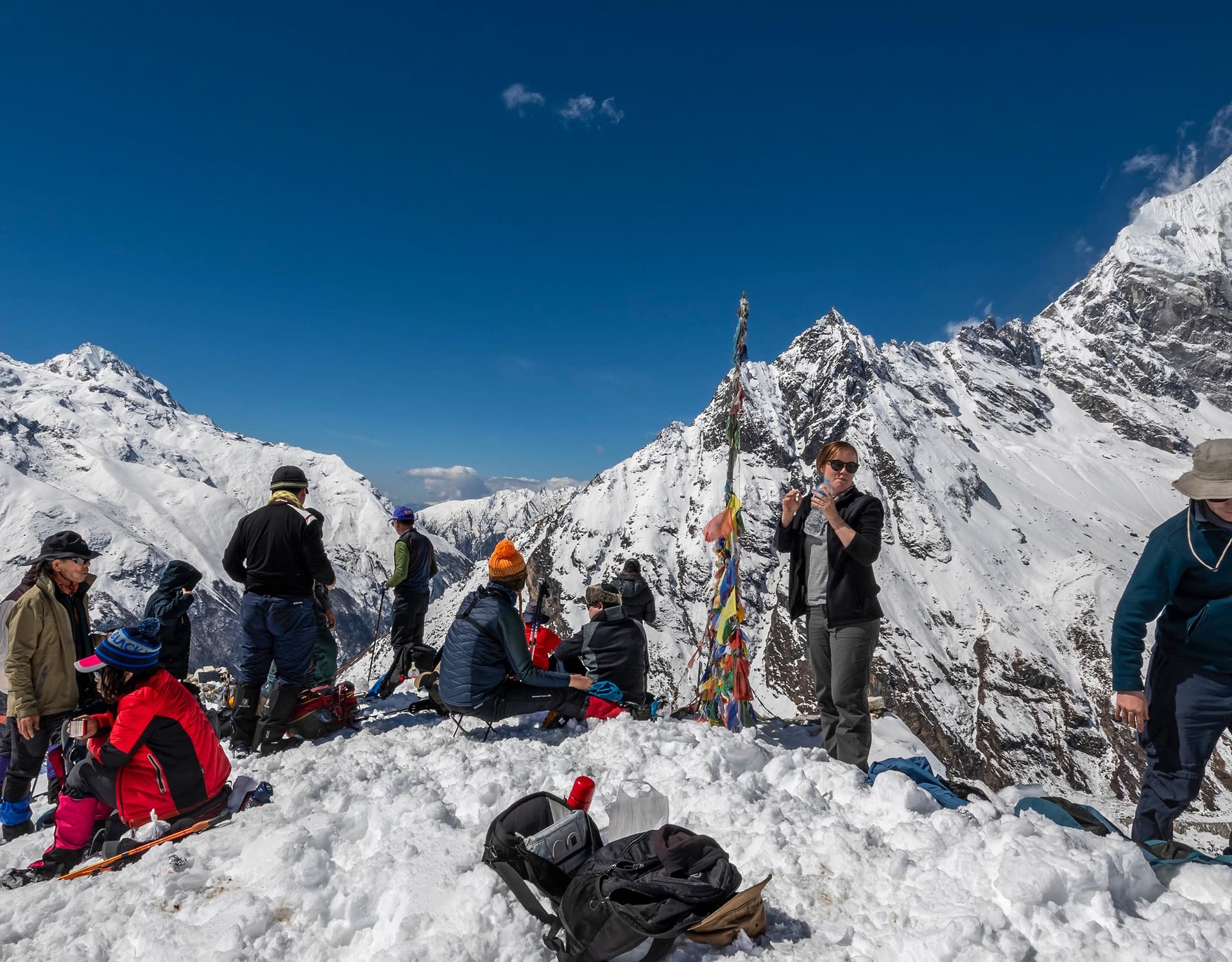
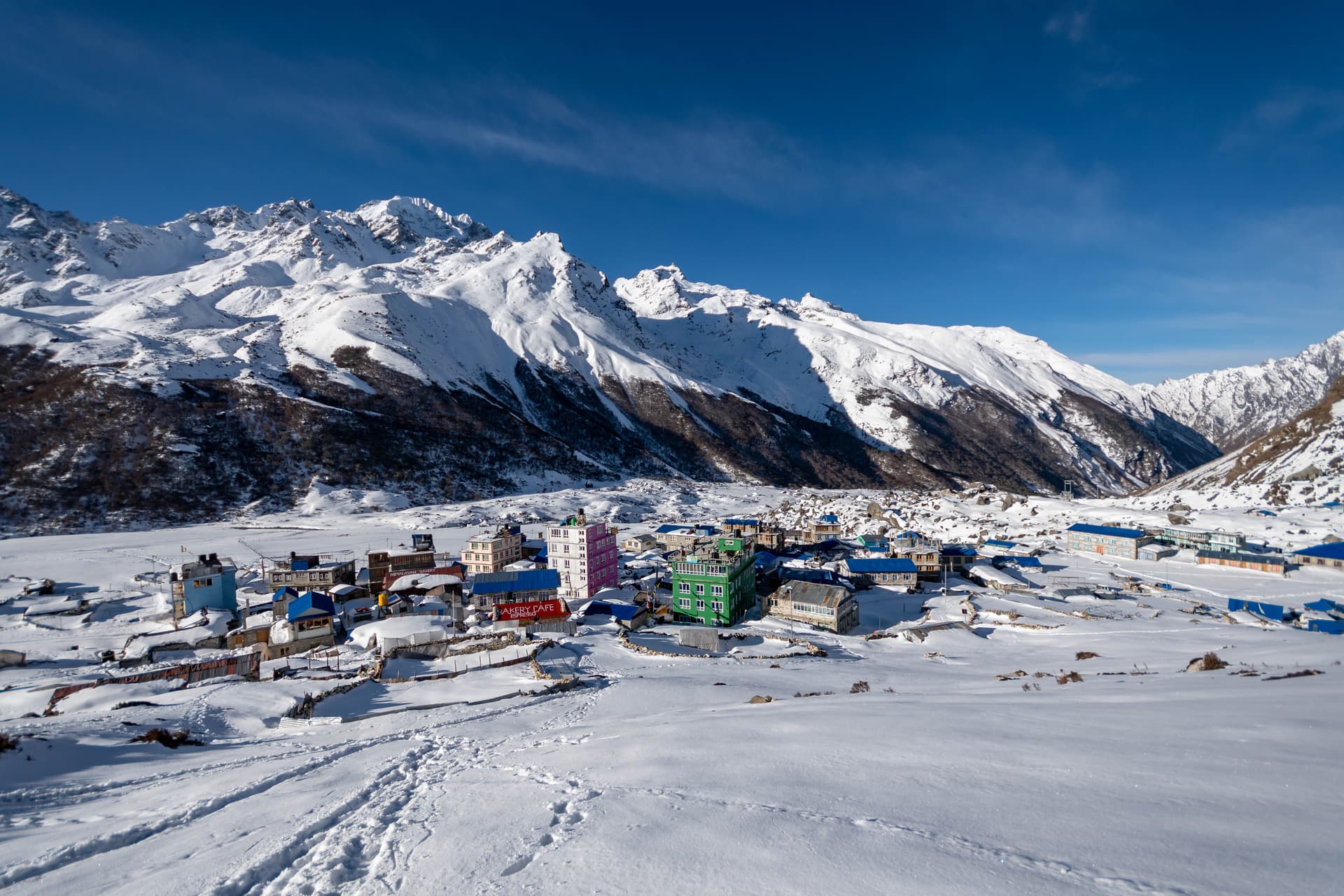
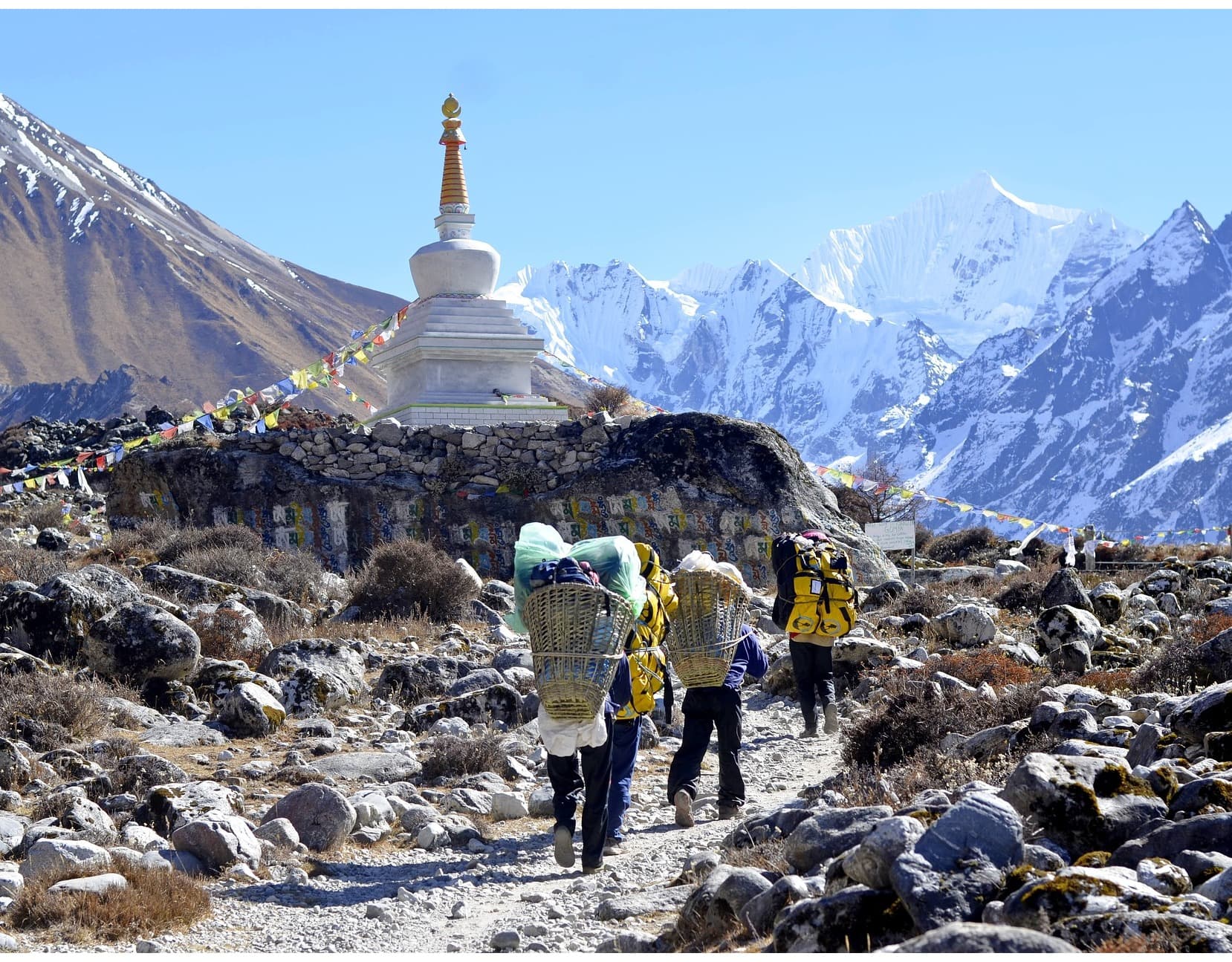
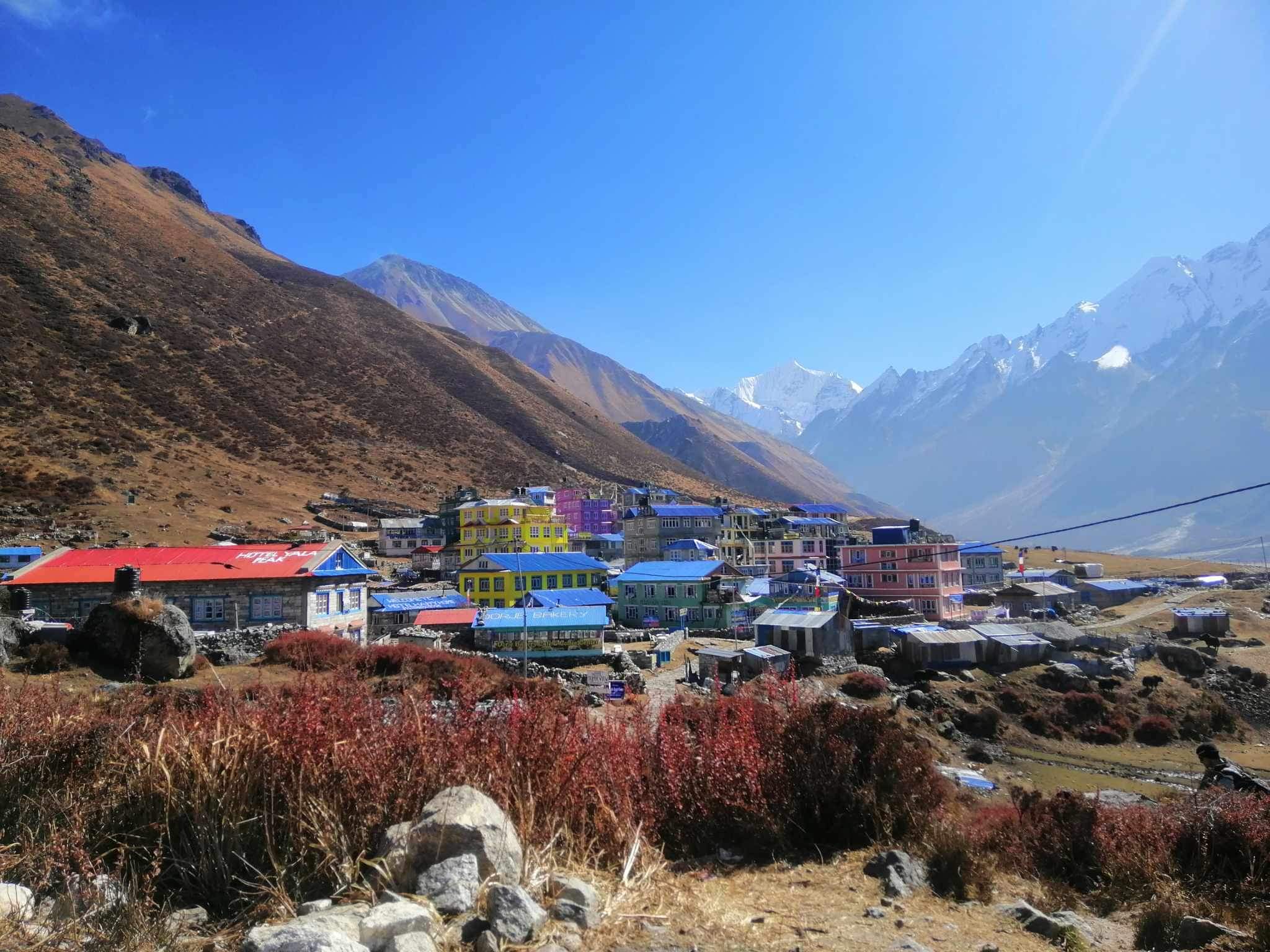
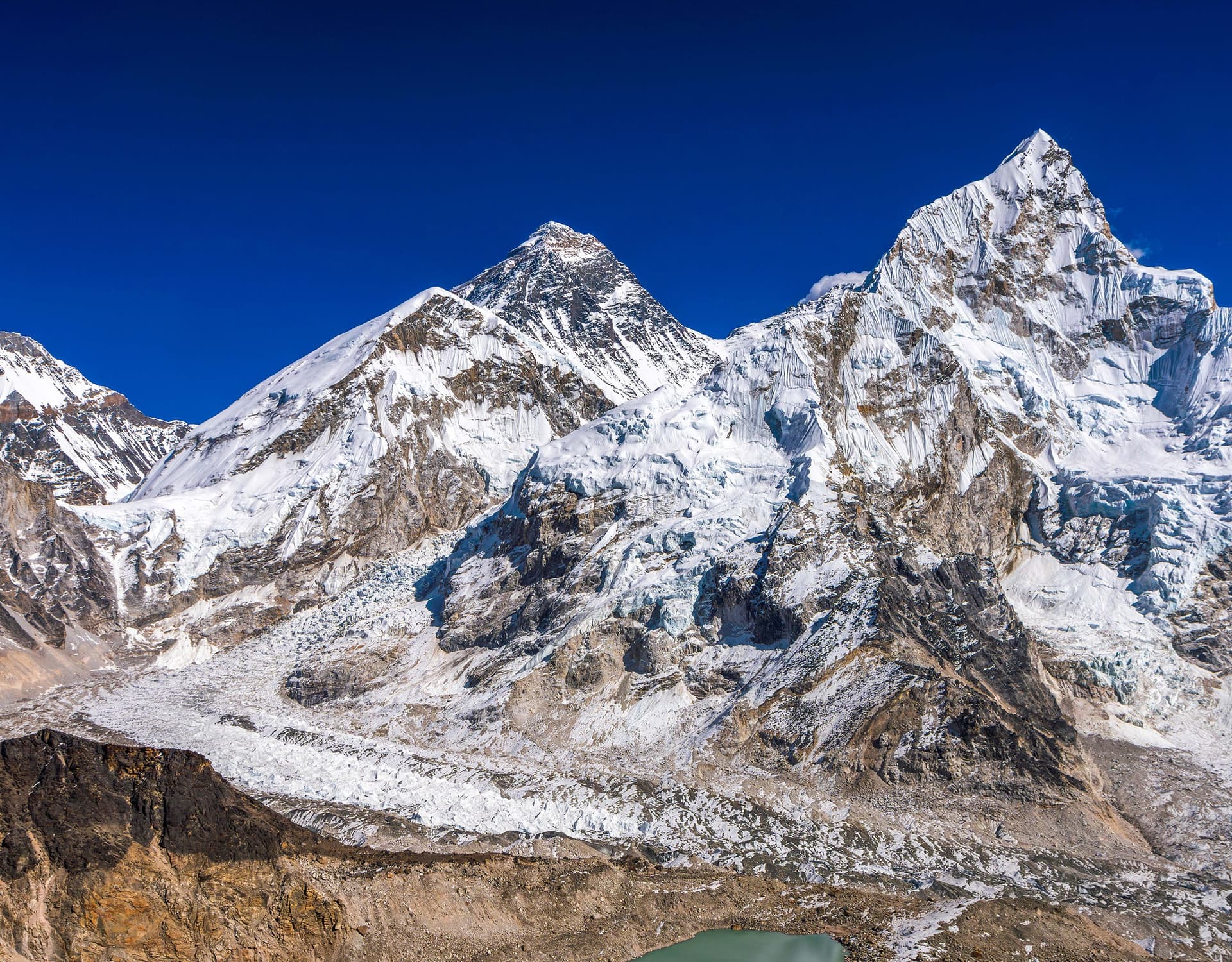
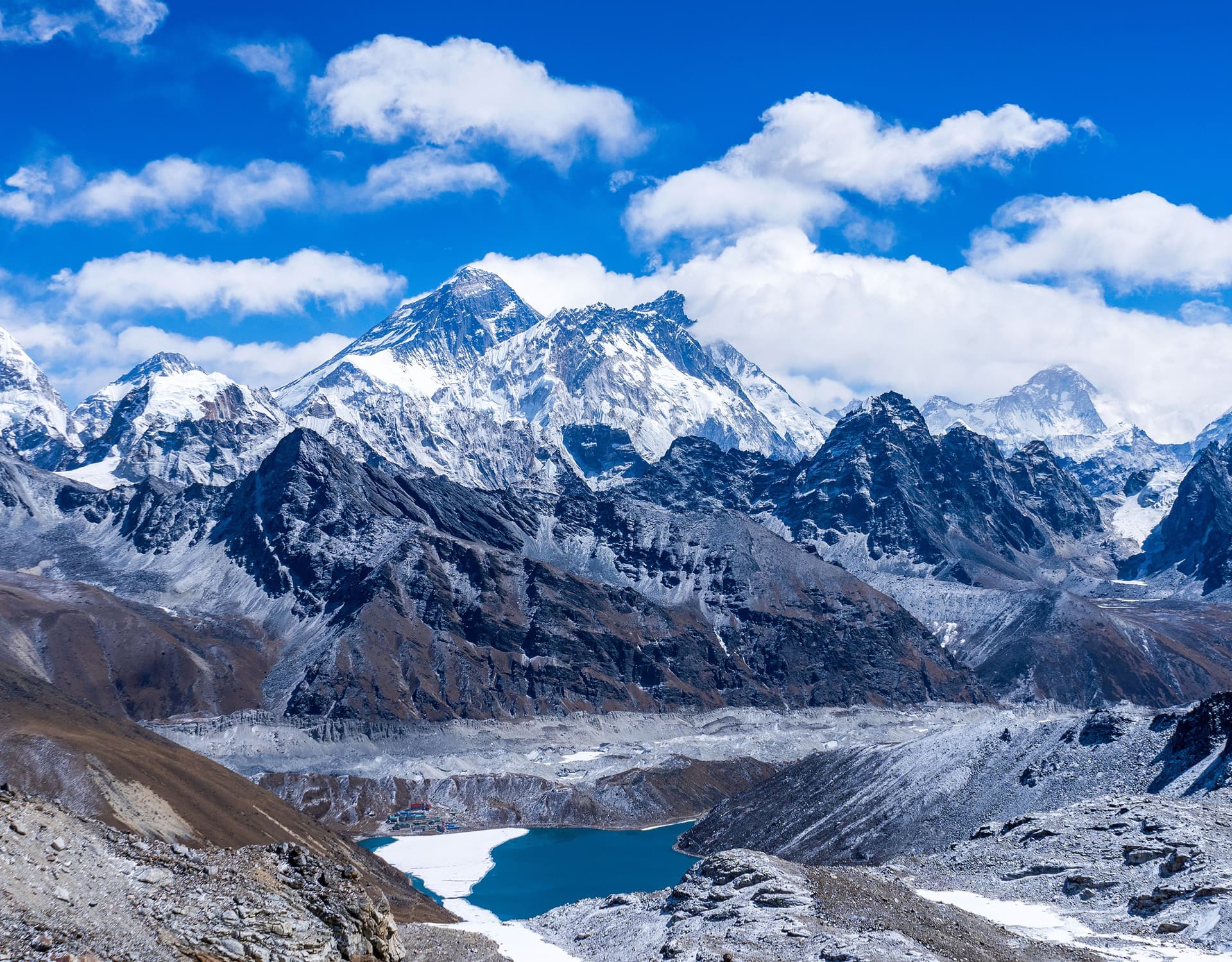
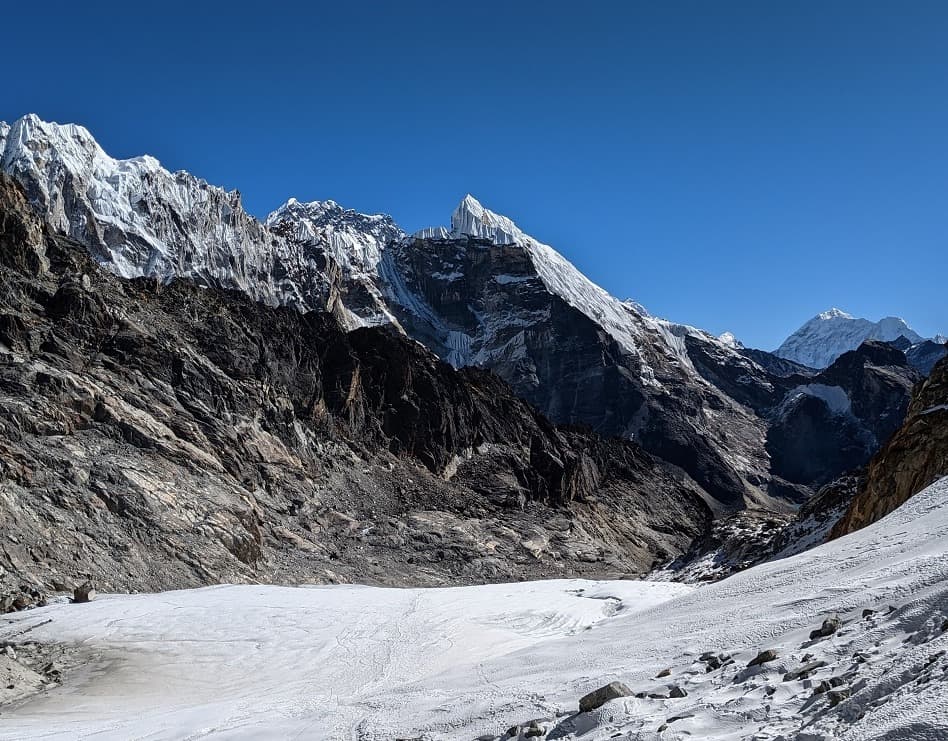
Langtang Gosainkunda Trek is also considered one of the best Trekking trails in the Langtang region. Plan your adventurous journey with Team Himalaya to witness some of the most enchanting destinations in Central Nepal – Langtang and Gosaikunda. Langtang Gosainkunda Trek offers one of the most unforgettable and exciting experiences, where you will pass through dense forests, ancient villages, and rich wildlife, reaching the snow-covered alpine zone for a stunning view of the central mountains. Langtang Gosainkunda Trek takes you for 15 days through lush green forests and exotic landscapes, starting in Kathmandu with an unforgettable eight-hour bus ride to Syabru Besi in Rasuwa district.
DestinationNepal
Duration15 days
GradeModerate to Adventurous
ActivitiesTrekking
AccommodationTea-House and Lodge
Max. Elevation4609m.
Group SizeMin. 1 Pax
Vehicleprivate vehicles
MealsBreakfast, Lunch, and Dinner during The Trek
Overview
Langtang Gosainkunda Trek is one of the famous Trekking destinations in the Langtang region. With Team Himalaya, embark on a memorable and beautiful journey to the most picturesque areas of central Nepal – Langtang and Gosaikunda. The Langtang Gosaikunda Trek will take you on an unforgettable journey through lush green forests, centuries-old villages, and exotic, rich ecosystems, towards the snowy alpine region for the most amazing views of the central mountains. The 15-day-long Langtang Gosaikunda Trek will begin with a memorable 8-hour-long bus ride from Kathmandu to Syabru Besi in Rasuwa district. We will start our trek from Syabru Bensi and pass through old-fashioned villages like Lama Hotel and Langtang Village to reach Kyanjin Gompa. The Gompa is one of the oldest in the region and possesses high religious significance.
From there, we will trek down to Thulo Syabru and subsequently Shing Gompa, another important pilgrimage site in the region. From there, we will trek towards our main destination – Gosaikunda. On the way back, we will take a different route to explore the area further. We will trek down to Sundarijal via Gopte, Kutumsang, Gulbhanjyang, and Chisopani. The trek ends at Sundarijal, from where we will return to Kathmandu for a city heritage tour.
Trip Highlights
Awesome, picturesque, scenic valley of the Langtang Gosaikunda trek to the holy Gosaikunda Lake
On the cultural route of the Tamang Heritage Trail, rich old culture and traditions
Walking into the pristine forest of rhododendrons, pines, hemlocks, and oak tree lines
Breathtaking scenery of valleys and the central Himalayas on each day's walk
Land of elusive and rare Red Panda and other endangered wildlife habitats.
The relatively less-visited Langtang region is a Himalayan Shangri-La, so close to the city. After being hugely affected by the 2015 earthquake, the area has been reopened for trekking. The trail leads through a diverse landscape, from lush forests to rushing streams and mountain vegetation. Throughout the trek, from several viewpoints, we can relish excellent views of mountains such as Langtang Lirung, Dorje Lakpa, Gang Chhenpo, and Lenpo Gang, among other satellite peaks. Since the region is home to over 70 glaciers, we can also see the amazing glaciers formed by the mountains. There are also over a dozen large and small alpine lakes in the region, such as Dudh Kunda and Vairav Kunda, which we can visit by extending or modifying the itinerary.
Another main highlight of the Langtang Gosaikunda trek is the famous Gosaikunda Lake at an elevation of 4,380m after crossing the enthralling Gosaikunda Pass at an elevation of 4,609m. The sight of the pristine alpine lake, with its rich turquoise hues and the silver peaks reflected in it, is truly gratifying for every trekker. Other perks of the Langtang Gosaikunda Trek include enjoying sunrise and sunset views of the mountains from different viewpoints, opinions of several icy glaciers and lakes, lying down in yak pastures, and hiking through magical rhododendron forests. It will also be an excellent spiritual and cultural journey as we visit the two major Gompas of the region, receive blessings from the Lamas, and experience the rich culture of the native Tamangs. Since the area is largely protected by the Langtang National Park Act, we also have a good chance of seeing exotic Himalayan animals, including red pandas, Himalayan Thar, musk deer, and snow leopards.
Itinerary of Langtang Gosaikunda Trek - 15 days
Upon your arrival in Kathmandu, you will be warmly greeted by our Team Himalaya staff. They will provide you with a courteous transfer to your hotel, located in the vibrant Thamel area. Known for its bustling markets and a plethora of world-class restaurants, pubs, and bakeries, Thamel offers a unique shopping and dining experience.
During this time, our knowledgeable guide will brief you on the exciting trekking adventure ahead. They will provide you with all the necessary details about the Scenic Langtang Valley and the Sacred Gosainkunda trekking routes. Get ready to embark on an unforgettable journey through Nepal's breathtaking landscapes.
Max. Elevation:1300 M
Duration:30 Mins
Distance:602 Km
The journey begins with a scenic drive from Kathmandu Valley, heading northwest to the beautiful Kakani, then reaching the warm Trisuli Bazaar for refreshments and lunch. After a well-deserved rest, the drive continues, taking you up the high hills on a narrow, winding road. Along the way, you'll be treated to breathtaking views of the surrounding landscapes and distant peaks like Ganesh and Manaslu Himal.
After a few hours of driving, you'll arrive at Dunche town, situated at an altitude of 1,965 meters. This town serves as the headquarters for the Rasuwa and Langtang regions, as well as the entrance to Langtang National Park. Following a brief stop here, the drive descends on a winding downhill road for a few hours until you reach Syabrubesi, where you'll spend the night. Syabrubesi is an interesting Tamang village and serves as a gateway to many Langtang and Ganesh Himal trekking routes, as well as the northern frontier of Tibet.
Max. Elevation:1460 M
Duration:7 Hours
Distance:122 KM
Embark on the first leg of this thrilling adventure with a leisurely stroll towards a bridge over the upper Trisuli or Bhote Kosi River. From there, the trail gradually ascends a steep hillside after an hour of uphill climbing. As you continue on a gentle path for a few hours, you will pass by numerous scattered farmhouses boasting terraces filled with crops like wheat, barley, millet, and corn. Eventually, you will reach Riverside, where the trail from Thulo or upper Syabru converges near Bamboo. Here, you can take a break and refresh yourself at one of the few tea houses and lodges available.
After a well-deserved rest, the journey continues with a gradual ascent through a tranquil forest adorned with rhododendron, oak, and pine trees. Soon, you will enter a captivating river gorge, following the upstream flow of the Trisuli River, which is fed by the glaciers of the Langtang mountain range. After a rewarding hike, you will finally arrive at Lama Hotel, a charming little place nestled amidst a pristine forest. Here, you can find 6-8 small lodges where you can spend the night and rejuvenate for the next leg of your adventure.
Max. Elevation:2430 M
Duration:6 Hours
Distance:11.3 KM
Starting from the Lama Hotel, we embark on a morning walk along the same trail for about an hour. As we reach Riverside, our route takes a turn and leads us through a charming little settlement known as Bamboo. This area, surrounded by bamboo thickets, is the perfect spot to catch a glimpse of the elusive Red Panda. Nestled in a river gorge with dense woodland, Bamboo offers a cooler climate and a picturesque landscape.
The walk takes us through small settlements and farms until we reach Ghoretabla, a quaint village with a few lodges and Nepal Army stations serving as Park wardens. Here, we pause for a well-deserved lunch, enjoying the gradually increasing altitude and the refreshing coolness of the air.
The journey continues after a satisfying lunch, with a pleasant walk towards Langtang village. This charming village is of moderate size and is inhabited by the Tamang and Bhotia tribes. These communities share similar customs and cultures, influenced by Tibetan Buddhism. Langtang village offers a delightful overnight stop, where you can immerse yourself in the local traditions and experience the warmth of the people.
Max. Elevation:3430 M
Duration:6 Hours
Distance:14 KM
Today, embark on a leisurely walk for a few hours as the morning unfolds. The trail begins with a short climb, leading you into a wider and more expansive landscape. As you progress, the gorge opens up to reveal a beautiful valley adorned with snow-capped peaks on both sides of the hills. Along the way, you will come across prayer walls, adding to the spiritual ambience of the surroundings. Take a moment to soak in the breathtaking mountain views before continuing your journey. Eventually, you will reach the Kyanjin Gompa area, where you can find more than 15 lodges and guest houses to accommodate your stay.
Here, you will also come across an old cheese factory, a testament to the area's rich history. It is worth noting that the name "Gompa" is gradually disappearing, as the structure is now more of a small wooden chapel rather than a monastery. Perched atop Kyanjin and Langtang Valley, this quaint structure is surrounded by moraine rocks and boulders, offering a unique setting. This marks the highlight of your trip, as Kyanjin in the Langtang Valley is truly a remarkable place.
Max. Elevation:3850 M
Duration:4 Hours
Distance:6.8 KM
Kyanjin is an idyllic and perfect place to take a rest day during your trek. It offers numerous side-trip options, including a challenging hike up to Tsergo Ri, which stands at an impressive 5,033 meters. This ascent requires a good level of physical fitness, but the breathtaking views of the highest mountains in the central Himalayas make it well worth the effort.
In the afternoon, you can leisurely explore the area and marvel at the magnificent panorama of Chimsedang Lekh and the Kangjal Himal, a ridge of peaks that borders the valley to the south. You will be treated to stunning views of the majestic mountains that flank the Langtang Valley, such as Ganchenpo (6,387m), Dorje Lakpa (6,990m), Pemthang Karpo Ri (6,830m), and Langtang Lirung (7,245m). Additionally, along the northern boundary in Tibet, you can catch a glimpse of the massive and awe-inspiring Shishapangma (8,046m), the 14th-highest mountain in the world.
Max. Elevation:3850 M
Duration:4 Hours
After experiencing the beauty and tranquillity of Kyanjin Gompa in the enchanting Langtang Valley, it's time to make your way back to the forested area and reach Lama Hotel for an overnight stay. The return journey follows the same route, providing an opportunity to revisit familiar landscapes and relive cherished memories. The walk back will take approximately six hours, and although it involves a downhill path with a few short uphill sections, it remains interesting and enjoyable. Take your time to soak in the surroundings and appreciate the natural wonders that surround you.
Max. Elevation:2430 M
Duration:6 Hours
Continuing our journey from Lama Hotel, we will be treated to breathtaking views as we walk along a scenic downhill path toward Bamboo. Along the way, we will pass a few teahouses and lodges, offering us the perfect opportunity to take a break and enjoy the surroundings. After a delightful morning walk, we will find ourselves walking through terraces filled with crops like millet, corn, and wheat, depending on the season.
As we leave the farm area behind, the path will lead us uphill, passing through old landslide sections. We will continue our ascent on a winding uphill path, eventually reaching Upper or Thulo Syabru, where we will spend the night in one of the excellent lodges available in this charming and fascinating village. It's worth noting that the houses in ThuloSyabru are joined together, resembling a long locomotive. Additionally, above the village, an old monastery adds to the area's cultural and spiritual ambience.
Max. Elevation:2210 M
Duration:5 Hours
Distance:7.1 KM
After leaving ThuloSyabru, today's walk is relatively short, lasting about 4-5 hours. However, the scenery along the way is truly breathtaking, with picturesque hills, valleys, and snow-capped peaks. As you climb through the pristine forest, you will be surrounded by a variety of trees, including rhododendrons, magnolias, and different types of firs and pines. The forest is also home to various species of rhododendrons, adding a burst of colour to the landscape. Don't forget to look back and admire the stunning views of the Annapurna, Ganesh, and Langtang Himal ranges to the northwest.
After a few hours of climbing, you will reach a hilltop with a grazing pasture and a few teahouses, providing a perfect spot to rest and take in the surroundings. From here, the path gradually winds through a pleasant and cool forest, offering refreshing shade. Eventually, you will arrive at Shing Gompa, also known as Chandanbari or Rose Wood. This serene place is home to a small cheese processing factory and a monastery, adding to its charm and cultural significance. Take your time to explore and appreciate the tranquillity of this unique place.
Max. Elevation:3330 M
Duration:5 Hours
Distance:4.1 KM
Heading from this beautiful scenic spot in the morning, the trek takes you to one of the highlights of this amazing adventure. The journey begins with a gradual ascent to Laurabina Hill, offering breathtaking views of the Western Himalayas and the Langtang mountain range. Leaving behind the dense forests and tree lines, you pass through a landscape adorned with rhododendron and juniper bushes before reaching LauriBinayak at an elevation of 3,932 meters (12,900 feet) via Laurebina and CholangPati.
After a well-deserved rest at LauriBinayak, where you can soak in the magnificent scenery, the trail continues uphill for a short while before descending towards the holy Gosaikund.
Gosaikund holds great religious significance for both Hindus and Buddhists. According to ancient Hindu scriptures, Gosaikund is a sacred pond believed to be the hermitage of Lord Shiva, one of the three main Hindu deities, and Goddess Gauri. Legend has it that this pristine pond was formed when Lord Shiva dug the land with his holy Trident weapon, known as Trishul, to dilute the poison and save the world. Every year, thousands of Hindu and Buddhist pilgrims from Nepal and India visit Gosaikund to pay homage to Lord Shiva, especially during the auspicious festival of JanaiPurnima in August. On this day, Hindu men change their holy threads after taking a purifying bath in the icy waters of this sacred pond.
Max. Elevation:4660 M
Duration:5 Hours
Distance:8 KM
Today's trek is undoubtedly one of the most challenging days of this trip, as we embark on a steep climb to cross the Laurabina Eastern Pass, standing proudly at an impressive altitude of 4,609 meters (15,121 feet). This pass not only marks the highest point of our adventure but also offers breathtaking panoramic views of the surrounding landscapes. We begin our morning walk by passing the pristine Gosaikunda pond and heading east until we reach the final pass of this remarkable journey. From there, we begin a mostly downhill descent with a few ups and downs along the way.
Eventually, we will reach our overnight stop in the charming village of Gopte, nestled amid a lush forest of juniper, rhododendron, and pine trees. This village is situated between the Langtang and Helambu areas, offering a tranquil, picturesque setting for our well-deserved rest.
Max. Elevation:3440 M
Duration:7 Hours
Distance:10 To 15 KM
After a pleasant morning walk through the forest from Gopte, the trail gradually winds its way, with a short, steep climb, to the ridge at Thadepati (3,597 m). This is where the paths from Helambu and Kathmandu converge. Thadepati offers stunning views of snow-capped mountains and breathtaking scenery of rolling hills and valleys. There are 5-6 lodges and teahouses at this spot. After a refreshing break, the journey continues downhill for most of the way to our overnight stop at Kutumsang village. The walk is delightful, passing through lovely forests and the picturesque town of Mange Ghot. Finally, we arrived at Kutumsang village after a challenging six-hour trek.
Max. Elevation:2445 M
Duration:6 Hours
Distance:12.6 KM
Continuing our journey towards the Kathmandu Valley, we reach Chisopani after a short uphill walk through farmland, small villages, and captivating forests. The path leads us to Patibanjayang village, where we are greeted with breathtaking views of snow-capped mountains and stunning landscapes. After an hour of uphill trekking, we arrive at Chisopanidanda, our final overnight stop in the high hills before concluding our trip in Kathmandu. Chisopani village, with its 5-6 lodges, is a scenic place situated on a hilltop, offering panoramic views of the Langtang-Jugal Himal range, the Ganesh Himal-Manaslu and Annapurna ranges, the surrounding landscapes, and the Kathmandu valley below. This spot is renowned for its mesmerising sunrise and sunset vistas
Max. Elevation:2195 M
Duration:5 Hours
Distance:12.1 KM
Witness the breathtaking sunrise illuminate the snow-capped mountains as this incredible adventure comes to an end. Traverse through untouched forests and picturesque farmlands on a gentle descent, passing by charming traditional Tamang villages like Burlang and Chepu Bhanjyang, situated at an elevation of 2,438m. Marvel at panoramic views of the Kathmandu Valley as you descend, eventually arriving at the enchanting Sundarijal.
This idyllic location, adorned with lush forests, playful monkeys, and crystal-clear streams, serves as a popular getaway for Kathmandu residents seeking respite from bustling city life. Sundarijal holds historical significance, having been a summer retreat for the Rana regime in the 1950s. After a short hour-long descent from here, you will return to the outskirts of the eastern Kathmandu valley. A brief drive will then take you back to the heart of Kathmandu city, where you can retire to your respective hotels, reminiscing about the unforgettable moments spent amidst the majestic Himalayas with Team Himalaya.
Max. Elevation:1300 M
Duration:5 Hours
Distance:29.6 KM
On the final day of your incredible Himalayan trekking experience in the scenic Langtang Valley and sacred Gosainkunda region, you will bid farewell to Team Himalaya and head back to the airport for your flight home or to your respective destination. As you depart Nepal, you will carry with you cherished memories of the breathtaking landscapes, warm hospitality, and unforgettable moments spent amidst the majestic Himalayas. The journey may be ending, but the spirit of adventure and the beauty of the Himalayas will stay with you forever.
Max. Elevation:1300 M
If the provided schedule isn't suitable for you, we can create personalized travel arrangements.
**Discounts are determined exclusively by the size of your group. We do not add additional members to your group.
June 2026
Su
Mo
Tu
We
Th
Fr
Sa
31
1
2
3
4
5
6
7
8
9
10
11
12
13
14
15
16
17
18
19
20
21
22
23
24
25
26
27
28
29
30
1
2
3
4
Sold out dates
US $0US $0 per person (based on 1 people)
Cost Includes
Pickups and drops from airports, hotels, and other locations by a comfortable private vehicle.
Two-night 3-star category hotel in Kathmandu on a Bed and Breakfast basis.
Transportation from Kathmandu to Syabrubesi by public tourist bus.
Transportation from Sundarijal to Kathmandu by private vehicle, as per the group size
All meals during the trek. (BREAKFAST, LUNCH, AND DINNERS).
All necessary paperwork and Langtang National Park permits.
All applicable Tim cards (Trekkers Information Management system).
All our government taxes, VAT, and tourist service charges.
Service of an experienced, knowledgeable, helpful, friendly, and English-speaking guide and his/ her, all meals, accommodation, equipment, travel medical insurance, salary, and Daily wages during the trip.
Service of strong trekking porters and their meals, accommodation, travel insurance, daily wages, and salary. (Porters will help you to carry your Luggage during the trip).
Twins share comfortable and clean private accommodation during the trek.
Down jacket and sleeping bag by the team Himalaya (which need to be returned after the trek).
Group medical supplies (a first aid kit will be available).
Trip achievement appreciation certificate.
Fresh fruit is seasonal during the trip.
Langtang Gosaikunda Trek map.
Official expense.
Travel and rescue arrangements.
Cost Excludes
Lunch and dinner in Kathmandu.
Personal expenses (phone calls, laundry, bar bills, battery recharge, extra porter, bottle or boiled water, shower, etc.)
International airfare to and from Kathmandu.
Travel and rescue insurance
Excess baggage charge
Extra night accommodation in Kathmandu because of early, late, or early return from the mountain (due to any reason) than the scheduled.
Tips for trekking staff and drivers (tipping is expected).
Route Map
Loading map...
Know Before you Go
Equipment Checklist
Team Himalaya's list of outdoor equipment requirements is as follows, depending on the type of holiday chosen: leisure tours, moderate, adventurous, challenging trekking, and climbs.
Gear required depends on the season of travel and the grade of trekking, as Nepal is suitable for all seasons except the wet months of July to mid-September, when few travellers visit Nepal.
For Simple Sightseeing Tours in Kathmandu and beyond:
* Personal Toiletries: a small day pack or bag to carry your personal belongings, such as water bottles, cameras, wallets, maps, journey/notebooks, cell phones, light jackets or fleece, and insect repellent cream, as per the season. * Running/sports shoes or comfortable shoes for short walks; walking poles; personal medication; binoculars (optional); T-shirts; long-sleeve shirts; trousers (for entering temples and monasteries); sunscreens. * For long drives, a soft inflatable cushion/pillow is an advisable option, along with a rainproof or umbrella.
For Moderate Hikes and Treks:
* Personal Toiletries, a moderate-sized daypack to carry your personal belongings, such as water bottles, cameras, wallets, maps, journey/notebooks, cell phones, light jackets or fleece, and insect repellent as per the season. * Running/sports shoes, for elderly people; walking poles; personal medication; binoculars (optional); T-shirts; long-sleeve shirts; trousers (for entering temples and monasteries); sunscreens; and torch/flashlights. * Sun Hats, Sunglasses, and water bottles are necessary (try to avoid plastic bottled water, as it creates litter that is hard to recycle in Nepal). Use the same waterfalls to refill your bottle where available, and a rainproof umbrella. A scarf or mask to avoid dust and smoke.
For long Trekking for a week or more above 3,000 meters:
* Personal Toiletries, a moderate-sized day pack or rucksack to carry your personal belongings, including travel documents, water bottles, cameras, wallets, maps, journey/notebooks, cell phones, light jackets or fleece, and insect repellent as per the season. * Running/sports shoes, a good pair of boots, warm woollen/cotton socks, snow gaiters, rain/windproof gear, walking poles (an option), personal medication, binoculars (an option), T-shirts, long-sleeve shirts, trousers (for entering temples and monasteries), sunscreens, torch/flashlights. * Gloves, Woollen Beni (camp), Sun Hats, Sun/snow glasses, and water bottles are necessary (try to avoid plastic bottled water, as it creates litter that is hard to recycle in Nepal). Use the same waterfalls for refills where available—a scarf or mask to avoid dust and smoke. * On trekking, larger kit/duffel bags are carried by porters/pack animals (yaks, mules, or ponies), which include your heavy personal gear, such as sleeping bags, down/duvet jackets, and items you require during daytime walks to designated campsites/lodges.
Challenging Treks and Trekking Peak Climb:
* Personal Toiletries, a moderate-sized day pack or rucksack to carry your personal belongings, such as travel documents, water bottles, cameras, wallets, maps, journey/notebooks, cell phones, light jackets, or fleece as per the season and altitude. * Running/sports shoes, a good pair of boots, warm woollen/cotton socks, snow gaiters, rain / windproof gear, walking poles an option, personal medication, binoculars an option, T-shirts, long sleeve shirts, trousers (while entering temples and monasteries), sunscreens, torch/flashlights, and spare batteries. * Gloves, Woollen Beni (camp), Sun Hats, Sun/snow glasses, and water bottles are necessary (try to avoid plastic bottled water, as it creates litter that is hard to recycle in Nepal). Use the same waterfalls for refills where available. A scarf or mask to avoid dust and smoke. * On trekking, larger kit/duffel bags are carried by porters/pack animals (yaks, mules, or ponies), which include your heavy personal gear, such as sleeping bags, down/duvet jackets, and items you require during daytime walks to designated campsites/lodges.
We had a very successful EBC trek in October 2024 because of Team Himalaya! Our guide, Raj, was very knowledgeable in all things Everest. He set us up in the best lodges where we had great service all along. He provided us with a superb porter, who also went above and beyond in taking care of us. Raj was very patient with us and was always looking out for our best interests. We would highly recommend Team Himalaya for any trek!
AAlec S1st Apr, 2024
Everest Base Camp Team Himalaya March 2024
We have just returned from a 14 day, 11 day hike with Raj and Durga from Team Himalaya to Everest Base Camp. From the minute we landed to our departure we were properly looked after and cared for by Team Himalaya. The trek to and from Everest Base Camp was wonderful, our guides and porters really looked after us and were incredibly knowledgeable. In Nepal things can go wrong especially with flights to and from Lukla but Team responded magnificently and found alternative solutions. If this is on your bucket list as ours and you are looking for a company to organise this with I would 100% recommend Raj.
JJourney379926937861st Apr, 2024
Reaching Everest Base Camp with TEAM HIMALAYA
If you are looking for an adventure of a lifetime, don’t hesitate! Choose TEAM HIMALAYA for your Everest Base Camp trek! We completed the EBC trek early November 2023 . My husband and I chose to do a private trek with Team Himalaya. Everything went smoothly with our guide Raj. His team and organization is outstanding! We could not have done it without him. Raj took care of everything throughout the trek and made sure we were well at all times, even providing us fresh fruits every night after dinner! We felt safe at all times , his experience and knowledge of the Himalayas helped us achieve our goal in reaching the EBC! His professionalism went beyond our expectations from our first contact with him for information until the very end. We will forever remember this expedition and gained a friend in our guide Raj!
eevanhH6577DL13th May, 2023
Incredible Experience by evan
It was an incredible experience being surrounded by the towering Annapurna Himalayas. This memorable trek through Nepal offered the best scenic views and stunning landscapes. Despite being surprised at how quickly the trek ended, the daily walks were filled with dramatic views that left a lasting impression.
I highly recommend this adventure, as it is one of the best base camp treks in the Himalayas with minimal risk of altitude sickness. Although there were steep ups and downs that were tiring on some days, the breathtaking views made it all worth it. This was easily the most exciting trek I have ever experienced.
I want to thank Team Himalayas and Raj for providing exceptional service with their expert guide and staff.
Frequently Asked Questions About the Langtang Gosaikunda Trek
Where is Langtang National Park?
Langtang National Park covers a total area of 660 square miles in the Nuwakot, Rasuwa, and Sindhupalchok districts of Nepal's central region.
Is it safe to drink water in the Langtang Region?
It is not a good idea to drink water directly from taps or small streams. It can make you go through a difficult time. So, to be cautious, it is better to use water-purifying tablets to make the water safe to drink.
Will I get altitude sickness during the trek?
The treks in the Langtang Region exceed 3000m in elevation. So, the risk of getting altitude sickness is not uncertain. Our guides will care for you if you develop altitude sickness. In case of an emergency, a helicopter rescue will be called immediately.
What are the symptoms of Altitude sickness?
These are the symptoms of Altitude Sickness. Headache Nausea Feeling dizzy Vomiting Feeling tired Shortness of breath Faster heart rate Trouble when trying to sleep Loss of appetite
What is the best time to do the Langtang Region Trek?
Generally, autumn (September-November) is one of the best times to trek in Nepal. You will experience a wide-angle view of mountains and hills. The sky is clear with moderate temperatures. Plus, the season is festive, so you can enjoy wonderful festivals like Dashain and Tihar. You can also do the trek during the spring (March-May).
What is the accommodation like in the Langtang Region?
You will be spending your night mostly in tea houses, such as simple hotels and lodges. The rooms are small but comfortable. You can ask for extra blankets in case you need them. The tea houses will provide you with food, wifi, charging facilities, etc. It is possible to get a single room in the lower parts of the Langtang region, but as you get higher, the chances decrease.
Can I take my children with me to the trek?
There is no age restriction, so you can certainly take children with you. What should I do about my insurance? We suggest you get your travel insurance from your respective country. This is because sometimes unexpected events may occur, requiring a helicopter rescue.
Is there a facility for mobile signals in the Langtang Region?
In recent years, mobile network facilitators have extended their services even to the mountain region. This means you won’t have any problem reaching out to your loved ones during the trek.
What is so special about the Langtang Region trek?
The Langtang region is full of specialities. Some of them are: Amazing views of mountains such as Dorje Lakpa (6,966m), Yansa Tsenji (6,690m), Loenpo Gang (6,979m), and Dogpache (6,562m). Rich culture and traditions of the Tamang and Gurung villages. Religious lakes such as Gosaikunda and Bhairavkunda. Enchanting waterfalls and rhododendron forest.
How difficult is the Langtang Region Trek?
The Langtang Region Trek is moderate in difficulty, but one should be physically fit to complete it. The flexible trek route and enough rest days are going to make your trip less difficult as well.
Where is Langtang Mountain located in Nepal?
The mystical Langtang Mountain is located between the Nepal and China border on the northern side of Nepal.
How do you serve a solo woman traveller?
We treat all our clients equally. If a woman is willing to travel solo, we will provide all the information and services for the trek. A highly trained professional guide will be at your service 24/7.
How long is the Langtang Region Trek?
It depends on the trail you choose. Currently, we have the Langtang Valley Trek, which is 10 days, while the Tamang Heritage Trek is 17 days.
Will I be able to use Wi-Fi during my Trek?
Yes, most tea houses and small hotels currently offer Wi-Fi. But when you are in the remote regions, you won’t be able to get access to Wi-Fi.
How fit do I have to be to take on the Langtang Region Trek?
Going on the trek is suitable for almost everyone with moderate health conditions. It is not necessary to be involved in physical activities such as the gym or swimming before trekking on this trek. But if there are any major health issues, it is highly recommended to consult doctors beforehand.