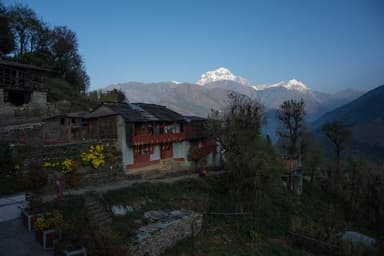
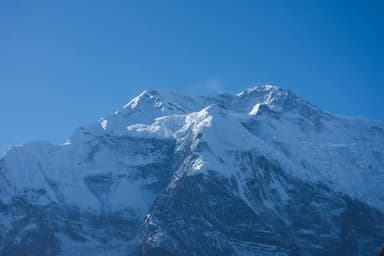
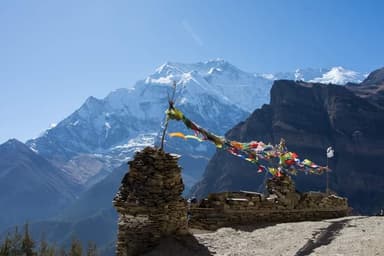
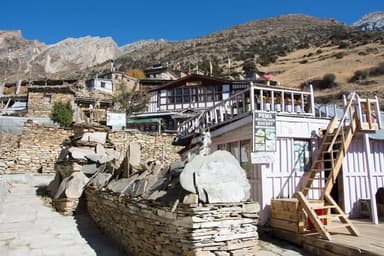
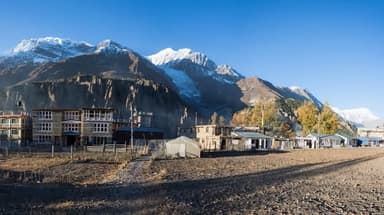
The Annapurna Circuit Short Trek is situated in the ancient Annapurna region of western Nepal, which not only boasts the highest diversity of treks among Nepal's trekking regions but is also home to the country's most fascinating trekking trails. Every year, thousands of trekkers from all around the world throng to this region for unique and exciting treks in Nepal. If one wants to spend a total of three weeks trekking to the mysterious Mustang, or wishes to undertake a trek that lasts only three days in order to enjoy the panoramic views of the mountains, then there is something for everybody here. The Annapurna Circuit Short Trek is sure to make your dreams come true. It is best described as a package trek, as it has everything.
DestinationNepal
Duration17 days
GradeModerate to Adventurous
ActivitiesTrekking
AccommodationTea-House and Lodge
Max. Elevation5416m.
Group SizeMin. 1 Pax
Vehicleprivate vehicles
MealsBreakfast, Lunch, and Dinner during The Trek
Overview
The Annapurna Circuit Trek is by far the best trekking route in Nepal's northwestern Himalayas. The Annapurna region of northwest Nepal is the most versatile trekking region in Nepal and, in terms of popularity, second only to the Everest region. The region is often described as the land of contrasts, including the country’s windiest, driest, and wettest places. The Annapurna Circuit trekking route was open to trekkers only in 1977 AD. Its beauty and wilderness are still preserved and intact in their purest form. The Annapurna Circuit trek will feel like a journey into the past, as time has stood still for centuries in Nepal's remote Himalayan regions. The three-week-long Annapurna Circuit Trek begins with a scenic drive from Kathmandu to Pokhara. Pokhara is a famous tourist destination in its own right. As we start our trek from Dharapani, we will pass through several beautiful villages situated in the high hills that have successfully retained their culture and heritage amid fleeting modernity. Throughout the trek, we will enjoy splendid views of the magnificent Himalayan ranges, including Mt. Annapurna, Mt. Dhaulagiri, and Mt. Nilgiri. We will continue our trek northward towards the arid Tibetan plateau guarded by tall silver peaks. One of the main highlights of the entire Annapurna Circuit trek is the Thorong La Pass, located at an elevation of 5,416m. From the top of the pass, we can enjoy views of the entire Annapurna range and other stunning peaks, including Dhaulagiri, Gangapurna, Yak Gawa, and Thorungstse, creating a truly memorable moment.
In addition to relishing the magical mountains, the Annapurna Circuit Trek offers the unique opportunity to visit Nepal's most famous alpine regions – Mustang and Manang. While in the beautiful Manang district, we can see several pristine ice lakes, including Tilicho Lake at 4,919m, the highest-elevation lake. Another highlight is the Mustang district—the land beyond the Himalayas. The most trekked region in Nepal – and rightly so –offers a perfect blend of natural beauty and spirituality. Here, we will visit the Muktinath Temple, situated in the driest terrain in the lap of Mt. Dhaulagiri, above the Kali Gandaki Gorge, the deepest in the world.
Trip Highlights
Trek & traverse Thorang-la Pass at 5,416 meters / 17,700 ft.
Tremendous, picturesque landscapes with close views of high peaks.
Dramatic change in scenery from sub-tropical, alpine to arctic zone.
Fascinating old Buddhist religion, traditional villages with rich culture.
Enchanting woodlands of tall rhododendrons, pines, and oak trees.
After commencing the Annapurna circuit trek from Dharapani, we will hike through the Gurung settlements of Dharapani, Chame, and Pisang to reach Manang. After exploring Manang and properly acclimatising, we will cross the enthralling Thorong La Pass to enter the Mustang district. Once again, after Mustang’s exploration, we will trek down to Tirkhedhunga through Marpha, Lete, Tatopani, and Ghorepani. The trek ends at Ghorepani, from where we will return to Kathmandu via Pokhara. As it is a high-altitude trek, trekkers must be physically fit and preferably have prior trekking experience. Upon your return to Kathmandu, we have a sightseeing tour planned for you. We will visit some of the most exquisite and significant religious monuments of Eastern civilisation, including Pashupatinath, Swayambhunath, and the Durbar Squares.
Itinerary of Annapurna Circuit Trekking - 17 days
On arrival, meet our TH staff for a courtesy transfer to your respective hotels in the heart of Kathmandu, in the Thamel area, an interesting place for shopping and dining at many world-class restaurants, pubs, and bakeries. Our guide will provide details about the Annapurna Circuit Trek.
Max. Elevation:1300 M
Duration:30 Mins
Distance:6.2 Km
A scenic long drive of 8 hours to Jagat village, which is quite interesting on Nepal’s main highway, following the Trisuli river for a while and then heading west with views of Ganesh, Langtang Himal, and Annapurna, Manaslu range of peaks. On reaching Dumre in the middle of the Kathmandu-Pokhara highway, our route diverts towards Jagat, passing the large town of Beshisar, and then onto the dirt jeep road to Jagat village, located in the mid-hills. On arrival in Jagat village, transfer to a lovely, simple lodge for an overnight stay in this interesting farm village.
Max. Elevation:800 M
Duration:5 to 6 Hours
Distance:179 Km
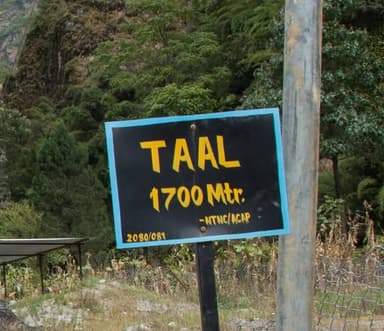
From Jagat village start the first day walk on the gradual winding trail to Chamje, near the raging Marsyangdi River, and then cross towards the east bank into woodland, with views of Annapurna and Manaslu Mountain range of peaks, then following a wide path to Tal Besi a lovely village located on Marsyangdi valley, after a lunch stop another few hours walk reaches Dharapani village for overnight stop, situated on the junction of this Annapurna circuit and Manaslu circuit Trek route.
Max. Elevation:1920 M
Duration:5 Hours
Distance:12.6 Km
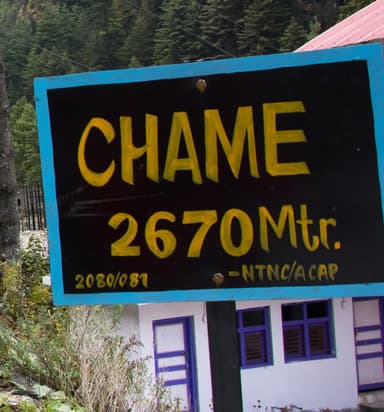
After a lovely night at Dharapani, a morning walk along a wide trail into the tranquil rhododendron and pine forest and villages of Bagachap and Danque, then to Timang village with a grand view of Mt. Manaslu 8,163m / 26,781ft, after Timang village another hour walk leads to the village of Koto and then to Chame for the overnight stop, Chame a large central town of Manang area.
Max. Elevation:2670 M
Duration:5 hours
Distance:15.7 Km
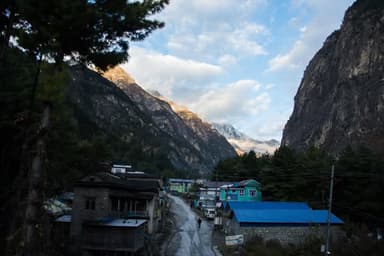
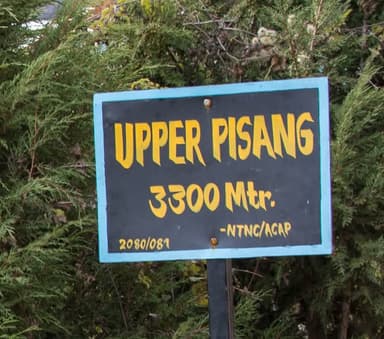
From Chame onwards walk leads into the cool and refreshing mountain air, as the morning walk leads through a charming forest of rhododendrons and pine trees following the Marshyangdi River upstream with short ups and downs path to Bhratang village, here walk climbs a winding uphill into fine woodlands to reach at Dhukure Pokhari for lunch stop, this place with few lodges overlooking views of Chulu’s and peak of Pisang including Pisang village below the Marsyangdi River valley, after a nice stop descend for two hours to Pisang village for overnight stop from here on with more Tibetan influence in culture, religion and way of daily traditional life.
Max. Elevation:3230 m
Duration:5 Hours
Distance:13.7 Km
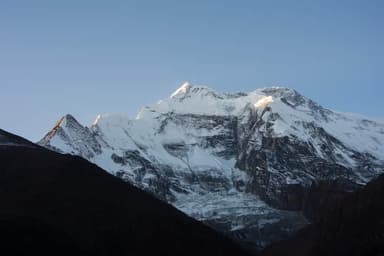
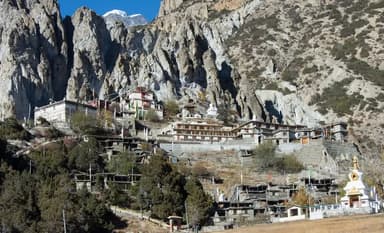
Pisang is a mystical windswept village with incredible views of mountains and arid landscapes, from here onwards gain in altitude, as the morning walk leads through a pristine woodland with an hour climb to a ridge with fantastic views of Hongde village and its small airstrip beneath the mountains of Annapurna II and III, Gangapurna Chulu’s and Pisang peak, with a nice descent towards flat Marsyangdi River valley at Hongde village, from here slowly the tree lines disappear for barren, arid with cold and dry climate. From here a picturesque walk leads to Braga village just before Manang, here worth a visit in its old monastery with old Buddhist relics, ancient wall paintings,s, and frescos, offering overwhelming views of Annapurna’s Himalaya, and then an hour walk reaches Manang village and check into a lovely cozy lodge with magnificent views of snow-capped peaks that surround this village and the Manang valley.
Max. Elevation:3450 M
Duration:5 Hours
Distance:17.2 Km
This is an important rest day for acclimatization before heading high. Thorang—la, at Manang, has various options for a short hike. This large Tibetan-like village is located in a vast, windswept valley at the bank of the Marsyangdi River below the massif of Annapurna and the Gangapurna mountain range. It is a lovely walk up for views of the Gangapurna Glacier and the emerald glacial lake in Manang, one of the sources of the Marsyangdi River.
Max. Elevation:3450 M
Duration:4 Hours
Distance:5 KM
After an excellent rest in Manang, the morning journey leads to Ghunsang village along the winding, uphill trail to Yak Kharka. This impressive walk at this high altitude offers fabulous views of snow-capped mountains. Then we reach Yak Kharka, a small place with 3-4 lodges providing incredible views of Gangapurna, Annapurna III, and the Chulu Peaks.
Max. Elevation:4110 M
Duration:4 Hours
Distance:10 Km
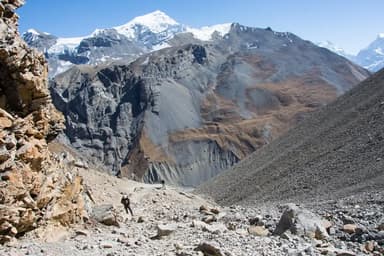
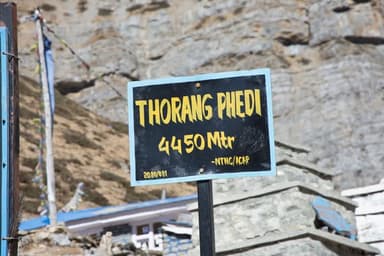
From Yak Kharka getting into much higher terrain towards Thorang-la, leading to crossing a bridge with a climb along the Jarjung river bank, on the narrow trail to reach Thorung Phedi, from an hour steep climb to the overnight stop at Thorang High Camp, to make it shorter for the next day traverse over Thorang-la pass on time in the morning.
Max. Elevation:4600 M
Duration:4 Hours
Distance:7.3 Km
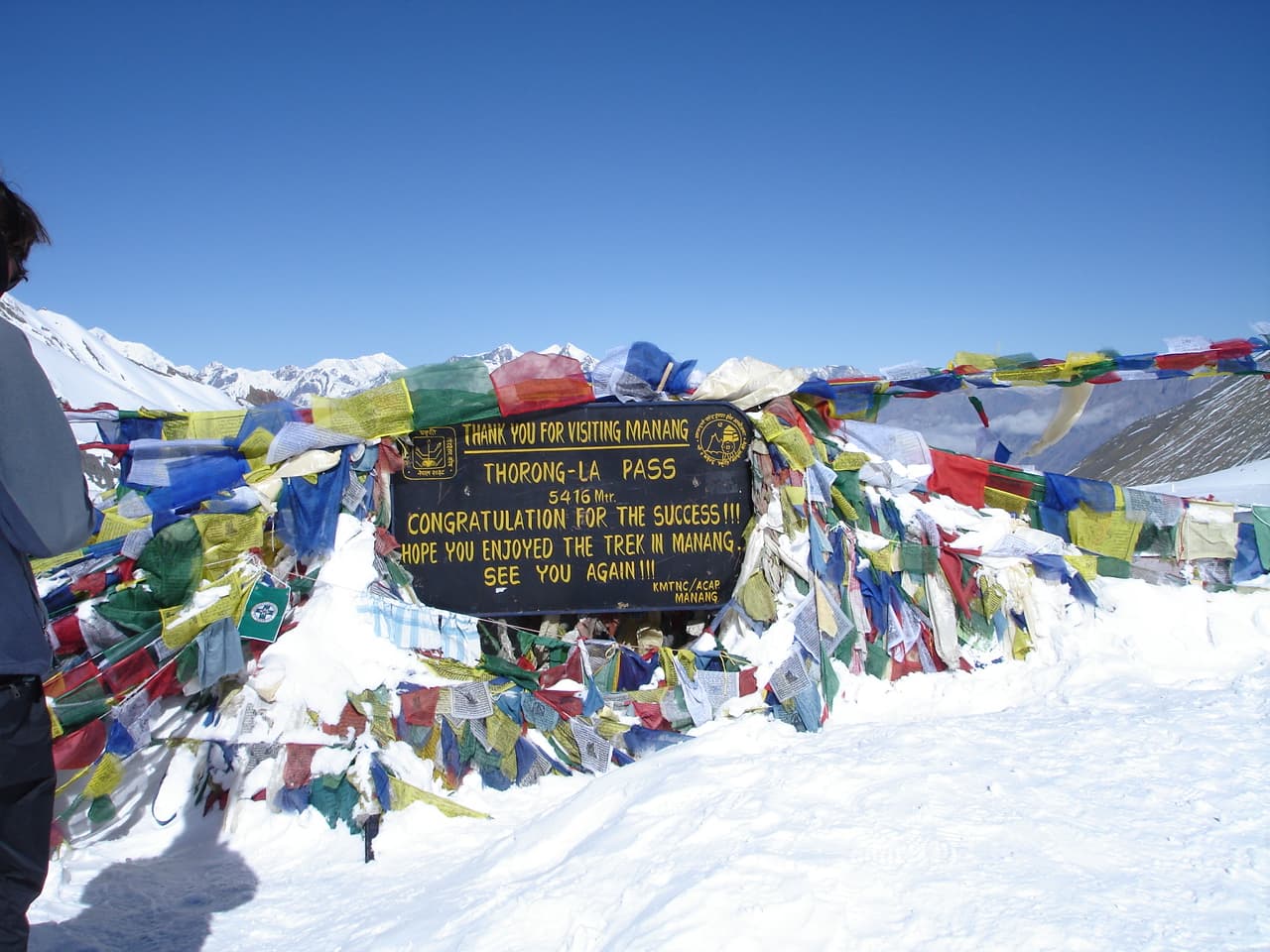
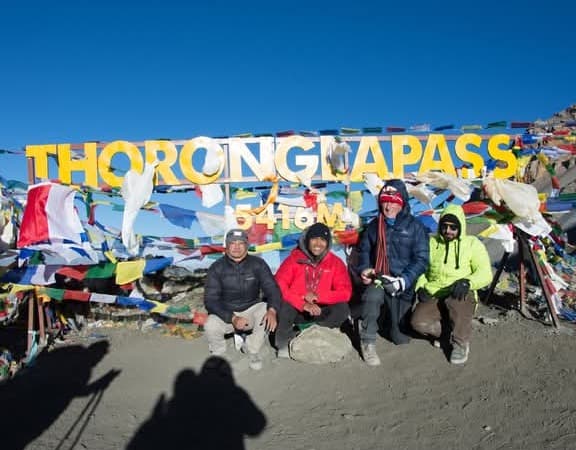
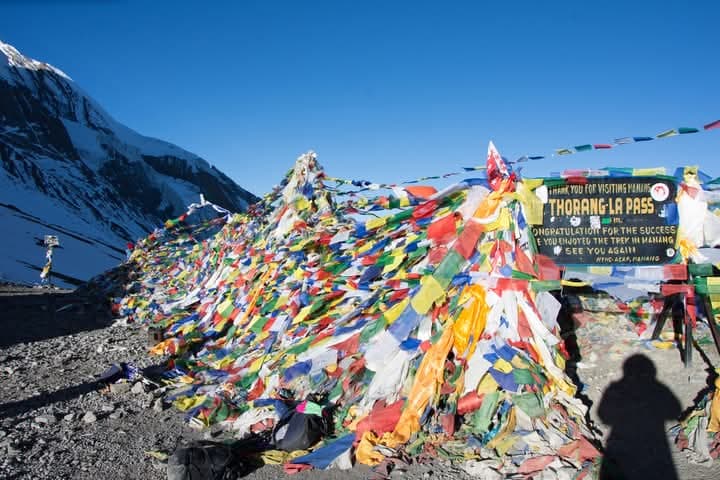
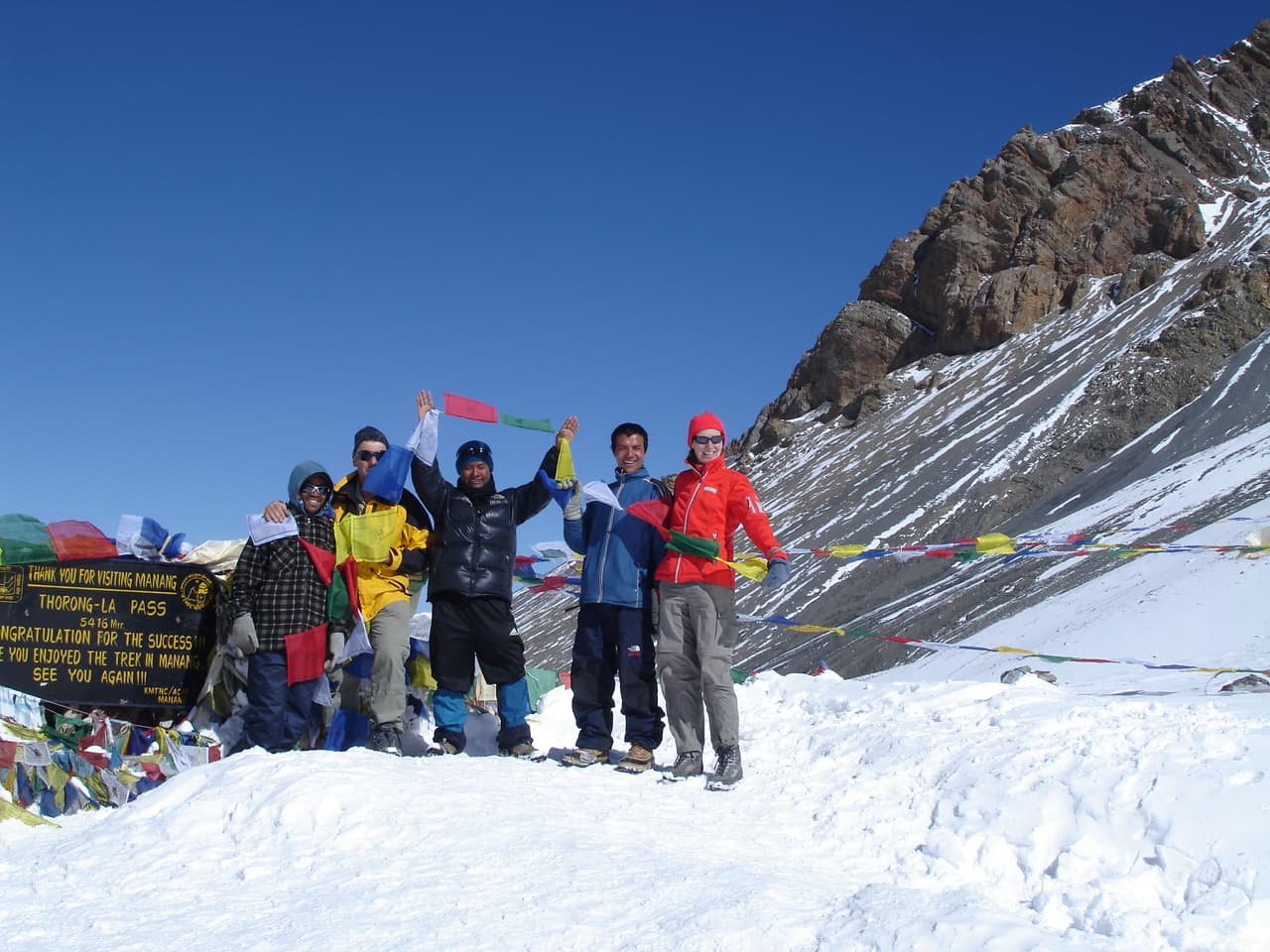
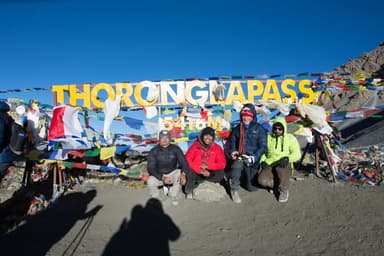
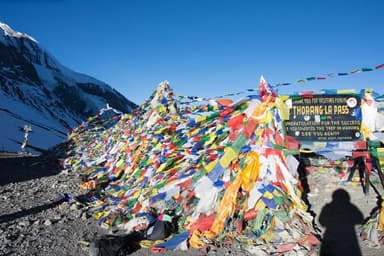
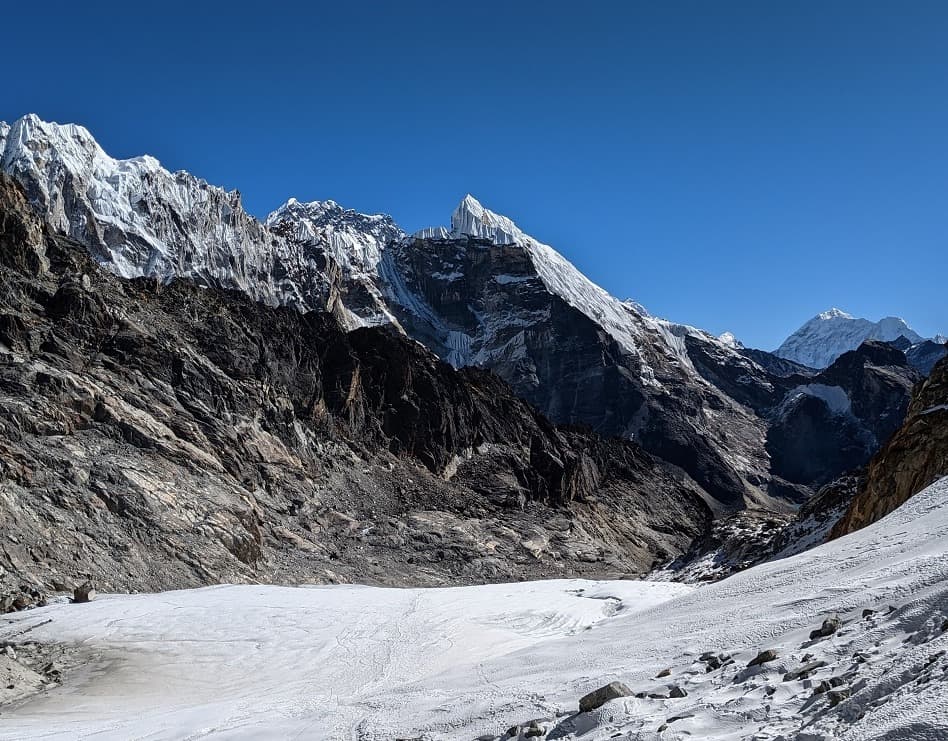
Today, the main highlight of this adventure is an early breakfast, followed by a long, undulating climb to the top of Thorang-la at 5,416 m / 17,700 ft —the highest point of this journey. On reaching the top after a vigorous climb due to the high altitude and thin air, I was greeted with incredible views of the surrounding mountains, from Mt. Dhaulagiri, Tukuche, and Mustang Himal to Annapurna II, III, and the Gangapurna mountain range. After catching mind-blowing views, descend to Muktinath at 3,800 meters. On reaching Muktinath for an overnight stop, in this holy place of Hindus and Buddhists, the word Muktinath literally means ‘the place for Nirvana or Liberation’.
Max. Elevation:5416 M
Duration:4 Hours
Distance:5 KM
Muktinath is a marvelous place with many good lodges, where pilgrims from India and Nepal visit once a year this holy spot of Muktinath with 108 water spouts, believed to be the source of the Kali-Gandaki River, from here a long descent to Kali-Gandaki valley close to Kagbeni village, and then on the flat windy valley for some time to reach Jomsom town, the central city and headquarter of Mustang region with an airstrip which flies daily to Pokhara and Kathmandu only in the morning time, as afternoon can be very windy on this windswept terrain.
Max. Elevation:2804 M
Duration:3 to 4 Hours
Distance:10 to 12 KM
Starting in Jomsom, the journey through the Mustang region offers an unforgettable experience, blending rugged landscapes with spectacular Himalayan views. The route follows the Kali Gandaki River, offering stunning panoramas of deep gorges, towering cliffs, and dramatic terrain.
As the drive progresses, Mustang's stark, arid landscape gives way to lush greenery, highlighting the area's remarkable ecological diversity. Along the way, you'll pass through charming villages, where traditional Nepali life unfolds. These stops offer an excellent opportunity to interact with the friendly locals and immerse yourself in their culture.
Although the road can be challenging in certain sections, it is well-maintained. It ensures a safe and comfortable Travel, allowing you to appreciate the breathtaking scenery and unique charm of the Mustang region.
Max. Elevation:1200 M
Duration:7 Hours
Distance:42 KM
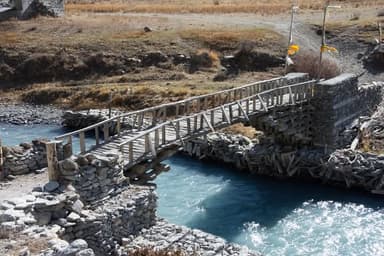
After an enjoyable time in Tatopani, the morning walk continues for an hour along the winding trail, crossing a bridge over the Kaligandaki River. Then our route diverts heading to a steeply terraced hillside, dotted with farms and villages, all the way through dense alpine forest reaching at Chitre, from here an hour climb to overnight stop at Ghorepani- Deurali village with fabulous views of world’s 07th highest Mt. Dhaulagiri towards North West, including Annapurna South and Vara-Shikar (Annapurna Fang), Ghorepani located on old Trans-Himalayan Salt Trade Route which extends to Upper Mustang and beyond Tibet, this village inhabited with Pun Magar tribe and Ghorepani is famous for Pun Hill viewpoint, offering a super panorama of world’s three highest mountains with striking sunrise and sunset.
Max. Elevation:2750 M
Duration:6.30 Hours
Distance:13 to 16 KM
Early morning before sunrise an hour's walk up to Pun-Hill at 3,190 meters, this fabulous hilltop, with a fantastic view of sunrise over the mountain range from Mt. Dhaulagiri, Mt. Manaslu to Annapurna and as far as Ganesh Himal in the far eastern horizon including majestic Mt. Machhapuchhre “The Fish Tail” one of the most respected and unclimbed peak, after an enjoyable and impressive panorama walk back to Ghorepani through enchanting rhododendron forest, and then walk continues with a long descent to Ulleri on the stone paved steps to the suspension bridge at Tirkhedhunga for overnight stop.
Max. Elevation:1500 M
Duration:5 Hours
Distance:12.9 Km
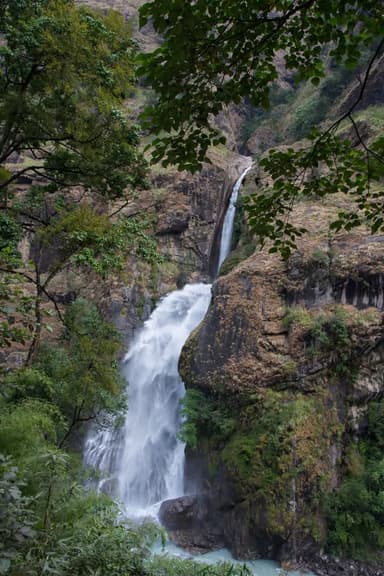
Today the final trekking to ends at Nayapul with a drive to Pokhara, The morning walk leads downhill on the gradual path most of the way passing many farm villages with beautiful views of waterfalls, then reaching a lovely town of Bhirethati next to Modi River with views of Mt. Machhapuchhre (Fish Tail), from here half-hour walk reaches Nayapul completing a walk of this great adventure, and then two hours interesting and scenic drive to the famous tourist spot in Pokhara for overnight stop near beautiful Lake Phewa.
Max. Elevation:1100 M
Duration:5 Hours
Distance:8 to 10 KM
In the morning, take a drive to Kathmandu. After a fantastic, memorable Trek in the high mountains of the Annapurna region, upon reaching Kathmandu, transfer to the respective hotels. The afternoon is free for leisure.
Max. Elevation:1300 M
Duration:6 Hours
Distance:200 KM
Last day in Nepal with a wonderful, memorable time in the Himalaya trekking around the Annapurna circuit Trek with Team Himalaya and transfer to the airport for the flight back home or to the respective destination.
Max. Elevation:1300 M
If the provided schedule isn't suitable for you, we can create personalized travel arrangements.
A "standard package" for the Annapurna Circuit Trek is a comprehensive and all-inclusive option designed for travelers who want a balanced experience without a high price tag. These treks typically last between 10 and 19 days,
Book your own private small group trip
**Discounts are determined exclusively by the size of your group. We do not add additional members to your group.
July 2026
Su
Mo
Tu
We
Th
Fr
Sa
28
29
30
1
2
3
4
5
6
7
8
9
10
11
12
13
14
15
16
17
18
19
20
21
22
23
24
25
26
27
28
29
30
31
1
Sold out dates
US $0US $0 per person (based on 1 people)
Cost Includes
Pickups and drop-offs from the Airport, hotels, and the airport.
2-night 3-star hotel in Kathmandu and 1 night in Pokhara on a Bed and Breakfast basis.
All Twin share accommodation and meals (Breakfast, Lunch, and Dinner) during the trek.
All ground transportation from Kathmandu to Besisahar by Bus and from Besisahar to Jagat by private four-wheel jeep.
Transportation from Nayapul to Pokhara and Jomsom to Tatopani by private vehicle, and Pokhara to Kathmandu by tourist bus.
All necessary paperwork and (ACAP) permits.
All applicable TIMS cards (Trekking Information Management System).
All our government taxes, VAT, and tourist service charges.
Service of an experienced, knowledgeable, helpful, friendly, and English-speaking guide and his /her trek personal expenses, equipment, accommodation, meals, travel medical insurance, salary, and daily wages.
The porter will provide porterage, all accommodation, meals, equipment, travel medical insurance, salary, and daily wages. (2 trekkers 1 porter).
Down jacket and sleeping bag by the team Himalaya (which need to be returned after the trek).
Water purification tablets for safe drinking water.
Group medical supplies (a first aid kit will be available).
Annapurna Trekking Map.
Farewell dinner in Kathmandu at an authentic Nepalese restaurant with cultural programs.
Provide a pulse oximeter to monitor blood oxygen saturation at high altitudes.
All our Official expenses.
Appreciation letter.
Travel and rescue arrangements.
Cost Excludes
Lunch and dinner in Kathmandu and Pokhara.
Personal expenses (phone calls, laundry, bar bills, battery recharge, extra porter, bottle or boiled water, shower, etc.).
International airfare to and from Kathmandu.
Travel and rescue insurance
Excess baggage charge
Extra night accommodation in Kathmandu because of early, late, or early return from the mountain (due to any reason) than the scheduled.
Tips for trekking staff and driver (tipping is expected)
Route Map
Loading map...
Know Before you Go
Best Time to Go
The Annapurna Circuit can be completed at any time of the year, but the best seasons fall in spring (March to May) and autumn (September to November). Spring brings warm daytime temperatures, clear skies, and blooming rhododendrons, while autumn is known for stable weather and excellent mountain visibility. Winter trekking from December to February is possible but requires preparation for very cold conditions and snow around Thorong La Pass. The monsoon months from June to August bring heavy rain to lower areas, while Mustang remains fairly dry because it lies in the Himalayan rain shadow.
Tip: For the best balance of scenery and weather, choose spring or autumn. If trekking in winter, pack extra warm clothing, and if trekking in summer, prepare for muddy trails in the lower sections.
Difficulty
The Annapurna Circuit Trek is rated moderate to challenging. The route covers more than 200 kilometres over two to three weeks, with daily walking hours ranging from five to seven. Trekkers encounter a variety of landscapes, from green valleys to high-altitude deserts. The most demanding section is the crossing of Thorong La Pass at 5416 meters, where altitude, thin air, and weather conditions make the climb difficult.
Tip: Start physical training several weeks before the trek, focusing on cardio, strength, and long hikes to improve stamina.
Accommodation and Food
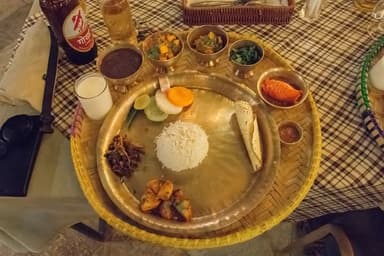
Lodging along the Annapurna Circuit is provided by teahouses and lodges. Most provide basic rooms with twin beds and essential amenities, while larger villages such as Manang, Jomsom, and Ghorepani offer better facilities, including bakeries and internet access. Meals include Nepali dishes like dal bhat, as well as Tibetan bread, noodles, and soups. In bigger villages, international options such as pizza and pasta are also available. Prices rise as you gain altitude since supplies must be carried by mule or porter.
Tip: Carry light snacks, such as chocolate or nuts, and bring a warm sleeping bag for added comfort in higher villages.
Permits
To trek the Annapurna Circuit, hikers need two official permits: the Annapurna Conservation Area Permit (ACAP) along with the Trekkers’ Information Management System (TIMS) card. ACAP helps protect the natural environment and supports local conservation projects, while the TIMS card allows authorities to track trekkers for safety. Both permits are available for issuance in Kathmandu or Pokhara, provided a passport and photographs are available. Permits are checked at several points along the route, so it is important to keep them accessible.
Tip: Keep both paper and digital copies of your permits to avoid problems if the originals get lost or damaged.
Culture and Monasteries
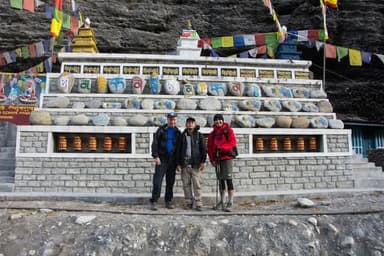
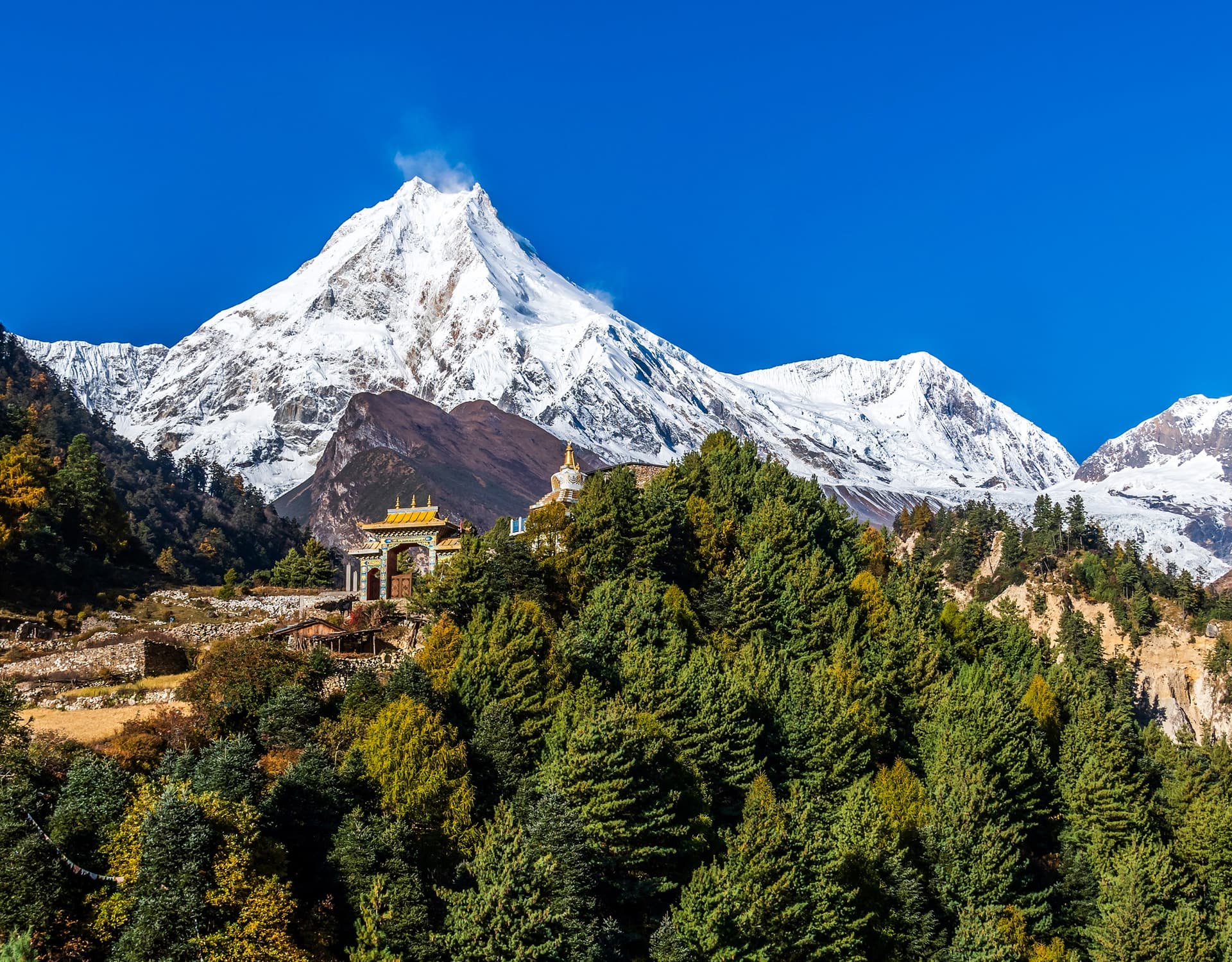
The trek passes through villages of Gurungs, Thakalis, and Manangis, each with unique traditions. Higher areas show strong Tibetan influence, visible in prayer walls, colourful flags, and monasteries. The Braga Monastery near Manang is one of the highlights, while the Muktinath Temple in Mustang is a significant pilgrimage destination for both Hindus and Buddhists.
Tip: When visiting monasteries or shrines, walk clockwise and turn prayer wheels in the same direction as the locals as a sign of respect.
Acclimatisation and Altitude
Spending time to acclimatise is essential for a safe trek. Manang at 3450 meters is a common stop where trekkers take a rest day and do short hikes to adjust to the altitude. Altitude sickness can appear with symptoms such as headache, nausea, and fatigue. The safest prevention is to ascend gradually, drink plenty of water, and avoid alcohol.
Tip: Follow the “climb high, sleep low” principle and carry prescribed medication such as Diamox for emergencies.
Packing List
For the trek, warm clothes including thermal layers, Fleece layers, and a down jacket are essential, along with waterproof jackets and pants, trekking boots with extra socks, a sleeping bag rated for cold weather, trekking poles, sunglasses, gloves, a hat, sunscreen, and lip balm are also needed. Carry water bottles with purification tablets or a portable filter, a headlamp with spare batteries, a first-aid kit, personal medications, snacks, and copies of your permits and passport.
Tip: Keep your daypack light with only essentials such as water, snacks, and extra clothing.
Insurance
Having travel insurance is crucial for trekking the Annapurna Circuit. It should cover high-altitude trekking, medical emergencies, helicopter evacuation, and trip interruptions. Trekking at altitudes above 5,000 meters involves risks such as altitude sickness, sudden weather changes, and injuries, and the nearest proper medical facilities are far away. Helicopter evacuations can be very expensive, making insurance a necessity rather than an option.
Tip: Share your insurance details with your guide and carry a printed copy to ensure quick assistance in emergencies.
Transportation
Most trekkers start the journey with a drive from Kathmandu to Besisahar, then continue to Jagat, the trek's trailhead. At the end of the circuit, many return to Pokhara by jeep. From Pokhara, there are options of a short flight or a six to seven-hour road journey back to Kathmandu.
Tip: Roads can be rough and dusty, so carry a mask and motion sickness medicine if needed.
Electricity and Communication
Most villages along the Annapurna Circuit have electricity, but it is limited in higher settlements and often available only during certain hours. Charging devices such as phones and cameras may cost extra, especially at smaller lodges. The internet is available in larger villages like Manang, Jomsom, and Ghorepani, but connections are slow and sometimes unreliable. Mobile coverage is patchy along the trail, particularly in remote valleys and high-altitude regions, so do not rely on constant connectivity. Some areas are completely offline, so it is important to plan ahead for communication needs.
Tip: Carry a reliable power bank or solar charger and consider offline maps or GPS apps to help navigate when mobile signals are unavailable.
Drinking Water
Clean drinking water is available along the entire trek, but the cost rises significantly with altitude. Most teahouses sell bottled water, and boiled water is usually provided for a small charge. Many trekkers carry refillable bottles along with water purification tablets or portable filters to save money and reduce plastic waste. Staying well-hydrated is especially important in high-altitude regions to prevent dehydration and altitude sickness. Avoid drinking untreated river water as it can cause illness.
Tip: Drink at least three to four litres of water each day and carry hydration salts to restore electrolytes lost from sweating and physical exertion.
Guide and Porter
Getting a guide and porter is highly recommended for the trek. for the Annapurna Circuit, especially for first-time trekkers. A guide provides local knowledge and cultural insights and ensures your safety by monitoring altitude acclimatisation and trail conditions. They also handle permits and manage logistics, making the trek smoother. Porters carry heavy bags, often including tents, sleeping bags, and extra gear, allowing trekkers to walk comfortably with only a light daypack. Supporting local guides and porters also contributes directly to the livelihoods of people in the region.
Tip: Respect your porter’s limits and keep their load within 20 to 25 kilograms. Always carry personal essentials in your daypack and ensure they receive proper meals and breaks during the trek.
Flights and Travel Options
While most of the Annapurna Circuit begins with an overland journey, domestic flights are sometimes used to shorten the trip. Many trekkers choose to fly from Jomsom to Pokhara after crossing Thorong La Pass. From Pokhara, there are frequent flights and road connections to Kathmandu. Flights may be delayed or cancelled because of weather, so it’s wise to plan for an extra buffer day.
Tip: Book your flights early during peak trekking seasons and be flexible with your travel schedule.
Fantastic travel company. I recently did Annapurna Circuit Trek with Team Himalaya and it was one of the memorable adventure I have done. A big thumps up for Raj and the team for understanding our preferences and altered the rout accordingly. During the trek the team helped and looked after us wonderfully. Looking forward to the next adventure with Team Himalaya.
Frequently Asked Questions About the Annapurna Circuit Trekking
When is the best time to trek the Annapurna Circuit?
Spring (March–May) and autumn (September–November) offer the best weather, clear skies, and stunning mountain views. Spring brings blooming rhododendrons, while autumn provides crisp air and excellent visibility. Winter trekking is cold, and monsoon (June–August) brings rain in the lower regions.
How tough is the Annapurna Circuit trek?
The trek ranges from moderate to challenging, featuring daily walks of 5-7 hours over varied terrain, including valleys, forests, and high-altitude deserts. Thorong La Pass (5,416 m) is the most difficult section due to altitude and thin air.
Do I need previous trekking experience?
Previous trekking helps, but is not required. First-timers can enjoy the trek with preparation. Cardio exercises, long hikes, and stair climbing improve fitness and help with acclimatisation.
What is the highest point on the trek?
Thorong La Pass, at 5,416 meters, marks the trek’s summit and offers stunning views of the Annapurna and Dhaulagiri ranges. Early morning climbs offer the clearest skies and the best photos.
What type of accommodation is available?
Lodging is mostly in teahouses and lodges. Rooms are simple with twin beds and shared bathrooms. Larger villages like Manang, Jomsom, and Ghorepani offer better facilities, including internet access, bakeries, and hot showers.
What types of food are available along the trek?
Meals include Nepali dishes such as dal bhat, noodles, and Tibetan bread, with some Western options, such as pasta or pizza, in larger villages. Prices rise with altitude. Hot drinks like tea or coffee are essential for warmth and energy.
Are permits required for this trek?
Yes, two permits are needed:
* Annapurna Conservation Area Permit (ACAP) * Trekkers Information Management System (TIMS) card
Permits can be acquired in Kathmandu or Pokhara and are verified at various points along the trail.
Why is acclimatisation important?
Rest days in Manang or other high-altitude villages allow your body to acclimate to the thin air. Gradual ascent helps prevent altitude sickness. Drinking plenty of water and pacing yourself are key.
Can altitude sickness affect fit trekkers?
Yes, altitude sickness can affect anyone. Symptoms include headache, nausea, dizziness, and fatigue. Guides monitor trekkers carefully, and descending is the safest remedy in severe cases.
Should I hire a guide or porter?
A guide provides safety, navigation, and cultural insights, while a porter carries heavy gear for a lighter daypack. Hiring them also supports local livelihoods.
Will I have mobile and internet access?
Mobile coverage is patchy, especially in remote valleys and high-altitude areas. Larger villages may offer Wi-Fi for a fee, though it can be slow. Plan for offline communication options.
Is drinking water safe along the trail?
Boiled or filtered water is safe. Carry purification tablets or a portable filter. Drinking plenty of water prevents dehydration and altitude sickness. Avoid untreated river water.
What essentials should I pack for the trek?
Trekking boots, warm clothing, waterproof jackets and trousers, gloves, hats, sunglasses, sunscreen, trekking poles, and a good sleeping bag are essential. Pack light and bring only what’s necessary for day hikes.
How much cash should I carry?
Cash is necessary in larger villages. There are a few ATMs, and credit cards are not often accepted in the teahouses. Carry sufficient Nepali rupees for food, lodging, and small emergencies.
Are there medical facilities along the trek?
Basic health posts exist, but serious emergencies require helicopter evacuation. Carry a first-aid kit and personal medications. Travel insurance covering high-altitude trekking is strongly recommended.
What cultural experiences are available?
Trekkers pass through the villages of Gurung, Thakali, and Manangi, as well as monasteries and temples such as Braga Monastery and Muktinath Temple. Respect local customs, dress modestly, and ask permission before taking photos.
How can I minimise environmental impact?
Use refillable water bottles, avoid littering, follow marked trails, and support eco-friendly teahouses. Following Leave No Trace rules helps protect the delicate Himalayan environment.
How long does the trek typically take?
A standard itinerary is 14-18 days, depending on pace, acclimatisation, and route variations. Extra days may be needed for rest or weather delays.