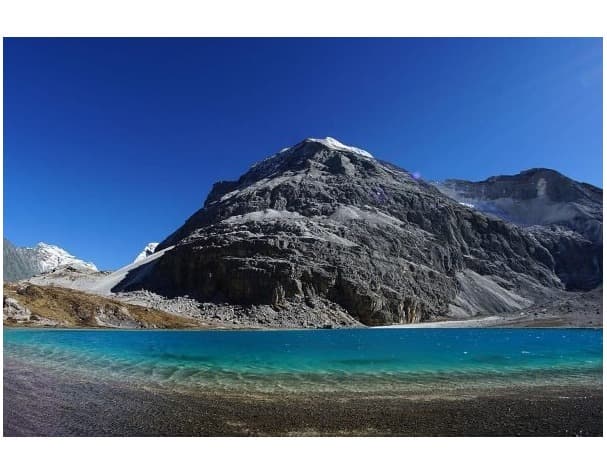
Introduction to Mt Kailash overland Tour via Kerung
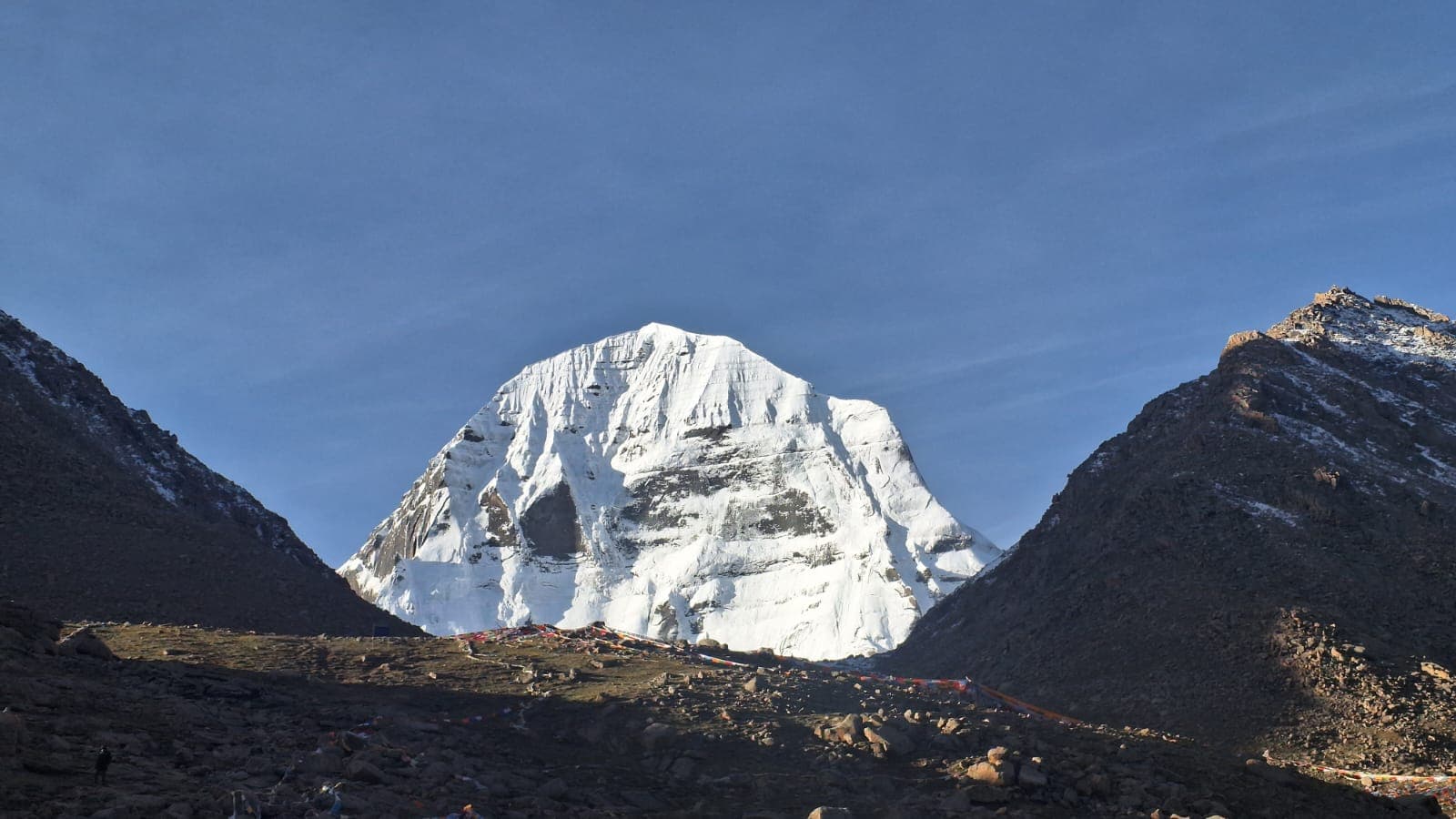
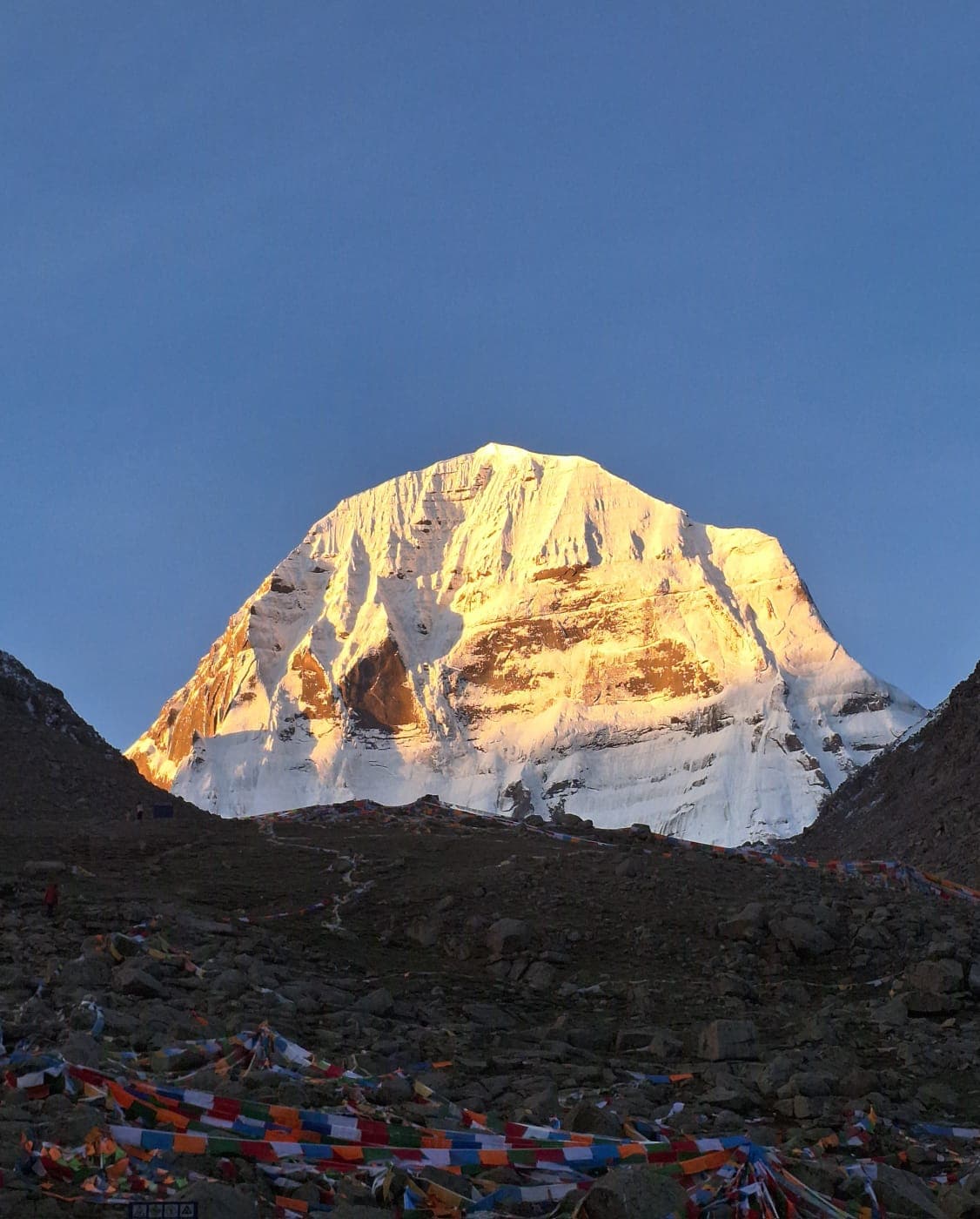
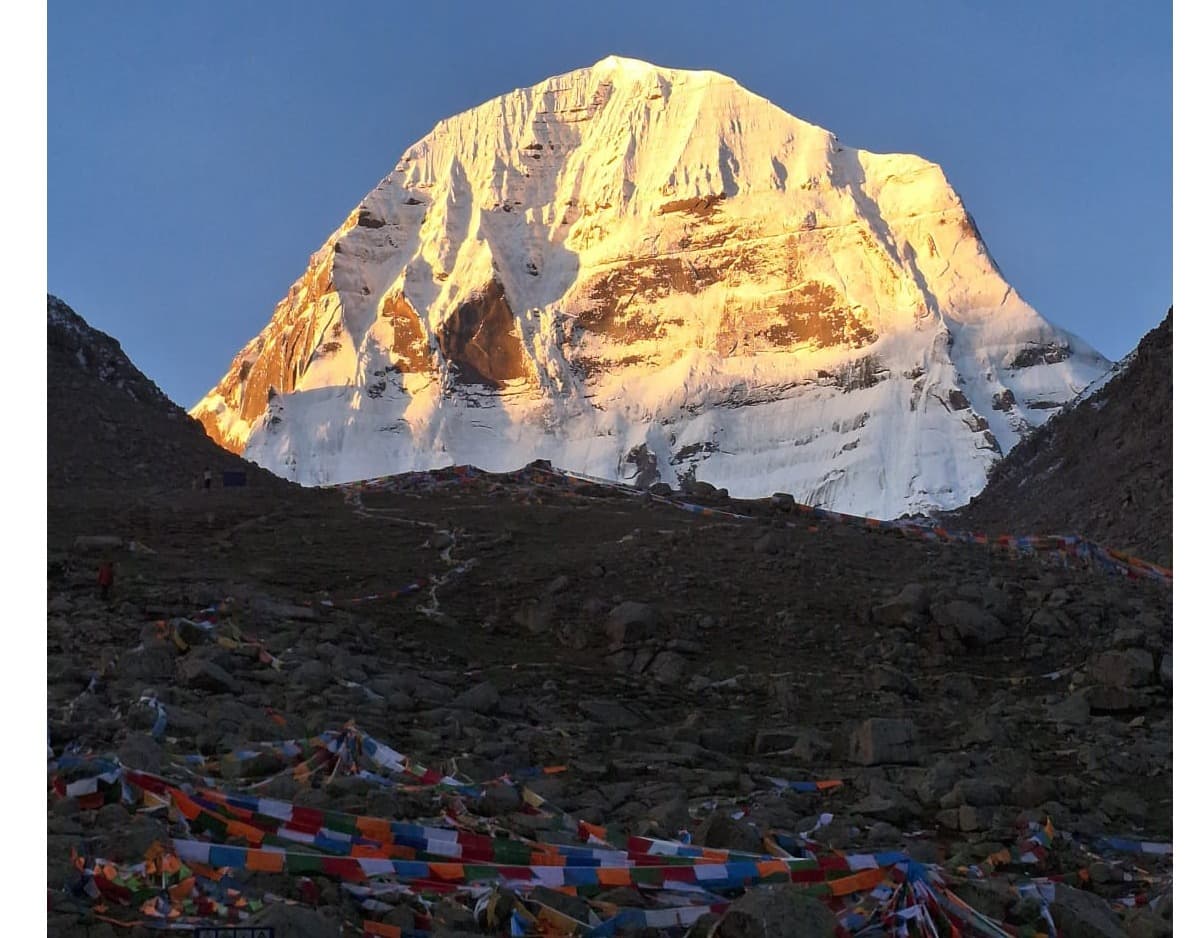
The Mt. Kailash Overland Tour via Kerung is indeed a thrilling adventure and an enlightening journey that offers visitors the opportunity to discover the splendours of Mount Kailash, one of the holiest places on earth. Mt. Kailash is situated in the extreme western part of Tibet and is revered by various faiths, including Hinduism, Buddhism, Jainism, and Bon, making it a sacred pilgrimage site for millions of followers worldwide.
DestinationTibet
Duration14 days
GradeModerate
ActivitiesTour
AccommodationTea-House and Lodge
Max. Elevation5645m.
Group SizeMin. 1 Pax
Vehicleprivate vehicles
MealsBreakfast, Lunch, and Dinner during The Trek
Overview
The Mt. Kailash Overland Visit through Kerung is an exciting and profoundly enriching travel experience that offers travellers the chance to explore one of the world's most sacred mountains—Mount Kailash. Located in the far western region of Tibet, Mt. Kailash is revered by Hindus, Buddhists, Jains, and Bon practitioners alike, making it a sacred pilgrimage site for millions. The overland visit permits explorers to engage with this sacred mountain's beauty and spirit as they cross the Tibetan Plateau through the Kerung border. The visit ordinarily begins in Kathmandu, Nepal, where travellers set out on a picturesque drive toward the Nepal-China border at Kerung. The course offers breathtaking views of the Himalayas, including the towering peaks of the Langtang Valley and the rich valleys underneath. Upon crossing into Tibet at the Kerung border, the visit continues through the Tibetan highlands, where guests can immerse themselves in the region's one-of-a-kind culture, monasteries, and stunning landscapes.
Highlights
Explore the sacred Mount Kailash, a holy site for Buddhists, Hindus, Jains, and Bon practitioners.
Visit Lake Mansarovar, known for its crystal-clear waters and otherworldly significance.
Drive through the picturesque scenes of the Tibetan Plateau, encompassed by grand mountains.
Experience the one-of-a-kind culture, conventions, and ways of life of Tibetan communities.
Complete the celebrated three-day Kailash Kora (circumambulation) trek.
Cross the Kerung border and appreciate the shocking views of Nepal and Tibet.
The highlight of the visit is the journey around Mt. Kailash, which includes the Kailash Kora. This sacred circumnavigation is believed to cleanse the soul and bestow otherworldly benefits, with numerous travellers completing it in search of blessings, purification, and freedom. The journey is approximately 53 kilometres and is ordinarily completed in three days, passing through rough terrain, frigid waterways, and high-altitude landscapes. Along the way, travellers visit essential holy sites, including the sacred Lake Manasarovar, believed to possess healing powers.
The Mt. Kailash Overland Visit through Kerung offers an ideal blend of business, spiritual experience, and cultural exploration. The journey through inaccessible Tibetan districts, with its breathtaking natural beauty and profound spiritual significance, is an extraordinary experience for those seeking to connect with nature and the divine.
Itinerary of Mt Kailash overland Tour via Kerung - 14 days
Upon your arrival in Kathmandu, the capital of Nepal, you will be welcomed by agents from the visit administrator and escorted to your hotel. Kathmandu, often referred to as the "City of Sanctuaries," offers a dynamic blend of cultural heritage and modern amenities. After check-in, you can rest and recuperate from your travel or take a brief walk around the bustling boulevards of Thamel. In the evening, there will be a briefing about the upcoming visit and arrangements for the experience ahead.
Max. Elevation:1300 M
Duration:30 Mins
This day is devoted to exploring UNESCO World Heritage sites in Kathmandu. The day starts with a visit to Pashupatinath Sanctuary, one of the holiest shrines dedicated to Lord Shiva. You will witness the complicated carvings and devout ceremonies performed by aficionados. Following, you visit Boudhanath Stupa, one of the biggest stupas in the world, a quiet spot filled with Buddhist supplication banners and turning supplication wheels. The day closes with a visit to Swayambhunath Stupa, famously known as the Monkey Sanctuary, which offers all-encompassing views of the Kathmandu Valley. The evening is free for last-minute shopping or relaxation.
Max. Elevation:1300 M
Duration:4 Hours
Distance:11 Km
After breakfast, the trip starts with a picturesque drive from Kathmandu to Ghattekhola. This course takes you through winding streets, lavish green slopes, and terraced areas. You will pass through small towns, with advertising that evokes a rustic Nepalese life. The Trishuli Stream accompanies you along the way, offering dazzling views and occasional rapids. Upon arriving at Ghattekhola, you will spend the night at a straightforward, yet comfortable, stopover, preparing for the border crossing the following day.
Max. Elevation:1854 m
Duration:6-8 Hours
Distance:160 M
On this day, you will cross the Nepal-Tibet border and enter Kerung, a little town on the Tibetan side. After completing the movement and traditional customs at Rasuwagadhi, you will proceed to Kerung by car. The scene starts to alter significantly as you rise to the Tibetan Level, with rich greenery giving way to endless, fruitless scenes and snow-capped mountains. Kerung, at roughly 2,900 meters, serves as a gateway to Tibet and offers a chance to acclimatise to the rising altitude.
Max. Elevation:2900 m
Duration:4 hours
The journey from Kerung to Adventure is long but unimaginably fulfilling. You will drive over the high-altitude Tibetan Plateau, passing through little settlements and seeing the way of life of the local people. The drive offers dazzling views of the Himalayan range, with towering peaks like Shishapangma. Adventure, found at an elevation of 4,640 meters, is a bustling town and an imperative halt for travellers heading to Mt. Kailash. After checking into your hold-up, you can rest and get ready for another day’s adventure.
Max. Elevation:4640 m
Acclimatization is pivotal to ensuring your body adjusts to high altitude. This day is set aside for rest and light exercise around Adventure. You can take brief strolls to investigate the town, connect with local people, or essentially unwind. Hydration and an adjusted slim-down are fundamental to combat the effects of height ailment. This day also allows for rational, physical planning for the otherworldly travel ahead.
Max. Elevation:4640 M
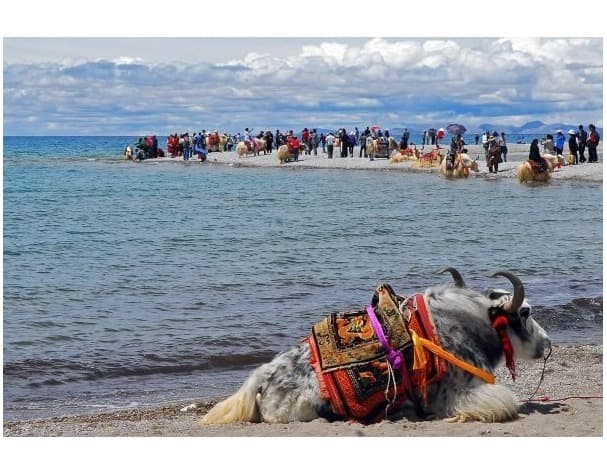
This day marks a noteworthy highlight of the trip as you head towards Lake Mansarovar. The drive from Adventure takes you through the pleasant town of Paryang and offers breathtaking views of the Tibetan plateau. Upon arriving in Mansarovar, the world's highest freshwater lake, you will be mesmerized by its quiet beauty and otherworldly atmosphere. The turquoise waters of the lake reflect the encompassing snow-clad peaks, creating an enchanted air. You can take a sacred plunge in the lake, perform ceremonies, or think by its shores. The day closes with a night spent in Mansarovar.
Max. Elevation:4590 M
After a morning of investigating Mansarovar, you will drive to Darchen, the base camp for the Kailash Kora (circumambulation). Darchen is a little settlement found at the foot of Mt. Kailash and serves as a centre for travellers and trekkers. The drive is generally brief, allowing adequate time to rest and get ready for the challenging yet fulfilling Kora. You can moreover visit the neighbourhood markets in Darchen to buy basics or souvenirs.
The day of the Kailash Kora begins with a brief drive to Yamadwar, the "Door of the God of Passing." This is a noteworthy point: travellers sometimes offer supplications at the beginning of their journey. From Yamadwar, you will journey to the Drirapuk religious community, located at an altitude of 5,080 meters. The path offers staggering views of Mt. Kailash and the encompassing scene. The walk is direct, permitting you to immerse yourself in the otherworldly vibe and interact with individual travellers. You will spend the night at Dirapuk, with a close-up view of the north face of Mt. Kailash.
This is the most challenging and fulfilling day of the Kora. The journey includes crossing the Drolma La Pass, the highest point at 5,645 meters. The climb is steep and requires physical endurance, but the all-encompassing views from the pass make it worthwhile. Along the way, you will experience Gauri Kund, a sacred lake related to Hindu mythology. The plummet from the past leads to Juthulpuk Cloister, where you will spend the night. The religious community is named after the remarkable impression Milarepa made, a venerated Tibetan saint.
The last day of the Kora is generally a simple journey from Juthulpuk to Jhong. The path passes through lovely scenes and little settlements, stamping the conclusion of the circumambulation. From Jhong, you will drive back to Adventure, following the course through the Tibetan Level. The journey back offers a sense of achievement and allows time to reflect on the Kora's otherworldly and physical encounters.
The drive from Adventure to Kerung takes you through recognisable, however similarly captivating, scenes. This day marks the transition from the otherworldly travel to the return leg of the visit. You will have time to unwind and share stories with individual travellers while enjoying the stunning vistas of the Tibetan Plateau.
After completing border customs at Kerung, you will cross back into Nepal and drive to Kathmandu. The plunge from the Tibetan Level offers a gradual return to the lush greenery and vibrant culture of Nepal. Upon arriving in Kathmandu, you can enjoy a well-deserved rest at your lodging or explore the city one last time.
On the last day, you will be transferred to the airport for your onward travel. The Mt. Kailash Overland Visit through Kerung takes off with extraordinary recollections, a sense of otherworldly fulfilment, and a deeper connection to the natural world. Whether you attempted the trip for devout reasons, enterprise, or self-discovery, it is bound to leave an enduring impression on your heart and soul.
If the provided schedule isn't suitable for you, we can create personalized travel arrangements.
**Discounts are determined exclusively by the size of your group. We do not add additional members to your group.
July 2026
Su
Mo
Tu
We
Th
Fr
Sa
28
29
30
1
2
3
4
5
6
7
8
9
10
11
12
13
14
15
16
17
18
19
20
21
22
23
24
25
26
27
28
29
30
31
1
Sold out dates
US $0US $0 per person (based on 1 people)
Cost Includes
Documentation
Tibet Permits
Tibet Visas
Special Kailash Mansarovar Permit
Applicable Entrance Fees for all the mentioned sites
Transportation
Private Ground Transportation: Comfortable vehicles for all transfers and travel
Airport Transfers: Pickup and drop-off services
Accommodation
4-Star Standard Accommodation: Twin sharing in Kathmandu and Tibet, group sharing in the Kailash region
Hotel List:
S.No Place Hotel/Similar Standard 1 Kathmandu Hotel Lo Mustang **** 2 Ghattekhola Sonam Guest House Best Available 3 Kerung Hotel Pilgrims Inn Best Available 4 Saga Hotel Station Manor Best Available 5 Mansarovar Ashram Guest House Best Available 6 Darchen Himalaya Hotel Best Available 7 Drirapuk Government Guest House Best Available 8 Zuthulpuk Government Guest House Best Available
Upgrade Option: Additional USD 250.00 per person for 5-star standard accommodation in Kathmandu
S.No Place Hotel/Similar Standard 1 Kathmandu Yak & Yeti *****
Support and Crew
Professional Nepali Guide and Tibetan Guide
Dedicated Nepali Crew Members in the Kailash region
Meals
Vegetarian Meals: Breakfast, lunch, and dinner are included daily
Tibet: Lake Mansarovar, Holy Mount Kailash, Milarepa Cave, Drolma La Pass, Yamadwar, Gauri Kunda
Equipment
Medical Kits and First Aid Supplies
Oximeter: Daily checks of pulse and oxygen levels
Oxygen Cylinders: A Sufficient supply is provided
Other Necessary Equipment
Parikrama Stick
Clothing
Down Jacket
Duffle Bag
Day Backpack
Cost Excludes
Personal Expenses: Any personal purchases or services not included in the itinerary
Pony, Horseman, and Helper: Charges for additional support staff or animal assistance
International Airfare: Flights to and from Kathmandu
Insurance: Travel, health, or emergency insurance
Emergency Circumstances: Costs arising from unforeseen situations, such as natural disasters or personal emergencies
Extra Nights: Accommodation not included in the planned itinerary
Know Before you Go
Equipment for the Mt. Kailash Overland Tour via Kerung
When planning an overland visit to Mt. Kailash, reliable equipment is essential to ensure comfort, safety, and preparedness. Whereas you won’t be trekking the entirety of the circuit, the territory is still challenging, and the climate can be cruel, particularly at high elevations. The right adapter can make the travel smoother and more enjoyable. Clothing: Since you will be travelling through different elevations and climates, it's vital to pack clothing for a range of conditions. At lower elevations, the climate can be moderately warm, but as you rise toward Kailash, temperatures can drop. Here’s what to bring:
* Base layers: Moisture-wicking shirts and warm socks to keep your body warm. * Insulating layers: Downy or down coats are basic for cold temperatures, particularly at night or when you reach higher elevations. * Waterproof and windproof outer layer: A tough coat and pants to protect you from wind and rain. * Hats and gloves: A warm cap to cover your ears and gloves to keep your hands warm. * Sun protection: A wide-brimmed hat to shield your face from the unforgiving sun, and sunglasses to protect your eyes from glare at high altitudes.
Footwear:
While you will not be trekking the entire Kailash circuit, it’s still critical to have sturdy, comfortable shoes for the trip. Comfortable, well-supported strolling shoes are recommended for the overland ride to Mt. Kailash. Furthermore, pack a combination of lightweight shoes for when you’re resting in the guesthouses.
Backpack:
A small rucksack is recommended for carrying essentials like water, snacks, sunscreen, a camera, and other personal items. Bigger items, such as your dress, toiletries, and other essentials, can be packed in your main baggage, which will be transported in the jeep.
Sleeping Bag:
Even though the overland visit includes remaining in guesthouses, it’s shrewd to bring a lightweight sleeping bag, particularly if you are travelling in the cooler months. A few lodgings may not have bedding, so having your claim resting pack can make a critical difference in comfort.
Water and Snacks:
While water will be available during the trip, it’s essential to carry a refillable water bottle to stay hydrated. You ought to pack a few light snacks, such as vitality bars, nuts, and dried fruits, for long drives between destinations.
First Aid Kit:
Carry a basic first-aid kit with gauze, clean wipes, pain relievers, elevation-related medications, and any other medications you may need. Moreover, be sure to pack any regular medications, as medical services in Tibet can be limited.
Camera and Personal Items
Don’t disregard your camera to capture the radiant seas along the way! A control bank or a convenient charger will also be valuable for keeping your gadgets charged if power access is limited in some areas.
Packing Recommendations
Packing appropriately is pivotal for the Mt. Kailash Overland Visit via Kerung, as the journey involves varied terrain and weather conditions. Here are a few fundamental pressing recommendations:
Clothing: Pack warm, layered clothing to adapt to fluctuating temperatures. Warm wear, downy coats, waterproof coats, gloves, caps, and scarves are basic. Comfortable trekking pants and moisture-wicking t-shirts are suggested for the daytime.
Footwear: Durable, comfortable trekking boots with a good grip are a must. Carry an extra set of socks, including warm ones, to keep your feet warm and dry.
Backpack and Bags: A tough rucksack for day-to-day fundamentals and a duffel sack for the rest of your assets are perfect. Guarantee your packs are waterproof or have rain covers.
Sleeping Gear: Even though most housing provides essential bedding, carrying a high-quality resting pack suitable for sub-zero temperatures is advisable.
Health Essentials: Pack an individual first-aid kit, a medication for height-related injuries, pain relievers, and any medical supplies. Sunscreen, lip balm, and moisturisers are essential for protecting your skin from harsh weather.
Electronics: Carry a power bank, universal travel adapter, and extra batteries for your devices. A flashlight or headlamp is also useful.
Food and Snacks: While suppers are provided during the visit, carrying energy bars, nuts, and other snacks can help provide quick energy boosts.
Personal Things: Don’t disregard your international ID, licenses, travel protection records, and additional duplicates of these. A reusable water bottle, toiletries, and a little towel are also necessary.
Packing carefully will ensure you are well-prepared for the challenges and delights of this unimaginable journey. Continuously consult your visit administrator for a point-by-point checklist specific to the season and schedule.
First Aid Kit
Carry a fundamental first aid kit: pack it with basic items such as gauze, clean wipes, pain relievers, elevation, pain medications, and any individual medications you may require. Moreover, be sure to pack any frequently used medicines, as medical facilities in Tibet can be limited.
Camera and Personal Items
Don’t disregard your camera to capture the radiant seas along the way! A control bank or convenient charger will also be valuable for keeping your gadgets charged if power access is restricted in certain areas.
Booking Terms & Conditions
Booking Policy
When booking your Mt. Kailash Overland Visit through Kerung, it is essential to follow the outlined procedures to ensure a smooth preparation. A development booking is recommended, as this is a high-demand journey and an enterprise visit. Reservations ordinarily need to be made at least three months in advance, particularly during peak seasons such as May to September, when the weather is favourable. To confirm your booking, a non-refundable deposit, typically 25% of the total cost, is required at enrollment. This store secures your spot and permits the organising group to prepare grants and calculated arrangements.
You must provide exact individual points of interest, including a valid international ID and a recent passport-sized photo. It is obligatory to unveil any restorative conditions that might influence your support. The remaining instalment adjustment must be cleared at least 30 days before the takeoff date. Disappointment to comply with the instalment timeline may result in the cancellation of your booking.
For bunch bookings, rebates may be available, depending on the number of members. It is fitting to counsel straightforwardly with the visit administrator for customised group bundles. Once your booking is confirmed, the visit administrator will provide detailed information on the agenda, accommodations, and basic preparations.
Cancellation Terms
Understanding the cancellation terms is significant; recently, we committed to the Mt. Kailash Overland Visit. The store paid at the time of booking is non-refundable because it covers authorised costs and pre-arranged services, such as grants. If you cancel your trip 30 days or more before the planned flight date, the cost of the add-on may be discounted, ordinarily by around 50%. Be that as it may, cancellations made 29 to 15 days earlier to takeoff are subject to a 75% cancellation charge, and no discount is given for cancellations made 14 days or less before the takeoff date.
In the event of unanticipated circumstances, such as political instability, characteristic fiascos, or pandemics that prevent the visit from being cancelled, the administrator may offer a rescheduling alternative or a partial discount after deducting regulatory charges. Travel protections are highly recommended to cover potential losses from cancellations.
Participants who are unable to continue the visit for personal reasons, such as visa denial or well-being issues, will be subject to the same cancellation terms. It is critical to review and have the cancellation approach sketched out by the visit administrator before making any payments.
Payment Mode & Options
For members' comfort, various instalment options are available. Instalments can be made regularly via bank transfer, credit card, or online payment portals. Bank exchanges are a secure and widely used method, but they may incur additional fees depending on your bank’s terms. Credit card instalments are also widely accepted, though they may incur an additional 4% processing fee.
Some administrators may acknowledge instalments through global platforms like PayPal, which can be helpful for international members. It is fundamental to hold all exchange receipts and affirmation emails for your records. Guarantee that you make installments as required to the authorized account points of interest given by the visit administrator to maintain a strategic distance from any false activities.
Participants are energised to clear all levies as per the stipulated timeline. Disappointment with the convenience of instalments may lead to the cancellation of your booking. In a few cases, administrators may permit plans or instalment options to be made halfway, but this should be clarified and agreed upon during the booking process. Continuously confirm the instalment terms and conditions of recent proceedings.
Important
Before setting out on the Mt. Kailash Overland Visit via Kerung, there are a few critical components to consider to ensure a smooth and pleasant journey. To begin with, a Chinese Group Visa and a Tibet Travel Permit are required to enter Tibet. The visit administrator will encourage the visa application preparer, but you must give all vital documents well in advance. Also, well-being and wellness are essential for this high-altitude travel, as the elevation can exceed 5,600 meters during the Kailash Kora (circumambulation).
Acclimatisation is key to avoiding altitude sickness, so members are prompted to follow the agenda in full and take appropriate safety measures. Remaining hydrated, eating light dinners, and avoiding alcohol or tobacco are essential during the trip. Carrying basic medicine for common illnesses such as headaches, queasiness, or colds is recommended.
The region's climate can be unusual, with temperatures dropping significantly at night. It is crucial to pack suitable clothing and equipment to remain warm and comfortable. The social and otherworldly importance of Mt. Kailash requires that all members regard nearby traditions and conventions. Guarantee you follow the rules given by the visiting director, particularly during visits to sacred sites.
Travel protections are strongly recommended to cover unexpected circumstances such as medical emergencies, trip cancellations, or loss of possessions. Finally, keep your visa, licenses, and other essential documents secure and accessible throughout the journey.
Terms & Conditions
The Mt. Kailash Overland Visit Kerung is subject to specific terms and conditions designed to ensure the safety and satisfaction of all participants. By booking this visit, you agree to comply with the following terms:
Documentation: All members must provide exact and substantial archives, including travel permits and later photos, and must not omit fundamental licenses. Any inconsistencies may result in delays or denial of entry.
Health Requirements: Members must ensure they are physically fit for high-altitude travel and provide a medical certificate if required. The administrator reserves the right to deny cooperation to anyone deemed unfit.
Itinerary Changes: The visit administrator has the right to alter the schedule due to unexpected circumstances, such as weather conditions, barricades, or political events. Members are expected to participate and adjust to these changes.
Behaviour: Regard for nearby traditions, conventions, and individual members is required. Any troublesome behaviour may result in a prohibition on the visit without a refund.
Liability: The visit administrator is not liable for any loss, damage, or injury arising during the trip. Members must have travel protection to cover such incidents.
Payments: All instalments must be completed as per the plan. Failure to comply with the request may result in the booking being cancelled.
It is fundamental to review and gather these terms, sometimes by recently reaffirming your cooperation during the visit. Contact the visit administrator for clarification if needed.
Risk and Liability
While the Mt. Kailash overland visit is an extraordinary encounter, it is critical to recognise and plan for potential dangers and liabilities:
Health Risks High-altitude ailments, cold climate, and physical effort can pose well-being challenges. Travellers ought to carry essential medicines and be prepared for emergencies.
Travel Delays: Climate conditions, street closures, or permit issues can cause delays. Adaptability in the agenda is crucial.
Cultural Sensitivity: Misconceptions, neighbourhood traditions, or behaviour can lead to clashes. Travellers should respect local conventions and practices.
Safety Concerns: Further areas and constrained foundations may pose security dangers. Engaging experienced guides and travel organisations minimises these concerns.
By choosing a legitimate travel organisation like Team Himalaya and following their direction, travellers can moderate.
Tips for a Successful Kailash Overland Tour
Undertaking the Mt. Kailash Overland Tour requires careful planning to ensure a safe and comfortable experience. Here are a few basic tips to make the trip successful.
Acclimatise Properly: High-altitude travel can be challenging, so it is vital to acclimatise gradually to reduce the risk of altitude sickness. Spend a few days in Kathmandu or Kerung to permit your body to adjust.
Pack Wisely: Carry warm clothing, comfortable trekking shoes, and essentials, including a sleeping bag, a first-aid kit, and personal medications. The region's climate can be erratic, so it is critical to be prepared for all conditions.
Stay Hydrated and Eat Well: Drink plenty of water and eat nutritious meals to maintain energy levels during travel. Maintain a strategic distance from liquor and caffeine, as they can dry out the body.
Hire Experienced Guides: Travelling with an experienced direct and support team guarantees smooth, secure travel. They provide key information, coordinate, and address any challenges that may arise.
Respect Local Customs: The region is rich in social and religious traditions, so it is critical to respect local customs. Be careful of the consecration of Mt. Kailash and Lake Manasarovar, and follow the direction of your guide.
Be Physically Prepared: The travel includes trekking and long drives, so it is fundamental to be physically fit. Lock in a normal workout and go for a stroll or a climb at some point during the trip to build stamina.
Travel in a Group: Joining a bunch of visits not only enhances security but also allows you to interact with like-minded travellers. Sharing the involvement with others includes the bliss and camaraderie of the trip.
Cash and Credit Cards:
Tibet is still relatively underdeveloped in terms of financial infrastructure, so it’s recommended to bring adequate cash in Chinese Yuan to cover your costs. Having credit cards on hand is moreover valuable, but be prepared for a few areas where card offices may not be available.
Emergency Circumstances
While overland travel to Mt. Kailash is, for the most part, secure, travellers must be prepared for potential crises due to the rugged terrain, erratic weather, and high altitude. Here are a few potential crises you ought to be mindful of and how to deal with them:
Altitude Sickness:
One of the most common issues travellers to Tibet face is altitude sickness, given the region's high altitude. Side effects may include disorientation, headaches, shortness of breath, and queasiness. It is vital to acclimatise appropriately by rising gradually and drinking plenty of water. If you start to experience side effects, it is crucial to step down to a lower dose and seek restorative support if necessary.
Weather Conditions:
The weather in Tibet can be exceptionally erratic, particularly at high elevations. Snowstorms, strong winds, and rain can strike without warning, so it’s essential to check the forecast and plan for extreme weather. Keep your waterproof and warm clothing available, and tune in to your direct for any upgrades or changes in plans.
Vehicle Breakdowns:
The streets in Tibet, though picturesque, can be unpleasant and poorly maintained. Vehicle breakdowns are a possibility, particularly in more remote areas. Your visit administrator should bring additional equipment and spare parts, but it’s always a good idea to be prepared for any delays. Carry a fully charged phone and, if necessary, a backup phone for crisis communication.
Medical Emergencies:
Medical offices in Tibet, particularly in remote zones, can be constrained. It's suggested to carry a to-begin-with help unit with fundamental supplies and any essential medicines. In the event of more genuine restorative crises, your visit administrator should have crisis departure plans in place. It's always best to travel with an experienced director who is learned with crisis protocols.
Lost or Stolen Belongings:
Theft or misfortune of resources can happen, particularly in crowded regions. Keep your international ID, cash, and other imperative documents in a secure place, such as a cash belt or a bolted pack. Continuously keep a duplicate of your visa and a copy in case of loss.
Travel Delays:
The nature of the travel implies that delays are possible, whether due to road closures, weather conditions, or border crossing issues. Continuously maintain an adaptable agenda and plan for unforeseen delays that may affect your travel plans.
Requirements/Documents
Before you set out on the overland visit to Mt. Kailash, there are specific requirements and documents that you must prepare. These will ensure your trip runs smoothly and that you meet the basic requirements for entering Tibet.
Passport:
A substantial visa is required for travel to Tibet. Your visa should be valid for at least 6 months beyond your scheduled flight from Tibet. If you’re a foreign national travelling to Tibet, your international ID must be accompanied by a Chinese visa.
Tibet Travel Permit:
One of the key records required for travelling to Tibet is the Tibet Travel Permit. This permit is issued by the Tibet Tourism Bureau and is required for all outsiders travelling to Tibet. It must be obtained through a licensed tour guide, as free travel in Tibet is not permitted. Your visit administrator will assist in securing this permit.
Chinese Visa:
In addition to the Tibet Travel permit, you will require a Chinese visa to enter China and travel to Tibet. The visa must be obtained from the Chinese International Safe Haven or Department in your domestic nation, usually after the flight. Ensure your visa is valid for the entire length of your trip.
Travel Insurance:
It is strongly recommended to have travel protection that covers medical emergencies, trip cancellations, and missed departures. In the event of a crisis, particularly at high elevations, departure can be exorbitant and complicated, so protection is essential.
Visa for Nepal (if applicable):
If you are entering Tibet from Nepal via Kerung, you will need a Nepalese visa. Ensure you have this visa ready, along with any required documents for entry into Nepal.
Health Documentation:
Some travellers may be required to provide proof of vaccination or undergo a medical check-up within 30 days of entering Tibet. Guarantee that you are up to date on any vital immunisations and carry any well-being certificates if required.
We had a very successful EBC trek in October 2024 because of Team Himalaya! Our guide, Raj, was very knowledgeable in all things Everest. He set us up in the best lodges where we had great service all along. He provided us with a superb porter, who also went above and beyond in taking care of us. Raj was very patient with us and was always looking out for our best interests. We would highly recommend Team Himalaya for any trek!
AAlec S1st Apr, 2024
Everest Base Camp Team Himalaya March 2024
We have just returned from a 14 day, 11 day hike with Raj and Durga from Team Himalaya to Everest Base Camp. From the minute we landed to our departure we were properly looked after and cared for by Team Himalaya. The trek to and from Everest Base Camp was wonderful, our guides and porters really looked after us and were incredibly knowledgeable. In Nepal things can go wrong especially with flights to and from Lukla but Team responded magnificently and found alternative solutions. If this is on your bucket list as ours and you are looking for a company to organise this with I would 100% recommend Raj.
JJourney379926937861st Apr, 2024
Reaching Everest Base Camp with TEAM HIMALAYA
If you are looking for an adventure of a lifetime, don’t hesitate! Choose TEAM HIMALAYA for your Everest Base Camp trek! We completed the EBC trek early November 2023 . My husband and I chose to do a private trek with Team Himalaya. Everything went smoothly with our guide Raj. His team and organization is outstanding! We could not have done it without him. Raj took care of everything throughout the trek and made sure we were well at all times, even providing us fresh fruits every night after dinner! We felt safe at all times , his experience and knowledge of the Himalayas helped us achieve our goal in reaching the EBC! His professionalism went beyond our expectations from our first contact with him for information until the very end. We will forever remember this expedition and gained a friend in our guide Raj!
eevanhH6577DL13th May, 2023
Incredible Experience by evan
It was an incredible experience being surrounded by the towering Annapurna Himalayas. This memorable trek through Nepal offered the best scenic views and stunning landscapes. Despite being surprised at how quickly the trek ended, the daily walks were filled with dramatic views that left a lasting impression.
I highly recommend this adventure, as it is one of the best base camp treks in the Himalayas with minimal risk of altitude sickness. Although there were steep ups and downs that were tiring on some days, the breathtaking views made it all worth it. This was easily the most exciting trek I have ever experienced.
I want to thank Team Himalayas and Raj for providing exceptional service with their expert guide and staff.
Frequently Asked Questions About the Mt Kailash overland Tour via Kerung
Is the Mt. Kailash Overland Tour suitable for beginners?
While the visit includes a few physical challenges, it is sensible for tender feet with satisfactory arrangements. Acclimatisation days and a moderate pace during the journey help reduce the risk of altitude sickness.
How long does the tour take?
The visit ordinarily endures 12 to 15 days, depending on the agenda and acclimatisation requirements. The Kailash Kora itself takes three days to complete.
Can I do the tour independently?
Independent travel to Tibet is not permitted. All guests must book their visit through an enlisted travel office, which will organise grants, transportation, and guides.
What is the accommodation like during the tour?
Accommodation ranges from essential guesthouses to rose camps, particularly during the Kailash Kora. Although office space is limited, it provides vital comfort for an inaccessible journey.
What are the health risks of the tour?
The essential well-being hazard is altitude illness, as the visit involves travel to altitudes exceeding 5,000 meters. Legitimate acclimatisation, hydration, and medication can help moderate the risks.
Is the tour safe for older travellers?
Yes, the visit is safe for more seasoned travellers in good health. It is prudent to consult a specialist recently about the trip and educate the travel office of any medical conditions.
What should I expect the weather to be like?
The climate in Tibet can be unusual, with cold temperatures, strong winds, and occasional snowfall. Layered clothing and planning for changing conditions are essential.
Are vegetarian meals available?
Yes, veggie-lover suppers are accessible during the visit. Be that as it may, the alternatives may be constrained in inaccessible regions, so carrying snacks or supplements is recommended.
Can I extend the tour to visit other parts of Tibet?
Yes, numerous travel organisations offer extensions to investigate other attractions in Tibet, such as Lhasa, Shigatse, and the Everest Base Camp on the Tibetan side.
How do I book the Mt. Kailash Overland Tour?
Booking the visit is straightforward through an enrolled travel office. Select a dependable administrator with involvement in organising visits to Mt. Kailash and guarantee they provide comprehensive services, including grants, transportation, and guides. Embarking on a Mt. Kailash Overland Visit through Kerung is a once-in-a-lifetime experience that combines adventure, otherworldly existence, and social investigation. Whether you seek otherworldly fulfilment or an exceptional journey through the high-altitude landscapes of Tibet, this visit is sure to leave you with memories to cherish for a lifetime.