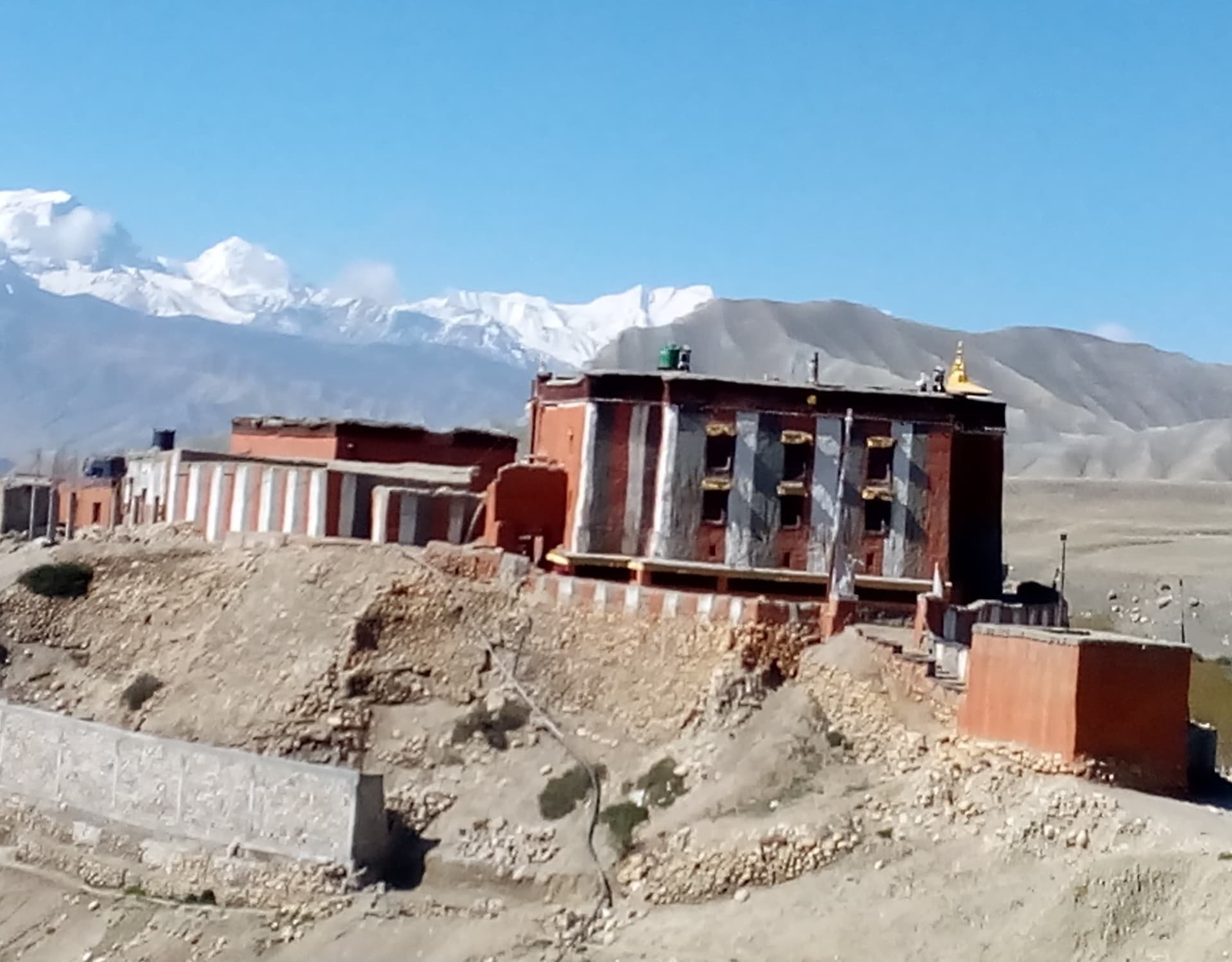
The Mustang Region is a unique high-altitude desert located in the landscape shielded from monsoon precipitation by the Himalayan ranges, especially the Annapurna and Dhaulagiri Ranges. Because these mountains block the monsoon clouds, little rainfall reaches Mustang. As a result, the landscape is dry and barren, very different from the lush green forests and fertile valleys found in many other trekking regions of Nepal. The terrain of Mustang is characterised by dramatic cliffs, eroded rock formations, colourful hills, deep river gorges, and wide open plateaus. The unique scenery gives the region a mysterious and almost otherworldly appearance that attracts travellers, photographers, and researchers from around the world.
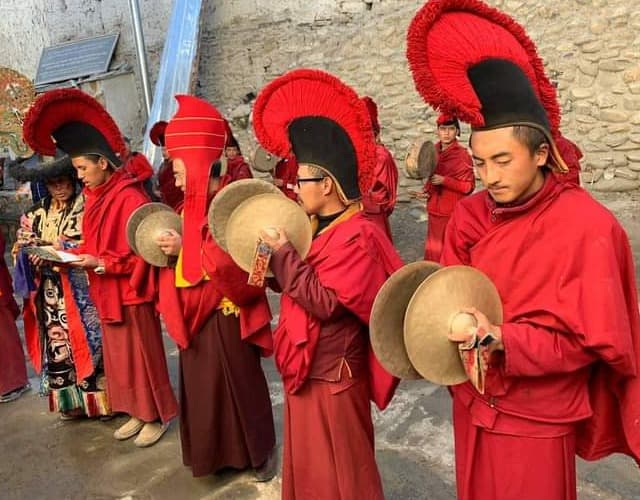
Another remarkable feature of Mustang is its rich history and cultural heritage. The region was once an independent kingdom known as the Kingdom of Lo. Its capital, the historic walled city of Lo Manthang, remains the cultural and spiritual heart of the region. This ancient settlement is surrounded by high walls and contains centuries-old monasteries, royal palaces, narrow alleys, and traditional houses built in Tibetan style. Tibetan Buddhism has a strong influence in Mustang, and many monasteries preserve beautiful murals, ancient scriptures, and religious artefacts. The lifestyle, architecture, festivals, and daily traditions of the people are deeply connected to Tibetan culture.
Because Mustang remained isolated from the outside world for many centuries, the people of the region have been able to preserve their traditional language, customs, and spiritual practices. Many villages still follow ancient ways of life, including farming, animal herding, and traditional handicrafts. Colourful festivals, prayer flags, and chortens are common sights throughout the region, giving visitors a deeper understanding of Himalayan culture and spirituality.
Travellers can explore Mustang in different ways. Trekking is one of the most popular ways to experience the region, offering visitors the chance to walk through remote villages, ancient trade routes, and dramatic landscapes. Jeep tours have also made the area more accessible, allowing people who cannot trek long distances to still visit and experience its beauty. Due to its cultural and environmental significance, visitors must obtain special permits to enter certain parts of Mustang. These permits are issued to manage tourism while safeguarding the region’s delicate environment and cultural traditions.
Overall, Mustang offers a completely different Himalayan experience compared to other trekking regions of Nepal. With its desert-like terrain, ancient history, and strong cultural traditions, the region is a fascinating destination for travellers interested in history, culture, geology, and adventure. Visiting Mustang allows people to explore a rare and preserved part of the Himalayas that feels both timeless and extraordinary. Mustang region trekking, Upper Mustang trek, Lo Manthang tour, Mustang Nepal, restricted area trekking Nepal, Upper Mustang permit cost, Mustang jeep tour, Tiji Festival Mustang, desert trekking Nepal, Tibetan culture Nepal, Mustang travel guide