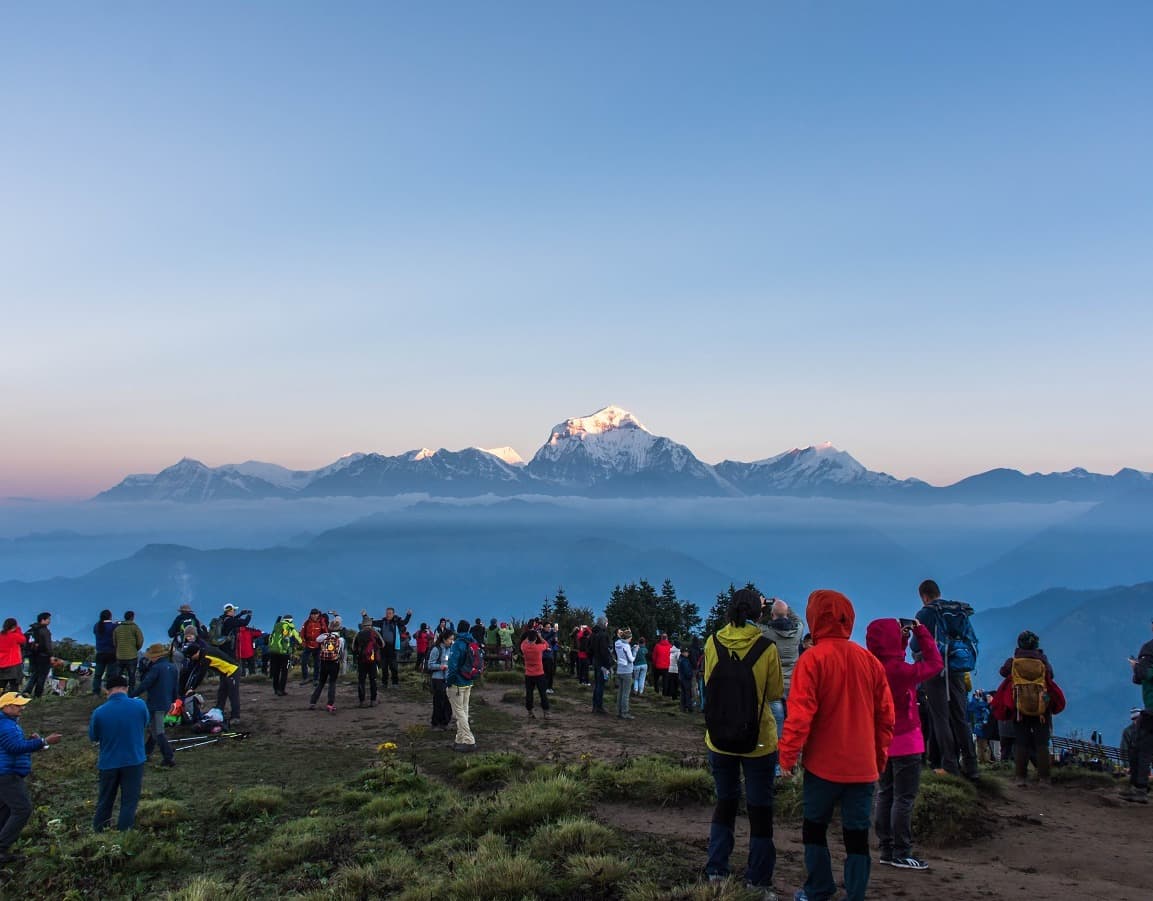
The first part of the Gokyo Ri Everest view trek includes a brief flight from Kathmandu to Lukla and a trek to Gokyo Ri or the Gokyo Valley. Namche Bazaar serves as a gateway to both the Everest Region and the Gokyo Ri (Everest View) trek, which allows trekkers an extra day for acclimatisation. It is one of the most picturesque towns in the heart of the Himalayas. Both Namche Bazaar and Hotel Everest View, located on the hilltop, provide breathtaking views of the mountains in the Everest Region.
DestinationNepal
Duration13 days
GradeModerate
ActivitiesTrekking
AccommodationTea-House and Lodge
Max. Elevation4790m.
Group SizeMin. 1 Pax
Vehicleprivate vehicles
MealsBreakfast, Lunch, and Dinner during The Trek
Overview
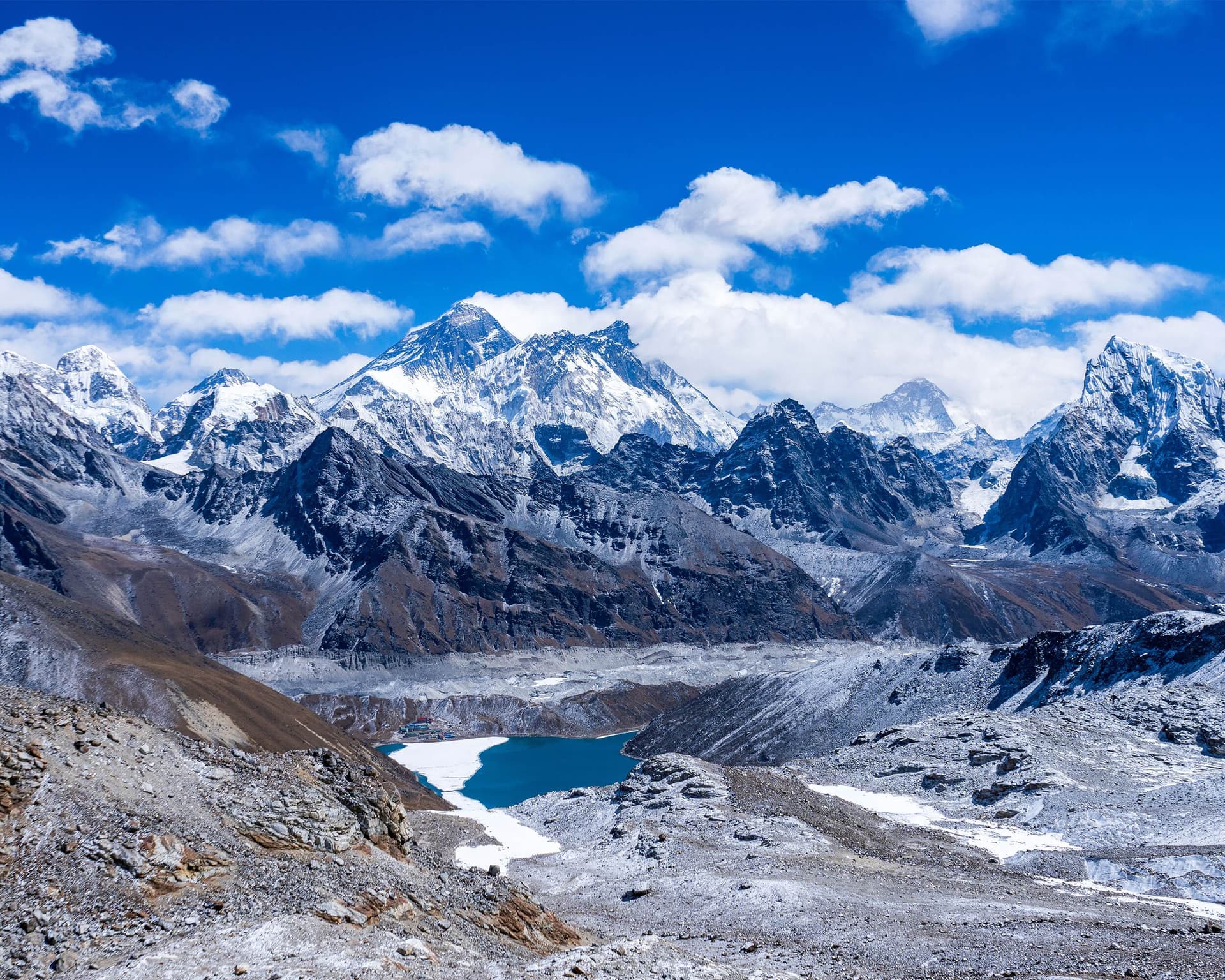
Gokyo Ri Everest view trek is known as the most popular trekking destination in the Everest region, offers the best panoramic views of Mt. Everest (8,848 m, 1st height peak) and Mt. Cho-Oyu (8,201 m, 6th height peak) on the earth with other snow-capped panoramic mountain views as well as spectacular upper Khumbu valley landscape, a famous glacier, and beautiful Gokyo lakes. There might not be any such traveller who comes to Nepal and doesn’t want to witness the top of the world. It means every traveller wishes to witness it from the closest vantage point.
One of the popular trekking trails in Everest, offering a breathtaking view of the top of the world, Mt. Everest, from Gokyo Ri or the Gokyo Valley. It is a distinctive trekking trail in the Everest region, offering trekkers the chance to visit the tranquil Gokyo Lakes and other lakes, as well as the popular Ngozumba Glacier. The sole purpose of the popular Gokyo Ri Everest View trek is to take you to a wonderland surrounded by lakes and mountains, offering spellbinding snow-fed giants above 8,000 meters, including the top of the world.
Trip Highlights
I was trekking in the Khumbu Valley, the world’s highest region.
Amazing scenery from turquoise Gokyo Lake with Mt. Cho-Oyu.
Visiting traditional villages is enriched with old customs and religions.
Home of the Highlanders, the Sherpa of Nepal Himalaya.
Into the tranquil woodland of beautiful rhododendrons, pines, and birch trees.
The Gokyo Ri Everest view trek starts with a short flight from Kathmandu to Lukla, followed by the trek to Gokyo Ri or Gokyo Valley. Namche Bazaar is the gateway to the Everest Region and the Gokyo Ri or Everest view trek, where you will have a spare day for acclimatisation. It is a beautiful city in the lap of the Himalayas. Namche Bazaar and Hotel Everest View at the top of the hill offer panoramic views of the mountain in the Everest Region. Trekkers will also have a chance to experience the Himalayan flora and fauna in Sagarmatha National Park.
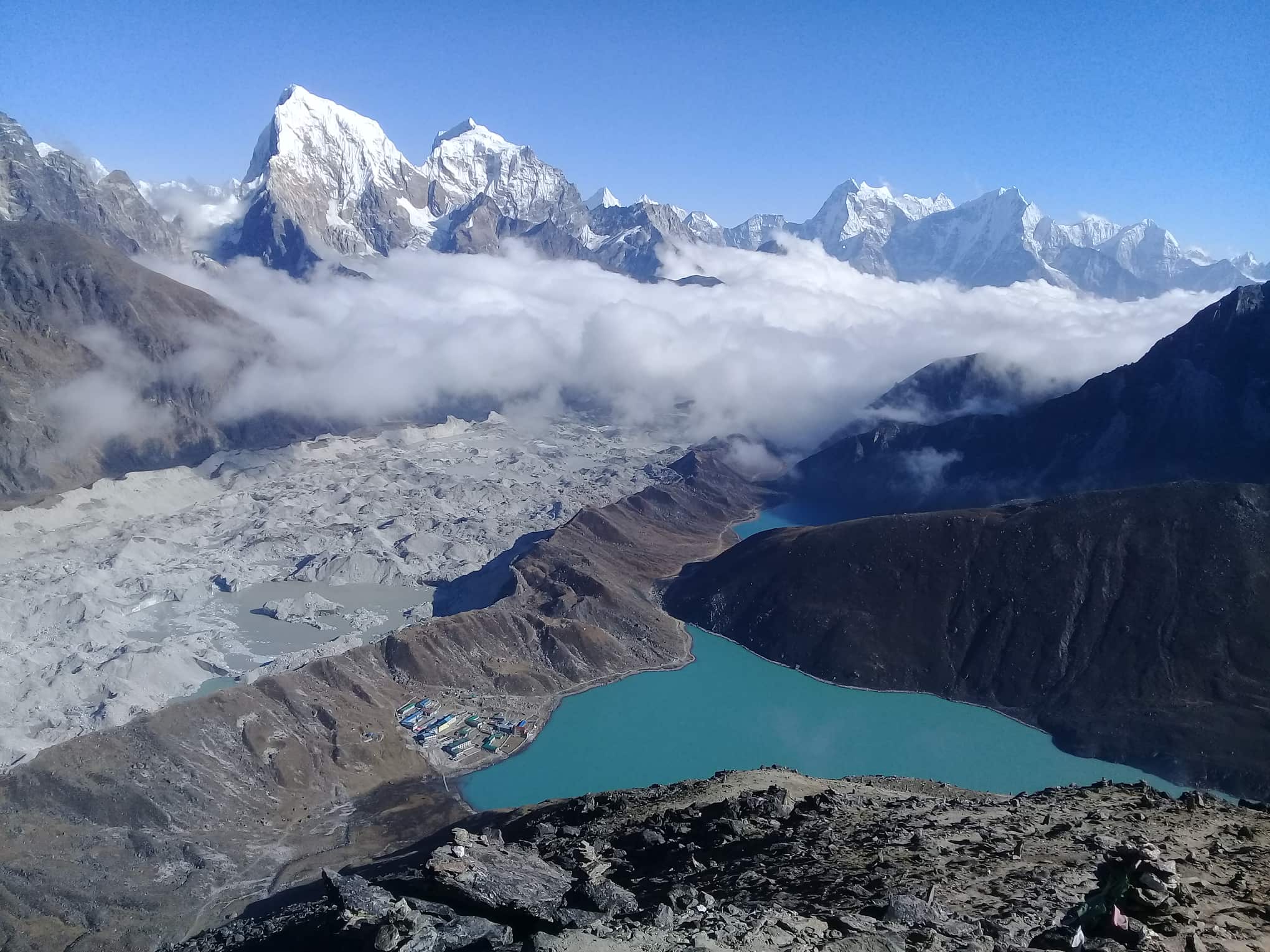
The trek led to a final destination, the Gokyo Valley, along the Khumbu Glacier. Gokyo Valley is an astonishing valley in the Everest region, alluringly encircled by beautiful lakes and giant peaks. The serenity and tranquillity of the lakes, mainly Gokyo Lake, offer you all the ecstatic bliss in the lap of the Himalayas. It is the main highlight of this trek. It is also an amazing vantage point from which to witness the magnificent giant peaks of the Everest Region, including the top of the world, Mt. Everest. The Gokyo Ri Everest View Trek offers, perhaps, the most magnificent views of Mount Everest, Lhotse, Cho Oyu, and Makalu. These are the highest peaks in the world above 8,000 meters. Then you descend following the same trail to Namche and Lukla.
Itinerary of Gokyo Ri Everest View Trek - 13 days
When you arrive at Tribhuvan International Airport, a TH staff member will be there to welcome you and escort you to your hotel, conveniently located in the Thamel area of Kathmandu. Thamel is known for its lively ambience, offering a wide range of restaurants, bars, and shops where you can find exquisite Nepali handicrafts. After refreshing yourself at the hotel, you will have the opportunity to meet your guide. They will provide you with a detailed briefing on the trek, share important information, and answer any questions you may have. You can take some time to explore Thamel and shop for trekking essentials. Overnight stay at the hotel.
Max. Elevation:1350 M
Distance:6.2 KM
On this day, our journey begins with a thrilling mountain flight offering breathtaking views of the surrounding scenery. The flight duration is approximately 35 minutes. After reaching Lukla, we will take some time to relax over morning tea or coffee, and depending on our arrival time, we may also enjoy breakfast. We will begin our trek, strolling through the bustling market of Lukla, passing by various shops and stores in Lukla, and heading downhill for a while, and then with short ups and gradual winding trail passing many farms and villages, Buddhist prayer monument,s and views of snow-capped peaks of Kusum Kanguru and Kwangde. Finally, we will reach our overnight stop at Phakding by the river Dudh Kosi.
Note: Nepal Civil Aviation will not allow flights from KTM-Lukla-KTM, so the flight takes off from Ramechap to Lukla and from Lukla to Ramechap, with airfare and airport transfer included.
Max. Elevation:2846 M
Duration:30 to 40 Min
Distance:138 Km
On the second day of our trek, we will begin with an easy walk, encountering some uphill sections along the way. We will primarily follow the Dudh Kosi River, crossing it via a suspension bridge before reaching the charming village of Monjo. As we pass through Monjo, we will be treated to views of Thamserku Peak and Khumbu-la Mountain, which is considered the patron god of the Khumbu region. Monjo also marks the entrance to Sagarmatha National Park, where we will take a brief rest to obtain the required permits for our journey. After a short break, we will continue our walk, cross another bridge over the Dudh Kosi River, and arrive in Jorsalle village, where we will stop for lunch. Jorsalle is the only village we will encounter for the next 2-3 hours until we reach Namche.
From Jorsalle, we will initially walk along the river bed before crossing the final bridge over the Imjatse River, which joins the Dudh Kosi. Then, we will embark on an uphill climb through a beautiful alpine forest adorned with rhododendron, pine, and fir trees. Along the way, we will be rewarded with stunning mountain vistas, including Kwangde, Kusum Kanguru, and, if the weather permits, even glimpses of Mount Everest and Lhotse. After a few hours of challenging ascent, we will reach the renowned Namche Bazaar, the Sherpa capital of the Khumbu region. Namche Bazaar has numerous houses, lodges, hotels, pubs, restaurants with freshly baked goods, a cyber café, a health post, a post office, and banks.
Max. Elevation:3440 M
Duration:5 hours
Distance:10.5 KM
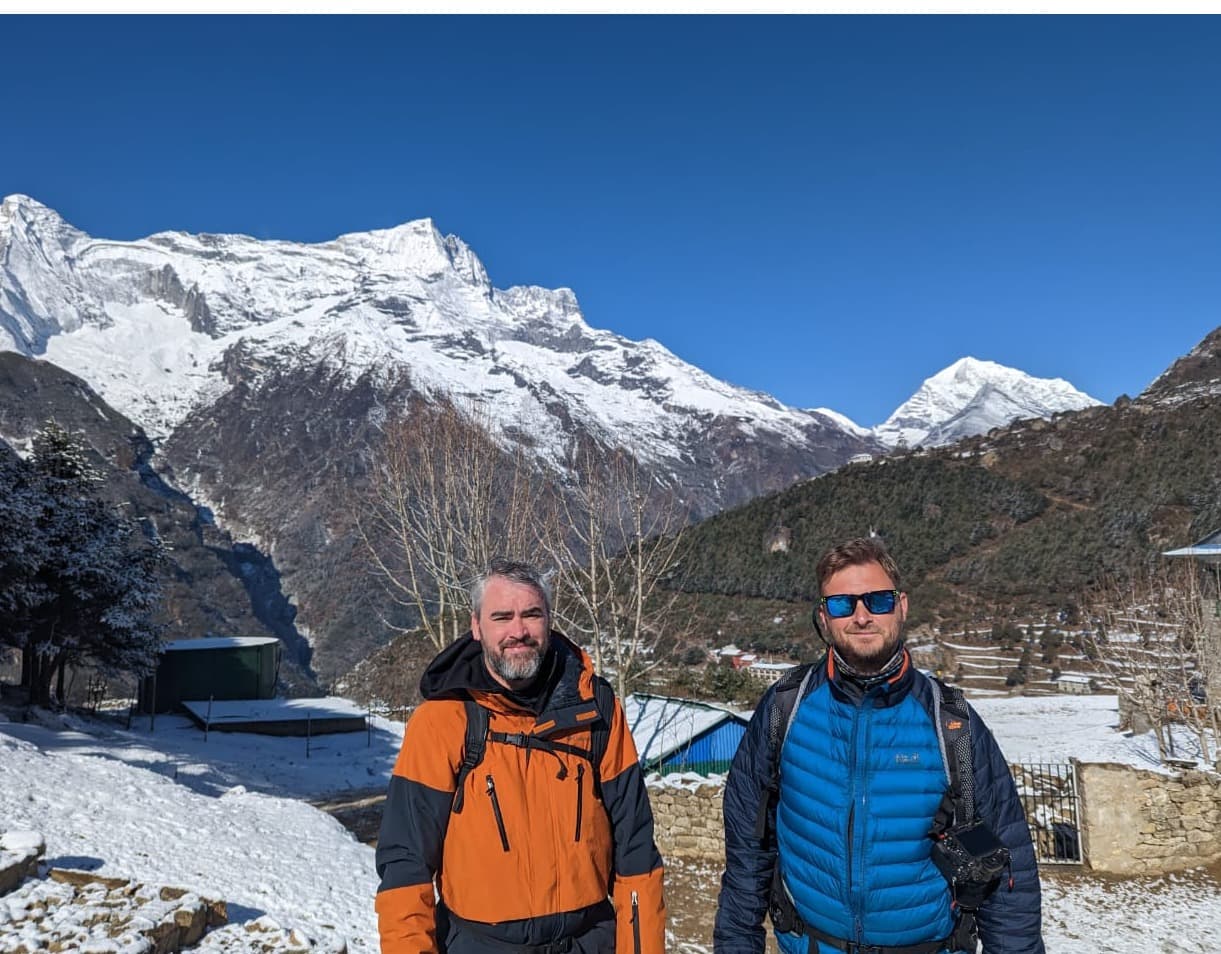
It is important and necessary to take a rest day or spend two nights at Namche Bazaar to adjust and safeguard against Acute Mountain Sickness (AMS). During this time, it is advised to drink plenty of fluids, excluding alcoholic beverages, which can lead to dehydration. In Namche, you have the option to take leisurely walks in the surrounding areas. One option is to hike for 2-3 hours to the Everest View Hotel, considered the highest hotel in the world at an altitude of 3,880 meters. This hike offers incredible mountain views, including Mt. Everest and the magnificent Ama Dablam peak. Another option is to hike to the top of Namche Hill, where you can enjoy an aerial view of Namche, along with Mt. Everest, Lhotse, Tawache, Tarmasarku, Kwangde, and Ama Dablam peaks.
Additionally, you can visit the interesting museum in Namche, which provides detailed information about the Khumbu area. In the afternoon, you can explore the bazaar, which is crowded with locals and trekkers, particularly during the Saturday market. From Namche, a flight of about an hour takes you to the village of Khunde, which is home to a hospital built and managed by the Sir Edmund Hillary Trust & Foundation.
Max. Elevation:3880 M
Duration:4 Hours
Distance:5.4 KM
In the morning, we will start our day with a short climb to the ridge above Namche. As we continue our trek, we will be treated to breathtaking views of mountains and the beautiful surrounding landscapes. The trail takes us through pleasant woodland areas, providing a serene atmosphere. After some time, we will divert from the main trail towards Gokyo Lake, embarking on a steep climb to reach the Mong Ridgetop at 3,973 meters. From here, we will descend to Phortse Thanghka, located near the Dudh Kosi River.
After a brief rest at Phortse Thanghka, we will continue our walk towards Dole, where we will spend the night. The trail takes us uphill through enchanting woodlands filled with pine, birch, and rhododendron trees. As we ascend, the vegetation gradually changes to juniper and conifer bushes. Along the way, we will pass through small settlements called Tongba (3,950m) and Gyele (3,960m), before reaching Dole. The final leg of the day's trek offers impressive views of Khumbila and Tawache peaks, creating a stunning backdrop for our overnight stay in Dole.
Max. Elevation:4200 m
Duration:6 hours
Distance:7.4 KM
We start our trek from Dole and continue along the side of the valley. The path is mostly level for about an hour until we reach Lhabarma Kharka at 4,325m. From there, we continue to Luza at 4,390m. As we leave this small settlement behind, we contour along the ridge top, offering magnificent views of Mt. Cho-Oyu and the glacial valley below, where Machermo village is nestled. We then descend from the ridge top and reach Machermo, where we will spend the night. In the afternoon, Machermo is free for leisure activities, allowing a short walk around the area.
Max. Elevation:4410 M
Duration:4 Hours
Distance:7 Km
After enjoying the lovely surroundings of Machermo, we continue our trek towards the highlight of our trip: Gokyo Lake. The trail gradually gains altitude, offering magnificent views of towering mountains. We reach Pangka, a small place with a few lodges, and then proceed on a rocky trail that leads us into an open valley. Along the way, we encounter the first glacial lake and continue toward the second lake. Finally, we arrive at Gokyo, situated near the shore of the third lake, also known as Dudh Pokhari.
At an altitude of 4,790 meters, Gokyo was once a summer settlement for cattle and yak herders before trekking became popular in the Khumbu region. Upon reaching Gokyo, we will have lunch and spend the night there. The afternoon is free for acclimatisation, and you may take a short walk to explore the area. From Gokyo, you can witness breathtaking views of the world's sixth-highest mountain, Mt. Cho Oyo, and Gyachung Kang, as their reflections shimmer on the emerald waters of Gokyo Lake.
Max. Elevation:4790 M
Duration:4 Hours
Distance:5.7 KM
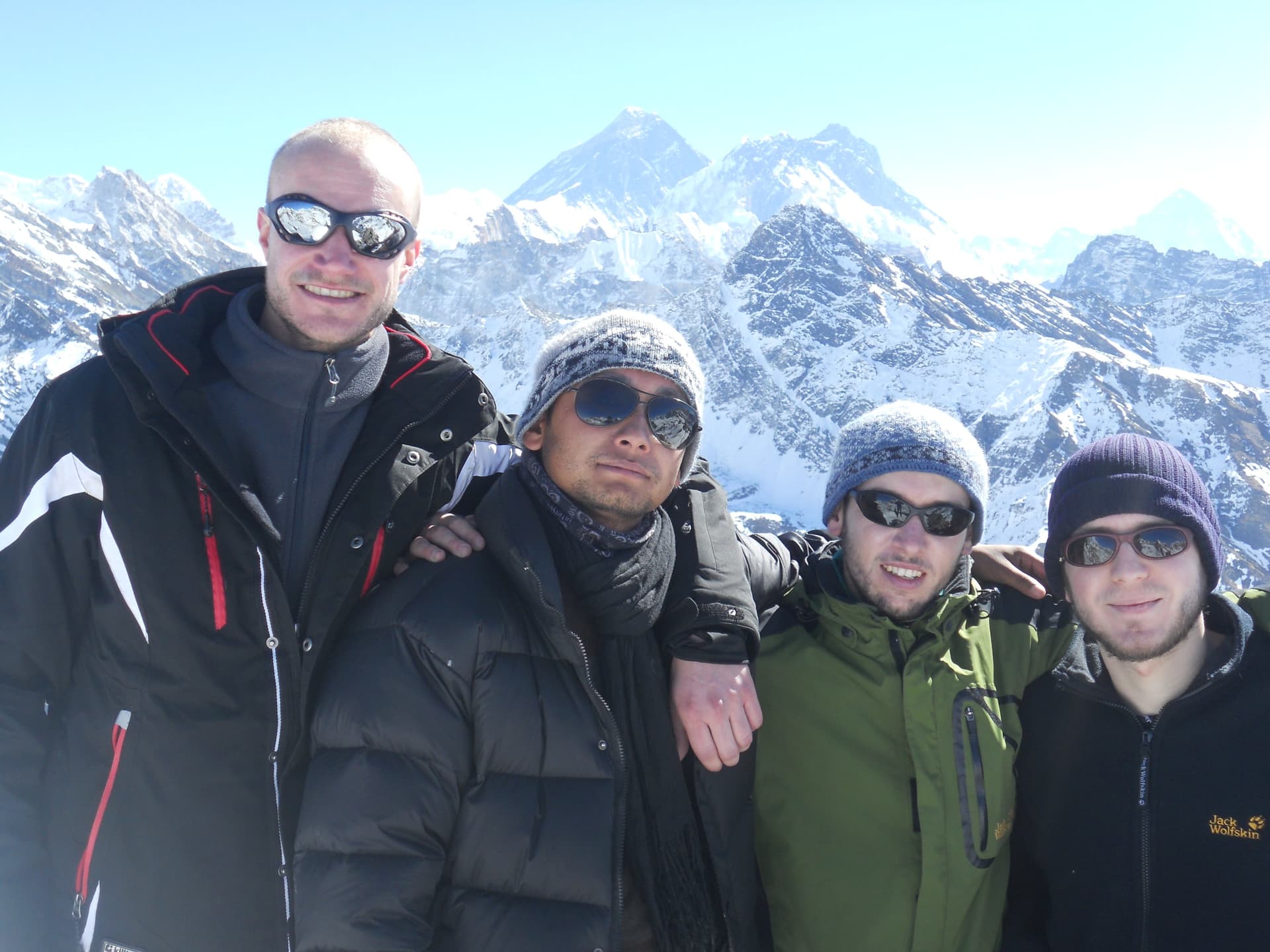
We will start our day very early in the morning to witness the mesmerising sunrise over the majestic snow-capped mountains from Gokyo Ri, situated at an altitude of 5,357 meters, making it the highest point of this remarkable journey. The ascent to the top of Gokyo Ri is steep and challenging, but the effort is well worth it. Once we reach the summit, we will be rewarded with an awe-inspiring panorama of the world's highest mountains. From the mighty Mt. Cho Oyo at 8,201 meters, which spans the border with Tibet, to Gyachung Kang, the impressive Mt. Everest standing tall at 8,848 meters as the highest peak in the world, and the fourth-highest Mt. Lhotse at 8,516 meters. We will also behold the grandeur of Cholatse and Taweche, and, to the east, the fifth-highest peak in the world, Mt. Makalu, towering at 8,463 meters.
After spending a memorable time at the summit of Gokyo Ri, we will begin a steep descent back to Gokyo. From there, we will continue our trek downwards and reach Dole, where we will spend the night. It will be a rewarding and fulfilling day of both breathtaking views and challenging trekking.
Max. Elevation:4200 M
Duration:5 hours
Distance:9.5 Km
We begin our morning walk down a winding path that leads us to the other side of the Dudh Kosi River. Along the way, we are greeted with mesmerising views of snow-capped mountains. After an enjoyable walk, we arrive in Phortse village, a traditional Sherpa village less visited by trekkers. It offers a unique and authentic experience.
Leaving behind the charming Phortse village, we continue our trek along a winding trail, surrounded by panoramic views of peaks including Kwangde, Thamsarkhu, Kangtenga, and Ama Dablam. This part of the trail is less frequented by trekkers, allowing for a serene and peaceful experience. After a few hours of good trekking, we reach Upper Pangboche village at 4,050 meters, where an old monastery is located. We take a lunch break here before continuing our afternoon walk towards the famous Thyangboche monastery.
The trail descends easily for about an hour, leading us to a bridge over the Imjatse River. Once we cross the bridge, we find ourselves back in a lush green forest adorned with pine, birch, and rhododendron trees. From Deoboche, we embark on a steep climb for approximately an hour to reach Thyangboche Monastery, our overnight stop. Thyangboche is an astonishing and magnificent location, offering grand views of Ama Dablam, Kangtenga, Thamserku, Kwangde, and Mt. Everest. This place holds immense religious significance because it is where the monastery's head lama (Rinpoche) resides. Many mountaineers seek blessings from the high lama priest here for success and a safe expedition.
Max. Elevation:3867 M
Duration:5.30 Hours
Distance:10 to 12 km Km
After having the peaceful and spiritual atmosphere of Tengboche Monastery, accompanied by the resonant chanting of the monks and lamas during their Morning Prayer. Crossing the Imja Tse River, we embark on a steep climb lasting about an hour. Following this, our journey retraces the path we took earlier, leading us back to Namche Bazaar and Monjo. After a rest and lunch stop, we continue our afternoon trek downhill towards Monjo. We once again cross the Dudh Kosi River, traversing its waters multiple times as we make our way through the scenic Dudh Kosi valley. Finally, we arrive at the entrance/exit gate of the Sagarmatha National Park and continue our journey to Monjo, where we will spend the night.
Max. Elevation:2880 M
Duration:5 hours
On the final day of our trek, we embarked on a pleasant walk, retracing our steps along the same trail we had taken earlier. We pass through the charming villages of Phakding, Benkar, Ghat, and Choplung, immersing ourselves in the familiar surroundings. As we approach the end of our journey, we face one last climb, lasting about an hour, that takes us to Lukla. Upon reaching Lukla, usually by afternoon or around lunchtime, we have sufficient time to enjoy and stroll around the Lukla bazaar. This bustling market area offers a chance to soak up the local atmosphere, interact with fellow trekkers, and perhaps even find some souvenirs to remember our incredible adventure. It's a moment to reflect on the journey and appreciate the beauty of the Himalayan region.
Max. Elevation:2846 M
Duration:6 Hours
In the morning, we will be transferred to Tenzing-Hillary Airport in Lukla to catch our flight. Depending on the scheduled departure time, we will board a small plane such as a Dornier or Twin Otter. This short, scenic flight lasts approximately 35 minutes and takes us back to Kathmandu. After arriving in Kathmandu, we will be transferred to our respective hotels. The rest of the afternoon is free for leisure activities, allowing us to unwind and relax after the trek. It's also an excellent opportunity to shop for souvenirs and explore the local markets in Nepal.
Max. Elevation:1350 M
Duration:30 mins
Distance:9.5 Km
Today is your last day in Nepal, after the most incredible memories and experiences you had in the majestic Himalayas, thanks to the services provided by Team Himalaya guides and staff. As your journey comes to an end, you will be transferred to the Kathmandu International Airport terminal for your onward flight to your respective countries.
Max. Elevation:1350
If the provided schedule isn't suitable for you, we can create personalized travel arrangements.
A "standard package" for the Gokyo Ri Everest View Trek is a popular choice for trekkers who want a comprehensive, all-inclusive experience of the Everest region's stunning Gokyo Lakes and panoramic views from Gokyo Ri.
Book your own private small group trip
**Discounts are determined exclusively by the size of your group. We do not add additional members to your group.
July 2026
Su
Mo
Tu
We
Th
Fr
Sa
28
29
30
1
2
3
4
5
6
7
8
9
10
11
12
13
14
15
16
17
18
19
20
21
22
23
24
25
26
27
28
29
30
31
1
Sold out dates
US $0US $0 per person (based on 1 people)
Cost Includes
Pickups and drops from hotels and airports.
3-star hotel in Kathmandu and teahouses \ lodges during the trek.
Breakfast in Kathmandu.
All meals during the trek. (BREAKFAST, LUNCH, AND DINNER)
All necessary paperwork and National Park permits \TIMS.
Domestic flights (ktm–Lukla–ktm) and airport departure taxes (allowed to carry a maximum of 15 kg of Luggage) altogether, including both backpack and day bag.
All our government taxes, VAT, and tourist service charges.
An experienced, knowledgeable, helpful, friendly, and English-speaking guide.
Food, drinks. accommodation, insurance, salary, equipment, transportation, and medicine, all of which.
Down jacket and sleeping bag by the team Himalaya (which need to be returned after the trek).
Group medical supplies (a first aid kit will be available).
Trip achievement appreciation certificate.
Fresh fruit is seasonal during the trip.
Official expense.
Travel and rescue arrangements.
Everest region trip map.
Cost Excludes
Lunch and dinner in Kathmandu.
Personal expenses (phone calls, laundry, bar bills, battery recharge, extra porter, bottle or boiled water, shower, etc.)
International airfare to and from Kathmandu.
Travel and rescue insurance
Excess baggage charge.
Extra night accommodation in Kathmandu because of early, late, or early return from the mountain (due to any reason) than the scheduled.
Route Map
Loading map...
Know Before you Go
Best Time to Go
The Gokyo Ri Everest View Trek is best enjoyed during spring (March to May) and autumn (September to November). In spring, the hillsides are covered with blooming rhododendrons and wildflowers, making the trails colourful and scenic. The days are generally warm and clear, and the nights are cold but manageable. Autumn is considered the prime trekking season due to its stable weather, crisp air, and unparalleled mountain visibility. The skies remain mostly clear, offering unobstructed views of Everest, Cho Oyu, Lhotse, and Makalu. Winter (December to February) brings fewer trekkers and peaceful trails, but temperatures are freezing, and snowfall can block paths. The monsoon season (June to August) brings heavy rain to lower areas and cloudy conditions that obscure mountain views, but it also makes the region lush and green.
Tip: Always carry light layers for warmth and a rain jacket, as Himalayan weather can change rapidly even in the best seasons.
Difficulty
The trek is considered moderate to challenging. While it does not require mountaineering skills, it involves walking for 5 to 7 hours daily on steep, rocky, and uneven trails. The highest elevation is Gokyo Ri (5,357 m), where trekkers may experience thin air and fatigue due to lower oxygen levels. Good physical fitness, stamina, and mental preparation are essential for this trek. Beginners can complete it with determination, but prior trekking or high-altitude hiking experience makes it easier. Proper pacing and acclimatisation days are crucial to avoid altitude sickness.
Tip: Practice cardio exercises, stair climbing, or long hikes before your trek to build endurance and reduce fatigue.
Accommodation and Food
Trekkers stay in tea houses or lodges run by Sherpa families. These accommodations are simple but welcoming, usually offering twin-sharing rooms with basic furniture and thick blankets. Bathrooms are typically shared, and most villages offer hot showers for an extra charge. In some lower settlements, private rooms with attached toilets may be available.
The tea houses usually serve meals, including traditional Nepali dishes such as dal bhat (rice with lentils and vegetables), thukpa (noodle soup), and momo (dumplings). Western-style dishes like pancakes, omelettes, pasta, fried rice, and soups are also available. As you gain altitude, the food becomes more basic, and prices rise due to transportation challenges. Warm beverages like tea, coffee, and ginger-lemon-honey are widely available and great for staying warm.
Tip: Always carry some energy snacks or chocolate, as meals at higher altitudes may be lighter than expected.
Permits
To trek in the Everest region and Gokyo Valley, two official permits are required. The first is the Sagarmatha National Park Entry Permit, which grants access to the national park's protected area, home to diverse wildlife and unique alpine landscapes. The second is the Khumbu Pasang Lhamu Rural Municipality Permit, which helps support local development and infrastructure in the Everest region. These permits are checked at various entry points along the trail and can either be arranged in Kathmandu, in Monjo (the park entrance), or handled by your trekking agency.
Tip: Keep multiple photocopies of your permits and passport, as officials may request them at various checkpoints.
Culture, History, and Monasteries
The trek passes through the heart of Sherpa culture, giving travellers the chance to experience their warm hospitality, traditions, and way of life. The Sherpa community is known for its deep connection to Tibetan Buddhism, which is reflected in the numerous mani walls, prayer wheels, stupas, and monasteries along the trail.
One of the main highlights is Tengboche Monastery, the biggest and most significant monastery in the Khumbu region. Here, trekkers can attend prayer ceremonies and observe monks chanting in a serene environment surrounded by panoramic views of Ama Dablam, Everest, and Lhotse. Villages such as Namche Bazaar and Khumjung also offer cultural insights, with schools, museums, and hospitals established by Sir Edmund Hillary’s foundation.
Tip: Always walk clockwise around mani walls and stupas, and ask before photographing monks or local people to show respect.
Acclimatisation and Altitude Sickness
Acclimatisation is an important part of this trek, as the trail ascends above 5,000 meters. Extra days are spent in Namche Bazaar and Gokyo to allow the body to adjust to higher elevations. Acute Mountain Sickness (AMS) can affect anyone, regardless of age or fitness level, with symptoms including headache, dizziness, shortness of breath, and nausea. To reduce risks, trekkers should ascend gradually, stay well hydrated, and avoid alcohol or smoking. Experienced guides can spot the signs early, and if the condition becomes serious, the only remedy is to descend. Carrying prescribed medication such as Diamox can also help, but it should only be taken after consulting with a doctor.
Tip: Listen to your body carefully—do not push yourself if you feel unwell, and consider an extra acclimatisation day if needed.
Packing List
• Well-broken-in trekking boots • Warm down jacket and fleece layers • Thermal base layers (top and bottom) • Waterproof jacket and trousers • Trekking pants and quick-dry shirts • Sleeping bag rated to –10°C or below • Gloves, warm hat, and neck scarf/buff • UV-protected sunglasses • Sunscreen and moisturising lip balm • Trekking poles for stability • Headlamp with spare batteries • Refillable water bottles or hydration bladder • Water purification tablets or portable filter • Personal toiletries and hygiene items • First aid kit with personal medication • Energy bars and snacks for the trail
Insurance
It’s important to have full travel insurance coverage for this trek. It must cover high-altitude trekking above 5,000 meters, medical expenses, and emergency helicopter evacuation, which can be costly in the Himalayas. Insurance should also cover trip cancellations, delays, and lost baggage, as weather conditions in Lukla often disrupt flights. Be sure to read the details carefully to ensure your policy covers high-altitude trekking.
Tip: Save a digital version of your insurance policy on your phone in case the paper copy gets misplaced.
Transportation
The trek starts with a 35-minute domestic flight to Lukla. However, during peak trekking seasons, most flights operate from Manthali Airport in Ramechhap, which requires a 4–5-hour drive from Kathmandu. This is due to congestion at Kathmandu airport. Returning from Lukla follows the same process. Flight schedules are highly dependent on weather, so delays are common. Trekkers should allow extra days in their itinerary for flexibility.
Tip: Pack essential items in your hand luggage, including medication, extra clothes, and snacks, in case checked baggage is delayed.
Electricity and Communication
Electricity is available in most tea houses, usually powered by solar panels. Charging electronic devices often requires a small fee. Mobile networks such as NCELL and NTC have coverage in many lower areas but become unreliable at higher altitudes. Internet services are available in most villages through Everest Link Wi-Fi cards, though connections are slow and costly at higher elevations.
Tip: Bring a power bank and charging adapters, as electricity may not be available 24/7 at higher altitudes.
Drinking Water
Clean drinking water is vital for safe trekking. While bottled water can be purchased, it is not eco-friendly and becomes very expensive at higher altitudes. Safer, more sustainable options include boiling water at lodges or carrying a portable water filter and purification tablets. Drinking at least 3 litres of water each day is essential to help prevent altitude sickness.
Tip: Refill water bottles whenever possible and avoid buying too many single-use plastic bottles to reduce waste.
Guide and Porter
Hiring a licensed guide not only ensures safety and navigation but also provides valuable insights into Sherpa culture, traditions, and local history. Guides assist with arranging accommodation and meals, as well as handling emergencies. Porters carry 20-25 kg of trekking gear, making the trek more comfortable and allowing trekkers to enjoy the journey with lighter daypacks. Employing guides and porters also supports the local economy and provides job opportunities for people in the Khumbu region.
Tip: It is customary to acknowledge your porter's effort at the end of the trek; this is greatly appreciated and helps support local livelihoods.
Flights from Kathmandu or Manthali
Due to air traffic congestion, flights to Lukla during the high trekking seasons (spring and autumn) are often rerouted to Ramechhap (Manthali Airport), requiring a long road journey before boarding. In off-peak months, flights may operate directly between Kathmandu and Lukla. Trekkers should prepare for possible changes in departure airports and always allow flexibility for weather-related delays.
Tip: Arrive at the airport early and keep some flexibility in your schedule to accommodate possible flight delays or cancellations.
Health and Hygiene
Maintaining proper hygiene during the trek is essential to prevent illness and stay comfortable at high altitudes. Wash your hands regularly, carry hand sanitiser, and use wet wipes for cleaning when water is limited. Personal items such as toothbrushes, toothpaste, and necessary medications should always be on hand. Keeping clothes, socks, and boots dry is important to prevent fungal infections and blisters. Additionally, pay attention to food hygiene: eat only freshly cooked meals from trusted tea houses, and avoid raw or uncooked food from unverified sources. Staying clean and maintaining good personal hygiene not only supports your health but also ensures a pleasant experience for fellow trekkers.
Tip: Carry a small pack of wet wipes, quick-dry towels, and a travel-size hand sanitiser. Carry a small travel laundry soap to wash socks and undergarments along the trail.
Environmental Responsibility
The Everest region is ecologically fragile, and trekkers have a vital role in preserving its natural beauty. Help protect the environment by using reusable water bottles. Refrain from littering and deposit waste at designated collection points in villages and tea houses. Protect the local plants and animals by sticking to marked trails and avoiding picking plants or disturbing wildlife. Support eco-friendly lodges and initiatives that minimise energy and water consumption. Following the Leave No Trace principles ensures that trekking routes remain pristine for future generations while also fostering a positive relationship with local communities. Small actions like reducing plastic use, carrying a reusable bag, and recycling where possible can collectively make a significant impact.
Tip: Carry a small trash bag for non-biodegradable waste, avoid single-use plastics, and consider using biodegradable soaps and detergents to reduce environmental impact.
Additional Tips
Trekkers should carry enough Nepali rupees in cash, as ATMs are limited and often unreliable in higher villages. Bringing extra batteries or a power bank is recommended since charging facilities may be expensive or limited. The weather in the Himalayas changes rapidly, so it is wise to pack in layers and always keep a rain cover for your backpack. Respecting local traditions is important: always walk clockwise around mani walls and stupas, and ask before photographing people or religious sites. Start your trek early in the morning to avoid afternoon winds and to secure accommodation during busy seasons. Finally, maintaining a slow and steady pace is the best way to enjoy the trek safely while appreciating the landscapes.
We had a very successful EBC trek in October 2024 because of Team Himalaya! Our guide, Raj, was very knowledgeable in all things Everest. He set us up in the best lodges where we had great service all along. He provided us with a superb porter, who also went above and beyond in taking care of us. Raj was very patient with us and was always looking out for our best interests. We would highly recommend Team Himalaya for any trek!
AAlec S1st Apr, 2024
Everest Base Camp Team Himalaya March 2024
We have just returned from a 14 day, 11 day hike with Raj and Durga from Team Himalaya to Everest Base Camp. From the minute we landed to our departure we were properly looked after and cared for by Team Himalaya. The trek to and from Everest Base Camp was wonderful, our guides and porters really looked after us and were incredibly knowledgeable. In Nepal things can go wrong especially with flights to and from Lukla but Team responded magnificently and found alternative solutions. If this is on your bucket list as ours and you are looking for a company to organise this with I would 100% recommend Raj.
JJourney379926937861st Apr, 2024
Reaching Everest Base Camp with TEAM HIMALAYA
If you are looking for an adventure of a lifetime, don’t hesitate! Choose TEAM HIMALAYA for your Everest Base Camp trek! We completed the EBC trek early November 2023 . My husband and I chose to do a private trek with Team Himalaya. Everything went smoothly with our guide Raj. His team and organization is outstanding! We could not have done it without him. Raj took care of everything throughout the trek and made sure we were well at all times, even providing us fresh fruits every night after dinner! We felt safe at all times , his experience and knowledge of the Himalayas helped us achieve our goal in reaching the EBC! His professionalism went beyond our expectations from our first contact with him for information until the very end. We will forever remember this expedition and gained a friend in our guide Raj!
eevanhH6577DL13th May, 2023
Incredible Experience by evan
It was an incredible experience being surrounded by the towering Annapurna Himalayas. This memorable trek through Nepal offered the best scenic views and stunning landscapes. Despite being surprised at how quickly the trek ended, the daily walks were filled with dramatic views that left a lasting impression.
I highly recommend this adventure, as it is one of the best base camp treks in the Himalayas with minimal risk of altitude sickness. Although there were steep ups and downs that were tiring on some days, the breathtaking views made it all worth it. This was easily the most exciting trek I have ever experienced.
I want to thank Team Himalayas and Raj for providing exceptional service with their expert guide and staff.
Frequently Asked Questions About the Gokyo Ri Everest View Trek
When is the best time to trek to Gokyo Ri?
Spring (March-May) and autumn (September-November) provide the clearest skies and stunning mountain vistas. Spring showcases vibrant rhododendrons, while autumn offers crisp air and panoramic views. Trekking in winter or during the monsoon is possible, but requires extra preparation for cold or rain.
How tough is the Gokyo Ri trek?
The trek ranges from moderate to challenging, with daily hikes on rocky, steep trails. The high altitude can leave you breathless, especially at Gokyo Ri (5,357 m). Fitness, patience, and proper acclimatisation are the keys to completing it comfortably.
Do I need previous trekking experience?
Previous trekking helps, but even first-timers can enjoy this trek with preparation. Regular hiking or stair workouts before the trip make acclimatisation easier. Your determination and mindset matter just as much as your physical conditioning.
What is the highest point on the trek?
Gokyo Ri at 5,357 meters is the highlight, offering breathtaking sunrise views of Everest, Lhotse, and Cho Oyu. The climb is steep but short, giving a rewarding panoramic perspective. Early-morning climbs offer the clearest skies and reflections on the Gokyo lakes.
What type of accommodation will I find?
Tea houses run by Sherpa families offer simple rooms, cosy bedding, and shared bathrooms. Hot showers are sometimes available for a small fee. Staying here gives a chance to experience authentic Sherpa hospitality and meet fellow trekkers.
What kind of cuisine will be served along the trail?
You can enjoy traditional Nepali meals like dal bhat, momo, and thukpa, along with occasional Western dishes. As you ascend, the variety of food decreases, and prices rise. Hot drinks like ginger tea or lemon honey tea are essential for warmth and energy.
Are permits required for this trek?
Yes, two permits are necessary: the Sagarmatha National Park Entry Permit and the Khumbu Pasang Lhamu Rural Municipality Permit. They can be arranged in Kathmandu or at the park entrance. Always carry a photocopy, as officials may check multiple times.
Why is acclimatisation important?
Spending extra days in Namche Bazaar and Gokyo helps your body adjust to thin air. Gradual ascent lowers the risk of Acute Mountain Sickness. Drinking plenty of water and pacing yourself are essential for safety.
Can altitude sickness happen to fit trekkers?
Yes, anyone can experience altitude sickness, regardless of fitness level. Headaches, dizziness, nausea, or shortness of breath are common signs. Guides monitor symptoms carefully, and descending is the safest remedy for serious cases.
Should I hire a guide or porter?
A guide provides safety, navigation, and local insights, while porters carry heavy luggage, allowing you to travel with a lighter daypack. Hiring them also benefits the local economy. Their knowledge of trails and weather can be invaluable during the trek.
Will I have mobile and internet access?
Mobile coverage exists in lower villages but weakens at higher altitudes. Wi-Fi is available in most tea houses for a small charge, though the connection may be slow. For critical communications, plan or use satellite messaging in remote areas.
Is drinking water safe along the trail?
Boiled or filtered water is safe to drink, and it’s advisable to carry purification tablets or a portable water filter. Keeping hydrated is vital for both energy levels and preventing altitude sickness. Avoid relying on bottled water, as it’s expensive and not eco-friendly.
What essentials should I pack for the trek?
Trekking boots, warm layers, waterproof clothing, gloves, hats, and trekking poles are must-haves. Sunglasses, sunscreen, and a good sleeping bag improve comfort. Smart packing helps you stay prepared for unpredictable Himalayan weather.
How much cash should I carry?
ATMs are limited above Namche Bazaar, so carry sufficient Nepali rupees. Credit cards are rarely accepted in tea houses. Always keep cash on hand for meals, accommodation, and minor emergencies.
Are there medical facilities along the trek?
Basic health posts exist, but serious medical emergencies require helicopter evacuation. Bring a first-aid kit along with any personal medications. Travel insurance covering high-altitude trekking is highly recommended.
What cultural experiences are available?
Visit Sherpa villages, Buddhist monasteries, and prayer wheels along the trail. Tengboche Monastery offers a serene environment with panoramic views. Respect local traditions, ask permission before taking photos, and dress modestly.
How can I minimise environmental impact?
Use reusable bottles, avoid littering, and follow marked trails. Eco-friendly tea houses and Leave No Trace principles help protect the fragile environment. Small actions, taken collectively, preserve the Himalayas for future trekkers.
How long does the trek typically take?
A standard itinerary lasts 12-13 days and includes flights to and from Lukla. Extra days may be needed for acclimatisation or weather delays. Trekking pace and fitness significantly influence the duration.
Is travel insurance necessary?
Insurance covering high-altitude trekking, medical emergencies, and helicopter evacuation is essential. Include trip delays, cancellations, and lost baggage in your policy. Keep a copy of your insurance details accessible throughout the trek.