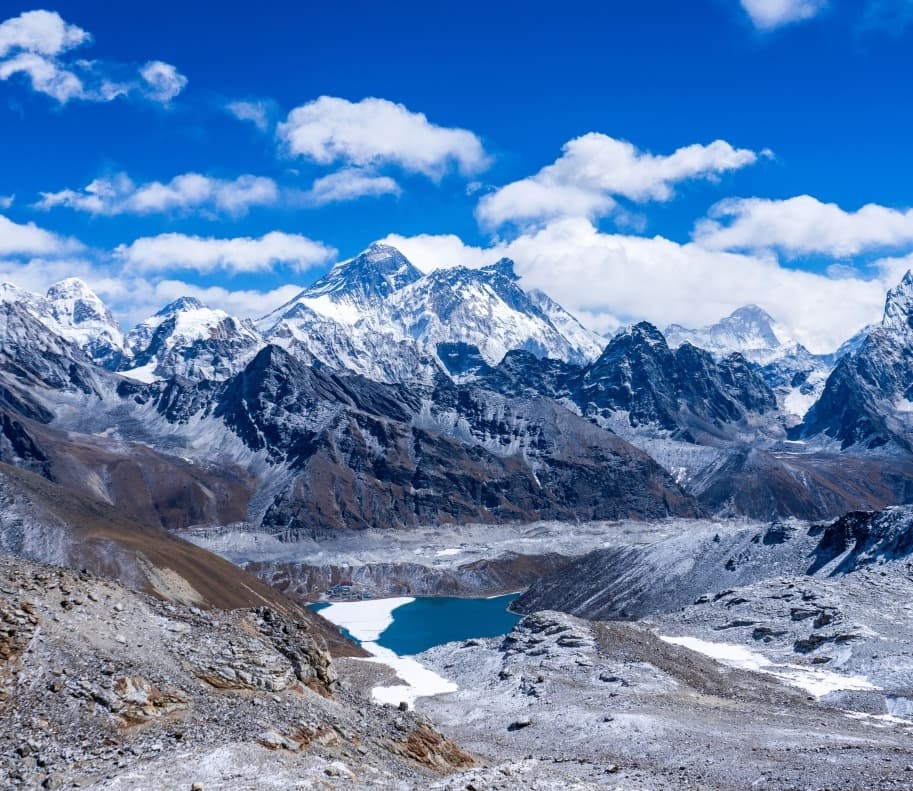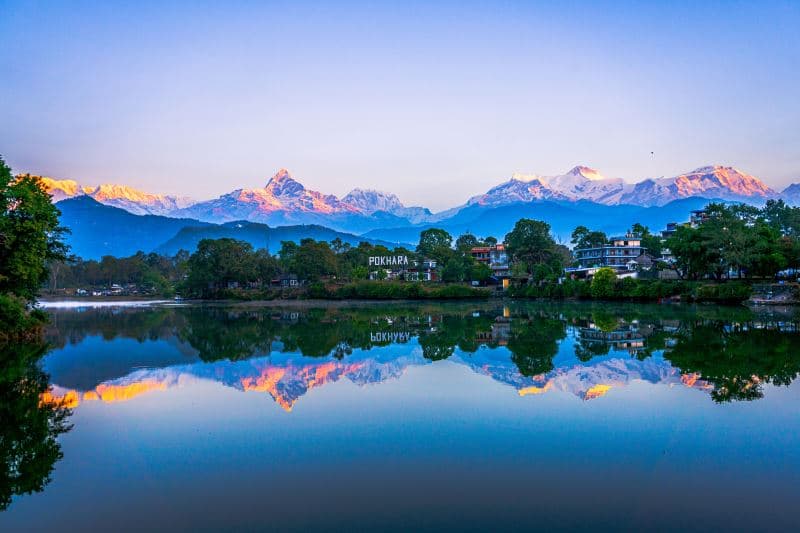
There isn’t a better place for trekking than Nepal. Nepal contains eight out of the fourteen mountains in the world that are more than 8,000 meters high. It also prides itself on a mysterious web of ice, rocks, and culture in each and every valley.
Over the years, whenever you mentioned “trekking in Nepal”, people could automatically picture images of colourful prayer flags against a backdrop of skies of unbelievable blue colour, with mountain peaks covered in snow.”
The Benefits of Nepal Trekking
Trekking in Nepal is more than an exercise for the body; it's also a dramatic shift in lifestyle.
Restoration of Your Body & Mind: Hours of trekking each day under pristine mountain air conditions dramatically improve cardiovascular health. However, what makes trekking so refreshing is that turning off your phone and listening to the trail gives your brain a complete reset and helps reduce cortisol levels (stress hormones).
Cultural Experience: Nepal trails are living museums; not only do you hike through the Himalayas, but you also interact with the local population. This means drinking Sherpa mountain tea in the Khumbu region, spending the night in old-fashioned stone-built Gurung lodges in the Annapurna region, and watching Tibetan Buddhist religious ceremonies in monasteries built centuries ago.
Teachouses Infrastructure: There is no need to bring all the gear for camping in the snow on Western hiking routes. Nepal offers a fully developed Teahouse trekking system where every 3-5 miles you find a private room, food, hot water, and a fireplace provided by a local family.
Financial Aid for Remote Communities: Every meal you receive in the form of traditional Dal Bhat cuisine, every porter you hire, and every rented room contribute directly to the economy of remote Himalayan regions isolated from other economic activities along highways.
Overview of the World’s Best Treks in Nepal
To help you conceptualise the massive scale of options available, here is a comparative overview of Nepal's premier trekking circuits. They range from the high, bustling highways of the Khumbu to the quiet, rugged passes of Manaslu and the arid desert canyons of the trans-Himalayan rain-shadow.
|
Trek |
Max Altitude |
Ideal Duration |
Distinctive Feature |
Vibe & Infrastructure |
|
Everest Base Camp Trek |
5,364m Everest Base Camp/ (5,545m Kala Patthar) |
12–14 Days |
Standing at the foot of the world's highest peak |
Iconic, bustling, high-end lodges available |
|
Annapurna Base Camp Trek |
4,130m |
7–10 Days |
Sleeping in a 360° amphitheatre of giant walls |
Lush valleys transitioning to raw rock walls |
|
Manaslu Circuit Trek |
5,106m (Larkya La) |
12–14 Days |
Pristine wilderness framing an elegant 8,000m peak |
Off-the-beaten-path, rustic, authentic |
|
Langtang Valley Trek |
3,870m (Kyanjin Gompa) |
7–8 Days |
Exploding glaciers accessed directly by road drive |
Quiet, highly resilient, culturally distinct |
|
Annapurna Circuit Trek |
5,416m (Thorong La) |
10–14 Days |
The ultimate transition from green hills to desert |
Diverse landscapes, highly classic, social |
|
Upper Mustang Trek |
3,820m (Lo Mangthang) |
10–12 Days |
A preserved medieval kingdom in a trans-Himalayan desert |
Windswept, ancient caves, barren red cliffs |
Deep-Dive Guide to the 6 Iconic Treks
Everest Base Camp Trek: A Journey to the Roof of the World
Overview
The Grail of global trekking. Following precisely in the footsteps of Sir Edmund Hillary and Tenzing Norgay, this classic route takes you to the highest altitude via the Dudh Koshi river valley. It will show you the colourful heart of the Sherpa people in Namche Bazaar, have you cross suspension bridges that connect opposite sides of a roaring chasm, pass by Tengboche Monastery, and bring you to the gravel surface of Khumbu Glacier, directly below Mt. Everest.
Key Highlights
- Trekking directly to the Everest Base Camp (5,364m).
- Watching golden sunsets over Everest, Lhotse, and Nuptse from Kala Patthar (5,545m).
- Experiencing colourful mountain life in Namche Bazaar.
Gear list
Essentials: 40L–50L backpack, warm, heavy down jacket (to -15°C), waterproof hard-shell jacket, thermal base layers (merino wool), broken-in trekking boots, polarised sunglasses (necessary for glacier reflections), trekking poles.
Accommodation
Developed infrastructure with numerous accommodation opportunities. The rooms are shared and have plywood walls. In the lower parts of the trek, it is possible to book a luxury room with an electric blanket; above Gorak Shep, the rooms are more primitive and have communal drop toilets.
Altitude sickness risk
Very high. You take a direct flight to Lukla (2,840m), and then quickly move above 5,000m of altitude. Two days for acclimatisation should be included without exception (Namche Bazaar and Dingboche), drinking 4 litres of water daily and taking Diamox.
FAQ
Can a beginner complete this trek?
Yes, if you have good cardiovascular fitness and maintain a slow, controlled pace. No mountaineering experience necessary.
Where can I charge my devices?
In teahouses, there is always an opportunity to charge your phone or camera with solar/hydro-electric power in a communal dining room for a small fee ($2–$5 USD).
Annapurna Base Camp Trek: Exploring the Annapurna Sanctuary
Overview
You will be going on a journey through the spectacular, steep-sided bowl known as the Annapurna Sanctuary. The trekking route acts as an ecological lift, taking you from subtropical valley bottoms surrounded by lush rice paddies, up through lush rhododendron forest covered in green moss, and into the harsh, unspoilt alpine zone where you camp surrounded by walls of massifs reaching heights of 7,000m and 8,000m.
Key Features
- Taking in the view from Annapurna Base Camp (4,130m) with yourself enclosed in a ring of 10 mighty peaks.
- Soaking away those aching legs in the natural hot springs at Jhinu Danda.
- Standing at the base of the famous vertical south face of Machhapuchhre (Fishtail).
Gear List
Necessities: Medium-weight down jacket, breathable trail shirt, waterproof trekking pants, micro spikes (only if you are trekking during winter and early spring), premium headlamp, quick-drying microfiber towel.
Accommodation
Cosy, uniform teahouses strictly regulated by the Annapurna Conservation Area Project (ACAP). Space rules inside the sanctuary mean that teahouse lodging is in close proximity to one another and consists of simple dormitories or private rooms, with large common dining areas.
Altitude Sickness
Medium risk. The maximum altitude is not very high (4,130m); however, the ascent through Modi Khola Gorge requires a continuous climb, so a moderate pace should be maintained, especially once the trek passes the Deurali checkpoint.
FAQ
Is there running hot water on the trail?
Yes, all the teahouses have hot showers, either gas-powered or solar-powered, although in the upper sanctuary, you may pay extra for a shower.
Which months are ideal for the trek?
October to November for clear skies, or March to April when you can witness the flowering of beautiful red rhododendrons in the valleys.
Mt Manaslu Circuit Trek: A Remote and Challenging Adventure
Overview
A completely wild circuit that’s sure to satisfy your adventurous heart. Manaslu Circuit passes through beautiful riverside valleys in the restricted area between Nepal and Tibet, forming an entire circle around the elegant double-peaked Manaslu Mountain (8,163m), the eighth-highest peak in the world. Manaslu Circuit has very limited tourist traffic compared to other circuits like the Everest or Annapurna Circuits, thus offering you a truly natural experience without any commercialisation.
Highlights
- Scaling the challenging alpine terrain of the Larkya La Pass (5,106m).
- Trekking in the old-world charm of the pristine Tibetan-Buddhist villages of Samagaon and Samdo.
- Enjoying panoramic views of the imposing Manaslu Ice Falls directly from the historic Birendra Tal Lake.
Gear List
Essentials: Heavily insulated sleeping bag (minimum rating of -20°C as teahouses can be rustic), weather-resistant gloves, gaiters for snowy pass, water purification tablets/pump, high-cut boots.
Lodging
Rustic teahouse accommodation. The facilities have come a long way over the past couple of years, transitioning from a purely camping route to a well-functioning teahouse trek while remaining authentically rustic.
Risk of Altitude Sickness
Very High. There is an intense climb to the Larkya La Pass, which takes the better part of a day at over 5,000m. It’s absolutely mandatory to take an acclimatisation day in Samagaon to give your lungs enough time to adjust to the high altitude.
FAQ
Can I trek the Manaslu Circuit alone?
No. The Manaslu area is a restricted area of Nepal and requires a licensed Nepali guide.
Which permits would I need for the Manaslu Circuit Trek?
For the Manaslu Trek, you will need a Manaslu Restricted Area Permit, MCAP, and ACAP.
Langtang Valley Trek: A Hidden Gem in the Himalayas
Overview
Langtang Valley lies just north of Kathmandu. It is a pristine glacial valley with breathtaking views, surrounded by mountains and dominated by Langtang Lirung itself. This trek does not involve any use of aeroplanes whatsoever, and you will be able to enjoy unadulterated alpine scenery thanks to an overland journey. The region is culturally rich, being inhabited by the Tamang, whose culture is similar to that of Tibetans.
Highlights
- Basking in a 360-degree panorama of the majestic Langtang Lirung, Dorje Lakpa peaks, and peaks all the way into Tibet from Kyanjin Ri (4,773m).
- Taking a sightseeing tour around the ancient Kyanjin Gompa monastery and tasting delicious homemade yak cheese from a local factory.
- Hiking through tranquil bamboo forests where rare wild Red Pandas find refuge.
Equipment List
Essential: light-to-midweight down jacket, trekking poles, fleece layers, lip balm with sunblocker, hydration bladder (2L or 3L).
Accommodations
Well-rebuilt and modern teahouses. After the massive devastation caused by the 2015 earthquake, locals have rebuilt their accommodations with great resilience, producing some of the finest teahouses in Nepal in the process.
Altitude Sickness
Low-to-Moderate Risk. The typical trek up the Langtang Valley ends at Kyanjin Gompa (3,870m). Although some altitude-related headaches can occur, more severe cases are rare.
FAQs
How rough is the trip to the starting point?
Bumpy, long (7-to-8 hours), but worth it with amazing views of deep valleys carved by rivers.
Is there a mobile network in Langtang?
Yes. Local companies such as Ncell/NTC provide good data connectivity.
Annapurna Circuit Trek: The Ultimate Trekking Experience
Overview
The Annapurna Circuit is considered to be one of the best trekking routes on the planet due to the spectacular change in scenery on route - green subtropical valleys, alpine pine forest, Arctic mountain pass, and Mustang desert canyons.
Key Highlights
- Conquer the infamous Thorong La pass (5,416m), the highest passable trekking pass in the world.
- Explore Muktinath Temple, an ancient pilgrimage site housing 108 natural water spouts and eternal gas flames.
- Experience the Kali Gandaki Gorge, the deepest river gorge in the world.
Gear Checklist
Essentials: warm balaclava or windproof beanie, high-quality sunglasses, wind- and waterproof shell jacket, blister-prevention kit (moleskin/tape), crampons/microspikes for descending Thorong La.
Trekking Accommodation
Very well-developed teahouse lodges. Known as the 'Apple Pie Circuit' for its well-established teahouse network, the area offers multi-page menus, warm showers, and reliable WiFi.
Altitude sickness risk
Very High. This trek includes a multi-day approach to the pass via the dry Manang Valley. It is essential that you rest in Manang (3,519 m) prior to ascending to Thorong Phedi or High Camp.
FAQs
Is road construction destroying the Annapurna Circuit?
No. Though some sections of the trek can now be accessed via a dirt road, AC treks ensure that you can hike entirely off-road.
What is the duration of the circuit trek?
Depending on your start and end points, it will take between 10 and 14 days on foot.
Upper Mustang Trek (The Forbidden Kingdom)
Overview
Dive into an untouchable universe. Upper Mustang is a desert region sheltered by the rain shadow of the Annapurna and Dhaulagiri massifs, and therefore ideal for trekking during the monsoon period. This is a world of sandstone cliff faces, deep-red gorges, old burial caves, and an immaculate medieval culture of Tibet, completely inaccessible to foreign eyes until 1992.
Key Features
- Discovering the walled medieval capital of Lo Manthang and its historic monastic sites.
- Climbing amongst stunning multi-colored rock formations and massive earthen cliffs.
- Immersion into an absolutely untarnished Tibetan culture isolated from the rest of the world.
Required Equipment
Premium: Quality windproof jacket (the valleys are prone to powerful afternoon winds), dust scarf or buff, thick moisturising cream, high-SPF sunscreen, trekking shoes.
Accommodation
Traditional, authentic Tibetan-style teahouses and homestays. Basic yet clean accommodation built in a Tibetan architectural tradition.
Altitude Sickness
Low risk. Trekking includes walking through a succession of relatively flat, dry plateaus and passes, none of which exceed 3,850 m.
Frequently Asked Questions
Why does it cost so much for a permit in Upper Mustang?
To preserve unique cultural heritage and protect the local ecosystem, a $500-per-head fee applies to a Restricted Area Permit, initially valid for 10 days.
Is it possible to do the trek in the monsoon season?
Definitely! Upper Mustang lies within the trans-Himalayan rain shadow and thus remains dry from June to September, unlike other parts of Nepal.
Choosing the Right Trek for a Beginner Traveller
When exploring Nepal for the first time, it can be daunting to choose a trail to trek on. However, if your goal is to have a safe, fulfilling, and pleasant experience, there are some beginner categories you can check that will suit your fitness, time, and preference level best:
The Comfort and Culture Lovers: If you want a relaxed trek that does not require strenuous climbs and is completely free of the risk of altitude sickness, opt for either the Ghandruk Circuit or the Ghorepani Poon Hill trek. These treks take about three to four days, keep you comfortable up to 3,200 meters above sea level, and let you pass through enchanting rhododendron forests, with premium teahouses offering warm showers and a variety of meals.
The Wild Adventure Seekers: For those who want a taste of the wilderness without risking high altitudes or plane rides over mountains, opt for the Langtang Valley Trek. This is a moderate trek that remains below 3,900 meters throughout. This allows you to enjoy the glacier and the authentic culture.
The Ambitious Classics: As someone fit and well-trained, you are able to complete the Everest Base Camp or the Annapurna Base Camp trek, even as a beginner. The only requirement is a good acclimatisation plan.
Essential Trekking Tips and Preparation
Success in the Himalayas is decided long before you set foot on the trail. Applying these tips will guarantee a smooth ride:
Physical Training (Start 6-8 Weeks Prior): You don’t have to be a great athlete, but you must be fit and have good stamina. Start with cardiovascular exercise (running, swimming, or cycling) three days a week. Pair this with leg exercises, such as squats and lunges. The best form of training is hiking uphill while carrying a loaded backpack.
Break-in Your Boots: Never venture into any trail in the Himalayas wearing a pair of shoes that you’ve just bought. Make sure to wear them while walking around your home, on walks, and even when running errands, allowing the material to soften and conform to your feet to help prevent blisters.
Slow and Steady Wins the Race (Bistari, Bistari): Bistari is a Nepali term meaning "slow". As soon as you reach the mountains, your guides will repeatedly remind you to walk slowly. Walking fast consumes all your energy and deprives your muscles of oxygen, which can lead to altitude sickness. You’re walking too fast when you start to breathe heavily.
Trekking Gear and Equipment
In terms of packing, there are three key points you should always follow: pack light, pack wisely, and layer up. You will have to shield your body from an enormous range of temperatures - from the scorching humidity of the lowlands to the freezing cold of the high mountain passes.
The 3 Layers Clothing Strategy:
First Layer: Good-quality sweat-absorbing fabrics, such as synthetic or merino wool thermals. This clothing will absorb moisture to keep you dry and warm. Never ever consider using cotton; it will make you freeze.
Second Layer: Breathable insulation clothing that traps your warmth.
Third Layer: Your outer protective shell, which will protect you from all the weather elements. Look for a high-quality waterproof, windproof and breathable Gore-Tex jacket.
Tip about equipment: You don't have to import expensive gear from home. There are hundreds of shops that sell or rent down jackets, sleeping bags, trekking poles, etc., at low prices in the lakeside Pokhara and the Thamel quarters of Kathmandu.
Accommodation and Food During the Trek
Mountain Tea House Stay
Nepali mountain teahouses are the lifeblood of Nepalese treks. These simple, unheated, family-owned teahouses have a massive wood- or yak dung-burning stove in the middle of the dining room. Rooms are comfortable and clean, complete with two single beds with a foam mattress, sheets, pillows, and thick comforters.
Feeding Yourself Right
For trekkers, there is no meal quite like Dal Bhat. This is a massive plate of steamed rice, lentil soup, vegetables, and spicy greens with crispy breads known as papadums.
“Dal Bhat Power, 24 Hour!” This popular slogan along the trails refers to the fact that Dal Bhat is rich in complex carbohydrates, is always fresh, and comes with unlimited free rice and lentils to fuel hikers throughout the day.
To avoid upsetting your digestive system, you should avoid meat after Namche Bazaar or Manang, since porters cannot carry it from lower altitudes without refrigeration.
Safety and Health Considerations
Acute Mountain Sickness (AMS) Explanation
Altitude sickness is an unbiased health condition that may happen to anybody, regardless of their age, physique, or prior mountain-climbing experience. This happens due to the drop in atmospheric pressure at increased heights, which hampers your ability to take in oxygen effectively.
Initial Signs: Headache, dizziness, poor appetite, fatigue, and insomnia.
The Golden Rule: You should never go up to a greater height at night if you experience any symptoms of acute mountain sickness.
Prevention: Gradual ascent, proper resting time, no alcohol or sleeping pills, and sufficient consumption of 4 litres of clean water per day.
Water Safety & First Aid
Never consume unfiltered tap water from the streams. You can use water purification tablets, chlorine drops, or a top-grade UV water purification straw to purify your water for consumption. Pack a miniature first-aid kit which includes blister tape, Ibuprofen, rehydration salts, rehydration powder, broad-spectrum antibiotics, and Diamox.
Hiring a Guide or Joining a Local Trekking Agency
Nepal’s government requires that all foreign trekkers in any of the various conservation and national parks be guided by a government-licensed guide. This progressive policy helps ensure the safety of tourists, enables smooth trekking in unpredictable weather, and provides sustainable employment opportunities for locals.
Guide vs. Porter
The Licensed Guide: The translator, cultural guide, navigational aid, and first responder. Bookings for tea houses, logistical assistance, oxygen level tracking, and historical knowledge about the region.
The Porter: The silent, yet strong pillars of the Himalayan Mountains. Transport your heavier pack bag (up to 15kg per trekker), so you can walk without carrying anything but a lighter day pack, protecting your knees while taking in the breathtaking views.
When booking your trekking experience, it is imperative that you book only with a licensed and recognised trekking company in Kathmandu. You will be assured that all members of your crew receive reasonable salaries and adequate coverage.
Wrap Up: Embark on Your Lifetime Adventure
Being confronted by the towering peaks of this world leaves an enduring imprint on your psyche long after you've hung up your hiking boots. The majesty of the surroundings, the steady rhythm of your footsteps as you traverse the trail, and the spiritual connection one finds amongst the mountain dwellers are unparalleled in their impact on one’s outlook.
Whether it be the crowded paths of Mount Everest, the secluded valley of Mount Annapurna, or the tranquil stone settlements around Mount Manaslu, you are assured of being warmly welcomed to Nepal with a Namaste. It is now high time to tie up your boots and take to the path.