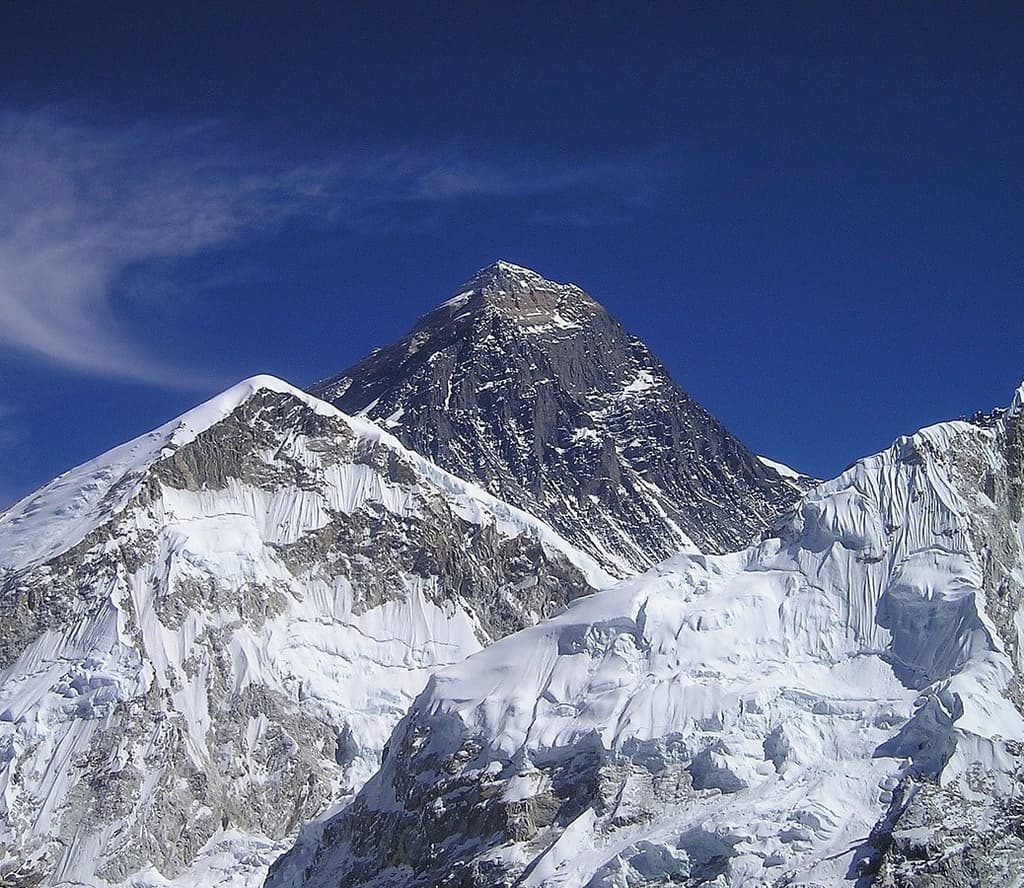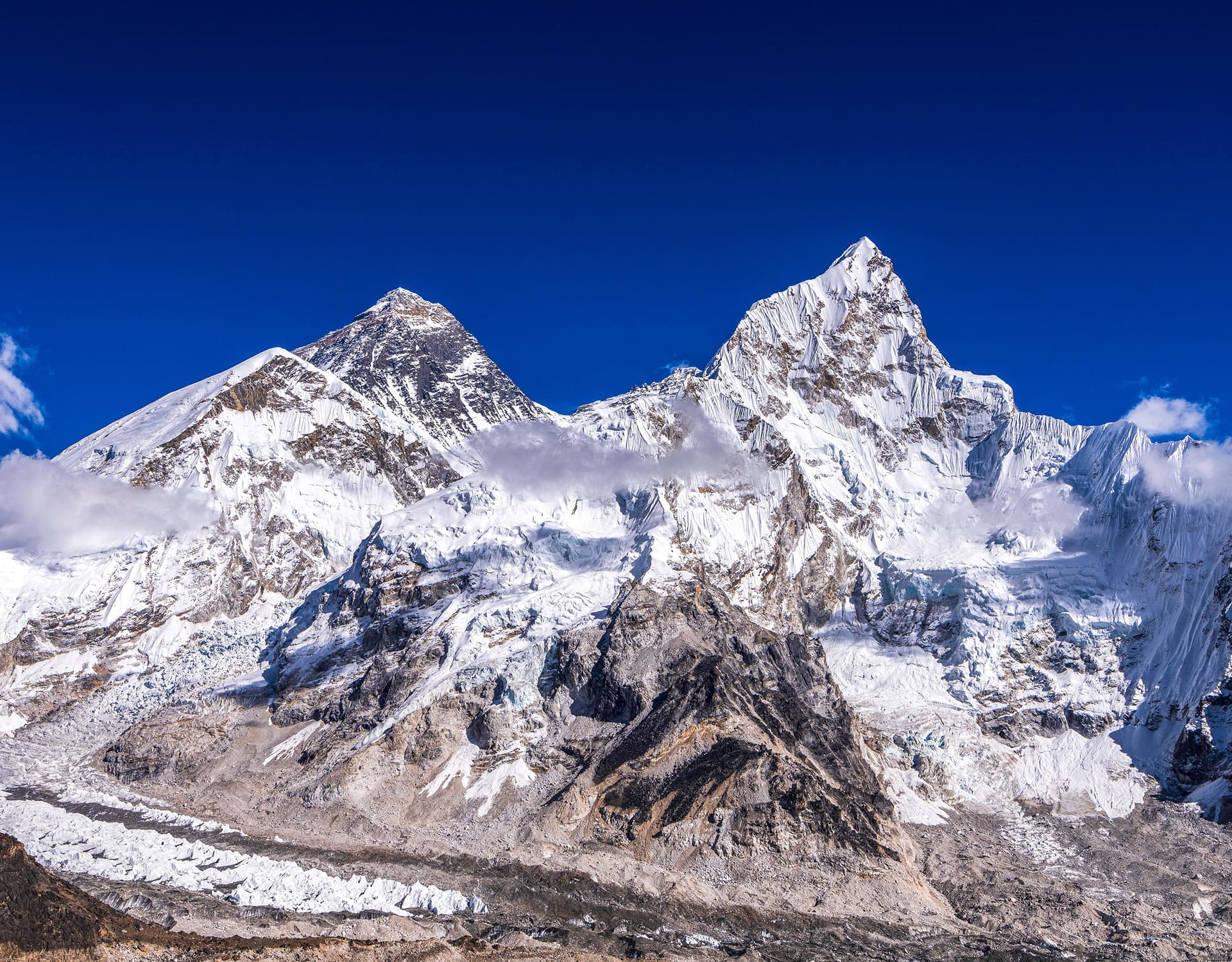
The Everest Base Camp (EBC) trek is a wonderful experience, but also an exhausting ordeal for your equipment. Moving from the green paths in Lukla at 2,860 meters above sea level to the cold wasteland of Base Camp at 5,364 meters above sea level can take some getting used to.
By 2026, technology on the trail may have advanced further, but the unforgiving nature of the Himalayas will remain unchanged: altitude kills batteries in seconds, the sun ruins low-quality materials, and poor layers will send you packing before the first day of hiking is over.
This guide will give you everything you need to know about the essential equipment, the unnecessary clutter, and how to manage your gadgets during the Everest Base Camp trek.
The Core Clothing Layering System
Teahouses do not have any heating except for a single stove made of wood or yak dung in the common dining room during your dinner. The temperature inside your room will fall below zero degrees centigrade when you are at high altitudes.
Base Layer (The Moisture Manager)
2-3 Merino Wool Long Sleeve Shirts & Pants: NEVER bring cotton clothing. Cotton holds moisture close to the skin and can induce hypothermia quickly once activity stops. The Merino wool fabric should be at least 200g/m².
Mid-Layer (The Insulator)
- Fleece Jacket: Great for those cold mornings when you go hiking.
- 1 Tech Down Jacket / Mid-Layer Jacket: Lightweight down or synthetic layering jacket, such as Patagonia Micro Puff.
Outer Layer (The Weather Protector)
- 1 Heavy Down Jacket: Search for one that has at least 800 fill power and a box wall insulation type. You need to wear this during your resting times, at the EBC flagpole, and every night in the cold teahouses.
-
1 Shell Jacket & Pants: Preferably of the GORE-TEX category or any other waterproof breathable membranes. Wind resistance is extremely
important in the Khumbu region.
Footwear & Handwear
A single blister on day three can completely ruin your chance of standing at Base Camp. Treat your extremities as a top priority.
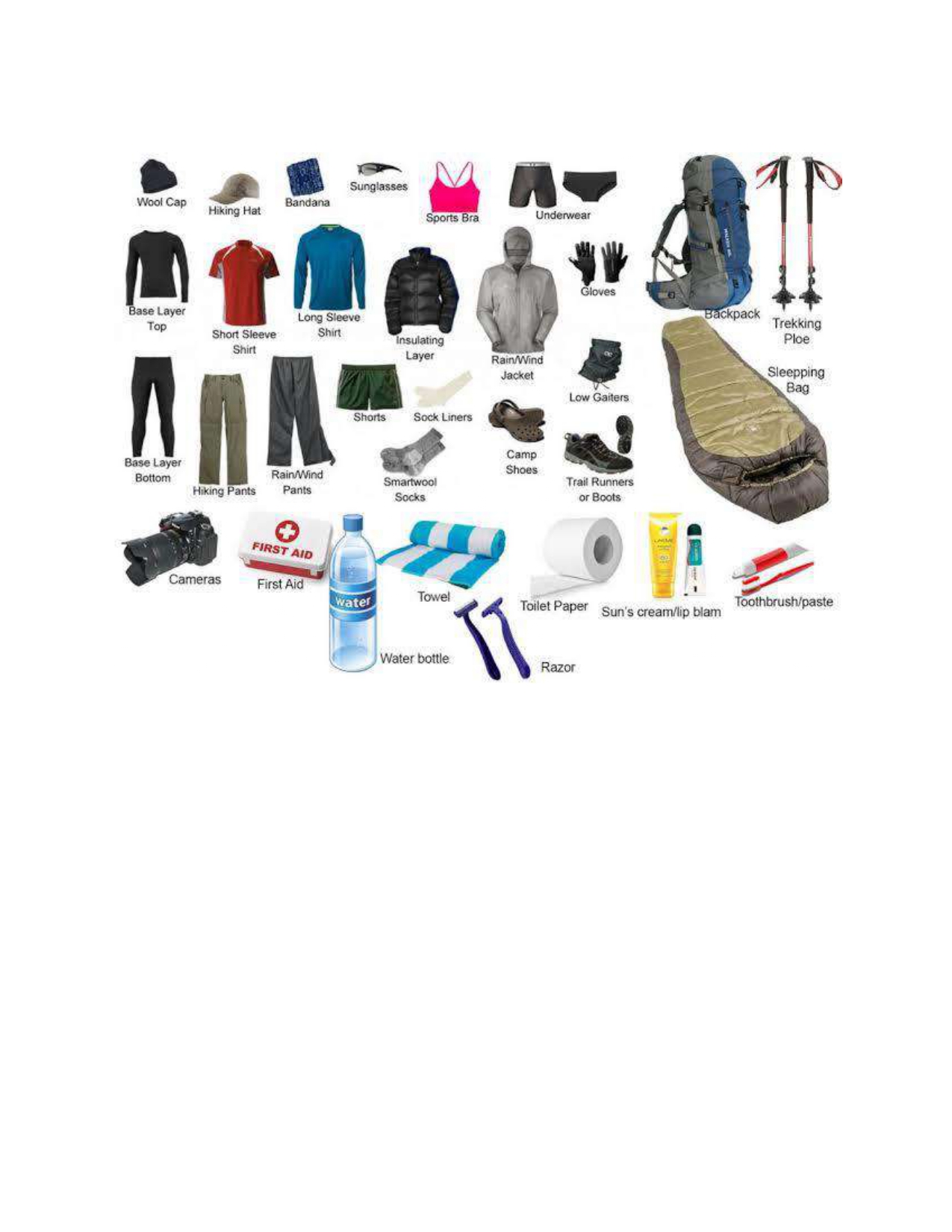
A comprehensive visual breakdown of a classic trekking gear layout
- Trekking Boots (Broke-In): Waterproof, mid to high-ankle boots with deep lugs (standard Vibram soles). Be sure to break in your boots by trekking at least 50 kilometres in them prior to going to Nepal.
- Lodge Slippers/Down Booties: Hiking into a bone-chilling teahouse bathroom at night wearing stiff and cold hiking boots isn’t fun at all. You need warm and insulated camp booties or slippers.
- Socks (4-5 Pairs): Merino Wool hiking socks (dense). Have one thick, clean pair of socks kept in a Ziploc for sleeping.
- The Two-Glove Rule: One pair of lightweight gloves that work with touchscreens (wear on hikes) and one pair of insulated, windproof gloves or mittens (wear on the freezing morning climbs).
[block](,2)
The 2026 Everest Base Camp Trek Tech Guide
Staying in contact, taking photographs, and powering electronic devices at elevations above 4,000 meters requires a particular approach. As altitude increases, electricity becomes more expensive, ranging from $5 to $10 per charge for electronic devices.
Power & Storage
- Power Bank: 20,000 mAh (PD-compatible). Take a high-quality, cold-proof power bank (preferably Anker or Nitecore). The power bank should support PD fast charging.
- Solar Panels (Recommended): 21 W – 28 W solar panels are foldable and can be attached to the top of your pack while walking on sunny days.
- Lithium Batteries: Lithium-ion batteries lose their charge quickly in sub-zero temperatures. In the evenings, always keep your cell phone, camera battery packs, and other lithium-powered devices in a dry bag at the very bottom of your sleeping bag. The warmth from your body will keep them powered.
Connectivity & Gadgets
- E-Sim / Local SIM cards: Get an Ncell or NTC SIM card from the airport in Kathmandu. Although NTC performs well in high-altitude regions, Ncell is a good choice until Namche Bazaar. Beyond this point, you have to get the “Air Link” or Everest link Wi-Fi cards from the teahouse.
- Kindle or E-Reader: The evenings spent in teahouses are often long, dark, and quite boring. A Kindle reader with an internal light source turns out to be very handy indeed!
Hardware, Health & Sleep
Packs & Poles
- 65L–80L Duffel Bag: If you engage a porter, your stuff will be packed in a tough, weather-resistant duffel.
- 30L Day Pack: You will carry this bag. It must accommodate your rain shell, down jacket, two litres of water, camera, passport, and sun protection.
- Flick-Lock Trekking Poles: Do not use twist-lock poles because the inner parts tend to get frozen in high-altitude locations.
Sleep & Health
- Four-Season Sleeping Bag (Rated for -15°C / 5°F): Don’t be cheap on this one. Teahouses provide bedding, but it is never sufficient if the temperature plummets well below zero degrees Celsius at Gorak Shep.
- Water Purification: You need two wide-mouthed 1-litre Nalgene bottles. Avoid using single-use plastic water bottles during your trek (they are environmentally harmful and strictly prohibited in some areas of the region). Purify water using Aquatabs or a SteriPen.
[block](,11)
The Ultimate EBC Packing Checklist
|
Category |
Item |
Quantity |
Purpose |
|
Clothing |
Merino Wool Base Layer |
2-3 Sets |
Moisture-wicking warmth |
|
GORE-TEX Shell Jacket |
1 |
Wind and rain protection |
|
|
800-Fill Down Jacket |
1 |
Sub-zero insulation at night |
|
|
Footwear |
Ankle-Support Hiking Boots |
1 Pair |
Trail protection (Must be broken in) |
|
Merino Hiking Socks |
4 Pairs |
Blister prevention |
|
|
Tech |
20,000 mAh Power Bank |
1-2 |
Charging devices off-grid |
|
Headlamp (200+ Lumens) |
1 |
Pre-dawn summits (Kala Patthar) |
|
|
Medical |
Diamox (Acetazolamide) |
1 Pack |
Altitude sickness prevention |
|
Water Purification Tablets |
1 Pack |
Safe hydration on the trail |
With good packing, proper layering, and protection of your equipment from the unforgiving cold of the Alps, you can devote all of your attention to the beautiful views of the highest mountains in the world.