Journey into the Sanctuary: 13-Day Annapurna Base Camp Trek (2026/2027)
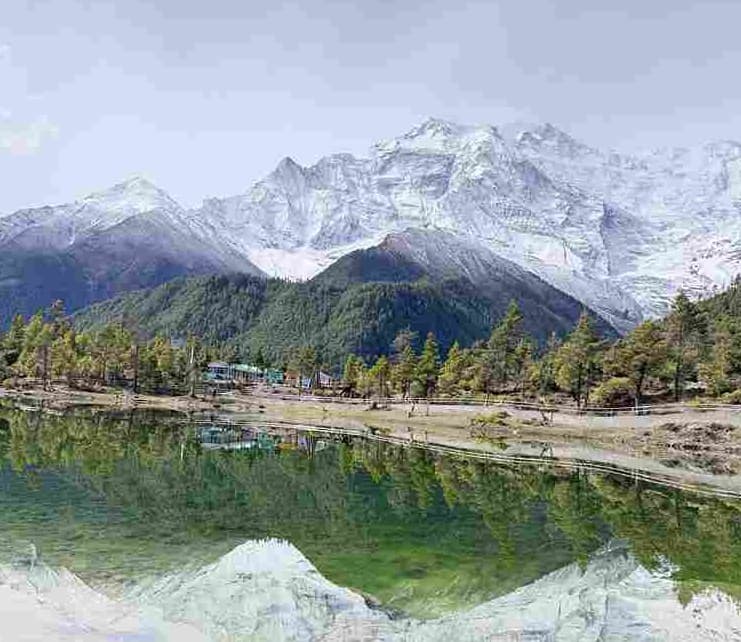
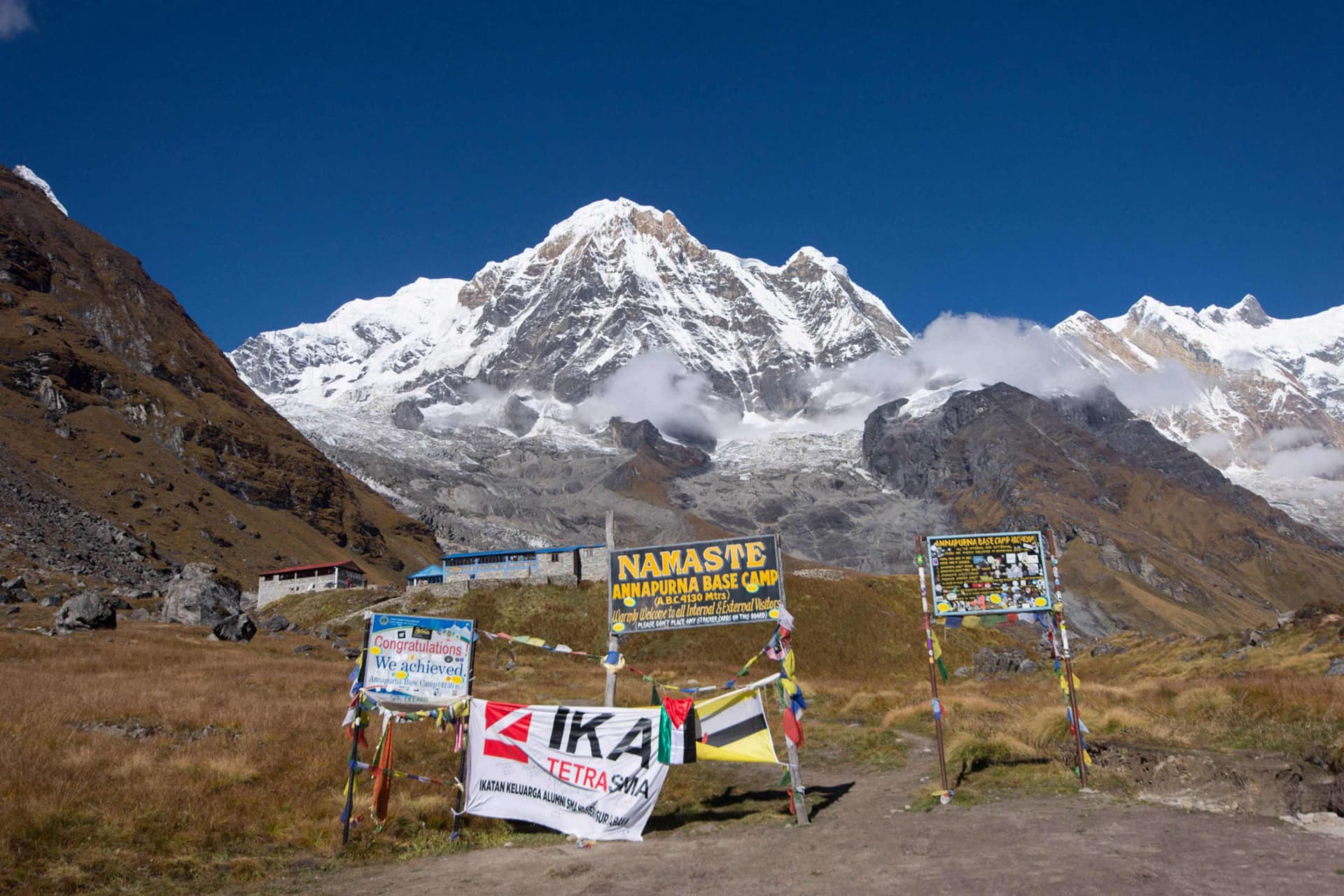
Prepare to step abroad on an extraordinary adventure through the captivating landscapes of the Nepalese Himalayas with the Annapurna Base Camp Trek. Traverse through enchanting rhododendron forests, terraced fields, and charming villages, all while being treated to awe-inspiring vistas of snow-capped peaks. As you ascend, you will be surrounded by towering mountains, including the iconic Annapurna I. Finally, at Annapurna Base Camp, situated at an altitude of 4,130 meters, you will be rewarded with an unforgettable experience: a breathtaking amphitheatre of peaks that will leave you in awe. Get ready to create great memories that will last a lifetime on this remarkable journey.
Annapurna Base Camp Trek Package
Get ready to commence a captivating journey through the mesmerising landscapes of the Nepalese Himalayas with the Annapurna Base Camp trek. The adventure begins in the vibrant city of Kathmandu, where you will be warmly greeted by your trekking agency . After a scenic 6-hour drive to the picture-friendly town of Pokhara, the real excitement begins as you officially commence your trek.
Starting from Nayapul, the path takes you through a series of enchanting destinations, including Tikhedhunga, Ghorepani, and Tadapani. Along the way, you will be treated to scenic views of the majestic mountains that surround you. To add to the enchantment, you will begin on a morning hike to Pun-Hill, where you can witness the awe-inspiring beauty of the sunrise over the Himalayas.
Continuing your journey, you will pass through Sinuwa and Deurali, gradually ascending higher into the mountains. As you make your way back, the return journey will take you through Bamboo. Finally, the highlight of the trek awaits you at Annapurna Base Camp. Here, you will be greeted by the awe-inspiring views of the surrounding peaks, creating memories that will last a lifetime.
Annapurna Base Camp Trek Itinerary
This is a classic 13-day Annapurna Base Camp via Poon Hill trek. With the addition of the Ghorepani and Poon Hill loop at the start, you get the best of two worlds: the magnificent multi-peak sunrise experience from Poon Hill and the high-altitude alpine basin of ABC.
The following are the details for this exact trip.
Complete 13 Day Annapurna Base Camp via Poon Hill Itinerary
Day 1: Arrive in Kathmandu.
Welcome to Nepal! Upon arrival at Tribhuvan International Airport (KTM), our Team Himalaya representative will welcome you and transfer you to your hotel.
The vibe: Relax during your first night, settle into the time zone and explore the bustling streets of Thamel. Usually, there is a pre-trek briefing at the hotel to confirm your permits and gear.
Day 2: Drive from Kathmandu to Pokhara (950m).
Travel time: ~6 hours driving (approx. 200 km) or ~30 minutes domestic flight (optional).
What to expect: You will drive along the scenic Prithvi Highway. The trip takes us along the flowing Trishuli and Marsyangdi Rivers, with views of terraced fields and greenery along the way, until we arrive in the beautiful lakeside town of Pokhara.
Day 3: Drive to Nayapul (1,100m) & Trek to Tikhedhunga (1,450m).
Stats: ~1.5-hour drive; 3-4 hours of trekking.
The trail: Start the trek after a drive to Nayapul. You trek along the Bhurungdi Khola River canyon, with green farms and small villages, and finally arrive at the lodges in Tikhedhunga.
Day 4: Trek to Ghorepani (2,874m).
Stats: ~6 hours of trekking.
The Big challenge : It all begins with the famous Ulleri Staircase - the steep, never-ending descent of over 3,000 stone steps. Post Ulleri, the trail leads us through a mysterious, shaded rhododendron and oak forest until we reach the vibrant blue-roofed village of Ghorepani.
Day 5: Sunrise Trek to Poon Hill (3,210m) & Trek to Tadapani (2,721m).
Stats: 45-minute pre-dawn trek; 5 hours trekking to Tadapani.
The Highlight: You will rise around 4:30 AM to hike up to Poon Hill. Watch the sun shine on the Dhaulagiri and Annapurna massif. Then return for a hearty breakfast before trekking up high ridges and dense pine forests towards Tadapani.
Day 6: Trek to Sinuwa (2,300m).
Stats: ~6 hours of trekking.
The route: A diverse day of valleys and ridges. We will take a steep descent to the Modi Khola River, cross a long suspension bridge, and hike up through the major village of Chhomrong, where we get close-up views of Fishtail Mountain, and finally trek up to Sinuwa.
Day 7: Trek to Deurali (3,200m) via Himalaya (2,700m).
Stats: ~6 hours of trekking.
Changing scenery: Today, we officially enter the narrow valley. We will trek through cool bamboo, oak, and rhododendron jungles, passing the little clearing of the Himalaya. Finally, the forests give way, and the walls of rocky cliffs and the river gorges appear.
Day 8: Trek to Annapurna Base Camp.
Stats: ~4 hours of trekking.
Entering the Sanctuary: We trek past Machhapuchhre Base Camp (3,700m), where you get to enjoy the views of the sacred, forbidden Fishtail. Then we hike further along a gentle, alpine river bed to Annapurna Base Camp. We will find ourselves surrounded by towering peaks and glaciers, including Annapurna I (8,091m).
Day 9: Trek from ABC to Bamboo (2,050m).
Stats: ~6 hours of trekking.
Heading Down: Rise early for an amazing golden sunrise over Annapurna I (8,091m). After breakfast, we begin the descent back down the valley. It is a long journey, but descending is quicker due to the denser air. Don't forget your trekking poles to protect your knees.
Day 10: Trek to Jhinu Danda (1,700m).
Stats: ~5 hours of trekking.
The reward: We ascend up the steps to Chhomrong again before descending the other side of the ridge to Jhinu Danda. The highlight here is walking down to the natural hot springs, set right on the Modi Khola River.
Day 11: Trek to Nayapul and Drive to Pokhara (820m).
Stats: 4-5 hours trekking; ~1.5-hour drive back to Pokhara.
Completing the Loop: We cross the iconic Jhinu Suspension Bridge, trek the last flat stretch of the path to Nayapul and are driven back to Pokhara.
Day 12: Drive back to Kathmandu.
Travel time: ~6 hours driving or ~30 minutes flight.
The afternoon: Arrive back in Kathmandu by late afternoon. Free time to buy souvenirs, visit historic sites like Boudhanath or Kathmandu Durbar Square, or just relax in a café.
Day 13: Departure.
A representative from Team Himalaya will meet you at the hotel and drive you to the international airport for your international departure flight.
Annapurna Base Camp Trek Distance and Altitude
Prepare to begin an extraordinary adventure through the captivating landscapes of the Nepalese Himalayas with the Annapurna Base Camp Trek. This incredible Travel covers a distance of approximately 100 kilometres and takes you on an exhilarating expedition to the foot of the majestic Annapurna massif.
As you ascend gradually, you will reach the highest point at Annapurna Base Camp, situated at an elevation of 4,130 M (13,550 feet) above sea level. Here, you are rewarded with scenic views of towering peaks, including the magnificent Annapurna I (8,091 meters) and Macchapuchhre (6,993 meters).
Ideal Season for Annapurna Base Camp Trekking
Autumn (September to November): This season is immensely popular among trekkers, as it guarantees stable weather, clear skies, and mild temperatures. The landscapes burst with colour, and the visibility is exceptional, offering breathtaking mountain views.
Spring (March to May): Another fantastic season with stable weather, mild temperatures, and limited rainfall. The trails are adorned with blooming rhododendron forests and wildflowers, creating a mesmerising spectacle. Longer days provide ample time for exploration. Similar to autumn, spring also attracts a significant number of trekkers.
Essential Gear List for Annapurna Base Camp Trek
When preparing for the Annapurna Base Camp Trek, it is vital to pack the right gear to ensure a safe and comfortable journey. Opt for lightweight and moisture-wicking clothing that can be layered to accommodate changing temperatures. Essential items to include are a sturdy pair of Trek boots with ankle support, a warm sleeping bag, and a backpack equipped with a rain cover. Don't overlook the importance of a first-aid kit, water purification tablets, and a water bottle. Additionally, remember to bring a headlamp, sunscreen, sunglasses, and a hat . A high-quality down jacket and thermal gloves are crucial at higher altitudes, while trekking poles can provide valuable support on steep sections. It's important to keep your pack light and pack smartly to ensure an enjoyable and successful trek.
Annapurna Base Camp Trek Budget and Costs
The cost of the Annapurna Base Camp trek varies depending on factors such as the trek's duration, desired level of comfort, the season, and whether you hire guides or porters. To help you budget for your trek, consider several key components.
Permits: The Annapurna Conservation Area Permit (ACAP) and Trekkers' Information Management System (TIMS) card are required for the trek. These permits cost approximately USD 25 and USD 16, respectively.
Transportation: The cost of transportation to the trek's starting points, Nayapul or Phedi, will vary depending on your location and mode of transportation. Budget anywhere between USD 10 and USD 100 for transportation expenses.
Accommodation: Accommodation options along the trek range from basic teahouses to luxury lodges. The cost per night can range from USD 10 to USD 100, depending on the level of comfort you choose.
Meals: Meals at teahouses typically cost USD 5-20 per meal. It's important to budget for three meals a day during your trek.
Guides and Porters: Hiring a guide and/or porter can enhance your travel experience.
Trekking Agency: If you don't want to take the hassle, hire an agency to handle it; they usually charge $950 or more, depending on the package and services you are looking for.
Difficulty of the Annapurna Base Camp Trek
The Annapurna Base Camp Trek offers a moderate level of difficulty, providing a thrilling adventure that requires careful preparation. Spanning 7 to 15 days, this trek demands physical fitness as you commence on long hours of walking. The terrain presents a mix of well-maintained paths and rugged trails, with steep sections and descents that call for appropriate trekking footwear. The weather conditions would be unpredictable, ranging from clear skies to rain, snow, or strong winds. As you ascend to high altitudes, temperatures drop, necessitating warm clothing. Acclimatisation is crucial to adjust to the thinner air and lower oxygen levels, ensuring a safe and enjoyable journey. Despite the challenges, the trek rewards you with awe-inspiring landscapes and panoramic views of the majestic Annapurna massif. Reaching the base camp amidst towering mountains is a truly gratifying experience, creating lasting memories of your Himalayan adventure.
Highlights of Annapurna Base Camp Trek
Begin an extraordinary journey through the diverse landscapes of the Nepalese Himalayas with the Annapurna Base Camp trek. This captivating adventure takes you through lush rhododendron forests, charming villages, and terraced fields, painting a vibrant tapestry of natural beauty. As you ascend, be prepared to be captivated by breathtaking panoramic views of towering snow-capped peaks, including the majestic Annapurna I and Macchapuchhre. The pinnacle of this remarkable trek is the Annapurna Base Camp itself, nestled at an elevation of 4,130 meters, where you will be surrounded by an awe-inspiring amphitheatre of mountains. Along the way, immerse yourself in the warm hospitality of local communities, delve into traditional cultures, and bask in the serene atmosphere of the Himalayan foothills. This unforgettable expedition promises to immerse trekkers in the magnificence and splendour of one of the world's most scenic trekking routes.
Accommodation, Food, and Drinks on Annapurna Base Camp Trek
When commencing the Annapurna Base Camp trek, trekkers can find accommodation primarily in teahouses and lodges, where they can rest and spend the night. The quality of teahouses may vary, with more basic facilities found at higher altitudes. Rooms typically feature twin or bunk beds, and some may have shared bathrooms. While bedding is usually provided, it is recommended to bring a sleeping bag for warmth. Certain teahouses may offer hot showers for an additional fee, while others provide hot water in buckets for washing purposes.
Food options along the trek are hearty yet simple, with a variety of Nepali, Indian, and international dishes available. Popular choices include dal bhat, momos, Pizza , noodles, pasta, and potatoes. However, as you reach higher altitudes and more remote locations, menu choices may become limited. Teahouses also offer snacks and a selection of hot Drinks, including hot chocolate, tea, and coffee, providing warmth and an opportunity for camaraderie with fellow trekkers.
Annapurna Base Camp Trek Permits: ACAP and TIMS
When it comes to permits, the Annapurna Base Camp trek requires two important documents: the Annapurna Conservation Area Project (ACAP) permit and the Trekkers' Information Management System (TIMS) card. The ACAP permit is essential for accessing and exploring the protected Annapurna Conservation Area, as it contributes to conservation efforts and sustainable development. To obtain the ACAP permit, you can visit the offices in Kathmandu or Pokhara; the fee is typically around USD 25. Foreign nationals can obtain the TIMS card from either the Nepal Tourism Board or the TAAN offices in Kathmandu or Pokhara, with an approximate cost of USD 16.
Travel Insurance and Health Considerations for Annapurna Base Camp Trek
When commencing the Annapurna Base Camp Trek, it is crucial to prioritise travel insurance and consider key health considerations. Comprehensive travel insurance is an absolute must, including coverage for medical emergencies, evacuation, and all trekking activities. The rugged terrain of the Himalayas presents altitude-related risks, such as Acute Mountain Sickness (AMS). To ensure your safety, it is recommended to consult a health professional before the trek and take necessary precautions, including maintaining physical fitness and allowing adequate acclimatisation. Be sure to carry a basic first aid kit and any required medications. Staying hydrated is essential, while avoiding alcohol and smoking is strongly advised. Additionally, good travel insurance should also cover trip cancellations and interruptions to protect you against unforeseen circumstances. By prioritising safety and being prepared, you can commence the Annapurna Base Camp trek with peace of mind, knowing that you have taken the necessary steps to ensure a safe and rewarding experience.
Understanding Acute Mountain Sickness (AMS).
Acute Mountain Sickness (AMS) is a common condition among individuals who ascend to elevations above 2,500 meters (8,000 feet). At higher elevations, reduced oxygen pressure decreases oxygen availability, typically triggering AMS symptoms within 6 to 12 hours. These symptoms can vary in severity, encompassing persistent dizziness, nausea, fatigue, headaches, and shortness of breath. In more severe cases, AMS can progress to life-threatening conditions such as High-Altitude Cerebral Oedema (HACE) or High-Altitude Pulmonary Oedema (HAPE). To prevent AMS, it is crucial to undergo gradual acclimatisation, maintain proper hydration, avoid alcohol and smoking, and prioritise rest. If symptoms persist, it is essential to rest at the current altitude and promptly seek medical attention. By being aware of the risks and taking necessary precautions, you can ensure a safe and enjoyable high-altitude experience.
Conclusion
The Annapurna Base Camp trek offers a mesmerising journey through the diverse landscapes of the Nepalese Himalayas. Along the way, immerse yourself in the warm hospitality of local communities, delve into traditional cultures, and bask in the serene atmosphere of the Himalayan foothills. This unforgettable expedition promises to immerse trekkers in the magnificence and splendour of one of the world's most iconic trekking routes.