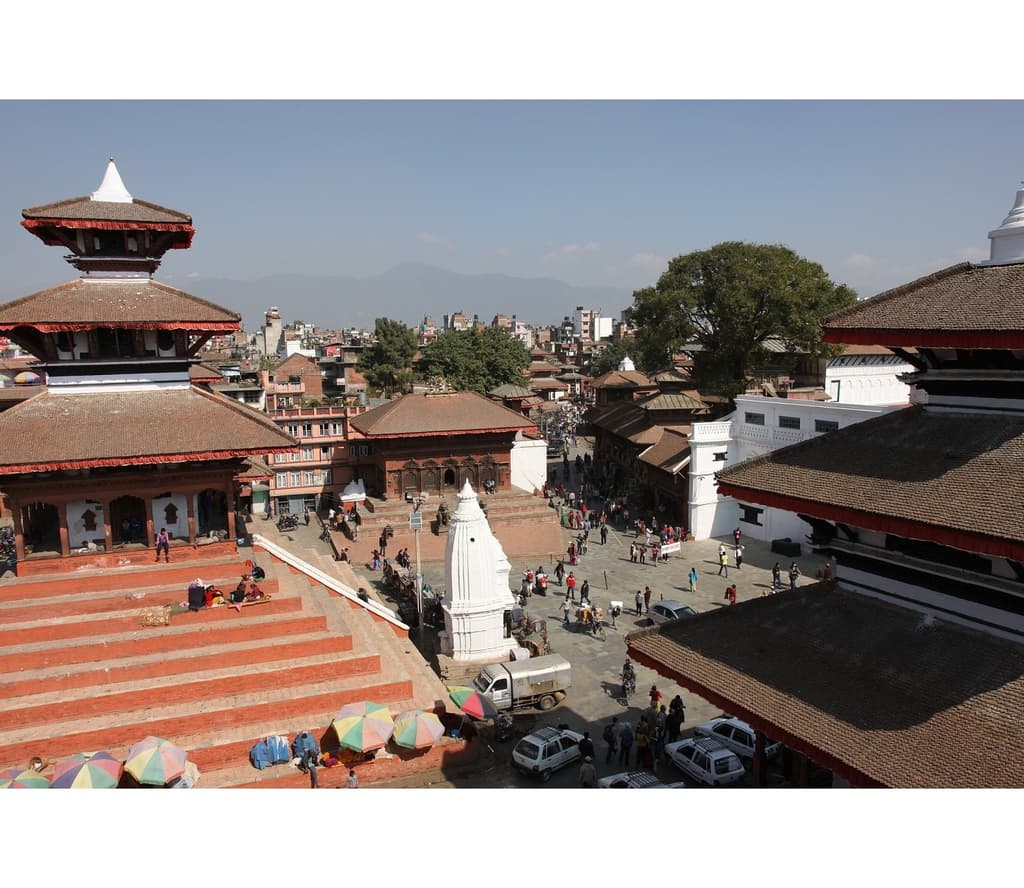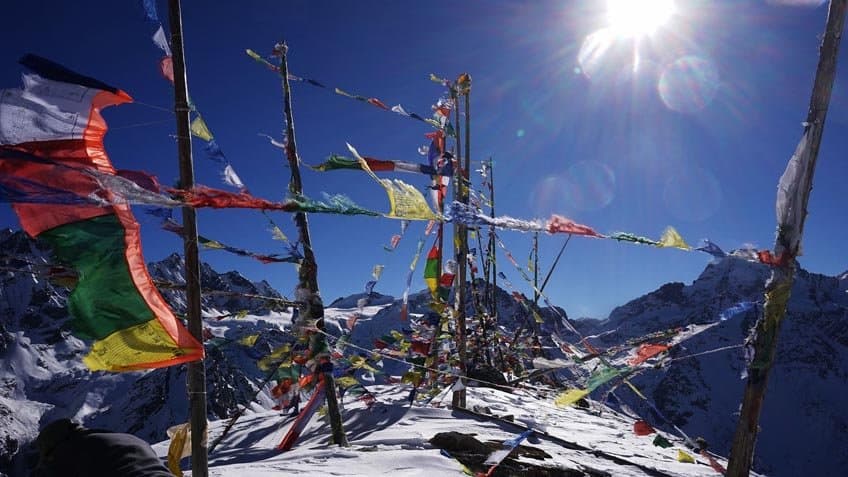
The Langtang region Trekking is located in Langtang National Park. It’s the first national park in the Nepal Himalayas, established in 1970. The park is quite close to the northern part of the Kathmandu Valley and yet extends up to the Tibetan Border Mountains and the entire Langtang Trek. It includes, to the south, the upper parts of culturally rich Helambu. The Langtang trek starts with a 6-hour scenic drive up from Kathmandu to Sybrubesi. The Langtang region trekking route passes through small areas of subtropical forest below 1,000 m, Oak and maple forests, then pine and fir trees, alpine scrub with grazing animals, and finally moraine glaciers with snow-capped high Himalayan peaks.
The Langtang trek is a naturally and culturally fascinating trekking region in the Nepal Himalaya, home to several ethnic groups. The majority of people in the lower parts of the region are Tamang, but Tibetans and Sherpas inhabit the upper parts of Helambu. The Langtang region trek is one of the most 3rd popular trekking destinations in Nepal, after the Annapurna region trek and the Everest region trek. The Langtang region offers many more short trekking options, as well as moderate-to-long adventurous trekking routes and popular peak climbing in Nepal, depending on travellers' interests.
The list of the four most popular trekking trails in the Langtang region is as follows:
- Langtang Valley trek.
- Langtang Gosaikunda Trek.
- Tamang Heritage Trekking.
- Helambu cultural trekking.
[block](,19)
How to get to the Langtang region from Kathmandu?
Langtang trekking is directly accessible by road; it’s a 1,18 km drive from Kathmandu to Syabrubesi via Trisuli, and it takes approximately 6-8 hours, depending on road conditions. Either can drive to Syabrubesi by public bus or private vehicle from Kathmandu, but we recommend a private vehicle for greater comfort than a crowded public bus.
What is the best season for the Langtang trek?
Trekking in the Langtang region is a year-round activity, but during the monsoon season (June-August) it can be very wet and hot, with high humidity. Due to rain, landslides, and mountains hidden by clouds, it can be very hard to trek up there. In winter, it's also very cold at night, but usually nice weather during the day, and often snowfall in the higher parts of the region. The spring season (Sept- Nov) and autumn season (Feb- May) are the best seasons for trekking in the Langtang region.
What is expected from the Langtang trek?
- All food and accommodation are available throughout the Langtang region, so you don’t need to carry any of it.
- Expect to pick up the food item mentioned in the menu at the guesthouse or teahouse.
- Expect to wait for the food for some time.
- Expect to share accommodation sometimes, but not always, in places across the Langtang region.
- Meet friendly local people and explore their livelihoods.
- You need to share the bathroom or toilet with other people.
- Expect to walk 4-8 hours a day and climb 100-400 meters on average.
- Expect to hit the Virgin Country trail hard. Expect to meet friendly and beautiful people in the Langtang area.
- Expect to witness stunning mountain peaks.
What is the difficulty level of the Langtang trek?
The Langtang Region offers easy-to-moderate treks, as well as longer, more adventurous routes, but some trek routes feature several steep ups and downs at higher altitudes. We have a good level of stamina to walk an average of 4 – 8 hours a day and gain altitude, ascending and descending 300-800m a day. But before heading to the Langtang trek, we recommend jogging, walking, a short day hike, and regular exercise to build your stamina for hiking in the mountains. Normally, for the Langtang trek, we don’t need as much skill and experience as other regions' treks. It’s very suitable for beginners; we only require a moderate level of fitness to break up the trek and make your trip enjoyable.
What trek equipment is required for a trek in the Langtang region?
Langtang region trekking is not a difficult trek in Nepal, but it offers a range of trails from short and easy to adventurous. Pick the trekking trips you want and the available travel schedule. You don’t need to carry much trekking equipment, but it's better to have enough for your safety. The Required equipment for the Langtang region trekking is as follows:
Personal Toiletries: a moderate-sized day pack or rucksack to carry your personal belongings, such as travel documents, water bottles, cameras, wallets, maps, journals/notebooks, cell phones, light jackets or fleece, and insect repellent as per the season.
Running/sports shoes, a good pair of boots, warm woollen/cotton socks, snow gaiters, rain/windproof gear, walking poles (an option), personal medication, binoculars (an option), T-shirts, long-sleeve shirts, trousers (for entering temples and monasteries), sunscreens, torch/flashlights. Gloves, Woollen Beni (camp), Sun Hats, Sun/snow glasses, and water bottles are necessary (try to avoid plastic bottled water, as it creates litter that is hard to recycle in Nepal). Use the same waterfalls for refills where available. A scarf or mask to avoid dust and smoke.
On trekking, larger kit/duffel bags are carried by porters/pack animals (yaks, mules, or ponies), which include your heavy personal gear, such as sleeping bags, down/duvet jackets, and items you require during daytime walks to designated campsites/lodges.