Top Acclimatisation Places on the Everest Base Camp Trek and Why They Are Important
Think of yourself standing on the Everest trail – the peaks surrounding you, the crisp air, and the thin air that seems almost impossible to breathe in. That is what makes up the Everest Base Camp trek. Yet that very feeling is what brings a challenge – the issue of acclimatisation.
One of the major obstacles trekkers face is altitude. The higher you go, the less oxygen is available in the air, and your body needs time to acclimatise to this change. Without acclimatisation, even professional trekkers would be forced to descend. This article is all about finding the best places to acclimatise on the Everest Base Camp trek.
Further down the article, you will learn about the top acclimatisation locations on the Everest Base Camp trek, why they are important, and how to use acclimatisation strategically. Be prepared for this article to help you avoid a helicopter trip!
What is Acclimatisation? Why is It Important?
Acclimatisation is the process of adjusting to lower oxygen levels at high altitudes. When you start climbing, there is less oxygen in the air, and your body needs time to adapt.
During acclimatisation, your body increases the respiratory and heart rate and produces more red blood cells. This adjustment allows your body to use less oxygen while still functioning properly. On the Everest Base Camp trek, you will climb from 2,800 meters above sea level in Lukla to 5,364 meters above sea level at the base camp. Thus, your body requires time to adapt to this change.
The golden rule of acclimatisation is called "climb high, sleep low." This is the process of going on short hikes to higher altitudes, then returning to sleep at a lower altitude at night. To make your trek successful and safe, acclimatisation is essential.
What Happens If I Do Not Acclimatize Well?
Improper acclimatisation can lead to Acute Mountain Sickness (AMS). It occurs when people start climbing too fast. AMS is associated with headaches, nausea, dizziness, and other symptoms such as lack of energy and inability to sleep. These symptoms usually appear within 6-24 hours after arriving at high altitudes. The development of AMS can be stopped only with immediate descent.
Some examples of trekkers suffering from AMS prove that this disease can occur even in fit people. Those who felt themselves strong before starting the journey decided to go faster – but were forced to leave the trek or be evacuated by helicopter. The problem is not a person's fitness but how their body reacts to a changing environment.
Pay close attention to your body. If the symptoms persist or worsen, even after you have rested, immediately descend. Many experienced guides use the golden rule of altitude – if you feel sick at high altitudes, assume it is AMS until proved otherwise.
In conclusion, acclimatisation is the best protection against mountain sickness, which will ensure that you enjoy the trek and successfully complete it.
What Is the Perfect Acclimatisation Schedule?
There should be at least two acclimatisation days on your planned Everest Base Camp itinerary. These days are not rest, but rather acclimatisation days with some short hikes.
Most trekkers plan their trip to take 12-14 days. There are two major stops on acclimatisation: Namche Bazaar (3,440m) and Dingboche (4,410m). On those days, you are supposed to take short hikes to gain altitude during the day and return to your lodging to sleep at the same altitude.
Here is a sample acclimatisation schedule:
Day 1: Arriving in Lukla (2,800m), trekking to Phakding (2,610m).
Day 2: Trekking to Namche Bazaar (3,440m).
Day 3: Acclimatisation day in Namche (trek to Everest View Hotel, 3,880m).
Days 4- 5: Trekking to Tengboche and Dingboche.
Day 6: Acclimatisation day in Dingboche (trek to Nagarjun Hill or Chukhung).
Days 7- 9: Moving to Lobuche, Gorak Shep, and Everest Base Camp.
"Climb high, sleep low" is the key to successful acclimatisation. Hiking to the Everest View Hotel from Namche involves about a 400m elevation gain.
Do not try to finish your trek too fast. Gaining more than 500m of elevation per day at an altitude of 3,000m puts you at a high risk of getting AMS.
How Many Acclimatisation Days Will You Need?
For most trekkers, two acclimatisation days (Namche and Dingboche) will be enough. However, the number of acclimatisation days depends on your personal reaction to the altitude, physical condition, and high-altitude experience.
First-time trekkers shouldn't change the itinerary. If you've never visited areas at altitudes of 3,000 meters or higher, your body needs time to adapt to the new conditions. Otherwise, the risk of developing acute mountain sickness will grow even if you are physically healthy.
Trekkers with previous high-altitude experience may move at a somewhat faster pace, but it's still dangerous to skip acclimatisation stops. Experienced mountaineers always include acclimatisation days in their itineraries.
Older trekkers, people with some health problems, or those who feel altitude sickness symptoms may add an additional day in Lobuche or even Pheriche. Guided groups usually have a flexible day in their itinerary just for such cases.
If you are uncertain whether you need an additional acclimatisation day, choose to have one anyway. The cost of an extra day on your Everest Base Camp trek is very small compared to the cost of helicopter evacuation or the termination of your trek.
Best Acclimatisation Points for the Everest Base Camp Trek
Namche Bazaar (3,440m) - The First Acclimatisation Point
Namche Bazaar is the first important acclimatisation point on the EBC trek route. This village is located at an altitude of 3,440 meters, where altitude begins to affect your body.
It's recommended to spend two nights in Namche Bazaar. The standard acclimatisation hike from Namche goes to Everest View Hotel, which is situated at 3,880 m (12,730 ft). During a 2-3-hour hike, you'll enjoy magnificent views of Everest, Lhotse, and Ama Dablam. More importantly, you'll allow your body to adapt to a higher altitude without the stress of sleeping at a higher altitude.
Other Namche activities include visiting the Sherpa Cultural Museum, trying delicious snacks at local bakeries, and strolling through the local market. Such light activities promote acclimatisation.
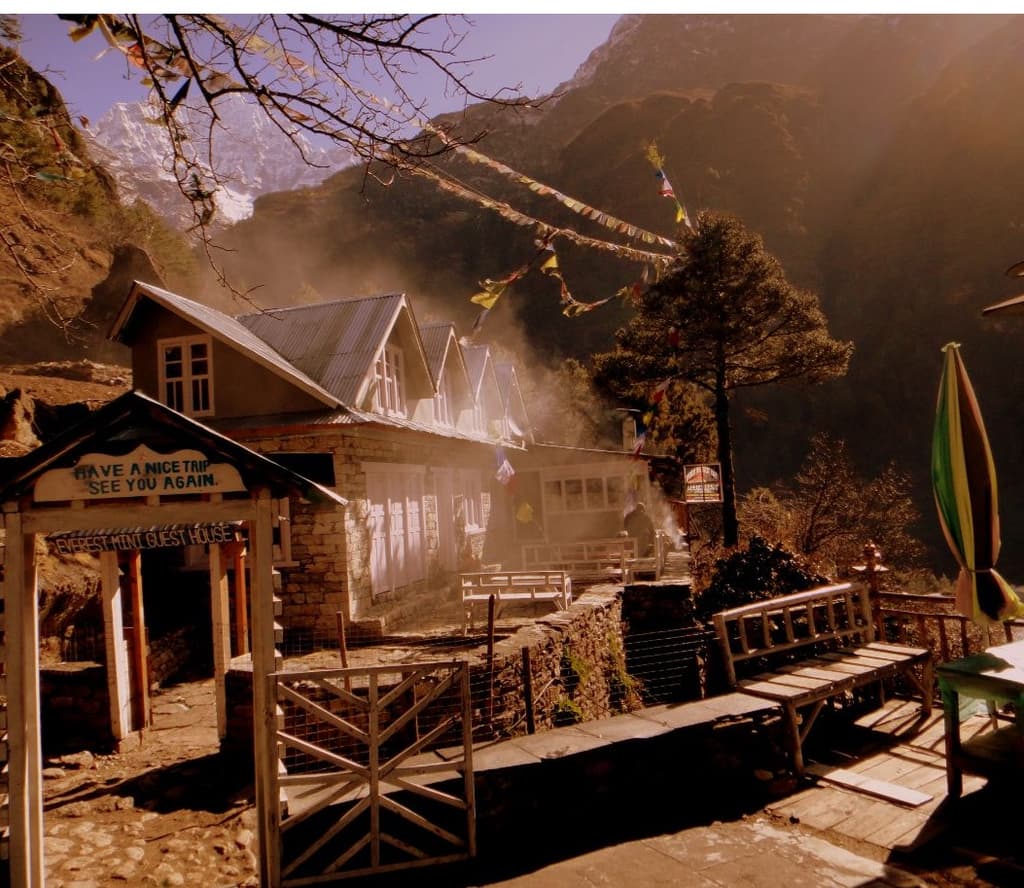
Namche has nice infrastructure – comfortable lodges, decent food and Wi-Fi in most places. This place is ideal for rest, recharging, and preparation for the following days.
The altitude gain from Lukla to Namche is quite substantial, and your body needs time to adjust. Not using acclimatisation days in Namche is the main mistake most trekkers make.
Dingboche (4,410m) - The Second Acclimatisation Point
Dingboche is the second important acclimatisation stop, situated at 4,410 meters. Because at this altitude the oxygen pressure is around 60% of the sea-level value, it's very important to adjust before going higher.
Staying in Dingboche for a rest day dramatically reduces the risk of altitude sickness when going up to Lobuche and Base Camp. The most popular acclimatisation hike from Dingboche is to Nagarjun Hill, at 5,100 meters. This strenuous 3-4-hour hiking trail will offer beautiful views and altitude gain that will help train your body.
Alternatively, you may go hiking to Chukhung Valley. This route is less steep but a bit longer and allows you to see Island Peak and Lhotse. These acclimatisation hikes follow the principle of "climbing high, sleeping low" and help to acclimatise.
Dingboche has decent lodging and food options; however, it's located a bit farther from the main villages than Namche. Spend the rest of the day drinking enough fluids, eating well, and paying attention to your body's state.
This acclimatisation stop is extremely important, since the next points – Lobuche and Gorak Shep – are located above 4,900 meters. Most trekkers find it difficult, or even impossible, to complete the EBC trek without acclimatising in Dingboche.
Lobuche (4,940m) - Additional Optional Acclimatisation for High Altitude
Lobuche is often used as a transit point on the way to the Everest Base Camp, but may also be used as an optional acclimatisation point. Being nearly 5,000 meters high, this village is the highest place where you'll sleep before Base Camp.
If you've had some symptoms in Dingboche or have trekked with older people, it may be a good idea to take an extra acclimatisation day here. This acclimatisation stop is especially helpful for those people who plan to climb Kala Patthar (5,545 meters) or spend a few days in Base Camp.
There aren't any nice side-hikes from Lobuche, but you can go up to the Khumbu Glacier and just walk around. The goal of your activity is to walk without overstraining yourself.
This additional day is also good in case of bad weather or fatigue. Many guided treks include additional acclimatisation or a contingency day either in Lobuche or in Pheriche.
Having an acclimatisation day in Lobuche will help you to feel better during the remaining days of your trek. It's not obligatory, but it's a good choice for people who need extra time for adaptation.
Bonus Acclimatisation Side-Hikes That Help to Make Your EBC Trek Successful
Hike to Everest View Hotel from Namche Bazaar
This scenic 2-3-hour hiking trail will offer magnificent views of Everest, Lhotse, Nuptse, and Ama Dablam. Gradual altitude gain (about 400 meters) makes this acclimatisation hike from Namche Bazaar a perfect place for acclimatisation and panoramic views.
Hike to Nagarjun Hill from Dingboche
This difficult acclimatisation trail leads to the about 5,100-meter-high Nagarjun Hill. This uphill hike takes around 3-4 hours and offers panoramic views of Makalu, Lhotse, and Island Peak. This challenging hike allows your body to adapt and return to Dingboche, where you sleep at a lower altitude.
Expert Tips for Acclimatisation on the EBC Trek
What to Eat and Drink to Support Acclimatisation
Drinking enough liquid is vital – drink 3-4 litres of water a day. Carbohydrates will be your source of energy at high altitude. Alcohol and caffeine must be avoided.
Locally grown foods, like garlic soup and ginger tea, will warm you up and improve your digestion.
How to Listen to Your Body at Altitude
Listen to the signals of your body. Early signs of AMS include mild headache, loss of appetite, and sleep disruption. Mild symptoms may be helped with rest and hydration. If symptoms persist, think of descending.
Never ignore the signals of your body. Altitude sickness may develop quickly. In case of doubt, it's safer to descend than to continue to ascend.
Should I Take Diamox or Other Altitude Medicines?
Diamox (acetazolamide) is often used to avoid AMS. This medicine helps you breathe more deeply during the night, thereby speeding up the acclimatisation process. However, Diamox is a prescription drug and should be used only after consulting a doctor.
Always consult a licensed healthcare professional before taking any medication or going to a high-altitude destination.
Discuss the matter with a travel doctor in advance if you plan to use altitude medication on your trek.
FAQs About Acclimatisation on the Everest Base Camp Trek
How long should I stay in Namche Bazaar?
Two nights minimum. There is a substantial altitude gain between Phakding and Namche.
Can I skip acclimatisation days if I am fit?
No. Physically fit people are no less susceptible to AMS than others.
What's the best way to train for altitude before the trek?
Cardiovascular training may be beneficial, but there is no way to fully adapt to altitude conditions unless you live in the highlands. Consider hiking at increasing altitudes before your trek.
Is it safe to trek without a guide if I acclimatise properly?
It is safe, but you should have a guide. Guides know the symptoms of AMS and make decisions in case of deterioration of your health.
Final Thoughts: Prioritise Acclimatisation for a Safer and More Enjoyable EBC Trek
Acclimatisation is not only a safety measure, but also the key to success and joy of Everest Base Camp trekking. Such acclimatisation points as Namche Bazaar, Dingboche and Lobuche will give your body time to adapt while allowing you to enjoy the amazing side trails and culture.
Respecting your body's adaptation process reduces the risk of developing altitude sickness and gives you a much better chance of making your way to Base Camp in good condition. Acclimatisation points are not delays, but opportunities.
Therefore, when planning your trek, don't hurry with the itinerary. Embrace the slower pace and side trails, and give your body the time it needs. The mountains will reward your patience.
Ready to plan your trek the right way? Start from the acclimatisation points.