12-Day Everest Base Camp Trek: Route, Altitude Strategy & Packing List
Introduction
While the standard Everest Base Camp trek normally takes 14 days, the 12-day Everest Base Camp trek itinerary is the perfect alternative for active trekkers having limited holiday time.
By reducing the return trip, this itinerary helps ensure you do not waste your important acclimation days on the way up. Thus, all your expectations will be fully met: you will have a chance to fly to the adventurous Lukla airport, immerse yourself in the atmosphere of the Sherpa culture and take a wonderful hike to the Khumbu Glacier to reach the base of the world's highest peak.
Distance: ~130 km (80 miles) round-trip
Highest Altitude: 5,545 m (18,192 ft) at Kala Patthar
Duration of Trekking: 12 Days (Flights in/Out from Lukla)
Level of Difficulty: Moderate to Challenging
Starting & Ending Points: Kathmandu / Lukla
Key Features of the 12-day Everest Base Camp Trek
Legendary Flight: Take part in the thrilling 35-minute flight to the Tenzing-Hillary Airport in Lukla.
Capital of the Sherpas: Two days in the exciting, amphitheatre-like city of Namche Bazaar (3,440m).
Spiritual Centres: Visit the Tengboche monastery, surrounded by the peaks of Ama Dablam.
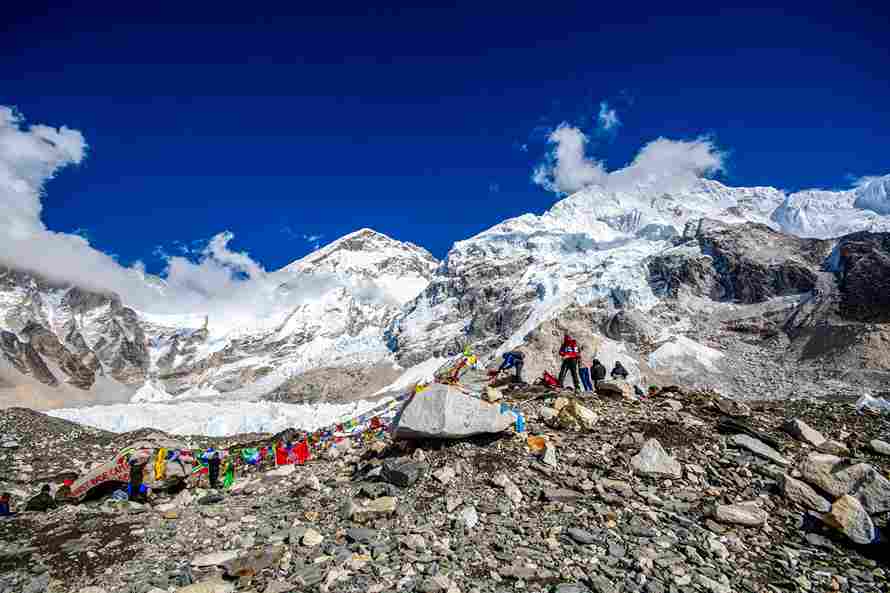
Touch the Base Camp: See the legendary boulder of the Everest Base Camp (5,364m), used by mountaineering expeditions.
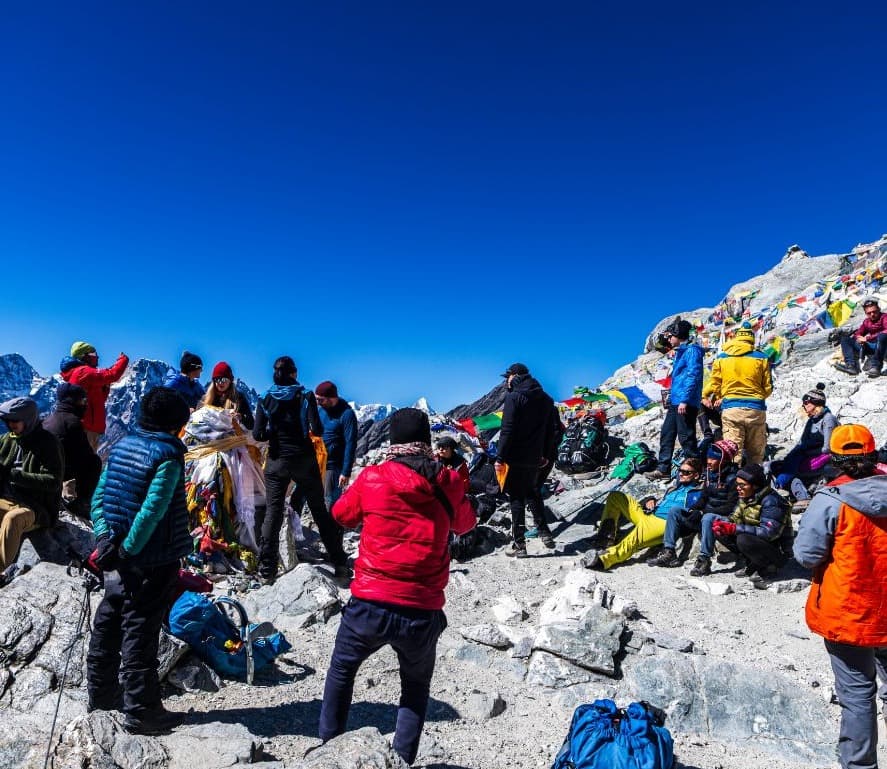
Sunrise of Your Dreams: Stand atop Kala Patthar (5,545m) to take in an amazing panorama of Mount Everest, Lhotse, and Nuptse.
Map & Details of the Trek Route
The route follows a typical straight line, rising through the Khumbu valley and, further on, the alpine glacial moraine.
Kathmandu➔Lukla➔Phakding➔Namche Bazaar (Acclimatization)➔Tengboche➔Dingboche (Acclimatization)➔Lobuche➔Gorakshep➔Everest Base Camp➔Kala Patthar➔Reversing through Pheriche➔Namche➔Lukla➔Kathmandu
Total Cost Breakdown
|
Expense Category |
Estimated Cost (Per Person USD) |
What It Typically Covers |
|
Permits & Paperwork |
$60 – $100 |
Sagarmatha National Park & Khumbu Regional Permits. |
|
Domestic Flights |
$375 – $480 |
Round-trip flights from Kathmandu/Ramechhap to Lukla. |
|
Licensed Guide & Porter |
$350 – $600 |
Daily wages, insurance, and food for your local crew. |
|
Teahouse Lodging & Food |
$300 – $450 |
11 nights in mountain lodges; 3 daily meals. |
|
Total Estimated Cost |
$1,100 – $1,600 |
Excludes international flights, gear, and tips. |
Details Itinerary: Day-by-Day (12 Days)
Day 1: Arrival in Kathmandu and Transfer to the hotel.
Once you land at the airport, a Team Himalaya representative will meet you and take you straight to Thamel, which is the most fascinating part of Kathmandu. After freshening up, you may also have lunch at one of the many prestigious cafes in Thamel. In addition, you can get your trek gear and handicrafts on your return home today. On the day of arrival, after a brief walk around Thamel and upon check-in at the hotel, our guide will provide you with all the details of your trip.
Day 2: Flight from Kathmandu to Lukla; Trek to Phakding.
Altitude: 2,610m (8,561 ft)
Time of Walking: 3-4 hours | Distance: 8 km
Summary: Start your journey by boarding a morning flight to Lukla. Upon meeting your porters, continue your descent steadily past stone mani walls and prayer wheels along the Dudh Koshi River to reach Phakding.
Day 3: Phakding to Namche Bazaar.
Altitude: 3,440m (11,283 ft)
Time of Walking: 5-6 hours | Distance: 11 km
Summary: Cross the high Hillary Suspension Bridge and reach Monjo to enter the Sagarmatha National Park. Then spend the whole day walking to the top of a very steep hill, finally reaching the trading centre, Namche Bazaar.
Day 4: Namche Bazaar to Tengboche.
Altitude: 3,867m (12,684 ft)
Time of Walking: 5-6 hours | Distance: 9.5 km
Summary: Walk along a scenic, curving trail to reach the top of the high river valley, then start your descent to Phunki Thenga, where you have lunch. Continue climbing through rhododendron forests and reach the impressive ridge-top monastery of Tengboche.
Day 5: Tengboche to Dingboche.
Altitude: 4,410m (14,468 ft)
Time of Walking: 5 hours | Distance: 9.8 km
Summary: Begin your descent to Deboche, cross the Imja Khola, and proceed to the stone-walled village of Pangboche. Notice how the tree lines vanish completely as you enter the alpine meadows of Dingboche.
Day 6: Dingboche to Lobuche.
Altitude: 4,940m (16,207 ft)
Time of Walking: 5 hours | Distance: 11 km
Summary: Walk along a broad, open valley floor to Thukla. After lunch, climb through the very steep Thukla Pass and continue past the moving stone memorials to Everest climbers who died to Lobuche.
Day 7: Lobuche to Gorakshep & Hike to Everest Base Camp.
Altitude: Gorakshep: 5,164m (16,942 ft) | EBC: 5,364m (17,598 ft)
Time of Walking: 7-8 hours | Distance: 15 km
Summary: Hike through the rough glacial moraine to reach the final outpost of Gorakshep. Eat quickly, then hike farther to reach the Khumbu Glacier before reaching Everest Base Camp. Return to Gorakshep for the overnight.
Day 8: Hike to Kala Patthar; Trek to Pheriche.
Altitude: Kala Patthar: 5,545m (18,192 ft) | Pheriche: 4,200m (13,779 ft)
Time of Walking: 7-8 hours | Distance: 16 km
Summary: Start walking before dawn to reach the steep and rocky incline of Kala Patthar. This point gives you the best views of the Everest summit. Descend to Gorakshep and have breakfast there before continuing to Pheriche.
Day 9: Pheriche to Namche Bazaar.
Altitude: 3,440m (11,283 ft)
Time of Walking: 6-7 hours | Distance: 20 km
Summary: Feel the rush of rich oxygen as you descend through the valley. Pass through Tengboche and finally arrive at Namche Bazaar.
Day 10: Namche Bazaar to Lukla.
Altitude: 2,860m (9,383 ft)
Time of Walking: 6-7 hours | Distance: 18 km
Summary: Today is the final day of your trek. Walk down Namche Hill, cross the suspension bridges for the last time, and climb back up to Lukla to celebrate with your group.
Day 11: Morning Flight from Lukla to Kathmandu.
Altitude: 1,400m (4,593 ft)
Flight time: 35 minutes
Summary: Board the early-morning flight, leave Lukla's mountain runway, and land in Kathmandu for a celebratory dinner.
Day 12: Departure for home, ward-bound.
This is the departure day for your amazing 12-day Everest Base Camp trek. As usual, you will begin your morning with a leisurely breakfast at the hotel in Kathmandu. Enjoy the memories you have made in the Himalayas and think about the wonderful experience you have just had. Shortly after breakfast, leave your hotel, making sure that you have packed everything. Spend some time checking out of the hotel and say farewell to the vibrant city of Kathmandu and its kind hospitality during your stay. Although your trip is coming to an end, the memories and observations you gained from your Everest Base Camp Trek will remain with you for life.
Altitude Sickness & Prevention (AMS).
At Everest Base Camp, the level of oxygen in the atmosphere is approximately 50% less effective than at sea level. Acute Mountain Sickness (AMS) is a very real threat.
The Acclimatisation Mantra: Walk slowly, drink continuously and listen to your body.
Important Preventive Rules
Your Pace: Walk slowly, almost lethargically. If you find yourself breathless to speak, you are moving too quickly.
Hydration: Drink 3-4 litres of pure water each day. Electrolyte powders are highly recommended.
Dietary Safety: Completely avoid alcohol and sleeping pills. Strictly follow the vegetarian diet above Namche Bazaar to avoid food poisoning from unrefrigerated meat carried by your porters up the valley.
Medical Help: Consult your doctor about taking Diamox (Acetazolamide) to help your respiratory system adapt to high altitudes.
Accommodation and Food on the Trail
The Teahouse Truth
You will be accommodated in teahouses, which are locally owned and operated mountain family houses.
Rooms: Very simple, unheated, twin rooms with two single beds.
Heating: Only the main communal dining hall is heated in the evening using a wood- or yak-dung stove.
Add-on Payments: You can pay for electric charging devices, Wi-Fi connections, and hot gas showers; however, the higher you go, the higher the fee ($3-$8 USD).
Options of Food
The menus are varied. They include pasta, potatoes, and soups. But the most essential mountain fuel is Dal Bhat (steeped lentil soup, rice, and vegetable curry). It is organic and healthy, and you receive free, unlimited refills.
Basic Information and Logistics
Trekking Permits: You have to possess permits such as a TIMS card, a Khumbu Pasang Lhamu Rural Municipality Permit, and a Sagarmatha National Park Entry Permit. These permits are easily organised by our agency on the trek.
Travel insurance: Your policy must cover trekking up to 6,000 meters and include helicopter evacuation coverage.
The Ramechhap Flight Reality: During the high trekking seasons (Spring and Autumn), flights to Lukla are often rerouted from Manthali Airport in Ramechhap (4 hours by car from Kathmandu) to ease runway congestion. Remember this driving time in your travel schedule.
Choosing the Best Equipment for a Successful Trek to Everest Base Camp
Many tourists worldwide consider visiting this location an achievement that belongs at the top of their priority lists. Being part of the Himalayan variety, it gives not only satisfaction and joy but also physical challenges that require guidance – the main one being equipment. The choice of proper gear affects safety and lifespan in general. Under the strain of the environment, the following aspects stand out as priorities in terms of choices – warm layers, boot protection, packs and other equipment suitable for travelling for several days, gear such as headlamps and sleeping bags, gadgets and chargers for them, remedy kits, and various other items usually forgotten until it becomes too late.
Why is the Trek difficult?
The journey starts at extreme altitudes with a lack of oxygen in the atmosphere with every single meter of elevation gain. Unexpected storms can bring snow that will turn all trails to ice overnight. Strong winds blowing between the rocks freeze even the slightest protection. Walking continues for most of the day, mostly uphill, across shifting stones. In fact, our bodies react differently at elevations above 5,000 meters. The proper selection of a trekking company in Nepal can help overcome the difficulties mentioned above.
Some may feel a headache, dizziness or fatigue much sooner than anticipated. Equipment should be reliable and durable to endure low temperatures and constant movement. Improper gear is instantly revealed under harsh conditions. Boot grips are more effective on loose soil. Jackets have to withstand wind and allow ventilation so that sweat does not accumulate. Everything packed in the backpack has a purpose – nothing is meant just to fill space. The preparation turns to survival once the weather changes.
Selection of Proper Footwear
Boots are often considered the first priority in the hiking gear category. They grip the unstable surface, stabilising ankles, and providing security. Waterproof yet breathable materials prevent them from getting damp even when they get wet and allow heat to escape, keeping the boots' inner temperature low. New boots can chafe your skin, so it is best to try them out for several weeks before using them outdoors. Moisture-wicking socks under the layers of additional protection protect skin from blisters. If the temperature drops, insulation helps by preventing heat loss and protecting sensitive feet.
Selection of Appropriate Clothing
One needs a thin shirt that wicks sweat from the body when climbing tall mountains. Not only comfort but also staying dry matter at the top there, where cold bites fiercely. The second piece can be either a fuzzy fabric or a puffy jacket that retains warmth without weighing you down. From time to time, the weather becomes unpleasant – and the outer coat protects from gusts and wetness like a guard. The lightweight clothing system does not add extra drag during long journeys over rough terrain. Every piece of clothing performs alone, but together they do the job under the rapidly changing conditions. Warmth for your hands, head, and neck, and such equipment as gloves, a hat, or a tube headband, is just as important. When a storm approaches or temperatures drop in the mountains, additional protection – like a padded coat kept in your backpack – helps prevent shivering.
Backpacks and Necessary Packing Items
Proper selection of a backpack is necessary for comfortable luggage transport. Healthy, properly designed straps and a padded waistband distribute the load's weight on long trips. Extra space only adds unnecessary bulk, so it is better to choose a backpack with an appropriate volume that contains everything needed but nothing extra.
Heavy items are kept close to the back while light things are placed higher in the bag. Comfort changes when the weight distribution is not proper, which is why the placement of items in the backpack is very important. In certain cases, a small additional backpack can prove useful on the hiking trails every day when leaving the camp.
Trekking Poles and Special Gear
The trekking poles help with balance when the terrain becomes rough, and the knee joints become more relaxed. Adjustable length is important when the slope changes. Sometimes, crampons or gaiters become necessary when snow or ice appears. Light becomes critical at dawn or in dense forest cover – and a powerful headlamp with new batteries can prevent mistakes. Each piece performs its own task – not fancy, just practical, with the growing mileage.
Electronics and Navigation Aids
When going to Everest Base Camp, one usually focuses on high peaks and silent trails. However, electronic devices have become important as well. Although the path goes through rough terrain, special tools such as GPS navigators help with orientation when landmarks are absent. Applications on mobile phones serve as a guidebook for the path, handy in places where few people pass. Relying on luck is not the right choice, which is why some take pictures with the device they used to talk to their families before coming to the mountains. It becomes very important to have a charged battery because energy banks are useful when sunlight is scarce. As the storm approaches, waterproof cases become important for protecting screens and mobile devices from humidity and precipitation.
Safety and Basic Health Care
Staying safe on the Everest Base Camp trip requires preparation. One has to stock their medical kit with gauze, antibacterial wipes, headache-relief pills, medications for high-altitude illnesses, and supplies for treating foot blisters. Drinking frequently is the way to become stronger at high altitude. Some useful items include water-purifying tablets and a portable strainer. The sun becomes more intense at high altitudes; it is necessary to use protective lip balm and powerful sunscreen. It would be a good idea to pack clothes that do not require washing, as well as hand-disinfection supplies – sources of water for cleaning can be quite far away. Being aware of how to treat minor injuries is very helpful.
Food snacks nutrition
Proper feeding is important when the hike becomes difficult. Although there are meal stops along the Everest trail, one can take some light food like nuts, dried fruits, or chocolate. When the temperature drops, calorie-rich, easy-to-digest foods are necessary to maintain warmth and strength. Taking food into account in advance allows for avoiding dependence on scarce available food resources and meeting both dietary and nutritional requirements. Good food provides stamina, prevents exhaustion, and leaves time for enjoying the process.
Preparation for severe weather
The weather on the Everest Base Camp trail changes suddenly. Sunny one moment, and snow the next – it becomes necessary to be prepared with the proper clothing. Sleeping comfortably at night in small, light sleeping bags designed for cold weather. Outer shell repels rain; robust jackets and pants keep the moisture out. Underneath, the heat is retained with the tight-fitting thermal clothes. During bad weather, checking updates helps match what one carries to what is safe, which is possible by maintaining a moderate pace, taking breaks if necessary, and drinking one small sip at a time. Every decision – how fast, how long, how much – one makes becomes important when coping with bad weather. Comfort becomes not a matter of luck but of doing things correctly.
Frequently Asked Questions (FAQs)
1. Is there enough time to safely make the EBC trek in 12 days?
Yes, the 12-day timeframe works perfectly well .
2. Can beginners make this short itinerary?
Yes, anyone with standard physical endurance, healthy knees, and adequate mental resilience can successfully complete this itinerary, which is not technically demanding but still a continuous trek through the Alpine region.
3. Are solo trekkers permitted to make this itinerary?
No, due to government-mandated safety guidelines, solo trekking is now forbidden in Nepal's high mountains.
Conclusion
Successfully completing the Everest Base Camp trek in 12 days is a truly empowering experience that combines physical challenge with the natural beauty of the Himalayas. To complete this bucket-list adventure, it is essential to plan everything carefully, hire a licensed professional guide, and strictly follow altitude-pacing principles.
It is important to pack appropriate layers of clothing, add some spare days to your schedule in case of unexpected Lukla weather-related closures, and be ready to have a fantastic experience climbing to the top of the world.