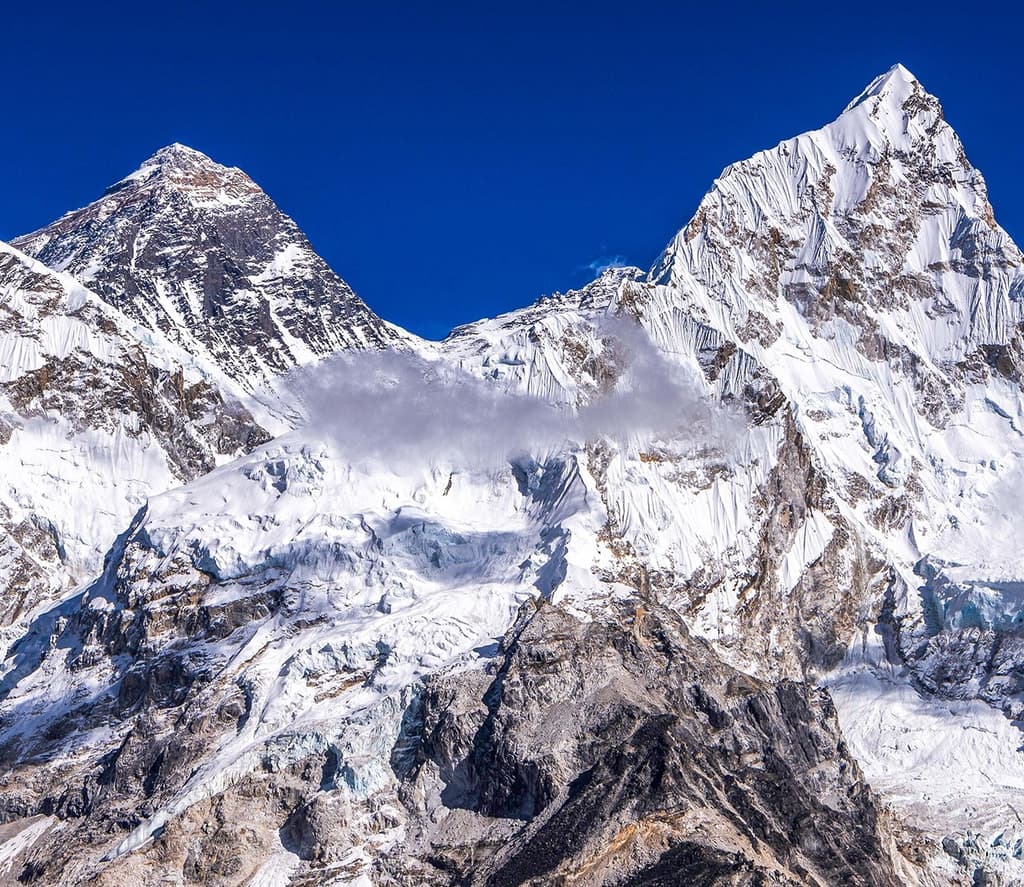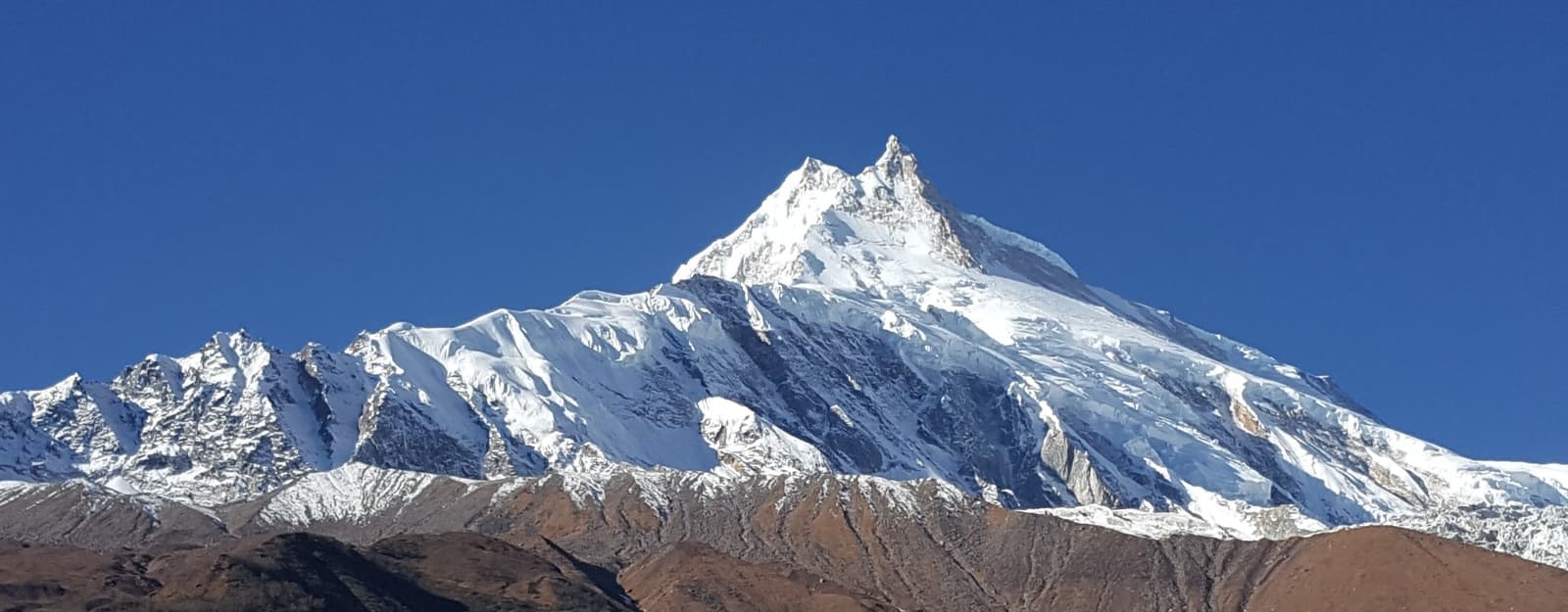
The Manaslu Circuit Trek is one of Nepal’s most immersive and adventurous routes. It circles Mount Manaslu (8,163m), the world’s eighth-highest peak. The trail passes through remote Himalayan valleys where traditional mountain life continues. Along the way, trekkers see river gorges, forests, alpine landscapes, and glaciers, making the journey both varied and rewarding.
The Manaslu region is peaceful and culturally rich because it is less commercialised and has restricted access. On the trail, you’ll see ancient monasteries, prayer flags, mani walls, and villages shaped by Tibetan culture. The main highlight is crossing the Larkya La Pass (5,160m), a tough but unforgettable high-altitude pass. If you are looking for authenticity, solitude, and natural Himalayan beauty, the Manaslu Circuit is one of Nepal’s top treks.
Why Choose the Manaslu Circuit Trek?
The Manaslu Circuit Trek is ideal for travellers seeking a real Himalayan experience away from busy, commercial trails. It offers stunning mountain views, rich cultural experiences, and a satisfying physical challenge. The gradual climb helps with acclimatisation and lets you enjoy the changing scenery and culture.
What makes the Manaslu Circuit Trek special:
- Less crowded trails compared to the Everest and Annapurna regions.
- Close-up views of Mt. Manaslu, Himlung Himal, Ganesh Himal, and Annapurna II.
- Strong Tibetan Buddhist culture is reflected in monasteries and villages.
- Adventurous crossing of Larkya La Pass (5,160m).
- Diverse landscapes ranging from subtropical forests to high alpine terrain.
- This trek is ideal for people who appreciate authenticity, deep culture, and a true sense of wilderness.
Key Highlights and Attractions
The Manaslu Circuit Trek showcases a rich mix of natural beauty and cultural experiences, so each day feels different. Trekkers pass through river valleys and sacred villages, enjoying wide mountain views that make the trip memorable.
Major attractions include:
Larkya La Pass: The highest altitude crossing on the Manaslu Circuit, recognised for its challenging landscape and wide-ranging Himalayan scenery.
Samagaun and Samdo Villages: Traditional Tibetan-influenced settlements rich in culture and spirituality
Manaslu Base Camp (optional): A rewarding acclimatisation hike with close-up views of Mt. Manaslu
Budhi Gandaki Gorge: Deep gorges, waterfalls, and suspension bridges in the lower section of the trek
Ancient monasteries and mani walls: Living symbols of centuries-old Buddhist traditions.
Why Manaslu Is a Restricted Region
Situated close to the Tibetan border, the Manaslu region features sensitive cultural heritage sites and fragile natural environments. To protect these areas and manage tourism, the Government of Nepal designated Manaslu as a restricted trekking area to help preserve its traditions and natural beauty.
Key reasons for restriction:
- Proximity to the Tibetan border.
- Preservation of Tibetan Buddhist culture and traditions.
- Protection of fragile alpine ecosystems.
- Sustainable and controlled tourism management.
- All trekkers must obtain special permits and travel with a licensed guide through a registered trekking agency.
Distance, Elevation & Terrain Overview
The Manaslu Circuit Trek is a long and varied route that challenges trekkers both physically and mentally. The trail goes through river valleys, forests, and rocky paths, ending at a high mountain pass. The total distance is about 180 km.
Average daily walking distance: 10–15 km
Walking hours per day: 5–7 hours
Maximum elevation: 5,160 meters (Larkya La Pass)
Total duration: 14–18 days, depending on itinerary
Trekking Routes to Manaslu Circuit
The classic Manaslu Circuit route climbs gradually, helping with acclimatisation and allowing you to see the region’s diverse landscapes and cultures. The trail starts in lowland villages and leads to high-altitude Tibetan settlements.
Classic Route:
Kathmandu → Machha Khola
Jagat → Deng → Namrung
Lho → Samagaun → Samdo
Dharamsala → Larkya La Pass
Bimthang → Dharapani → Kathmandu
Best Manaslu Circuit Trek Itinerary (16 Days).
A good itinerary is important for safety and enjoyment on the Manaslu Circuit Trek. This 16-day plan gives you enough time to acclimatise, rest, and see the main highlights.
Day 01: Arrival in Kathmandu
Day 02: Drive from Kathmandu to Machha Khola
Day 03: Machha Khola to Jagat
Day 04: Jagat to Deng
Day 05: Deng to Namrung
Day 06: Namrung to Lho
Day 07: Lho to Samagaun
Day 08: Acclimatisation day in Samagaun
Day 09: Samagaun to Samdo
Day 10: Acclimatisation day in Samdo
Day 11: Samdo to Dharamsala
Day 12: Cross Larkya La Pass to Bimthang
Day 13: Bimthang to Dharapani
Day 14: Dharapani to Besisahar
Day 15: Drive back to Kathmandu
Day 16: Final departure
Alternative Trekking Programs
Trekkers have different schedules, fitness levels, and goals. To meet these needs, several alternative Manaslu trekking programs are available. These options let you explore extra valleys, shorten the trek, or combine Manaslu with other popular routes.
Popular alternatives include:
- Short Manaslu Circuit Trek (10–12 days).
- Manaslu Circuit with Tsum Valley Trek.
- Manaslu Circuit combined with Annapurna Circuit.
- Private or luxury-supported Manaslu Trek
[block](,15)
Cost Breakdown of Manaslu Circuit Trek
The cost of the Manaslu Circuit Trek depends on group size, season, trip length, and service level. Because it is a restricted area, there are additional permit fees and logistical costs, so it is a bit more expensive than trekking in open regions. Still, the remote trails, preserved culture, and great scenery make it worth it.
A well-organised trekking package helps keep you safe, comfortable, and in compliance with the rules. It also reduces unexpected costs during your trip.
Cost generally includes:
- Restricted Area Permit (RAP).
- Manaslu Conservation Area Permit (MCAP).
- Annapurna Conservation Area Permit (ACAP).
- Licensed guide and porter services.
- Accommodation and meals during the trek.
- Transportation and essential trekking logistics.
Permits and Documentation Required
Since Manaslu is a restricted area, you need several permits and the right documents. These permits help manage tourism, protect local culture, and safeguard the environment. All documents must be arranged through a government-registered trekking agency.
Required permits include:
- Manaslu Restricted Area Permit (seasonal pricing).
- Manaslu Conservation Area Permit (MCAP).
- Annapurna Conservation Area Permit (ACAP)
A minimum of two trekkers is mandatory, and independent trekking without a licensed guide is not permitted.
Trek Difficulty & Fitness Preparation
The Manaslu Circuit Trek is considered a moderate-to-challenging Himalayan trekking route, and best suited to physically fit, mentally prepared trekkers. You don’t need technical climbing skills, but the long days, high altitude, and crossing Larkya La Pass can be tough.
Advance preparation enhances safety and comfort during the trek.
Fitness preparation tips:
Regular cardiovascular training, such as hiking, cycling, or running. Leg and core-focused strength training. Prior trekking experience at altitude is highly recommended. Adequate acclimatisation and hydration throughout the trek
Accommodation & Food Facilities
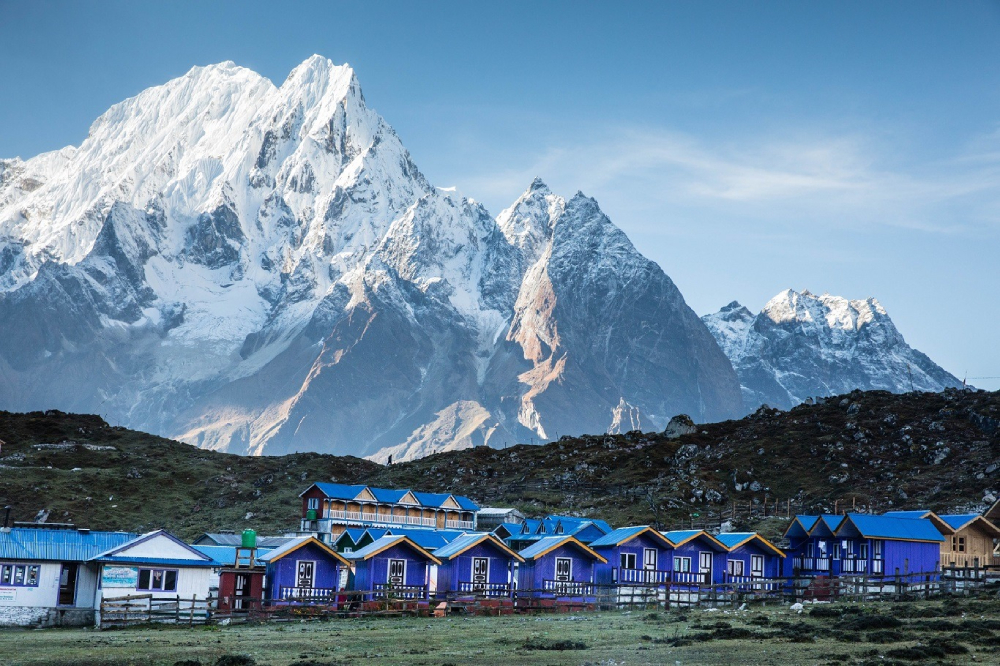
Most places to stay on the Manaslu Circuit are traditional tea houses run by local families. The facilities are simple but offer warmth, shelter, and good meals after each day’s trek.
What trekkers can expect:
- Twin-sharing rooms with basic bedding and blankets.
- Mostly shared bathrooms, especially at higher elevations.
- Meals such as dal bhat, noodles, soups, momos, pasta, and Tibetan bread.
- Limited menu options at higher altitudes due to remoteness
Electricity, Internet & Communication
Electricity and communication are limited on the Manaslu Circuit, but your basic needs are covered. Most villages use solar power, and services get simpler the higher you go.
Key points:
- Solar-powered electricity in most villages.
- Charging facilities are available for an additional fee.
- Limited Wi-Fi access in selected lodges, often slow and unreliable.
- Mobile networks (NTC/Ncell) are experiencing intermittent service in some areas.
Best Season for Manaslu Circuit Trek
Picking the right season for your trek affects the weather, trail safety, and your overall experience. The Manaslu Circuit can be done in different seasons, but conditions vary widely.
Best seasons include:
- Spring (March–May): Mild temperatures, blooming rhododendrons, and clear skies.
- Autumn (September–November): Stable weather, excellent visibility, and ideal trekking conditions.
- Winter (December–February): Very cold with heavy snow at higher elevations.
- Monsoon (June–August): Risk of landslides and leeches in lower regions.
Money, ATMs & Daily Expenses
There are very few financial services on the Manaslu Circuit, so it’s important to plan ahead. Once you leave Kathmandu, you won’t find banks or ATMs for most of the trek.
Important information:
- ATMs are available only in Kathmandu.
- Carry sufficient Nepali cash for the entire trek.
- Villages do not accept credit or debit cards.
- Extra cash is recommended for charging, hot showers, and snacks
Travel Insurance Requirement
Comprehensive travel insurance is required for the Manaslu Circuit Trek because of its remote location and high altitude. Insurance is important in case you get sick, injured, or need to be evacuated.
Insurance must include:
- Coverage for high-altitude trekking.
- Emergency helicopter evacuation.
- Medical treatment and hospitalisation
Practical Tips for a Successful Trek
Good preparation and responsible trekking are key to a safe and enjoyable Manaslu Circuit trek. Respect local culture and allow enough time to acclimatise to improve your experience.
Practical tips:
- Allow sufficient acclimatisation days.
- Drink 3–4 litres of water daily.
- Respect local customs, monasteries, and traditions.
- Pack appropriate cold-weather and trekking gear.
- Avoid rushing the trekking itinerary.
Frequently Asked Questions (FAQs)
Is the Manaslu Circuit suitable for beginners?
Yes, with good fitness, proper preparation, and adequate acclimatisation.
Is a guide mandatory?
Yes. The Manaslu region is restricted, and trekking without a licensed guide is not allowed.
How difficult is the trek?
It is considered moderate to challenging due to altitude and the Larkya La Pass crossing.
Is the Manaslu Circuit Trek worth it?
Absolutely. It offers pristine landscapes, rich culture, and a genuine Himalayan adventure.
What is the best season to trek the Manaslu Circuit?
The ideal seasons are pre-monsoon (March to May) and post-monsoon (September to November) when the weather is stable, and the views are clear.
How long does the trek take?
Typically, the full circuit takes 14–18 days, depending on pace, acclimatisation, and stops.
What kind of accommodation is available on the trek?
Mostly tea houses and lodges offering basic facilities. Some areas may have simple guesthouses or camping options.
Do I need special equipment?
Yes. Warm clothing, sturdy trekking boots, a sleeping bag, trekking poles, and a daypack are essential.
Are there medical facilities along the trek?
Limited facilities are available in villages. It’s recommended to carry a first-aid kit and any personal medication.
Can I get mobile or internet coverage?
Coverage is limited to certain villages; many remote areas have no signal.
What permits are required for the trek?
Trekkers need the Manaslu Restricted Area Permit (RAC), Annapurna Conservation Area Permit (ACAP), and a TIMS card.
Final Thoughts
The Manaslu Circuit Trek offers a complete Himalayan adventure with culture, natural beauty, and excitement. Its remote trails, lasting traditions, and mountain views make it both challenging and rewarding. If you want an authentic and less-crowded trek in Nepal, Manaslu is a great choice.
If you want a custom itinerary or have more questions, feel free to contact Team Himalaya.