Trekking in Nepal 2026/2027: Best Routes, Costs, Permits, Seasons & Complete Travel Guide
Nepal is globally recognised as the ultimate destination for Himalayan trekking, and 2026 is one of the best years ever to explore the Nepal Himalayas. Continuous improvements in trekking infrastructure, better road connectivity to trailheads, upgraded teahouses, wider mobile network coverage, and clearer trekking regulations have made trekking in Nepal safer, more comfortable, and more organised than ever before.
Whether you are trekking for the first time, travelling on a budget, seeking an adventurous journey, or looking for a luxurious Himalayan experience, Nepal offers trekking routes suitable for every fitness level, budget, and travel style. From the legendary Everest Base Camp to the remote trails of Manaslu, the cultural landscapes of Upper Mustang, and short scenic hikes near Kathmandu, the options are endless.
This complete 2026 trekking guide by TeamHimalaya covers everything you need to know—best trekking routes, updated costs, permits, best seasons, safety measures, accommodation standards, food, and frequently asked questions—to help you plan a smooth, safe, and unforgettable Himalayan adventure.
Best Trekking Routes in Nepal – 2026
1. Everest Base Camp Trek (EBC)
- Duration: 12-14 days.
- Maximum Altitude:5,364 m (Kala Patthar viewpoint nearby).
- Difficulty Level: Moderate to Hard.
- Crowd Level: Very High (especially October–November).
- Road Conditions: No roads; access by flight only.
The Everest Base Camp Trek is Nepal’s premier trekking route, renowned for its beauty and ranks among the world’s most popular treks. Every year, it draws countless trekkers eager to reach the base of Mount Everest, the world's tallest peak.
The adventure begins with a dramatic mountain flight to Lukla, followed by a well-maintained trail passing through classic Sherpa villages such as Phakding, Namche Bazaar, Tengboche, Dingboche, and Lobuche. Along the way, trekkers experience rich Sherpa culture, ancient monasteries, prayer wheels, and stunning Himalayan scenery.
Despite being crowded during peak seasons, the EBC trek remains highly popular due to:
- Excellent medical facilities and rescue support
- Reliable Wi-Fi and communication services
- A wide range of comfortable teahouses
- Clearly marked trails and strong safety infrastructure.
Best for: - First-time high-altitude trekkers
- Bucket-list travelers
- Trekkers who value good facilities and safety
Not ideal for: - Trekkers seeking solitude and quiet trails
[block](,1)
2. Annapurna Base Camp Trek (ABC)
- Duration: 7-11 days
- Maximum Altitude: 4,130 m
- Difficulty Level: Moderate
- Crowd Level: Medium to High
- Road Conditions: Jeep access up to Jhinu or Ghandruk
The Annapurna Base Camp Trek is among the most scenic short treks in Nepal, offering a dramatic mountain amphitheatre surrounded by Annapurna I, Machhapuchhre (Fishtail), Hiunchuli, and Annapurna South.
In 2026, improved road access has reduced trekking days, making ABC an excellent option for:
Families with children
- Beginner trekkers
- Travellers with limited vacation time
- The trek combines rich Gurung culture, rhododendron forests, hot springs at Jhinu Danda, and breathtaking mountain views.
Best for: - First-time trekkers
- Short Himalayan experiences
- Comfortable teahouse trekking
[block](,28)
3. Annapurna Circuit Trek
- Duration: 12-18 days
- Maximum Altitude: 5,416 m (Thorong La Pass)
- Difficulty Level: Moderate to Hard
- Crowd Level: Medium
- Road Conditions: Partial motor roads
The Annapurna Circuit Trek is renowned for its extraordinary geographical diversity, taking trekkers from subtropical valleys to high-alpine deserts in a single journey. Although some sections of the route have been altered due to road construction, alternative paths continue to offer the authentic trekking experience.
Major highlights include:
- Acclimatisation days in Manang Valley
- Crossing the dramatic Thorong La Pass
- Descending into the Kali Gandaki Gorge, one of the deepest gorges in the world
Best for:
- Experienced trekkers
- Long-distance trekking lovers
- Cultural and landscape diversity seekers
[block](,24)
4. Manaslu Circuit Trek (Restricted Area)
- Duration: 14–18 days
- Maximum Altitude: 5,160 m (Larkya La Pass)
- Difficulty Level: Hard
- Crowd Level: Very Low
- Road Conditions: Minimal
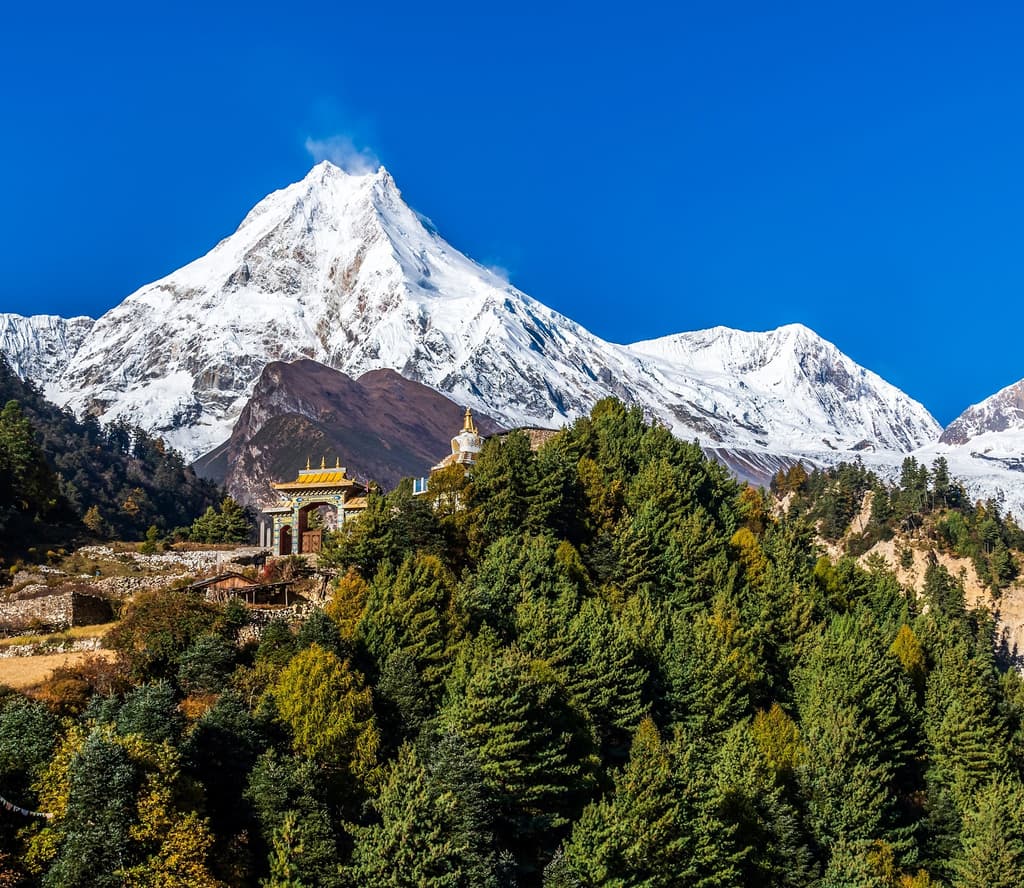
The Manaslu Circuit Trek is one of Nepal’s best off-the-beaten-path adventures, offering raw Himalayan landscapes and authentic Tibetan-influenced culture. As a restricted area, trekking here requires a licensed guide and special permits, which help preserve its natural and cultural heritage.
Why Manaslu stands out in 2026:
- Far less crowded than Everest and Annapurna
- Traditional villages with Tibetan culture
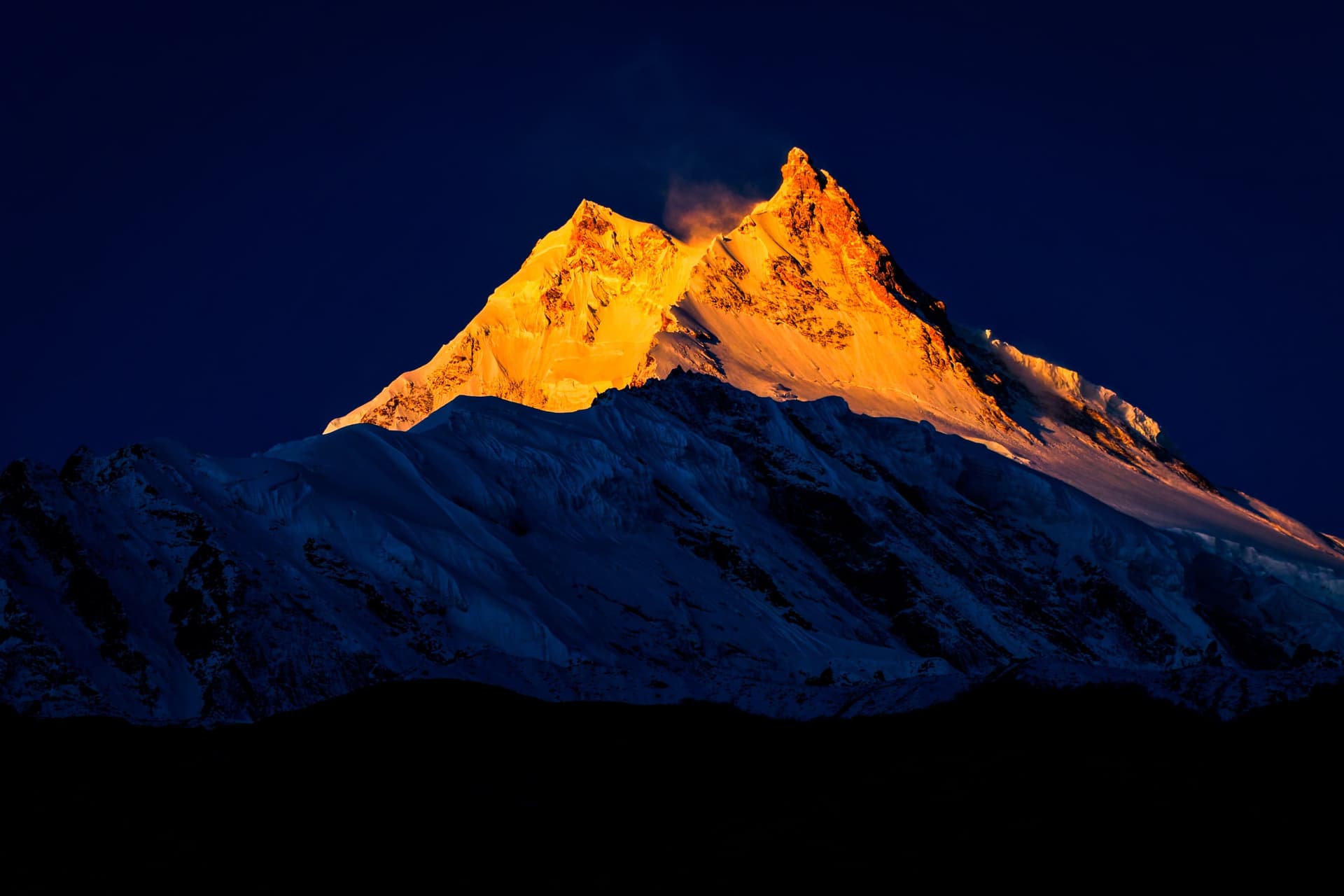
- Spectacular views of Mount Manaslu (8,163 m)
Best for: - Experienced trekkers
- Adventure seekers
- Travellers avoiding crowds
[block](,14)
5. Gokyo Lakes Trek
- Duration: 10–14 days
- Maximum Altitude: 5,357 m (Gokyo Ri)
- Difficulty Level: Moderate to Hard
- Crowd Level: Medium
The Gokyo Lakes Trek is a quieter and more scenic alternative to the Everest Base Camp route. The trek leads into the beautiful Gokyo Valley, home to a series of sacred turquoise glacial lakes and dramatic Himalayan panoramas.
The highlight is the ascent of Gokyo Ri, offering breathtaking views of Everest, Lhotse, Makalu, and Cho Oyu, as well as the massive Ngozumpa Glacier.
Best for:
- Photographers
- Trekkers seeking fewer crowds in the Everest region
- Adventure trekkers combining Cho La Pass & EBC
[block](,6)
6. Langtang Valley Trek
- Duration: 7–10 days
- Maximum Altitude: 4,984 m (Tserko Ri optional)
- Difficulty Level: Easy to Moderate
- Crowd Level: Low to Medium
Langtang Valley is the trekking area nearest to Kathmandu, making it ideal for budget travellers and short holidays. The trek offers rich Tamang culture, alpine forests, yak pastures, and glacier views, all within a relatively short time frame.
Best for:
- Budget travelers
- Beginners
- Short trekking holidays
[block](,19)
7. Upper Mustang Trek (Restricted Area)
- Duration: 10–14 days
- Difficulty Level: Moderate
- Crowd Level: Very Low
- Road Conditions: Jeep roads available
Often called the “Last Forbidden Kingdom,” Upper Mustang offers a unique blend of Tibetan culture, desert landscapes, ancient caves, and monasteries. Despite road access, trekking remains the best way to experience the region’s culture and scenery.
Best for:
- Culture enthusiasts
- Unique Himalayan landscapes
- Luxury and jeep-supported trekking
[block](,16)
8. Short & Easy Treks in Nepal (2026)
Ghorepani Poon Hill Trek
Location
Region: Annapurna Region, Western Nepal
Starting Point: Nayapul or Ulleri (after driving from Pokhara)
Highest Point: Poon Hill (3,210 meters)
This is one of the most popular short treks in Nepal, perfect for beginners, families, students, and first-time trekkers.
Duration
Usually 4-days
Can be extended to 6-7 days if combined with the Ghandruk village
Difficulty Level
- Easy to Moderate
- Suitable for beginners
- No technical climbing required
- Some steep stone staircases (especially the Ulleri section)
- You just need normal fitness and the ability to walk 5-6 hours per day.
Main Highlights - Poon Hill Sunrise (Main Attraction)
- Early morning hike (about 1 hour up
- hill) from Ghorepani to Poon Hill (3,210m).
- From the top, you can see:
- Annapurna I (8091 M/26545 F)
- Annapurna South(7219 M/23684 F)
- Dhaulagiri(8167 M/26795 F)
- Machhapuchhre (Fishtail)
- Hiunchuli
- Nilgiri
- When the sun rises, the mountains turn golden and pink — this is the most beautiful moment of the trek.
- Rhododendron Forests
- Beautiful forests, especially in spring (March–April).
- Nepal’s national flower (Lali Gurans) blooms everywhere.
3. Gurung & Magar Villages
Stay in traditional villages like Ghorepani and Ghandruk.
Experience local culture, food, and hospitality.
Learn about the Gurung and Magar communities.
4. Scenic Landscape
Terraced farms
Rivers and waterfalls
Green hills
Snow-capped mountain views
Typical Itinerary (5 Days)
Day 1:Drive from Pokhara to Nayapul to Trek to Tikhedhunga/Ulleri
Day 2:Trek to Ghorepani (walk through forests)
Day 3:Early morning hike to Poon Hill to Trek to Tadapani
Day 4:Trek to Ghandruk village
Day 5:Trek to Nayapul to drive back to Pokhara
Accommodation & Food
Stay in Tea Houses (Mountain Lodges)
Basic but comfortable rooms
Meals available: Dal Bhat, noodles, pasta, soup, tea, coffee
No need to carry a tent.
Best Time to Go
- Spring (March-May) - Best weather, blooming flowers
- Autumn (Sept-Nov) -Clear sky, best mountain views
- Winter is possible, but cold
- Monsoon (June-Aug) is not recommended
Permits Required
- ACAP Permit (Annapurna Conservation Area Permit)
- TIMS Card (Trekkers’ Information Management System)
- Approximate Cost (2026)
- Budget: $30–40 per day (if going independently)
With guide/agency: $400–700 total package (approx.)
Cost depends on: - Guide/porter
- Hotel category
- Transportation
- Group size
Why Choose Ghorepani Poon Hill Trek? - Short and easy
- Amazing Himalayan sunrise
- Perfect for beginners
- No high altitude risk
- Good facilities and comfortable lodges
- Small Challenges
- Many stone stairs (can be tiring)
- Popular route (can be crowded in peak season)
Summary
The Ghorepani Poon Hill Trek is the top choice for a short trek in Nepal if you are looking to:
- Big mountain views
- Cultural experience
- Easy trekking
- Short trip
- Safe and beginner-friendly route
- Pikey Peak Trek
- Mardi Himal Trek
- Helambu Trek
- Chisapani–Nagarkot Trek
- Everest Panorama Trek
Best for:
•Beginners
•Families
•Winter trekking
•Budget travelers
Pikey Peak Trek – Everest Views & Sherpa Culture (10 Days)
Location & Overview
The Pikey Peak Trek is a short, beautiful trek in the Lower Solu Khumbu (Everest) region of Nepal, known for its stunning and panoramic views of Himalayan peaks and welcoming Sherpa culture. This trail lies closer to Kathmandu than the classic Everest Base Camp route and can be reached by driving or flying within a day.
- Duration: ~10 days
- Trek Grade: Easy
- Highest Point: Pikey Peak (about 4,050 m)
- Accommodation: Tea houses & lodges
- Transportation: Private vehicle from Kathmandu
- Meals: Breakfast, lunch, dinner during trek
What Makes This Trek Special?
Panoramic Views of the Himalayas
From the summit of Pikey Peak, you get unbelievable views of seven of the eight 8,000-m peaks in Nepal, including:
- Mt. Everest
- Makalu
- Kanchenjunga
- Lhotse
- Dhaulagiri
- Manaslu
- Annapurna
These mountain panoramas stretch in all directions, making this one of the most spectacular short viewpoints in Nepal.
Sunrise Over Everest
Trekking up Pikey Peak early in the morning gives you an unforgettable sunrise, with sunlight illuminating Everest and the surrounding giants. It’s one of the most memorable parts of the trail.
Sherpa Villages & Culture
- Walk through remote Sherpa communities in the Lower Solu Khumbu region.
- Visit Buddhist monasteries (gompas), including Thupten Choling Gompa in Junbesi, where you can see monks and nuns and experience authentic Buddhist culture.
- Trail passes yak pastures - you may see and taste yak milk, yak butter, and cheese.
- Nature & Scenic Trails
- Trek through pine and rhododendron forests (especially colourful in spring).
- These trails offer a calmer experience, with far fewer trekkers than the Everest Base Camp or Annapurna routes.
- Beautiful villages, prayer flags, mani walls and traditional Himalayan scenery throughout.
Typical 10-Day Itinerary (Team Himalaya)
Day 1 - Arrive in Kathmandu
Arrival and hotel transfer
Option for Kathmandu sightseeing (extra)
Overnight in a city hotel
Day 2 -Drive Kathmandu to Dhap (~7–8 hrs)
Scenic drive through hills and rural landscapes
Dhap is a Sherpa village with mountain views
Overnight at the lodge
Day 3 -Trek Dhap to Jhapre (about 4 hrs)
Start trekking on easy trails
Arrive at Jhapre, a quiet Sherpa settlement with a Buddhist gompa
Overnight in the lodge
Day 4 - Trek Jhapre to Pikey Base Camp (5-6 hrs)
Walk past yak pastures and rhododendron shrubs
Enjoy mountain views
Stay at Pikey Base Camp lodge
Day 5 - Sunrise Hike to Pikey Peak (4,050 m) & Trek to Jasmine Bhanjyang
Early morning hike for sunrise views
See panoramic Himalayas, including Everest and others
Then walk to Jasmine Bhanjyang, enjoy yak dairy products
Overnight lodge
Day 6 -Jasmine Bhanjyang to Junbesi (5-6 hrs)
Trek along forest paths filled with birds and flowers
Arrive in Junbesi — a larger Sherpa village
Optional visit to Thupten Choling Gompa
Overnight lodge
Day 7 -Junbesi to Ringbu (4-5 hrs)
•Hike through peaceful forests
•Views of mountains and terraced hillside villages
Stay overnight in a local lodge
Day 8 - Ringbuto Phaplu (4-5 hrs)
•Descent through farms and settlement trails
•Arrive at Phaplu village, where there’s a small airport
Overnight lodge
Day 9 - Fly or Drive to Kathmandu
•Option to return by flight (weather permitting) or by road (~9–10 hrs)
Transfer to your hotel in Kathmandu
Day 10 - Final Departure
•Transfer to Kathmandu Airport for the flight home
End of trek
Accommodation & Services
Team Himalaya includes:
- Airport pickup & drop
- All trekking permits and TIMS
- Tea-house& lodge accommodation
- Meals (breakfast, lunch, dinner on trek)
- Professional English-speaking guide + porter
- Sleeping gear and walking maps
- Safety equipment and a first-aid kit
Best Time to Trek
- Spring (Mar-May): Rhododendrons bloom
- Autumn (Sept-Nov): Clear skies and best views
- Winter: Cold but quieter
- Monsoon: Ridge trails can be slippery -not ideal
Safety & Fitness
- The trek stays below very high altitudes, but you may still feel mild altitude effects above ~3,500 m, so go at a comfortable pace.
- No technical climbing skills are required.
- Reasonable walking fitness is helpful.
Why Choose Pikey Peak Trek?
- One of the most panoramic Everest views in Nepal
- Cultural experience with Sherpa villages & monasteries
- Less crowded and peaceful trails
- Tea-house lodges all along the route
- Beginner-friendly but still rewarding
Chisapani–Nagarkot Trek – Quick Hillside Escape (Part of a 7-Day Tour)
This experience is part of a combined tour that includes Kathmandu sightseeing, the Chisapani-Nagarkot hike, and a Chitwan jungle safari. But here we’ll focus on the trekking portion from Sundarijal to Chisapani, then to Nagarkot.
Duration (Hiking Portion)
Day 3: Drive to Sundarijal to Trek to Chisapani (2,340 m)
Day 4: Trek from Chisapani to Nagarkot (2,100 m)
Total hiking: 2 days on the ridge above Kathmandu Valley.
Difficulty Level
- Easy to Moderate to Comfortable for beginners and most travellers
- Moderate walking pace (daily hikes are around 4-5 hours)
- Trails include gentle uphill and downhill sections through villages and forests.
- This makes it a great choice if you want scenic trekking without high altitude or long, strenuous days.
Main Trek Highlights
Chisapani to Ridge Views
- The trek begins with a vehicle drive from Kathmandu to Sundarijal in the hills above the city. From here, you hike up to Chisapani, a grassy ridge village.
- At Chisapani (about 2,340 m), you’ll get wide-angle Himalayan views including ranges like Annapurna, Manaslu, Langtang and Jugal Himal on clear mornings.
- Forests of rhododendron, oak, pine and magnolia line the route, especially beautiful in spring.
- Chisapani is often considered one of the best short ridge treks near Kathmandu and is a classic choice for family hikes or quick outdoor escapes.
Nagarkot - Sunrise over the Himalayas
- After breakfast at Chisapani, your hike continues along the ridge toward Nagarkot (about 2,100 m).
- Nagarkot is a famous hilltop destination for incredible sunrise and sunset views over snow-capped mountains that stretch across central Nepal — including Manaslu, Ganesh Himal, Langtang, and Jugal Himal — and, on clear days, peaks toward Everest as well.
- The trail passes through small Tamang villages and terraced farm landscapes before reaching Nagarkot’s ridge.
- People often choose Nagarkot for sunrise viewpoints, and it’s one of the most popular quick hikes to combine with cultural tours or nature activities near Kathmandu.
Altitude & Trekking Conditions
- Chisapani: ~2,340 m to the highest point of the hike
- Nagarkot: ~2,100 m to sunrise viewpoint
- These altitudes are moderate, so the risk of altitude sickness is lower than on higher Himalayan treks.
- The trail is well-established, and it’s considered a moderate day hike rather than a difficult mountain trek.
Accommodation & Support (as part of Team Himalaya Tour)
- Teahouses and lodges for overnight rest
- Meals included (breakfast, lunch, dinner on trek days)
- Experienced guide and support staff with safety equipment and maps provided by the tour company.
This means you don’t need to carry tents; everything is arranged for you.
Why People Love This Trek
- Easy entrance point from Kathmandu, a short drive, then gentle hiking trails.
- Great mountain viewpoints, especially sunrise at Chisapani and Nagarkot.
- Village culture and forest scenery - walk through villages and forests with local flavours.
- Low- to moderate-altitude - ideal for beginners and families.
- On its own, this trek is often chosen simply for the views and ease of access, especially from Kathmandu, with minimal planning needed.
Best Time to Go
•Autumn (Sept-Nov): Best views of mountains and clear weather.
•Spring (Mar–May): Rhododendron blooms and pleasant temperatures.
•Winter: Cold nights, but still doable.
•Monsoon: Trails can be muddy and slippery, not ideal.
Summary
The Chisapani–Nagarkot Trek portion of the Team Himalaya trip is a beautiful and easy-to-enjoy hillside hike just outside Kathmandu that takes you:
- Up through lush forests
- To the sunny ridge viewpoints
- To Nagarkot for Himalayan sunrise views
- It’s especially great if you want natural scenery and mountains without long, strenuous trekking or very high altitude.
Trekking Costs in Nepal – 2026 (Detailed Breakdown)
The average daily trekking cost in Nepal for 2026 varies according to the comfort level and services chosen. Budget trekking generally costs USD 30–40 per person per day, covering basic teahouse accommodation with shared rooms, simple local meals such as dal bhat, and limited facilities. This option is ideal for backpackers and trekkers who are comfortable with basic living conditions and want to keep expenses low while still enjoying Nepal’s trekking trails.
Standard trekking usually ranges from USD 45-70 per day, offering more comfortable teahouses, private rooms where available, improved meal choices, and the support of an experienced local guide. For a premium experience, luxury trekking costs approximately USD 120-250 per day and includes high-end lodges or the best available teahouses, private guide and porter services, superior meals, hot showers, Wi-Fi, charging facilities, and sometimes jeep or helicopter assistance. Final costs depend on the trekking region, altitude, season, and whether special permits are required.
What Each Category Includes:
Budget: Basic teahouses, local meals, shared rooms
Standard: Private rooms, experienced guide, porter
Luxury: Best lodges, helicopter transfers, premium services
Permit Costs (2026)
TIMS Card: $20
Annapurna Conservation Area: $30
Sagarmatha National Park: $30
Langtang National Park: $30
Manaslu Restricted Permit: $75–100/week
Upper Mustang Permit: $500/10 days
Guide & Porter Rates
Guide: $30–40/day
Porter: $25–30/day
Flights
- Kathmandu–Lukla (one way): $254–260
- Peak-season flights often operate from Ramechhap
- Best Time to Trek in Nepal – Month-by-Month (2026)
- Spring (March-May): Blooming rhododendrons, warm days
- Autumn (September-November): Best visibility and stable weather
- Shoulder Seasons: February, June, December
- Weather Risks: Monsoon rains, winter snow at high passes
- Essential Travel Tips for Trekking in Nepal – 2026
- Pack layered clothing and a quality down jacket
- Carry power banks and water purification methods
- Use Ncell or NTC SIM cards; Wi-Fi is paid
- Always carry cash on the trail
- Ensure insurance covers helicopter evacuation up to 6,000 m
Safety & Acclimatization
- Proper acclimatisation days reduce altitude sickness
- Helicopter rescue is available in emergencies
- Local guides enhance safety and communication
Accommodation & Food in 2026 - Improved teahouse standards across major routes
- Hot showers, charging, and Wi-Fi (extra cost)
- Nutritious meals; Dal Bhat remains the best trekking food
- Vegetarian and special diets widely available
Why Trek with TeamHimalaya - Experienced local guides
- Ethical porter policy
- Customized itineraries
- Private and group trek options
- Strong safety record
FAQ - Trekking in Nepal 2026
Is Nepal safe for trekking in 2026?
Yes, Nepal is generally safe for trekking in 2026, especially if you plan properly. The government and local authorities have improved trekking regulations, trail management, and rescue systems. Popular trekking routes like Annapurna, Everest, and Langtang are well-managed and offer tea houses, communication access, and rescue services.
For safety:
- Trek during recommended seasons (Spring & Autumn).
•Hire a licensed guide.
•Get travel insurance that covers high-altitude rescue.
•Follow weather updates and acclimatisation rules.
With proper preparation, trekking in Nepal is safe and enjoyable.
Which trek is best for beginners?
Some of the best beginner-friendly treks in Nepal are:
Ghorepani Poon Hill Trek – Short, easy, and famous for sunrise views.
Langtang Valley Trek – Moderate altitude with beautiful mountain scenery and Tamang culture.
Annapurna Base Camp (ABC) – Slightly longer but manageable with good fitness.
These treks:
- Do not require technical climbing.
- Have good tea-house facilities.
- Offer stunning mountain views without extreme altitude risk.
For complete beginners with limited time, Poon Hill is often the best choice.
Do I need a guide?
A guide is mandatory in restricted trekking areas (such as Upper Mustang, Manaslu, Dolpo, etc.).
For other popular trekking routes (Annapurna, Everest, Langtang), a guide is strongly recommended for safety, navigation, and cultural understanding.
Benefits of hiring a guide:
- Safety support in case of altitude sickness or emergency.
- Better knowledge of local culture and history.
- Easier permit management.
- Help with accommodation and route planning.
While some experienced trekkers go independently, hiring a licensed guide makes the trek safer and more comfortable, especially for first-time visitors.
Final Recommendation
- Trekking costs remain affordable
- Permit rules are cleaner and safer
- Routes suit all experience levels
- October and April are the best months
- Preparation ensures a safe and rewarding trek
Plan Your Trek 2026 with Team Himalaya
Make your Himalayan adventure smooth, safe, and unforgettable with Team Himalaya, from securing trekking permits to arranging transportation, accommodation, experienced guides, and safety support. We handle all the details so you can fully enjoy the adventure ahead.
Whether you're dreaming of Everest views, Annapurna trails, or peaceful cultural treks, our expert team ensures reliable planning, personalised service, and professional guidance throughout your trip.
Contact us today and start your Himalayan journey with confidence.