Overview
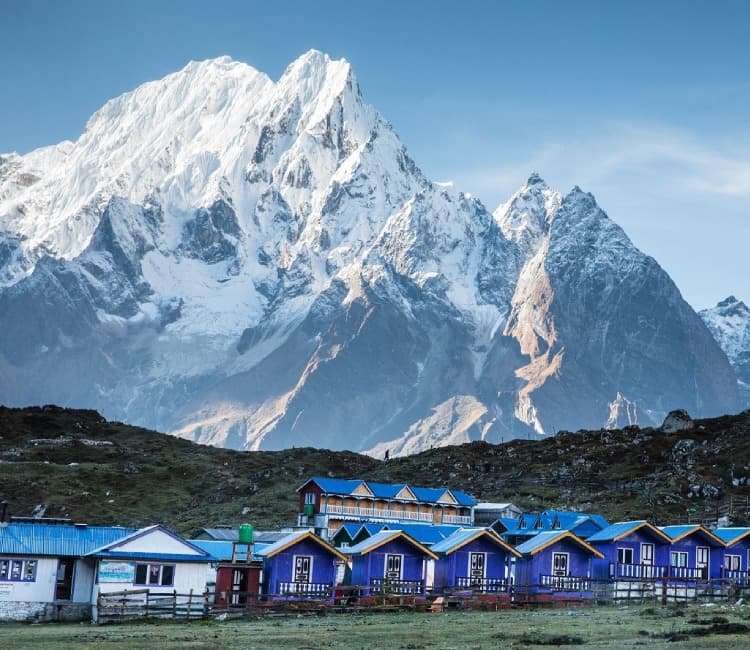
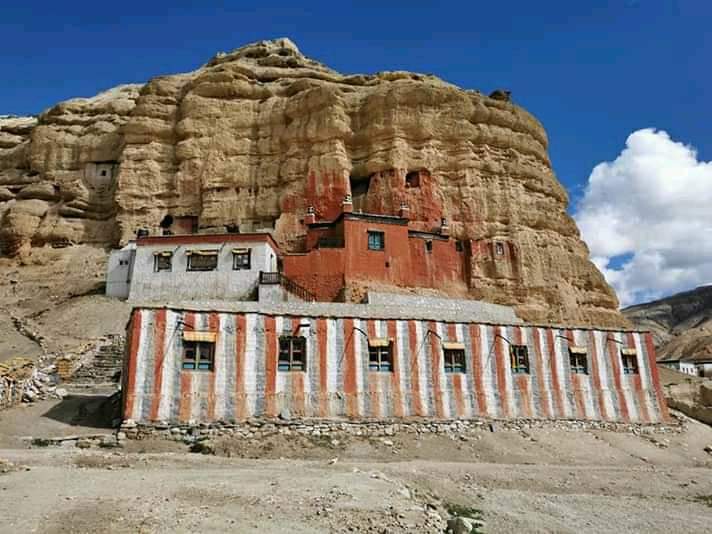
The Upper Mustang Trek leads travellers into a remote Himalayan region of Nepal that remains largely untouched by modern development. Located beyond the Annapurna and Dhaulagiri mountains, this region sits in the rain shadow, making it very different from Nepal’s green hills. You’ll see wind-shaped cliffs, ochre valleys, and old villages that reflect strong Tibetan Buddhist traditions and centuries of Himalayan history.
Upper Mustang is widely known as Nepal’s “Last Forbidden Kingdom,” as the region remained inaccessible to foreign travellers until 1992. This long period of isolation helped preserve its language, customs, buildings, and spiritual traditions. Even now, visiting Mustang feels like going back in time. Monasteries are filled with chanting monks, prayer flags wave over high passes, and old villages still follow their traditional way of life.
Why Choose the Upper Mustang Trek?
The Upper Mustang Trek is perfect for travellers seeking more than just mountain scenery. It combines culture, history, spirituality, and striking landscapes. Unlike busier trekking routes, Mustang is quiet, remote, and truly authentic.
What makes the Upper Mustang Trek different from other Himalayan trips is its mix of rugged scenery and strong cultural roots. Visitors feel a rare sense of isolation and authenticity that is hard to find elsewhere. The area’s landscape, traditions, and spiritual feel make it a unique adventure.
What makes this trek special:
- Stark, desert-like terrain at high altitude.
- Deep-rooted Tibetan Buddhist traditions.
- Ancient monasteries, mani walls, and chortens.
- Remote villages untouched by modernisation.
- Panoramic views of Annapurna, Dhaulagiri, and Nilgiri ranges
This trek is great for those who want to experience rich culture and explore lesser-visited places.
Key Highlights and Attractions
Lo Manthang
The old walled capital of the former Kingdom of Lo is the cultural centre of Upper Mustang. Its narrow streets are home to royal palaces, historic monasteries, and whitewashed houses that show centuries of Tibetan influence.
Ghar Gompa (Lo Gekar Monastery)
Ghar Gompa is thought to be one of Nepal’s oldest monasteries, dating back to the 8th century. It is spiritually very important and closely connected to Guru Rinpoche (Padmasambhava).
Chhoser and the Sky Caves
High on the valley walls, thousands of mysterious caves have been carved into the cliffs by people. These caves were used for meditation, shelter, and burial, and many remain unexplored.
Tiji Festival
Tiji is a vibrant three-day festival held in Lo Manthang that symbolises the triumph of good over evil through sacred rituals and masked dances. Monks perform sacred masked dances, rituals, and prayers during the event.
Kali Gandaki Gorge
The Kali Gandaki Gorge, which runs between Dhaulagiri and Annapurna, is one of the world’s deepest gorges. This area is also known for sacred ammonite fossils called Shaligrams.
Why Upper Mustang Is a Restricted Region
Upper Mustang lies close to the Tibetan border and contains fragile cultural, ecological, and archaeological treasures. To protect these assets, the Government of Nepal enforces controlled access.
Due to its historical importance and sensitive location, Upper Mustang is protected under special regulations. These measures help preserve its cultural heritage, natural environment, and archaeological treasures for future generations.
Key reasons for restriction:
- Sensitive geopolitical location near the Tibetan border.
- Ancient cliff caves with archaeological value.
- Rare fossils and unique biodiversity.
- Vulnerable trans-Himalayan ecosystem.
- Preservation of Tibetan Buddhist culture
Trekking is permitted only with special permits and a registered guide.
Distance, Elevation & Terrain Overview
Total trekking distance: Approx. 130–135 km
Average daily walk: 10–12 km
Walking hours: 5–7 hours per day
Maximum elevation: Around 4,200 meters
Total duration: 12–16 days (depending on itinerary)
The trail includes dry riverbeds, wind-exposed valleys, high passes, and rocky plateaus.
Trekking Routes to Upper Mustang
Classic Route:
Kathmandu → Pokhara → Jomsom → Kagbeni → Chele → Syanboche → Tsarang → Lo Manthang → Dhakmar → Ghiling → Samar → Jomsom → Pokhara
This route takes you through deep gorges, old trade paths, and villages that have linked Nepal and Tibet for centuries.
Best Upper Mustang Trek Itinerary (16 Days)
Day 01: Arrival in Kathmandu
Day 02: Drive or fly to Pokhara
Day 03: Fly to Jomsom, trek to Kagbeni
Day 04: Kagbeni to Chele
Day 05: Chele to Syanboche
Day 06: Syanboche to Tsarang
Day 07: Tsarang to Lo Manthang
Day 08: Exploration day in Lo Manthang
Day 09: Lo Manthang to Dhakmar
Day 10: Dhakmar to Ghiling
Day 11: Ghiling to Samar
Day 12: Samar to Kagbeni
Day 13: Kagbeni to Jomsom
Day 14: Fly to Pokhara
Day 15: Return to Kathmandu
Day 16: Final departure
Alternative Trekking Programs
- Short Upper Mustang Trek (7–10 days)
- Upper Mustang with Tiji Festival
- Upper Mustang combined with the Annapurna Circuit
- Upper Mustang to Upper Dolpo extension
All these programs can be adjusted to fit your schedule, fitness level, and interests.
Cost Breakdown of Upper Mustang Trek
The upper Mustang trek costs more in Nepal due to special permits, challenging logistics, and limited facilities. Still, the unique experience is worth it for those seeking an exclusive, cultural experience, 3,000 peradventure.
The trekking package is designed to keep you safe and comfortable, and to ensure you follow all government rules while you explore this special area.
Cost generally includes:
- Restricted area and conservation permits.
- Licensed guide and porter services.
- Accommodation and meals during the trek.
- Domestic flights or jeep transportation.
- Basic trekking equipment (sleeping bag, duffel).
Permits and Documentation Required
To trek in Upper Mustang, special permits and proper documentation are required due to its restricted status. Trekkers must obtain a Restricted Area Permit, priced at USD 500 for the first 10 days, along with an Annapurna Conservation Area Permit (ACAP) at USD 30. The regulations also require a minimum of two trekkers and that the entire trek be organised through a government-registered trekking agency with a licensed guide.
Trek Difficulty & Fitness Preparation
The Upper Mustang Trek requires you to be fairly fit and mentally prepared. There is no technical climbing, but the high altitude, dry air, and long days of walking can be tough.
The trek is rated moderate to challenging because of the altitude, dry weather, and long days on foot. You don’t need climbing skills, but being in good shape and mentally strong is an important tie.
- Basic but comfortable tea houses.
- Twin-sharing rooms with blankets.
- Mostly shared bathrooms.
- Meals include dal bhat, noodles, soups, momos, and Tibetan bread.
- Hot showers and charging are available at extra cost.
Electricity, Internet & Communication
Electricity and communication facilities in Upper Mustang are limited but sufficient for basic needs. Most villages rely on solar power for lighting and charging, usually at an additional fee. Internet access is not widely available, though some lodges offer Wi-Fi with slow and unreliable connections. Mobile phone networks function only in certain areas, and signal strength can vary significantly along the trail.
- Solar-powered electricity is available in most villages.
- Limited Wi-Fi access in selected lodges.
- Mobile networks (NTC/Ncell) are intermittently working.
Best Season for Upper Mustang Trek
Upper Mustang’s position within the Himalayan rain shadow allows trekking activities during seasons when much of Nepal experiences heavy rainfall. However, weather conditions, visibility, and available services vary throughout the year. Choosing the right season enhances both comfort and overall trekking experience.
Spring (March–May): Mild temperatures, blooming landscapes, and cultural festivals
Autumn (September–November): Clear skies, stable weather, and excellent mountain views
Summer (June–August): Suitable despite monsoon elsewhere in Nepal
Winter (December–February): Extremely cold with limited lodge services
Money, ATMs & Daily Expenses
Financial facilities are very limited in Upper Mustang, so trekkers must plan their expenses in advance. There are no banking services once you leave Jomsom, and most villages operate on a cash-only basis. Proper budgeting and carrying enough local currency are essential.
- ATMs are available only in Jomsom.
- Carry sufficient Nepali cash for the entire trek.
- Credit and debit cards are rarely accepted.
Travel Insurance Requirement
Due to the remote terrain, high altitude, and limited medical facilities, comprehensive travel insurance is mandatory for trekking in Upper Mustang. Insurance coverage provides financial protection in the event of illness, injury, or an emergency evacuation during the trek.
Travel insurance must include:
- Coverage for high-altitude trekking.
- Emergency helicopter evacuation.
- Medical treatment and hospitalisation.
Practical Tips for a Successful Trek
Proper preparation and responsible trekking practices are key to enjoying a safe and rewarding Upper Mustang experience. Taking time to acclimatise, respecting local culture, and following a well-paced itinerary will significantly improve your journey.
- Allow enough time for acclimatisation.
- Drink 3–4 litres of water daily.
- Respect local customs, traditions, and monasteries.
- Carry sunscreen, sunglasses, and lip balm.
- Pack light but with essential gear.
- Avoid rushing the trekking schedule.
Frequently Asked Questions (FAQs)
Who can attempt the Upper Mustang Trek?
The trek is suitable for anyone with moderate fitness and preparation. Beginners can also attempt it if they allow time for acclimatisation and follow a steady pace.
Is a guide required for this trek?
Yes. Upper Mustang is a restricted area, so all trekkers must hire a licensed guide through a registered trekking agency. Independent trekking is not permitted.
How challenging is the trek?
The trek is considered moderate to challenging. There is no technical climbing, but long walking days, high-altitude passes, and dry conditions require good physical endurance.
What permits are needed to trek in Upper Mustang?
Trekkers must obtain a Restricted Area Permit (RAP) and an Annapurna Conservation Area Permit (ACAP). Both permits must be arranged through a registered agency, and a minimum of two trekkers is required.
When is the best time to visit?
Spring (March–May) and autumn (September–November) are ideal due to clear skies, stable weather, and festival opportunities. Summer and winter are possible but come with extreme temperatures or limited services.
What kind of accommodations are available?
Tea houses along the trail provide twin-sharing rooms, basic bedding, and shared bathrooms. Some lodges offer hot showers for an extra fee. Meals typically include dal bhat, noodles, soups, momos, and Tibetan bread.
How should trekkers prepare for high-altitude conditions?
Proper acclimatisation, gradual ascent, staying hydrated, and pacing yourself are crucial for reducing the risk of altitude sickness.
Can I access mobile networks or the internet during the trek?
Mobile signals (NTC/Ncell) are intermittent, and Wi-Fi is only available at select lodges and is often slow and unreliable.
How much cash should I carry?
ATMs are only in Jomsom, so trekkers must carry enough Nepali cash for the entire journey. Credit and debit cards are rarely accepted.
Is the Upper Mustang Trek worth the investment?
Yes. The trek offers an unparalleled cultural experience, breathtaking landscapes, ancient monasteries, and insights into a preserved Himalayan civilisation, making it well worth the cost.
Final Thoughts
The Upper Mustang Trek goes far beyond a typical trekking experience, offering a deep journey into a preserved Himalayan culture, history, and landscape. It is a journey into a preserved Himalayan culture. With its sacred monasteries, ancient caves, dramatic scenery, and lasting traditions, Mustang gives you an experience you won’t find anywhere else in Nepal. If you want real culture, history, and deep insight, Upper Mustang is one of the most rewarding treks in the Himalayas.
For customised itineraries and inquiries, contact Team Himalaya.